
Commercial Roof Repair in Scottsdale, AZ
Home / Commercial Roofing Services / Roof Repair
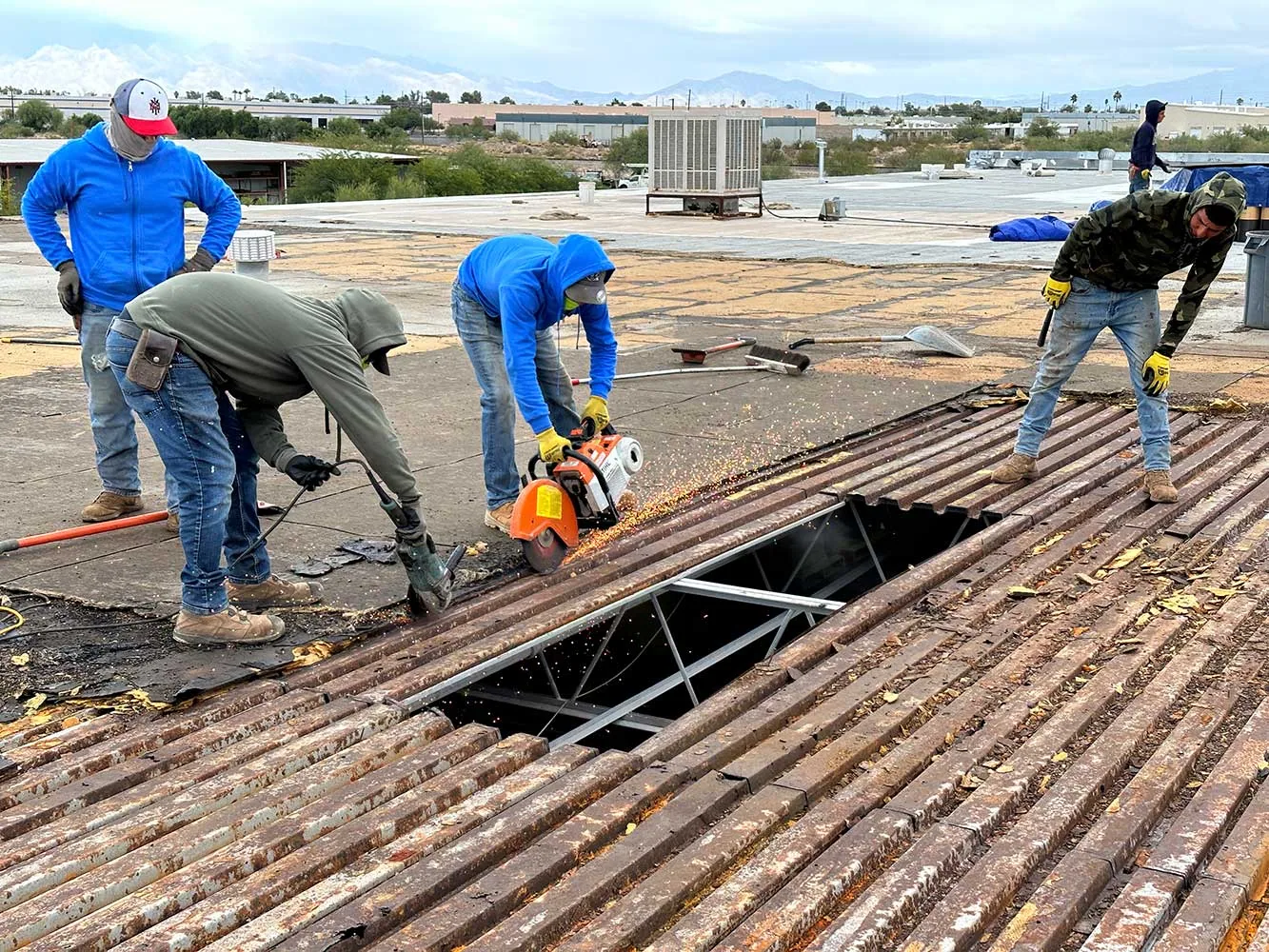
Commercial roof repair in Scottsdale defines prepared connections, layer replacement, detail work, access and the completed repair boundary.
A split seam may need a localized repair, while loose wall flashing can require removal and reconstruction through the termination. Commercial roof repair in Scottsdale, AZ begins by identifying the failed material and the sound construction available around it. We examine the reported area, define the repair boundary and explain what the completed work will correct. If concealed layers or another component change that boundary, we identify the additional investigation or trade needed before expanding the operation.
For a property in Scottsdale Airpark, give us the building address and the roof area involved. The submarket includes industrial, office and retail categories; that identity does not establish a particular property’s construction. We examine the actual roof and discuss access, material readiness and the work period required for its repair.
A visible mark does not set the repair edge
Water can travel along a seam, insulation joint or deck before it reaches an interior room. We use the reported location and timing to guide examination, then inspect accessible membrane, flashing and drainage details that could relate to it. The repair boundary follows the observed roof construction, not the shape of the ceiling stain. Where the first visit cannot establish the entry, we explain the further examination and the closure needed after an authorized opening.
For repairing a commercial roof leak, we describe the detail that supports the proposed correction and photograph useful surrounding construction. A separate equipment or piping concern may need its own representative. We distinguish that inquiry from the roofing work, so the owner knows which condition the repair addresses and which question remains open. An unexplained second report should receive a specific next examination rather than being folded into a claim that the first patch solved every symptom.
Preparation and receiving surfaces
A patch needs sound material around its edge and a surface prepared for the selected joining method. We remove incompatible residue or failed material where it prevents that connection. At an open seam, we examine the separation along its affected length and assess the adjoining membrane. A visible surface bead can cover the defect while leaving the damaged joint in place. We explain what material is removed, how the receiving area is prepared and how the repaired edge is completed.
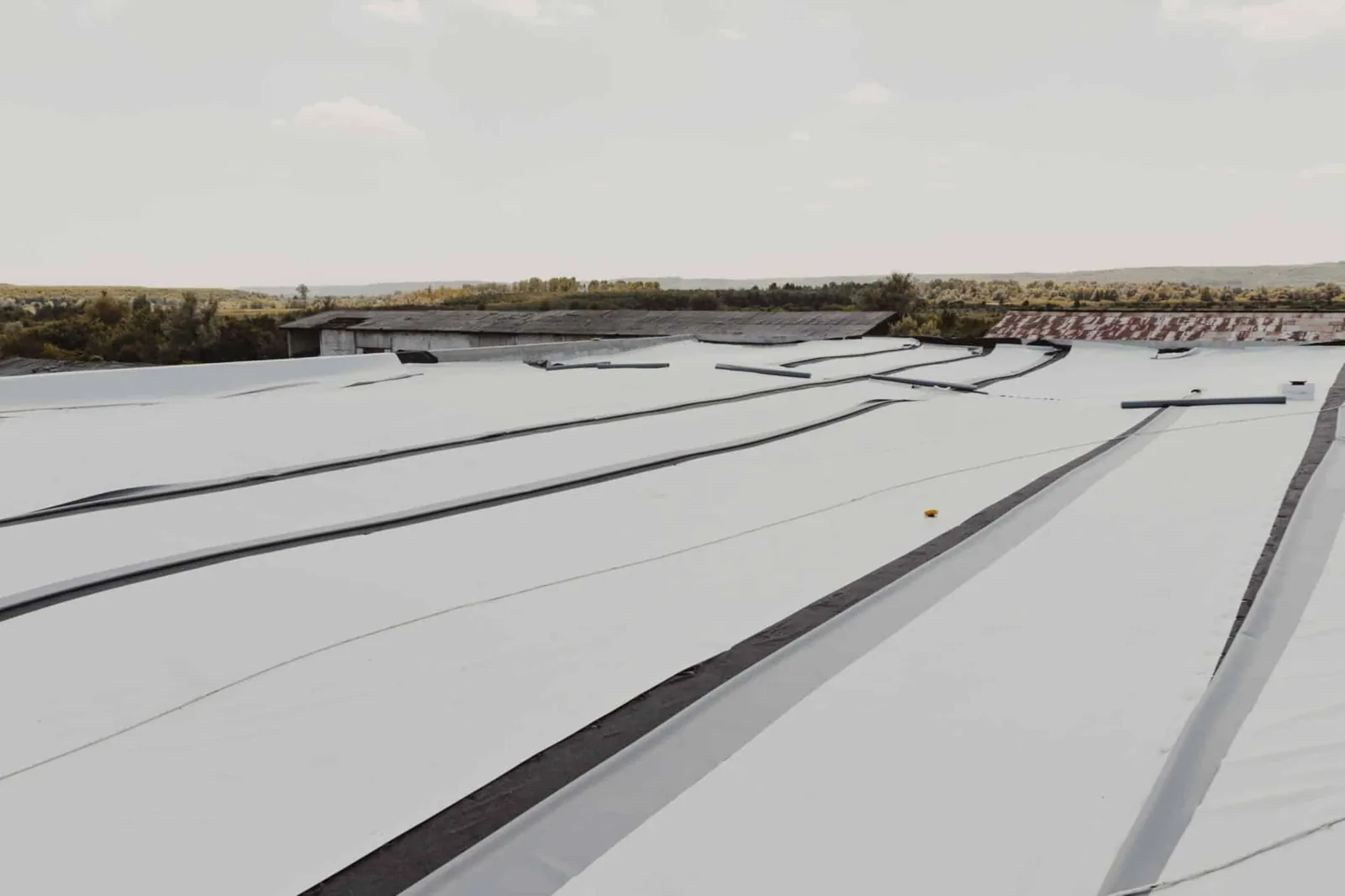
On EPDM roofing, the existing membrane and repair materials need a compatible seam or flashing method. TPO, PVC, modified bitumen and metal each need their own preparation and detail. We identify the observed system before specifying the material operation. Where a transition is involved, rebuilding a failed flashing connection can require work at a wall, curb or opening rather than a field patch alone.
Hidden damage can extend the opening
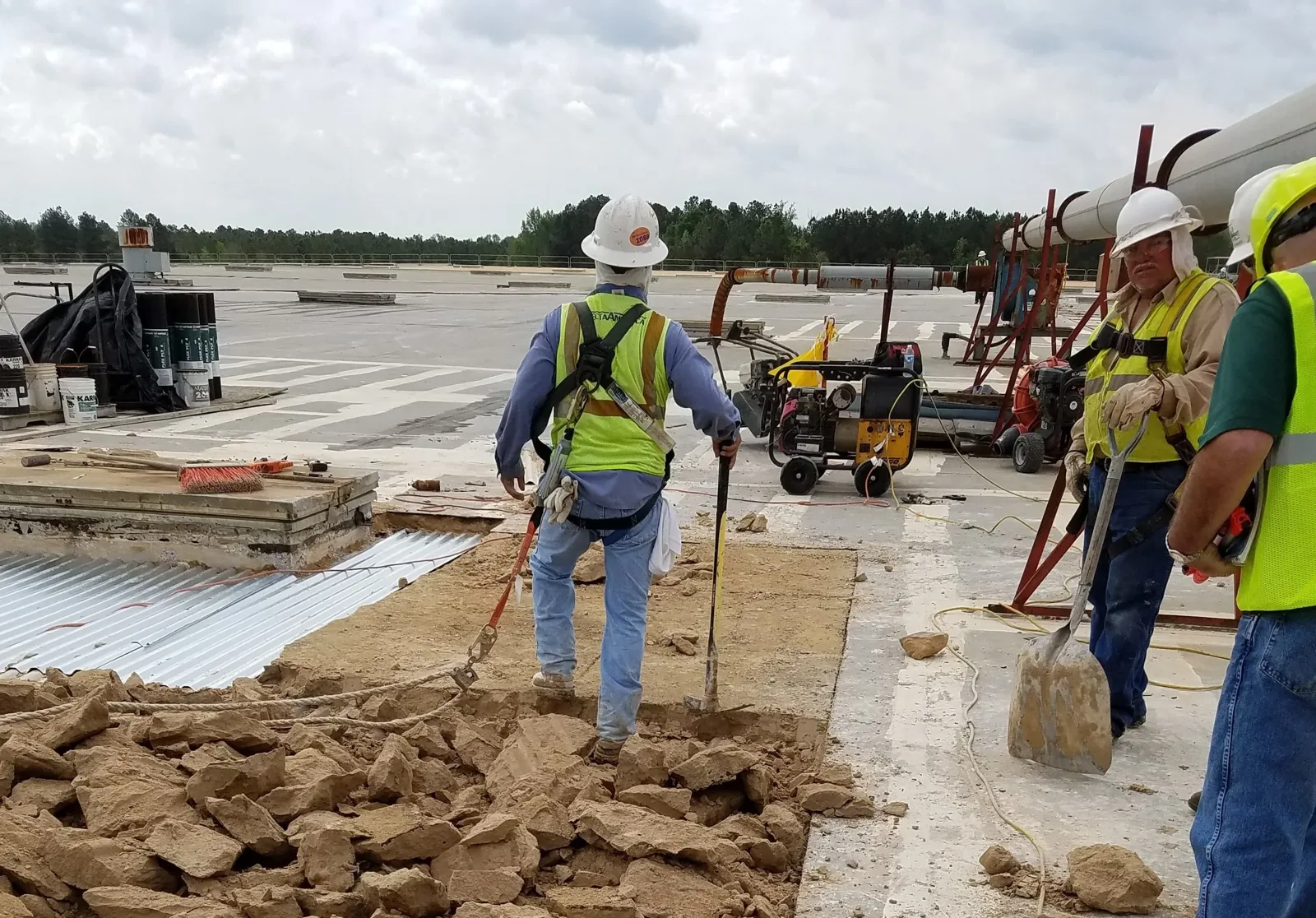
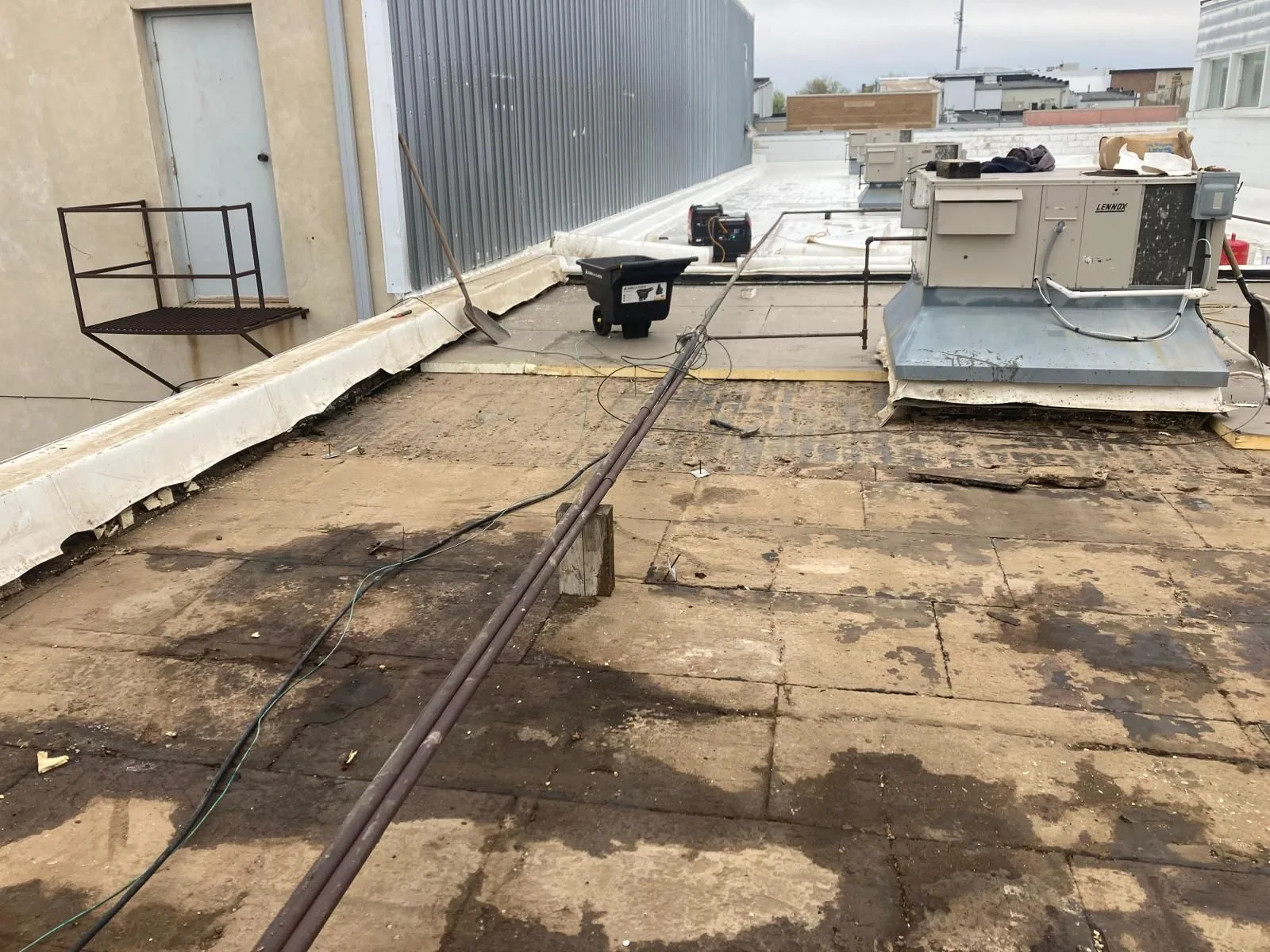
Removing a failed membrane area may expose wet insulation, loose cover board or damaged decking. Those layers cannot be assumed sound merely because the visible defect is narrow. We examine the exposed material and explain any additional removal needed to reach a suitable receiving surface. Photographs record the finding before it is covered. If the discovery changes the authorized quantity, we show the added construction to the approval contact before enlarging the repair.
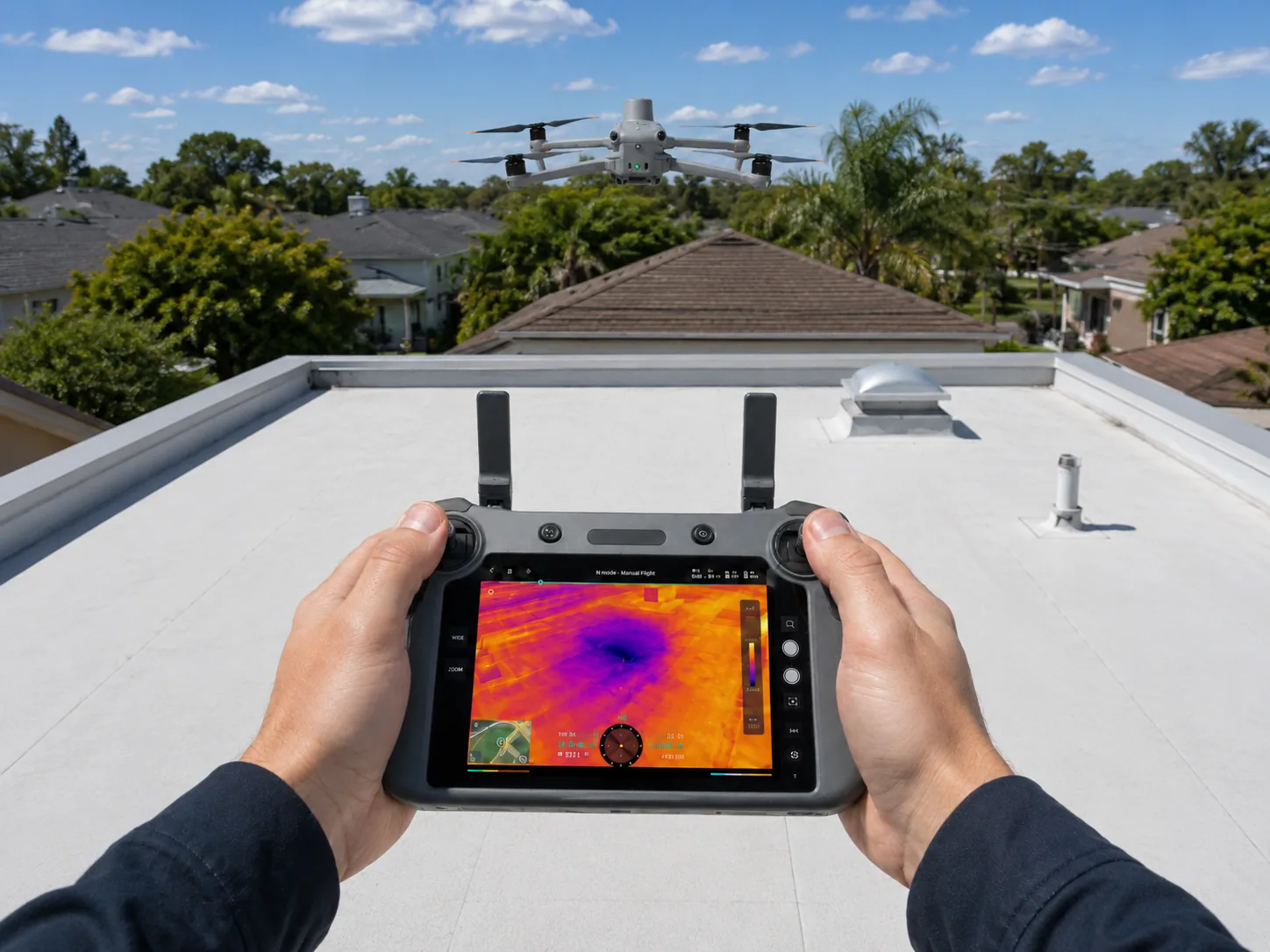
Where a limited investigation cannot establish moisture extent, an infrared moisture survey may help evaluate a suitable roof assembly. Its findings need interpretation and confirmation; a thermal pattern alone does not define every layer to remove. We explain which decision the additional information supports. A replacement of affected insulation and cover board should be connected to the new membrane and surrounding retained roof with transitions that can be completed during the approved work period.
Curbs, drains and edge work have separate joints
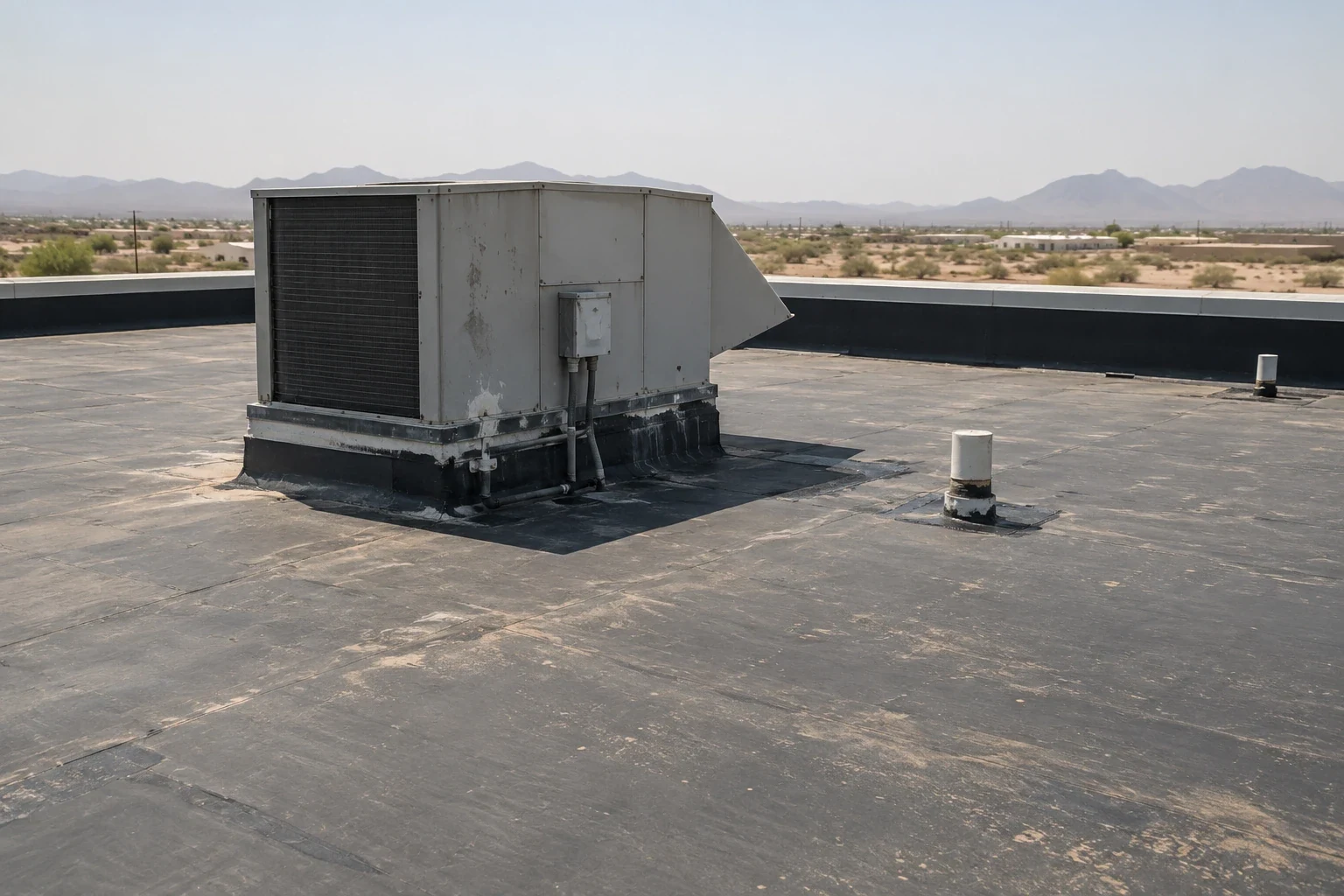
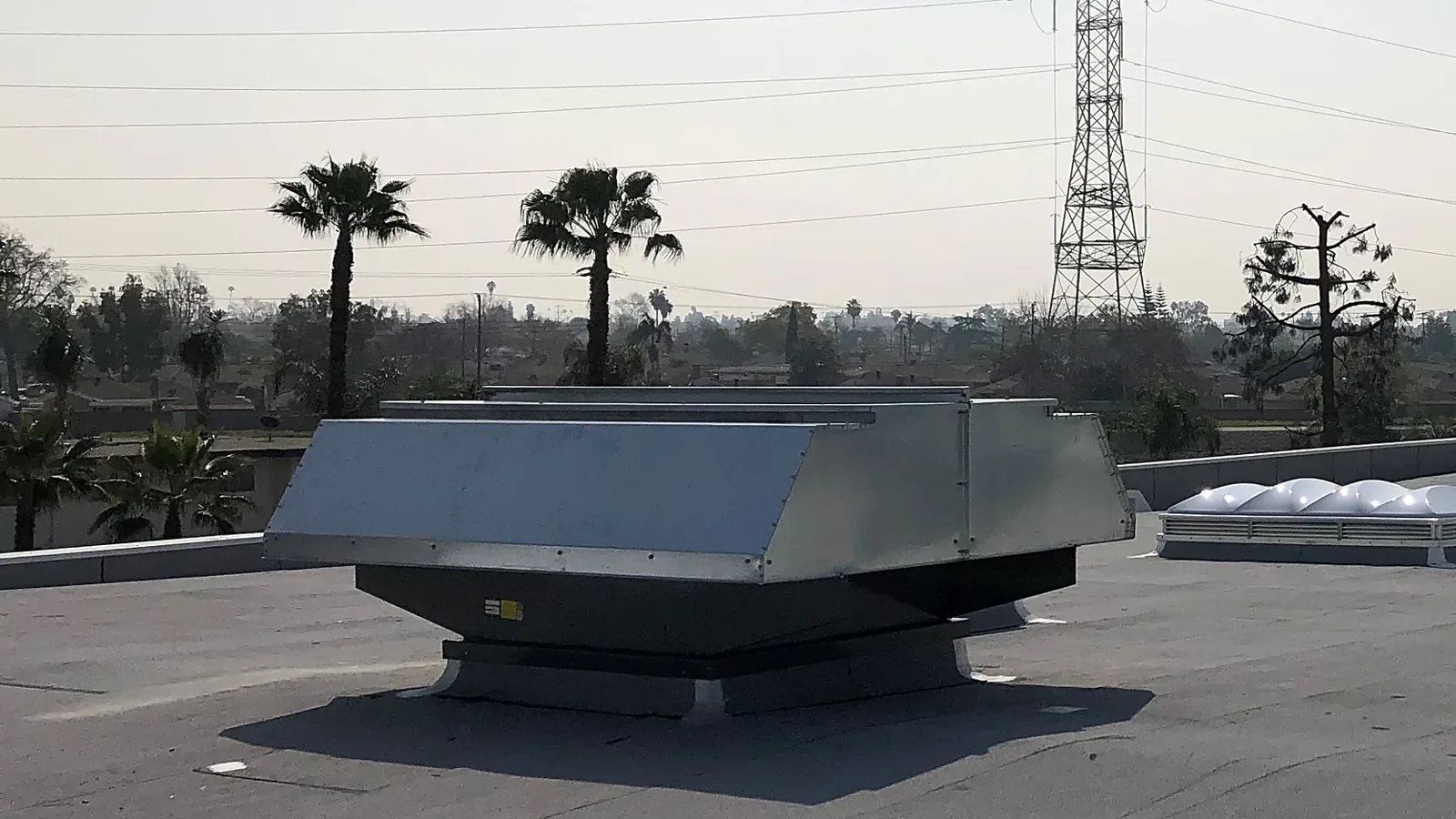
At a curb, we inspect the membrane flashing, curb surface and upper termination. If the equipment base moves or needs alteration, the equipment representative may need to prepare it before a permanent roof connection can be installed. At a drain, we distinguish membrane damage from the outlet or piping task. At the perimeter, loose edge metal may require fastening and adjoining roof work. We describe the detail and any separate component operation so the roofing repair can finish against construction that is ready to receive it.
For repair around rooftop equipment curbs, we identify the flashing replaced and any related base work still needed. Where several details fail in an area, we assess them individually before proposing a larger repair field. This helps the owner see whether a contained correction finishes the reported defect or leaves nearby construction requiring its own scope. The work amount and sequence should follow those examined joints, not an undifferentiated roof-area estimate.
Access and work periods follow the repair
A small detail repair and removal of several roof layers need different staging and closure. We plan material, access and opening limits around the construction proposed. Where occupied rooms are below the work, the building contact supplies applicable preparation directions. We explain where removal can create exposure and the condition that will be left at the stopping point if another task or finding interrupts the repair. A temporary tie-in is its own operation, with a clear limit and permanent work identified for the return.
A building near the Scottsdale Airport and Airpark still needs a specific roof entry and material route confirmed by its representative. The assigned property representative supplies access instructions. For broader renewal above occupants, the occupied-building work plan can address material movement and preparation through the actual construction stage. A focused repair should state what the owner must arrange and when the repaired connection can be inspected.
The approved repair boundary
We review the prepared area and completed connection before leaving. Photographs show the corrected detail and enough surrounding roof to find it again. If the opening revealed damage beyond the authorized boundary, the owner receives the location and added construction needed for separate approval. We identify any component task or further examination still pending. A completed local repair should be distinguishable from an unresolved water report elsewhere on the same roof.
The work record can note the material repaired, layers replaced, transition completed and any temporary protection removed or left in place. Where a new roof observation appears later, that record helps the next examination compare it with the earlier repair. We explain the condition received by the building contact and the next useful step, if one remains. The owner can then decide whether to authorize adjacent repair or monitor a separate finding without treating one completed connection as proof that the whole roof has been corrected.
Commercial Roofing Questions
How do you decide where the repair ends?
The visible defect and sound material available for a finished connection guide the boundary. If removal reveals damaged layers beyond it, we document the finding and explain the added work before expanding the authorized area.
Can a patch repair a separated seam?
A patch may be suitable if the adjoining membrane can receive a compatible connection. We examine the seam and preparation area, then describe whether reconstruction needs more than a surface cover.
What happens when insulation is wet beneath the membrane?
We assess the exposed extent and identify the replacement and tie-in required. Where the concealed area remains uncertain, further investigation may be needed before the quantity is settled.
Does a curb leak always need equipment work?
No. We examine the membrane flashing and curb separately. If the equipment base moves or needs alteration, its representative may need to prepare it before permanent roofing can finish.
How is temporary protection described?
We identify the opening protected, the interim limit and the permanent repair that remains. That operation and any return work are clear in the scope.
Review the failed roof connection
Provide the building address, reported condition and an available contact. We can examine the affected construction and explain the repair boundary, access and any related work needed.
Call or Email
Helpful to have ready:
The property address and a building contact
Where water or damage shows up inside
The roof type and age, if you know them
Photos and any past roof reports