
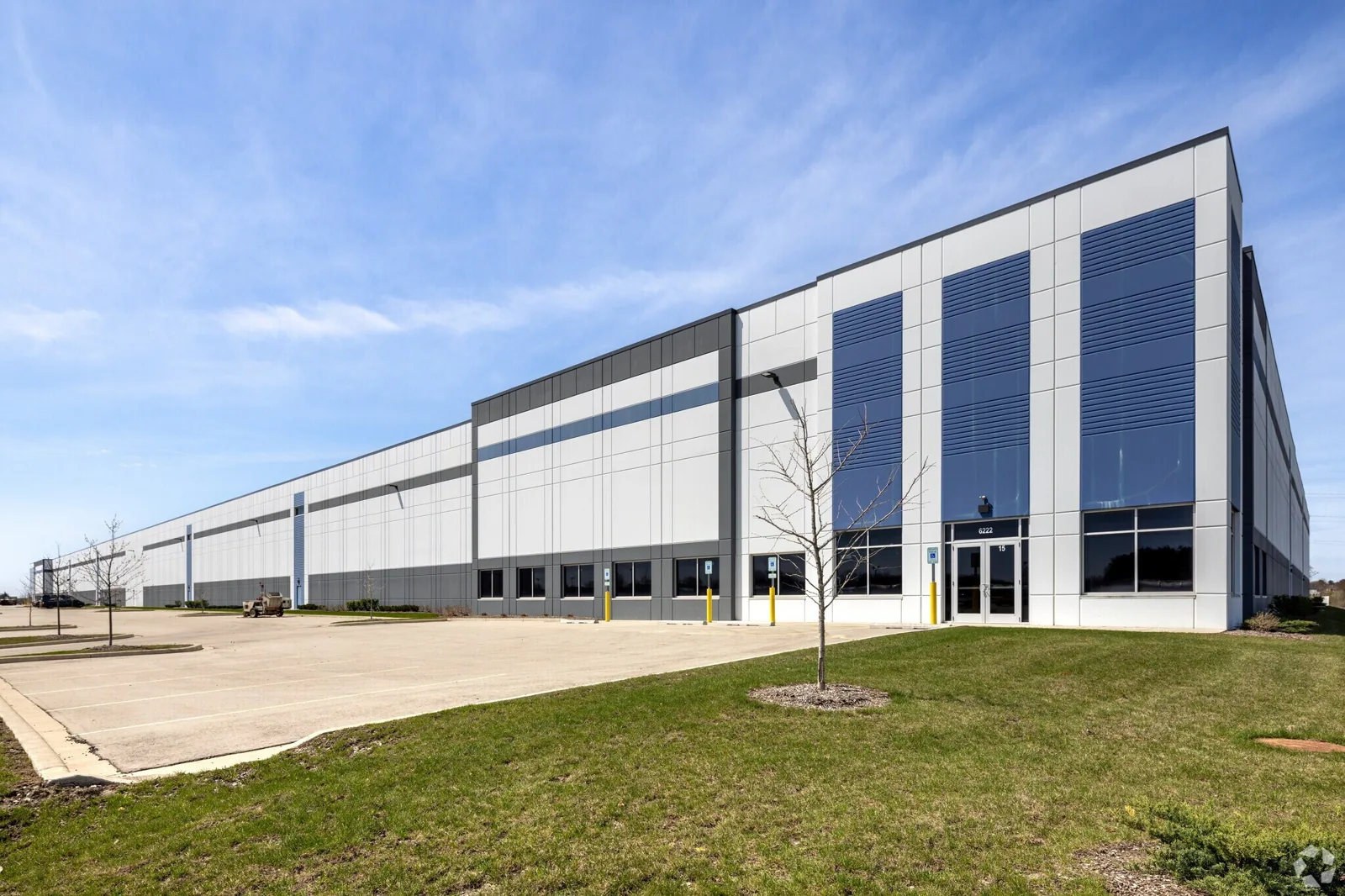
Distribution Center Roofing in Scottsdale, AZ
Home / Property Types We Roof / Distribution Center Roofing
Compare distribution center roof repair and renewal with drainage findings, delivery positions, phased access and clear approval decisions in Scottsdale, AZ.
A proposed delivery position can be the first scheduling decision for distribution center roofing in Scottsdale, AZ. Material needs a place to arrive and removed roofing needs a route out. We review those positions with the facility representative while examining the roof scope, so the manager can compare the work with the handling arrangements it requires. Establishing the route early also reveals whether a smaller roof stage would fit the available space better.
Scottsdale Airpark and Old Town Scottsdale are employment submarkets. For an assignment in either area, provide the particular property address and the contact who controls its access arrangement. A roof repair over warehouse storage and a distribution assignment can involve different movements beneath the same proposed opening. We ask about the actual areas involved rather than carrying a handling assumption from one property into another. The first visit should leave the manager with examined roofing findings and the specific decisions needed to prepare the next step.
Review delivery and disposal positions
Walk the proposed ground route with the representative. Identify the arrival position, material holding area, roof access point and removal route. Ask which facility movements conflict with those positions and when the required space can be available. Roofing must account for the time needed to unload, move and remove material as well as install it. A short installation allowance is not a complete work window when preparation and handling require longer.
Review the proposed stage above with the area below. Ask where equipment or stored property requires clearing or protection and who will arrange it. When the agreed access changes, reconsider the stage rather than squeezing the same removal into a reduced window. The arrangements for roof renewal over active distribution areas should identify the preparation, confirmation contact and method of reporting a change. That gives both the manager and the roofing crew a clear way to determine whether the opening is ready.
Examine the drainage route
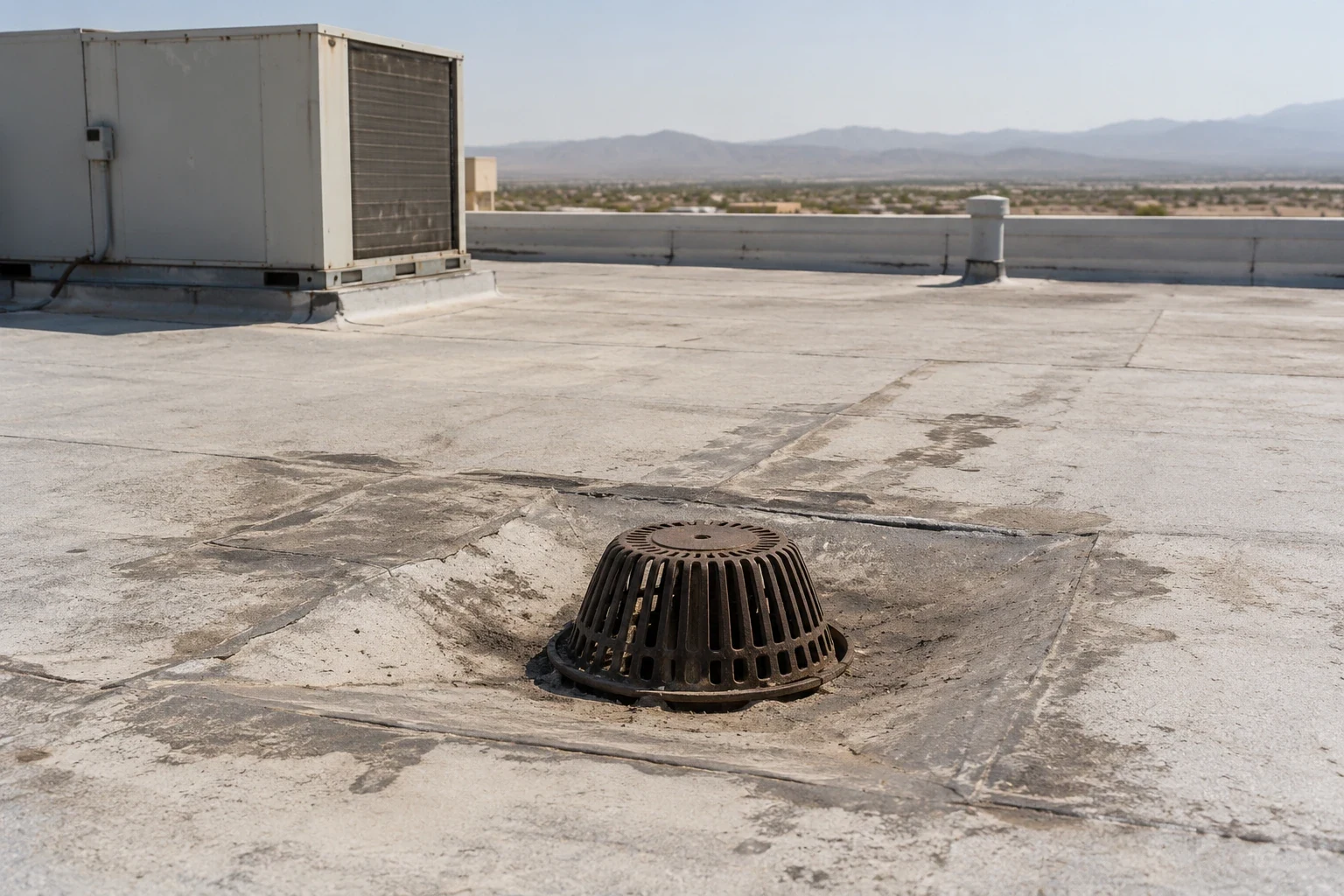
For a reported standing-water concern, inspect the roof path leading toward the outlet and the construction immediately around it. Record the condition observed at the visit and ask about prior photographs or reports. Determine whether the concern involves obstructed flow, the outlet connection, the surrounding roof construction or another component. Those findings establish which work needs pricing and whether further examination is necessary.
A roof drain or scupper repair must address the examined detail. If piping, support or an adjoining wall needs work, identify its responsible contractor and the condition roofing requires for a sound connection. A roof-side patch will not complete an unresolved plumbing task. Explain the boundary in the proposed scope, including preparation around the opening. The manager should be able to distinguish the roofing work ready for approval from the adjoining task that still needs an assigned party.
Separate local damage from wider deterioration
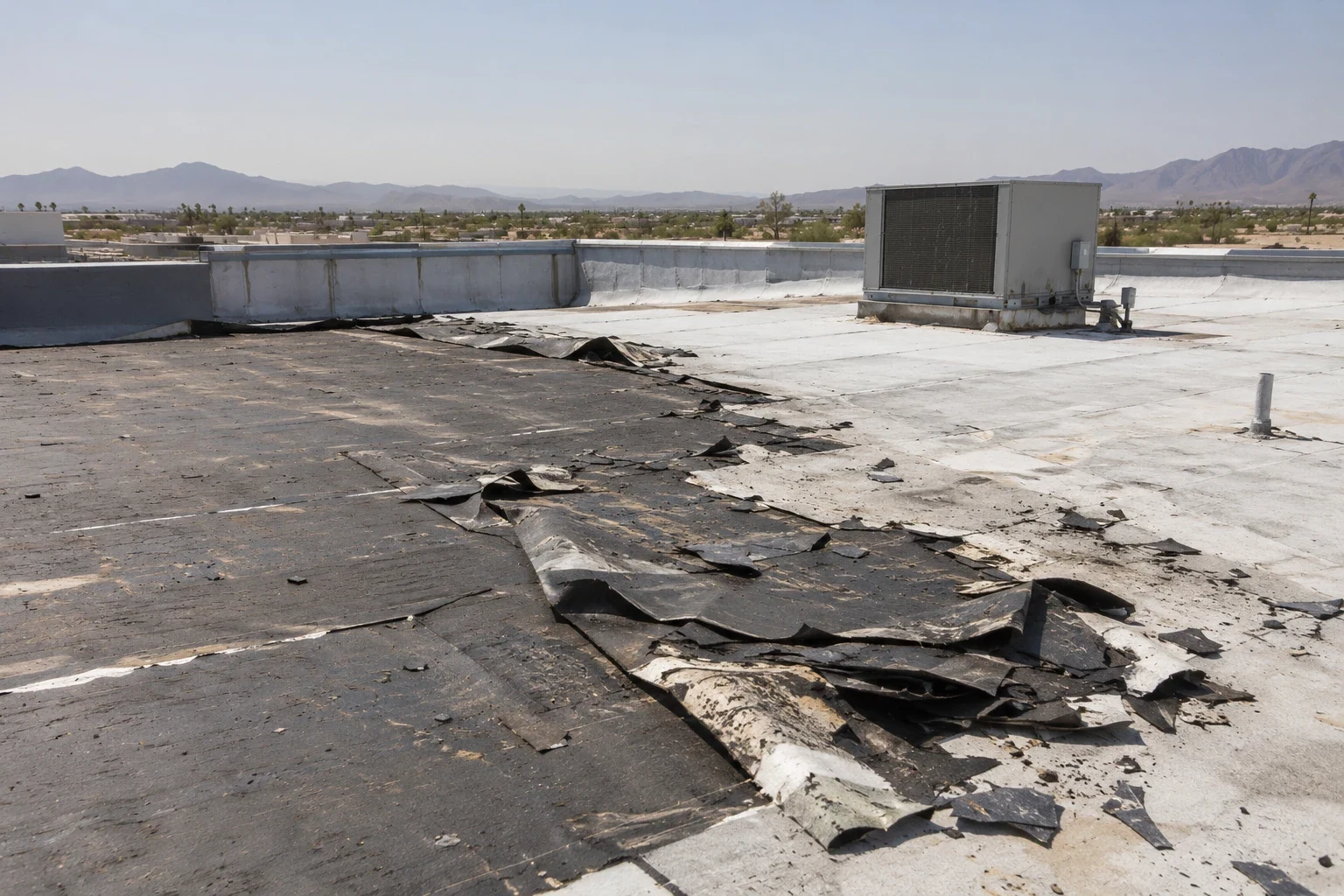
Inspect seams, membrane surfaces, perimeter details and equipment penetrations around the reported problem. Check how the proposed repair will join sound existing material. A torn surface or detached edge needs sufficient exposure to examine the material and backing that will receive the new work. If that preparation reveals a wider defect, record it and review the additional scope before proceeding beyond the authorization.
For an examined PVC roof repair, verify the existing membrane and compatible detail before selecting the method. Other assemblies require their own preparation and attachment review. The amount of work depends on those findings rather than the name of the building. Where repeated repairs or wider deterioration raise a renewal question, explain the remaining conditions and what investigation would support that comparison. The manager needs a reasoned choice between a defined local repair and a larger roofing decision, with the unresolved information clearly identified.
Settle adjoining work before the date
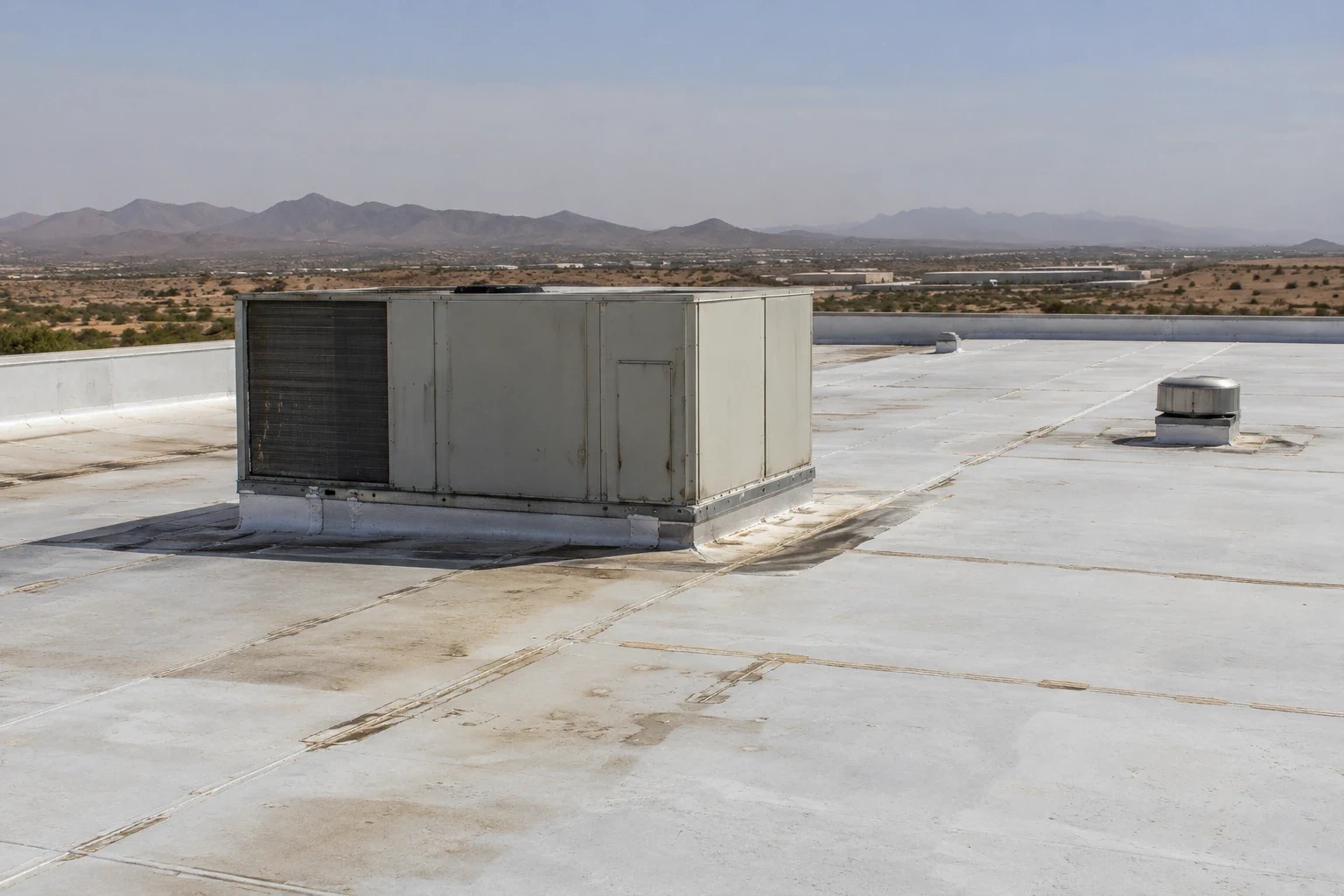
Review curbs, pipes, supports and wall connections included in the proposed stage. Ask whether equipment is due to be removed, changed or reconnected. Identify the person responsible for that task and the condition required before flashing can be completed. Roofing material should not be ordered around an equipment position that the responsible party has yet to confirm.
An assignment that includes roof work above cold storage needs the facility's directions for the affected environment and property. Ask about intake, dust, odor, noise and interior preparation concerns relevant to the actual method. We describe the roofing operation and adjust its stage to the approved arrangement. Record the dependency on another contractor or a facility preparation so the manager can arrange it before the start. If the sequence changes, review the interim closure and the date implications with the same approval contact.
Price a complete replacement stage
A replacement comparison should include existing layer investigation, removal, insulation and cover board needs, attachment and the perimeter or wall connections that finish the stage. Review the area below each proposed phase alongside those roof details. The distribution building roof replacement scope should make the preparation and material handling requirements visible to the manager, not leave them to be discovered during removal.
Compare a larger prepared area with smaller successive phases. Smaller stages may fit the available access, but each needs a workable boundary and a way to connect later construction. Explain the temporary protection and repeated handling involved. Confirm material availability before treating the preferred window as achievable. If investigation changes the assembly or repair extent, provide a written description of the finding and revised work. The approval decision should address the resulting amount and timing together, because a material change can also alter how long the prepared area is needed.
Verify the roof and restore the arrangement
Inspect completed seams, flashing terminations and the outlet paths affected by the work. Account for temporary materials and unfinished adjoining tasks. Review removal of roofing debris and the agreed handling positions before releasing those areas back to the facility representative. The completion walk should make clear which roof boundary is finished and whether another task remains.
Keep the authorized scope, changes and useful photographs with the work record. State the next agreed inspection or observation for an unresolved condition. When arranging a local appointment in the Scottsdale Airpark area, confirm the property entrance and meeting contact. A clear closeout gives the manager a practical account of the roof work and its remaining decision, while the completed handling arrangement allows the facility to plan its own next use of the space.
Before each phase, compare the roof drawing with the facility's active receiving, dispatch and pedestrian routes. Confirm when the chosen staging position is available and how the work boundary will be separated from moving loads below. If delivery timing changes, the manager should know whether material can be held safely or whether the roof stage must move. A completed phase needs a finished perimeter and a clear handoff to the next zone so a later mobilization does not depend on an undocumented temporary edge.
Commercial Roofing Questions
What can change the proposed delivery arrangement?
The available holding area, vehicle movements, roof access and disposal route all affect it. Review those positions with the facility representative before treating the work window as settled.
Is standing water always an outlet repair?
Examine the drainage path, outlet connection and surrounding roof construction. Price the work supported by those findings and identify any adjoining plumbing or support task.
How are equipment changes coordinated with flashing?
Identify the responsible party, confirmed component position and preparation required for the roof connection. Review that readiness before scheduling the flashing stage.
What helps compare replacement phases?
Compare each phase's roof boundary, preparation below, material route and interim protection. Include the later connection between stages and material availability in the timing discussion.

Plan the distribution roof decision
Provide the roof concern, actual property address and contact for the handling arrangement. We can review the investigation and the decisions needed to prepare an examined roofing stage.
Call or Email
Helpful to have ready:
The property address and a building contact
Where water or damage shows up inside
The roof type and age, if you know them
Photos and any past roof reports