Commercial Roof Inspection in Scottsdale, AZ
Home / Commercial Roofing Services / Commercial Roof Inspection
Commercial roof inspection in Scottsdale records accessible details, repair priorities and limits that affect the property owner’s next decision.
A roof inspection is useful when its observations lead to a decision the owner can act on. Commercial roof inspection in Scottsdale, AZ begins with the building, its reported concerns and the roof areas available to examine. We review accessible membrane, transitions, drains, edges and rooftop openings, then record the findings that support repair, further investigation or continued observation. A brief walkover cannot establish the condition of concealed layers, so we explain where the examination ends and what additional information would change the decision.
Scottsdale Airpark includes industrial, office and retail categories. For a property there, provide its address, roof access contact and any prior repair records. The submarket identity does not establish a particular building’s roof system or condition. We inspect the assigned roof and connect the findings to that property’s next maintenance or capital choice.
Inspection purpose and access
We ask whether the owner needs to understand a reported leak, review an aging detail, prepare for a repair or compare a larger renewal. Those questions help us focus the examination without assuming the answer. Available roof plans, product information, prior repair notes and interior observations can direct attention to particular areas. We note when a record describes a different roof section or does not match the material currently visible.
Access and safe working conditions determine what areas we can inspect. The building representative identifies roof entry and relevant site instructions. We explain which portions are reachable and how a restriction limits the findings. If a concern involves a specific curb or interior room, its location helps us compare the accessible exterior construction with the report. A useful inspection records those limits rather than treating an inaccessible area as if it had been examined.
Connected roof details
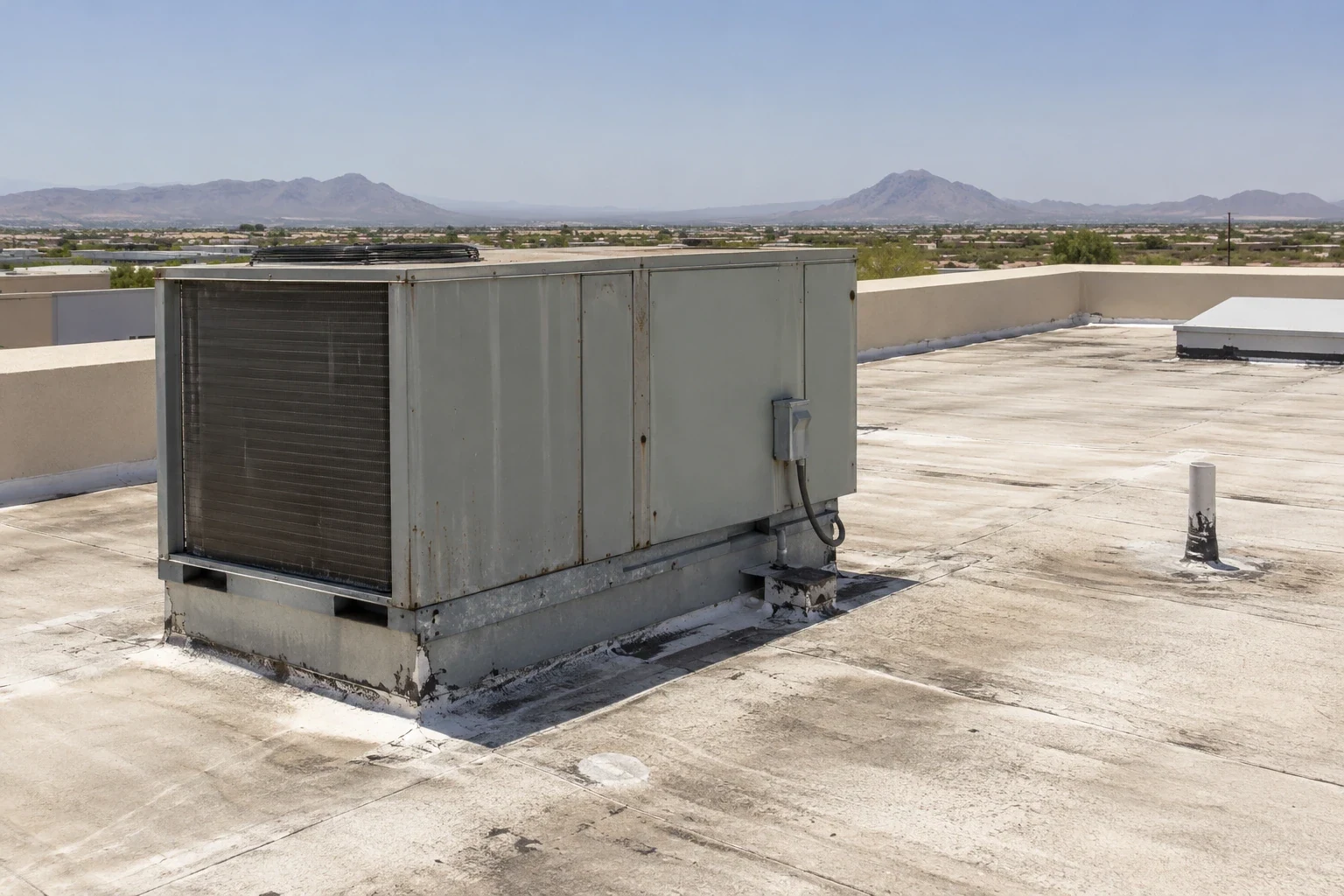
We inspect the field covering, seams, flashings, drainage paths, edges and penetrations for visible defects or changes. At a wall, the membrane transition, attachment and termination can fail differently. At a drain, we look at the bowl connection and surrounding roof material. Around a curb, we examine flashing and its receiving surface while noting equipment or support questions that may need another representative. The findings identify the detail requiring work rather than assigning a single condition to the entire roof.
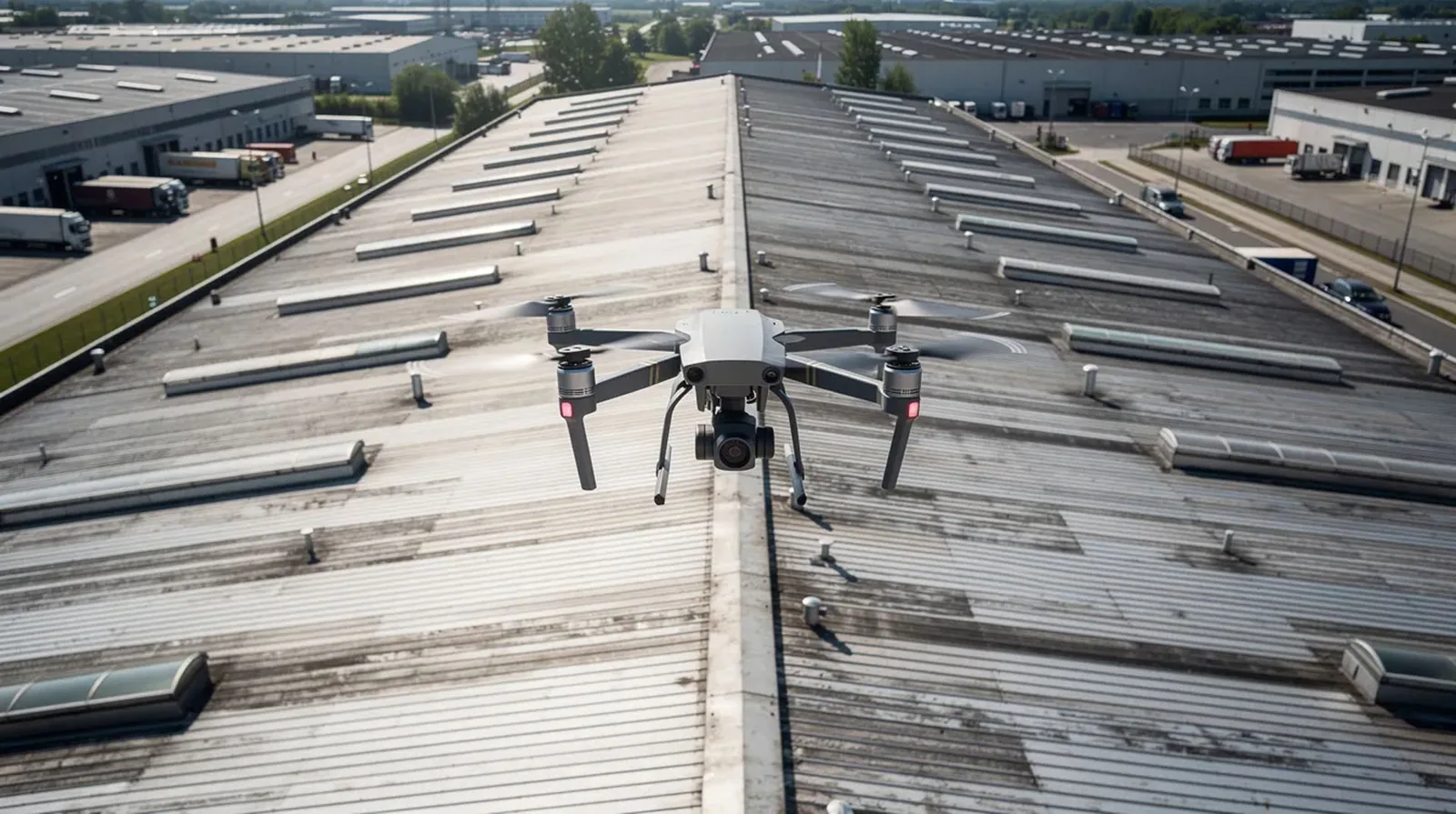
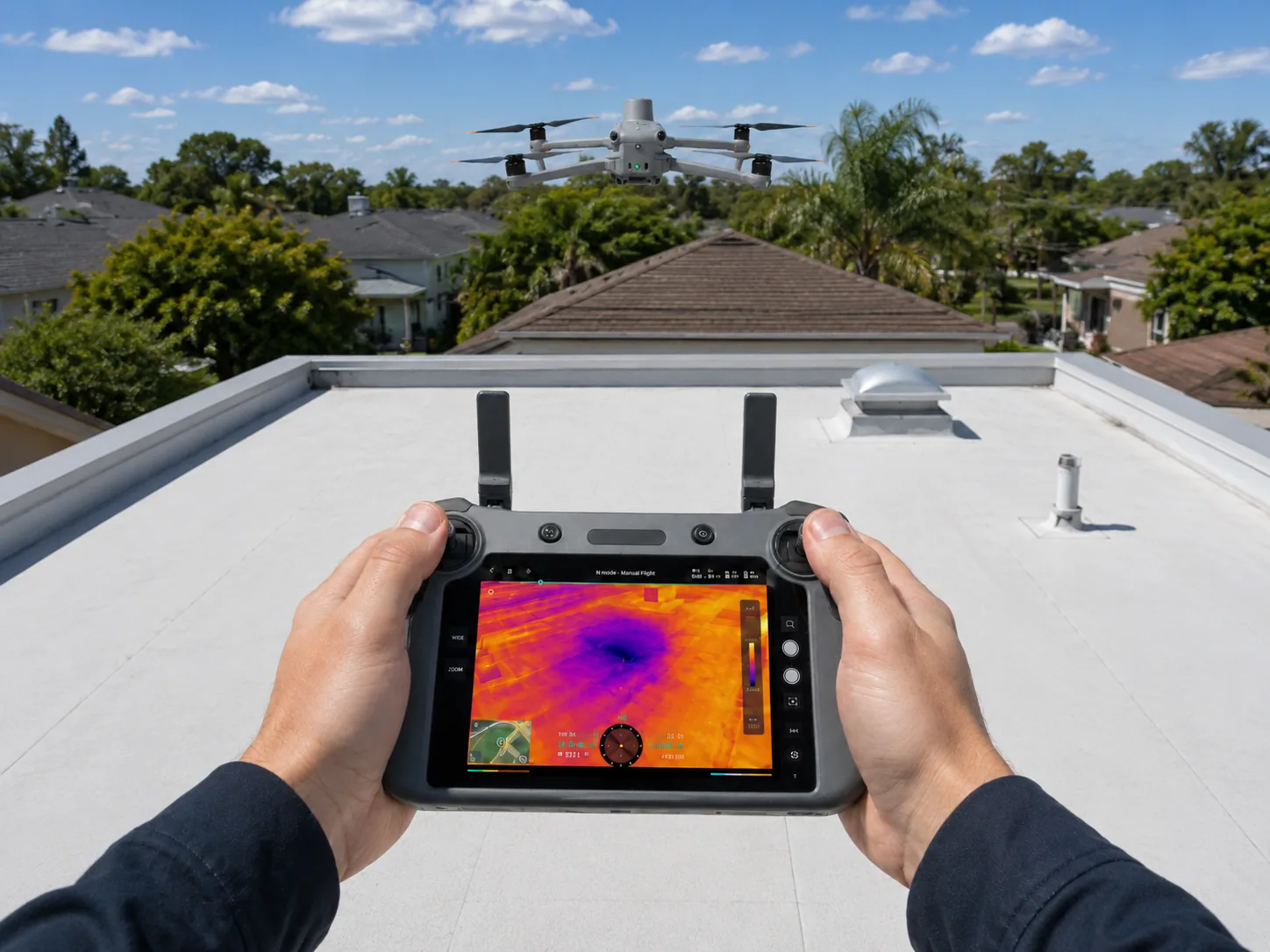
A drone roof inspection may help document roof areas where an aerial view contributes useful coverage. It does not replace close examination of a connection or reveal every concealed layer. Photographs need identifiable locations and explanatory notes so the owner can compare details rather than review uncaptioned images. Where an observation supports a specific repair, we describe the material correction and the boundary it can complete.
Reported symptoms and possible entry paths
Water visible inside may appear away from the point where it entered. We use the room’s position and when it became wet to choose which seams, drains and wall transitions to examine. The roof path may run sideways along insulation or deck before water becomes visible. If more than one path remains possible, we identify what the inspection supports and what needs a further opening or component examination. A roof observation and an equipment condensate concern should not be presented as the same finding.
For a reported roof leak, we locate the supported entry detail and explain the correction or next inquiry in the inspection record. Where concealed moisture could change the repair scope, an infrared moisture survey may assist under suitable conditions. The result needs interpretation and confirmation against the roof assembly. It is not a complete map of every layer that should be removed. We state the question that further testing can answer so the owner knows why it may affect the work.
Repairs by condition
A loose flashing termination is a different repair from widespread membrane wear or repeated drainage obstruction. We describe the observed condition, its location and the construction needed to correct it. If repair requires removal that may expose wet insulation, we explain how the boundary could change and when the owner would review additional work. A preliminary view should not turn uncertain quantities into fixed claims about the assembly.
A written roof condition report can keep photographs, locations and unresolved questions together. We distinguish a repair ready to scope from a concealed-layer issue requiring examination. The record can also show a connection that should be observed over time, with the basis for that recommendation stated. That gives a property manager a useful sequence without turning a general inspection into an unsupported claim about future roof performance.
The next roofing operation
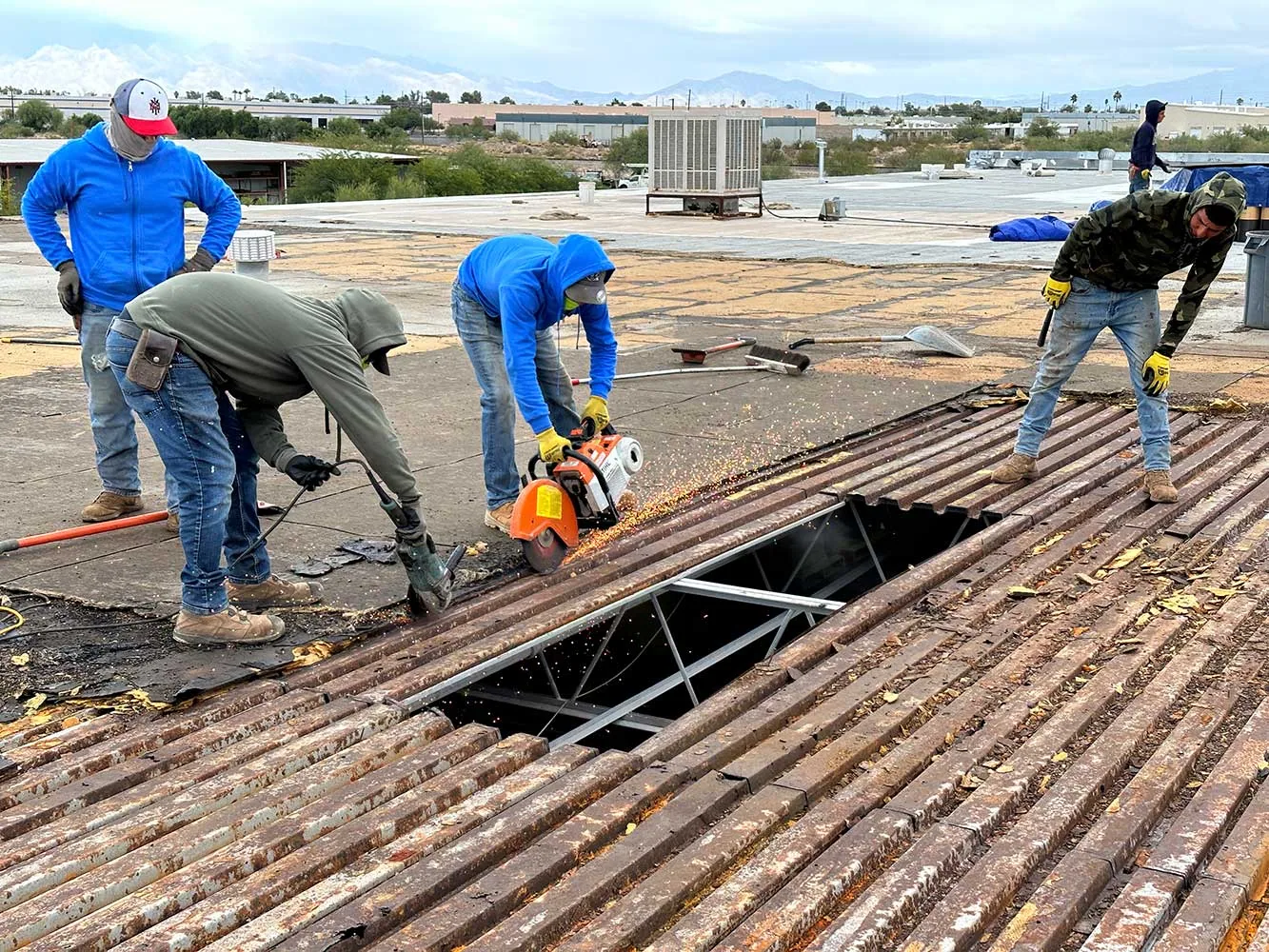
Some findings support a localized repair. Others require further examination before an owner chooses between recover and replacement. We explain the layers observed, details needing reconstruction and material conditions that remain unknown. If a controlled opening is warranted, we identify its purpose and closure. We show which decision depends on that answer and what the owner can reasonably compare now.
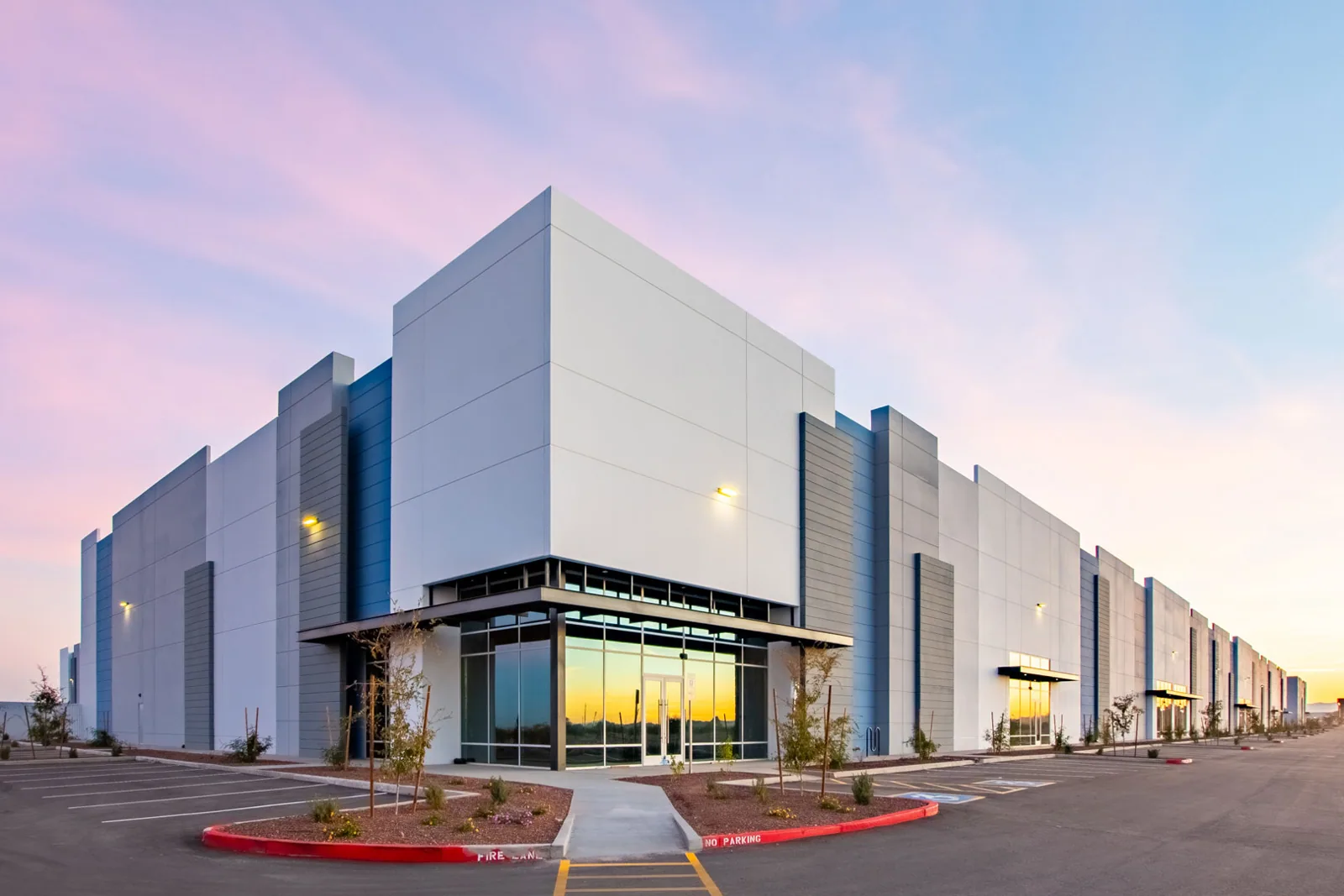
For a property in a warehouse setting, the owner may need to coordinate access and protection for the area beneath an investigation. The building type alone does not establish the roof’s material or stock below it. We focus on the examined construction and applicable directions supplied by the contact. A broader replacement evaluation should define the removal and rebuilt connections it considers, not simply extend the defect list to the entire building.
The inspection record
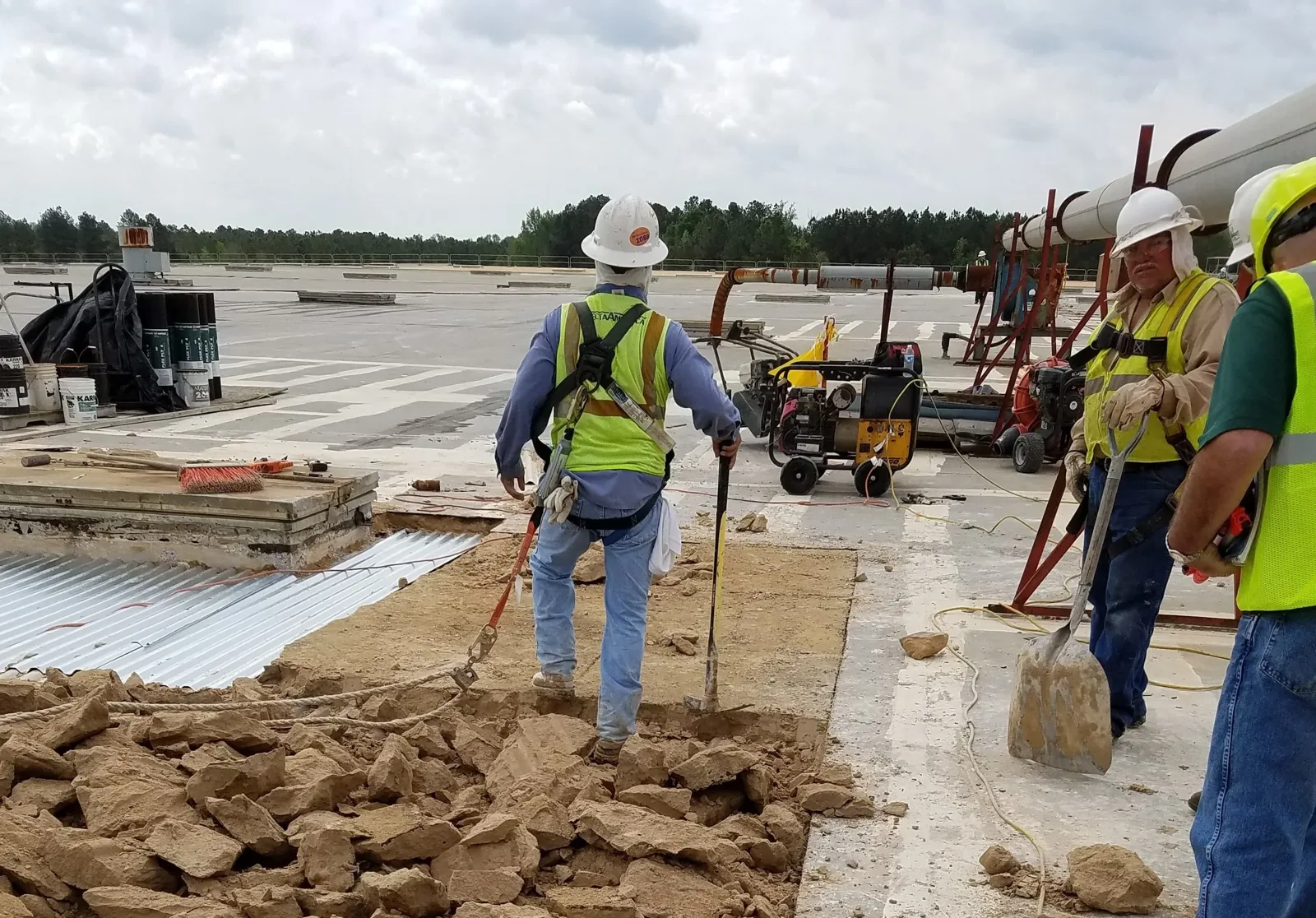
We record the observed detail, roof location, photographs and work it may require. The owner should be able to tell what we examined, what could not be reached and which findings need another trade or further testing. If a repair has been completed, its location and material correction can be compared with later reports. A new water symptom elsewhere should receive its own examination rather than being attributed automatically to an earlier defect.
For a building near Scottsdale Airport and Airpark, its own address and roof sections belong in the inspection record. We discuss the next useful repair, investigation or observation with the property contact and explain the access that operation needs. The record should support the owner’s next choice with clear observations and limits, while leaving unrelated component conditions identified for the right representative.
A useful inspection also states what was outside the agreed review. Locked roof areas, unsafe surfaces, equipment that blocks a detail and concealed layers can limit what a walkover confirms. We identify those limits beside the observations they affect, then separate an immediate repair from a condition that can be monitored or needs a test opening. The property manager can set the next work order using the location, urgency and access dependency for each item, rather than translating a list of photographs into an unpriced construction scope.
Commercial Roofing Questions
What does a commercial roof inspection establish?
It records accessible conditions and the observations that support a repair or further investigation. Concealed layers and inaccessible sections remain outside the inspection until examined.
Can an inspection identify where every leak begins?
Not always. Water can move along a roof layer before reaching the room. The room’s position guides which roof connections receive a closer look, with any unresolved path stated for follow-up.
When is a drone useful for roof inspection?
An aerial view can document areas or layout that are useful to review. It does not replace close inspection of seams, flashings or the layers beneath the membrane.
Does infrared testing define the repair boundary?
No. A thermal pattern needs interpretation and confirmation against the roof assembly. We explain whether an opening or other examination is needed to determine removal extent.
What should I receive after the visit?
The record should locate observations and photographs, identify areas not examined, explain relevant repair options and name questions requiring follow-up.
Arrange a commercial roof inspection
Provide the property address, inspection purpose, roof records and an available contact. We can examine accessible construction and explain the findings and next decisions.
Call or Email
Helpful to have ready:
The property address and a building contact
Where water or damage shows up inside
The roof type and age, if you know them
Photos and any past roof reports