Commercial EPDM Roofing Systems in Scottsdale, AZ
Home / Roof Systems / EPDM Roofing
Compare Scottsdale commercial EPDM roofing by existing assembly, roof exposure, drainage, attachment and current manufacturer requirements.
EPDM is a synthetic rubber membrane used on low-slope commercial roofs. A useful EPDM proposal starts with the building, the existing roof and the exact product system. Sheet construction, thickness, attachment, seam materials and flashing details vary by manufacturer. The material name alone does not confirm that a roof can be recovered or that a particular warranty is available.
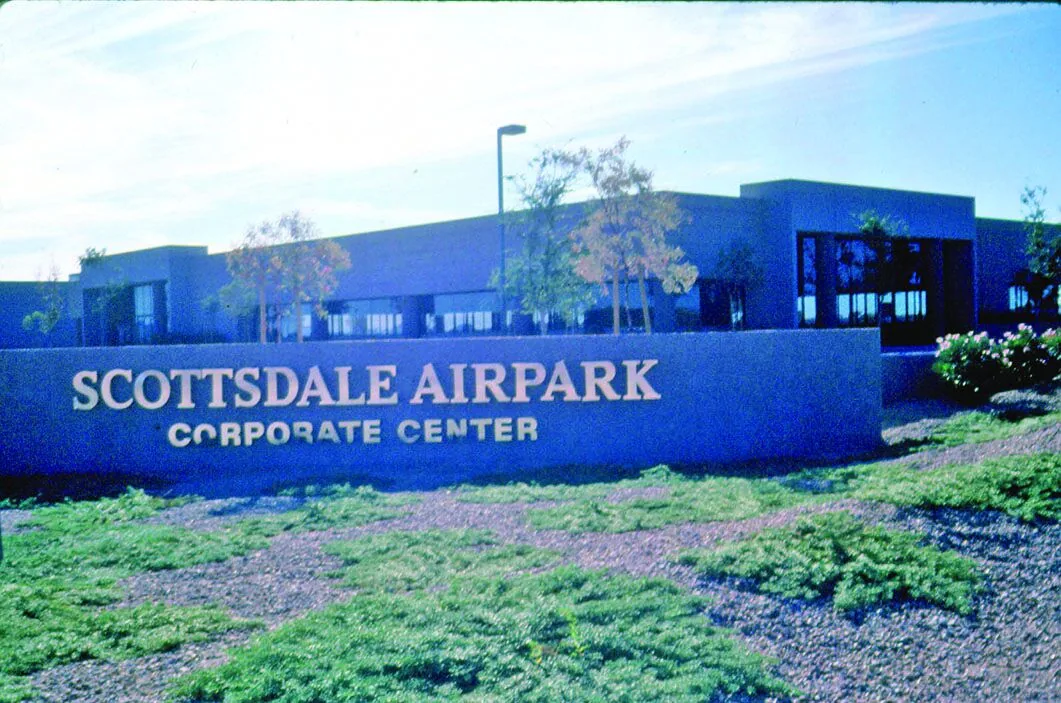
For a building near Scottsdale Airport and Airpark, we document the address, roof access, equipment, drainage and available project records. That neighborhood context does not tell us the roof deck, wind design or exposure at an individual property. Those decisions come from inspection, plans and the selected manufacturer’s current requirements.
Understand what the EPDM product includes
EPDM systems are not one uniform sheet specification. Manufacturers offer different membrane constructions and options, including reinforced products, fleece-backed products, colors, widths and thicknesses. For example, Carlisle describes its standard Sure-Seal as non-reinforced EPDM for named assembly types, while its Sure-Tough product uses internal reinforcement. Johns Manville publishes a separate reinforced EPDM membrane product. These examples describe specific product lines, not every EPDM membrane on the market.
Ask the bidder to list the manufacturer and product name, membrane thickness and construction, insulation and cover board, attachment method, approved adhesives or tapes, flashing accessories and edge metal. Confirm those items against current product data and project documents before comparing price. A different backing or reinforcement may affect how a sheet is detailed or which assembly is acceptable, so the material schedule should be clear before ordering.
Color is another product choice, not a complete energy estimate. Carlisle lists a cool-gray EPDM product and publishes product-specific solar reflectance data. A roof’s energy impact depends on the selected membrane, insulation, building use, HVAC operation and local conditions. Use current published values for the exact product and have the design team evaluate the whole assembly instead of treating one color as a promised utility savings.
Match attachment to the roof structure and design
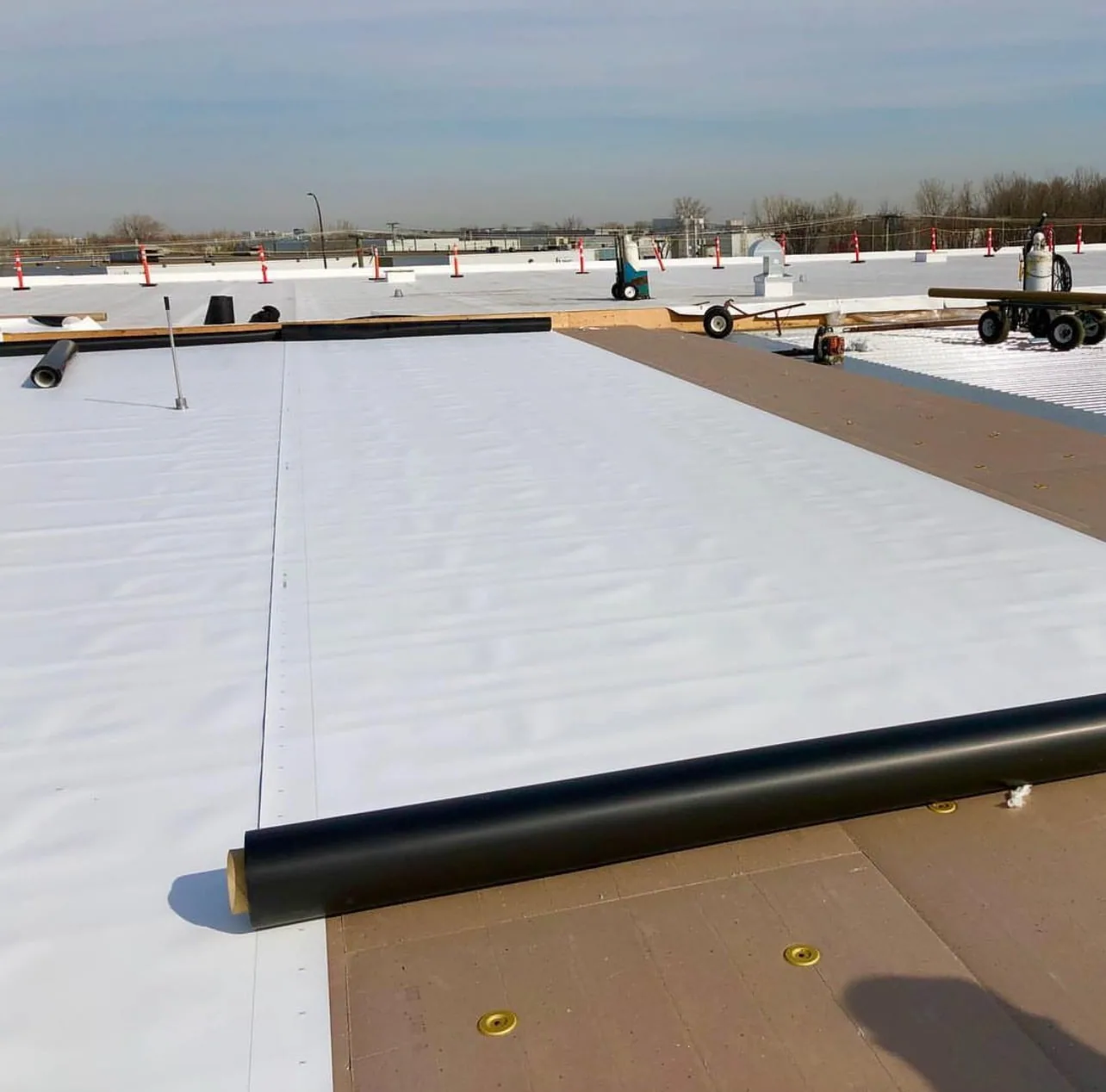
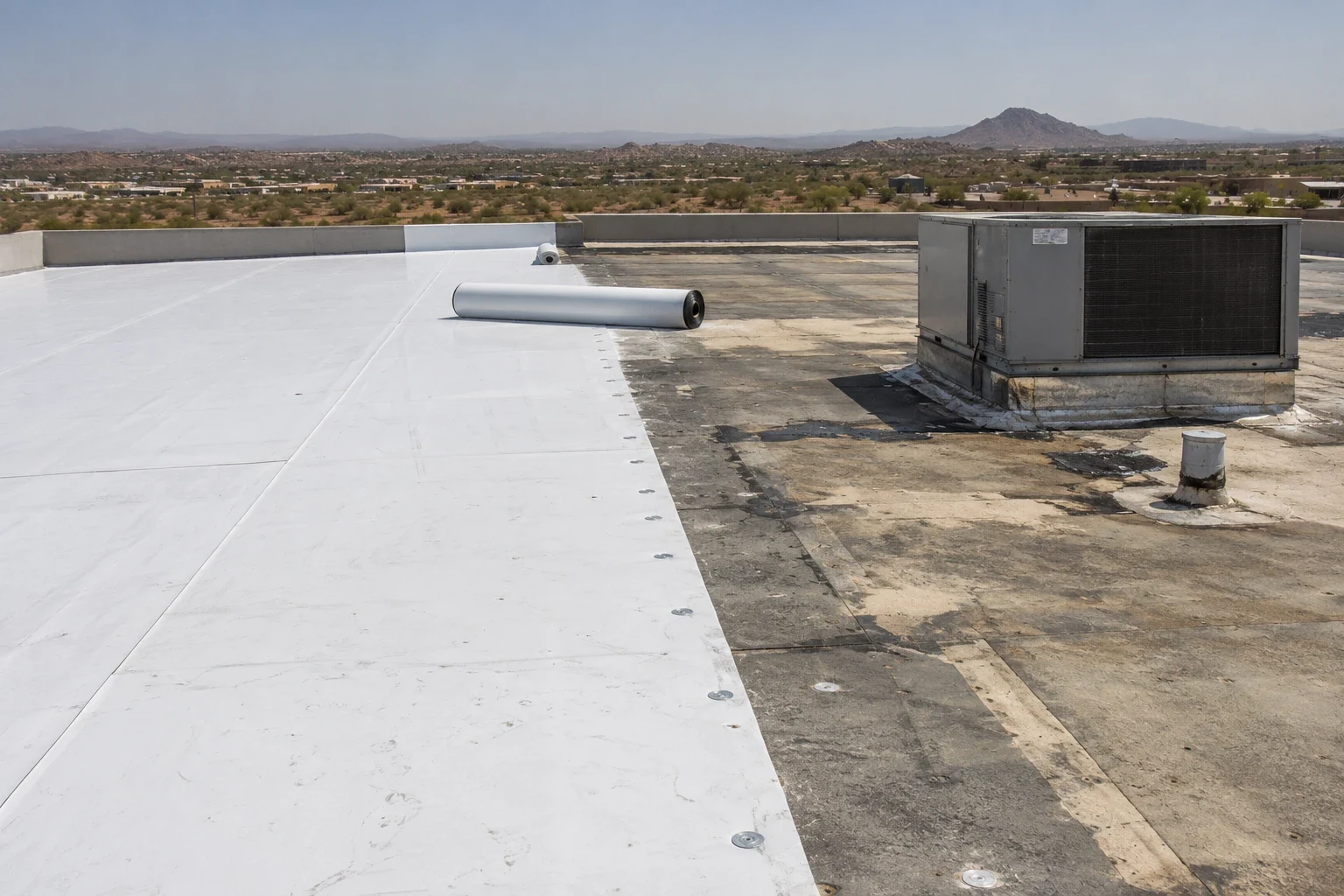
EPDM may be installed in fully adhered, mechanically attached or ballasted configurations when those options are offered and approved for the selected product. Each method has different substrate, fastening, perimeter and edge requirements. Roof height, deck type, building geometry and design loads affect the attachment schedule. Published system options do not by themselves establish that a specific assembly meets a project’s code or wind requirements.
We inspect the deck information, existing layers, insulation, cover board and perimeter conditions, then compare them with the project design. At corners, parapets, roof edges, curbs and changes in roof plane, additional securement and flashing details may be required. The manufacturer’s system guide and the project-specific drawings should identify the approved pattern and compatible components. If the roof deck or substrate is unknown, record that as an open item for verification before installation.
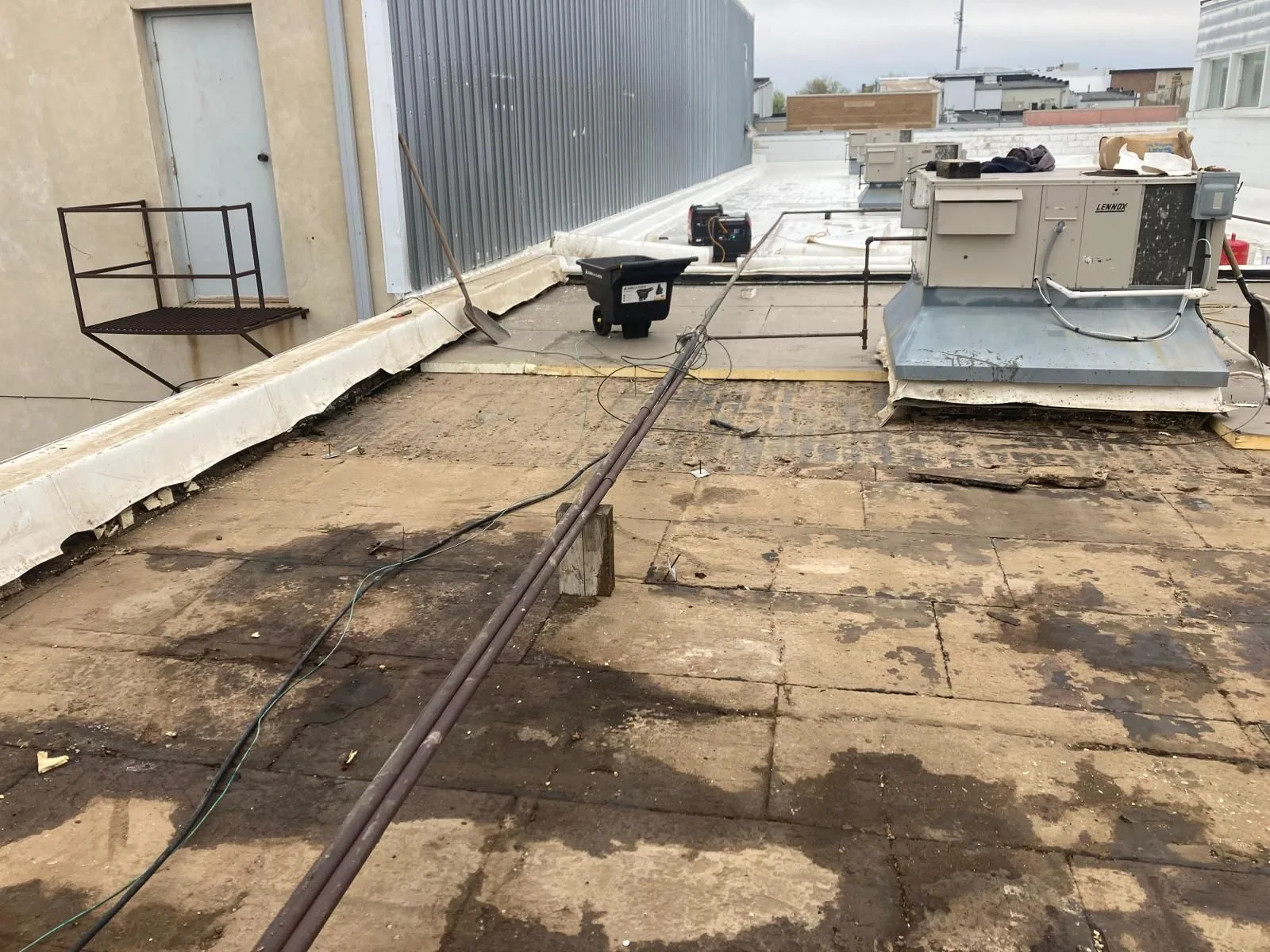
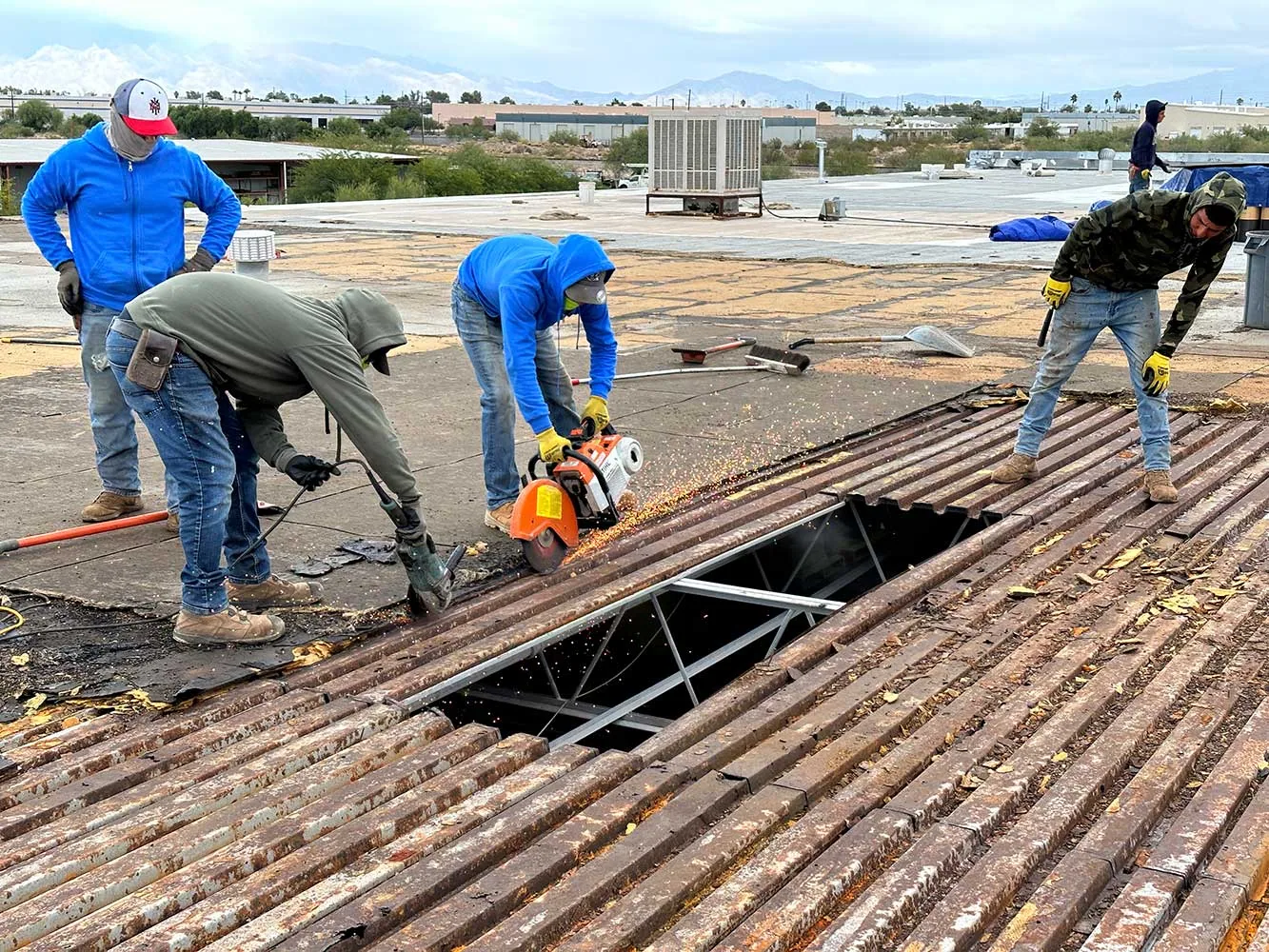
For an existing roof, look for wet insulation, soft deck areas, failed fasteners, trapped moisture, uneven transitions and signs of movement. A new membrane cannot correct a weak deck or remove moisture hidden below it. Where the inspection points to a separate insulation and cover-board scope, identify the layers and thicknesses so the new membrane height still works at drains, curbs and wall terminations.
Give seams, edges and penetrations their own inspection
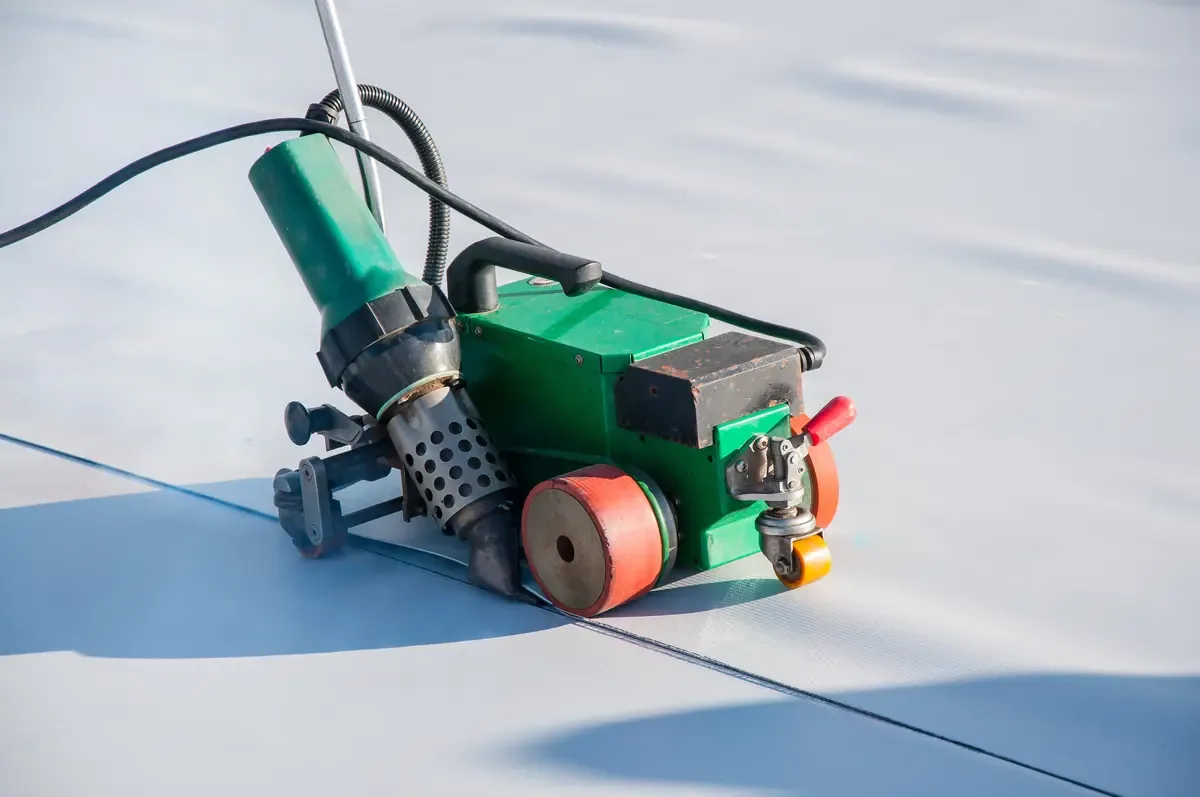
EPDM seams are made with approved primers, tapes or adhesives for the chosen manufacturer’s system. Preparation, lap dimensions, weather conditions and accessory compatibility matter. Follow the current application guide for the exact product; a generic description of EPDM seaming is not a substitute for its installation instructions. During closeout, record seam and flashing checks in the project documentation.
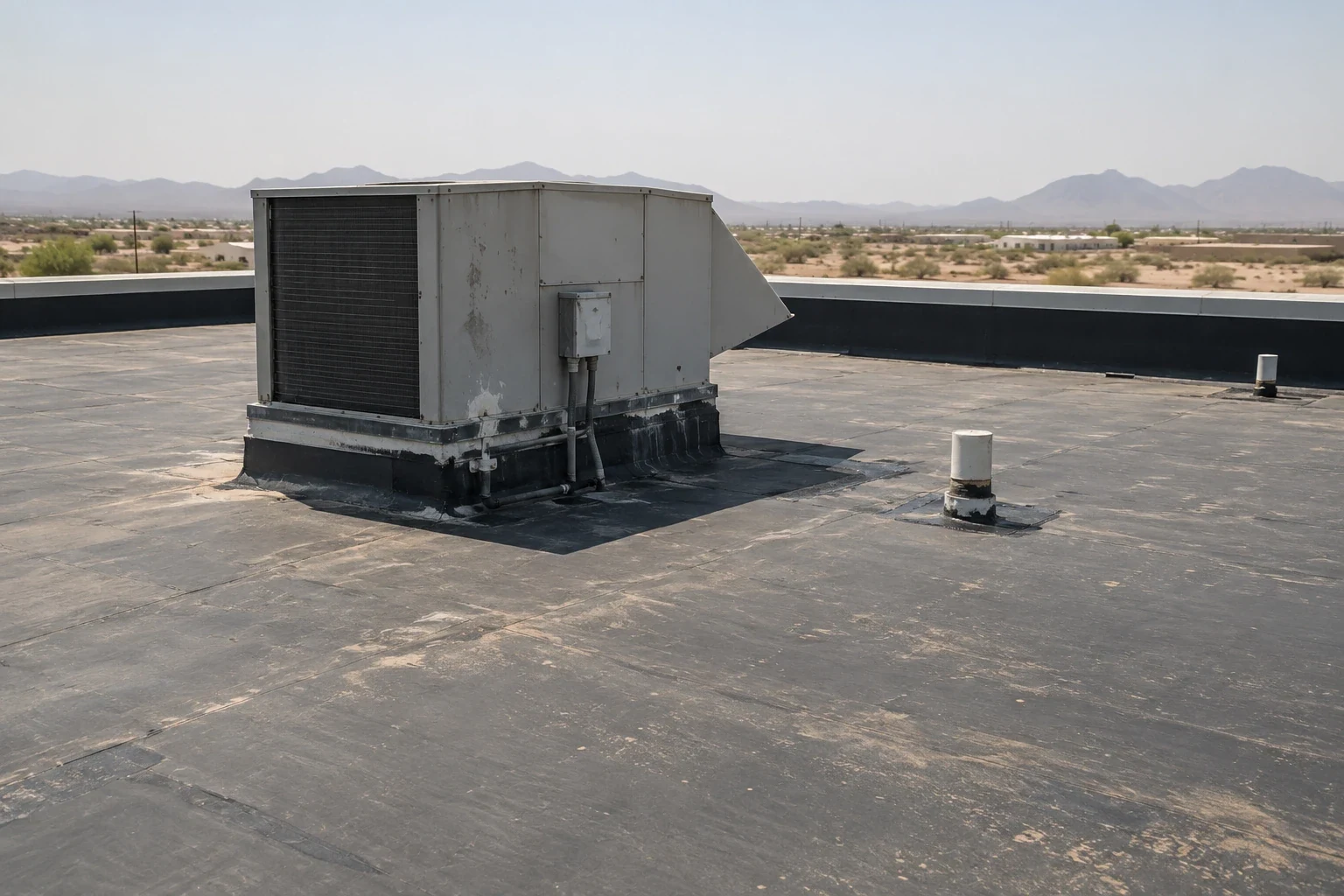
Transitions often need more attention than an open field. Inspect curb corners, pipes, rooftop equipment, skylights, expansion joints, parapets, drains, scuppers and metal flanges. Confirm that the membrane has suitable termination and that water can reach the outlets without ponding caused by debris or a poorly coordinated height change. Where a defect is localized, commercial roof drain and scupper work may need to be coordinated with membrane repairs.
Walkways and equipment routes also deserve planning. If service crews regularly cross the roof, identify traffic paths and compatible protection in the scope. Protecting the membrane at known access points can make future inspections easier, but pads or pavers must follow the selected system’s instructions and preserve drainage. Record equipment supports and rooftop changes so later trades do not cut or load the finished roof without review.
Compare EPDM with the actual project requirement
EPDM may be worth evaluating when the owner wants a flexible single-ply membrane system and the specified product and assembly fit the building. Compare it with TPO roofing and PVC roofing by reviewing the project’s performance criteria, membrane construction, color, seams, accessories, attachment and maintenance plan. No membrane family is the right choice for every roof.
Where grease, oils or process chemicals reach the roof, identify the source and exact exposure before selecting a membrane. Do not assume that EPDM, TPO or PVC products all share one chemical-resistance profile. Obtain current manufacturer guidance for the named product and documented exposure. Exhaust discharge, spills and cleaning practices may also need facility-side changes so the replacement roof is not exposed to the same unresolved condition.
If the roof is actively leaking, stabilize and investigate the affected area while the owner decides whether to repair, recover or replace. A commercial roof repair can address a verified localized defect; a recover assessment should establish whether the existing layers, attachment, deck, drainage and code constraints allow another assembly. If removal is likely, compare that scope with a full replacement assessment.
Prepare a Scottsdale EPDM roofing scope
Before pricing, gather the roof plan, building address, deck type, existing system records, past repair history, equipment layout and any project specifications. An inspection can document visible membrane condition, drains, edge details, penetrations, ponding indicators and access conditions. Concealed moisture or deck damage may need test cuts or other owner-approved investigation; a surface walk alone cannot confirm every hidden layer.
A clear proposal should identify the EPDM product, membrane construction and thickness, assembly method, insulation, cover board, perimeter and flashing work, drain coordination, rooftop protection, tear-off assumptions and closeout records. Separate known conditions from items that need destructive testing or design-team approval. Confirm warranty eligibility and any required manufacturer review in writing for the specified assembly; general product literature does not promise coverage for a particular project.
For occupied properties, plan access, staging, noise, temporary tie-ins and weather protection with the building contact. If an inspection or maintenance record is the immediate need, commercial roof inspection can establish a baseline. After work, preventive roof maintenance can document changing conditions and help the owner track drains, penetrations and rooftop activity over time.
Commercial Roofing Questions
What is EPDM roofing?
EPDM is a synthetic rubber roof membrane used in low-slope commercial systems. Products differ in construction, thickness, color, reinforcement, attachment options and approved accessories.
Can EPDM be installed over my existing roof?
Possibly, but only after checking moisture, attachment, deck condition, existing layers, roof height, drainage, code requirements and the approved system. Inspection findings may require removal instead.
Are EPDM seams heat-welded?
EPDM product systems commonly use manufacturer-approved seam tapes, primers or adhesives. The exact method and preparation must follow the current instructions for the selected product.
How do you estimate commercial EPDM roofing in Scottsdale?
We review the roof area, deck, existing assembly, drainage, penetrations, access, removal needs, selected EPDM product and project design requirements before preparing a written scope.
Request an EPDM roof assessment
Share the Scottsdale property address, roof plans and any existing roof records. We can inspect visible conditions and prepare a product-specific EPDM scope with open items clearly identified.
Call or Email
Helpful to have ready:
The property address and a building contact
Where water or damage shows up inside
The roof type and age, if you know them
Photos and any past roof reports