
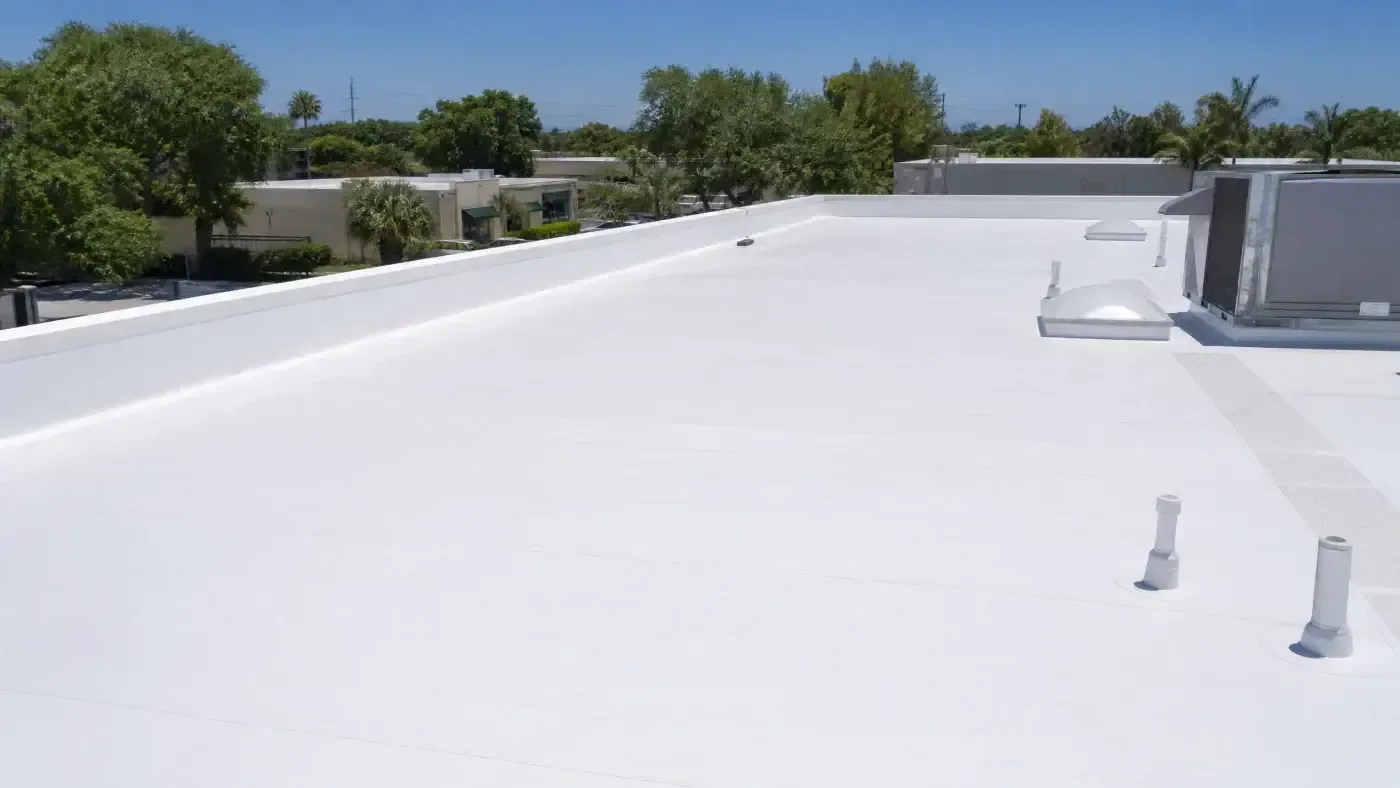
Preventive Roof Maintenance in Scottsdale, AZ
Home / Commercial Roofing Services / Preventive Roof Maintenance
Preventive roof maintenance in Scottsdale organizes roof walks, drainage and flashing findings, approved repairs and records around building operations.
Preventive roof maintenance works best when each visit answers a practical question: what changed, what needs attention and which work should be scheduled before the next decision point? We build a Scottsdale commercial roof maintenance plan from the roof records, reported leaks, previous repairs, equipment visits and access requirements supplied for the property. The plan turns observations into a prioritized list of cleaning, repair, monitoring or further investigation.
For an assigned property near Scottsdale Airport or in Scottsdale Airpark, we need the building address, roof contact and available assembly or warranty documents. A municipal business directory or economic-development submarket does not identify the individual roof or its requirements. The owner’s documents help us confirm what material is present, which contractor or service provider last worked on it, and any manufacturer-specific directions that should shape the visit.
The maintenance plan starts with building records
Before recommending recurring tasks, we review the current roof plan, prior inspection reports, repair tickets, leak calls, equipment work orders and the person authorized to approve changes. A roof with open repairs or uncertain construction needs a different first visit from a roof with a complete service history. Recent equipment moves, cabling or other roof-top work help focus the review on areas that may have changed.
We keep the service interval tied to the owner’s operating calendar, the roof’s observed condition, access windows and the applicable manufacturer instructions. The interval should be reviewed when the roof has active leaks, repeated drainage concerns, recent severe weather, new rooftop work or a changed use of the building. A recommendation for one assembly should not be presented as a universal warranty requirement. The owner should compare the actual warranty and system records; we can flag where the submitted documents are incomplete.
In a multi-building portfolio, each roof receives its own location, system description, open items and next review date. Property managers can then compare priorities without combining an unresolved leak at one property with an unrelated maintenance visit at another. A roof condition report can retain the roof-specific findings and outstanding approvals for the next budget discussion.
Each visit follows a defined roof route
Before roof access, the property contact confirms the entry route, escort or key procedure, active rooftop work, restricted areas and any conditions that affect the visit. We agree on what the inspection includes and how to report an urgent observation. A maintenance visit is not permission to enter every roof area, move equipment or open the assembly. If the authorized route excludes a section, the report identifies that gap.
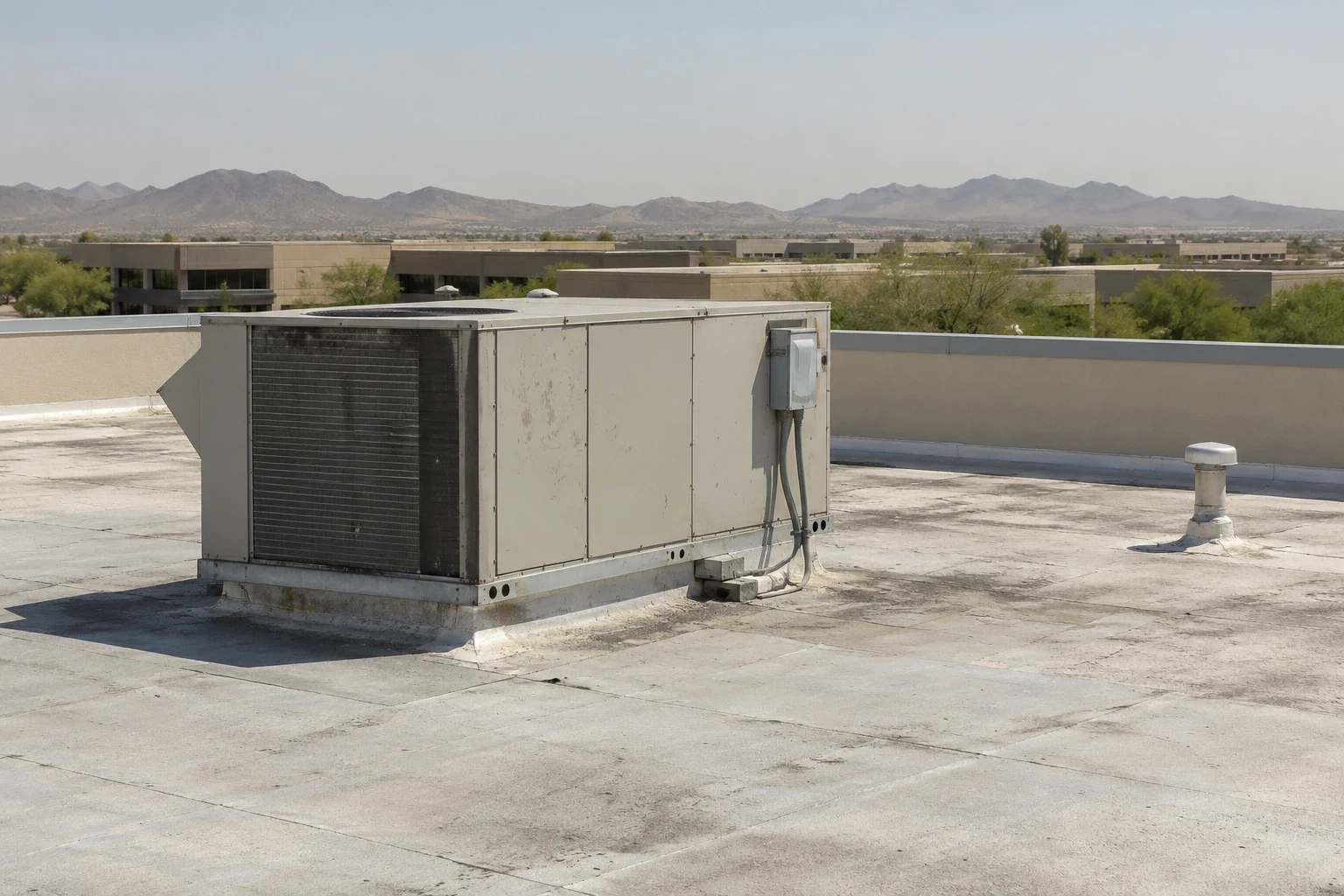
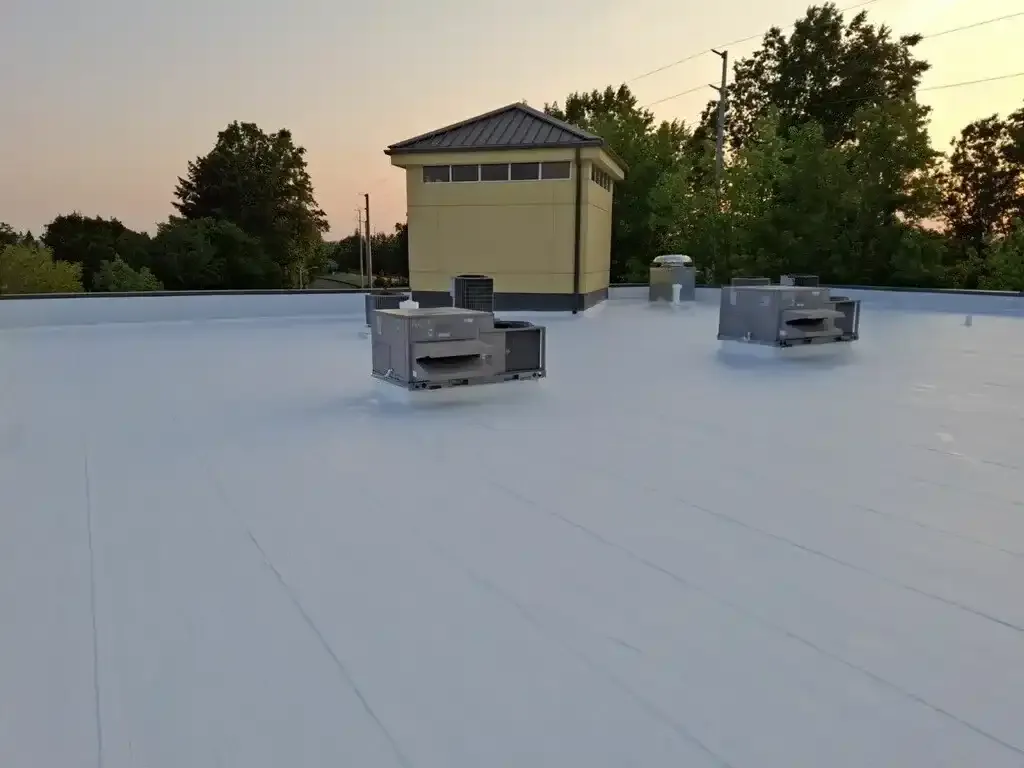
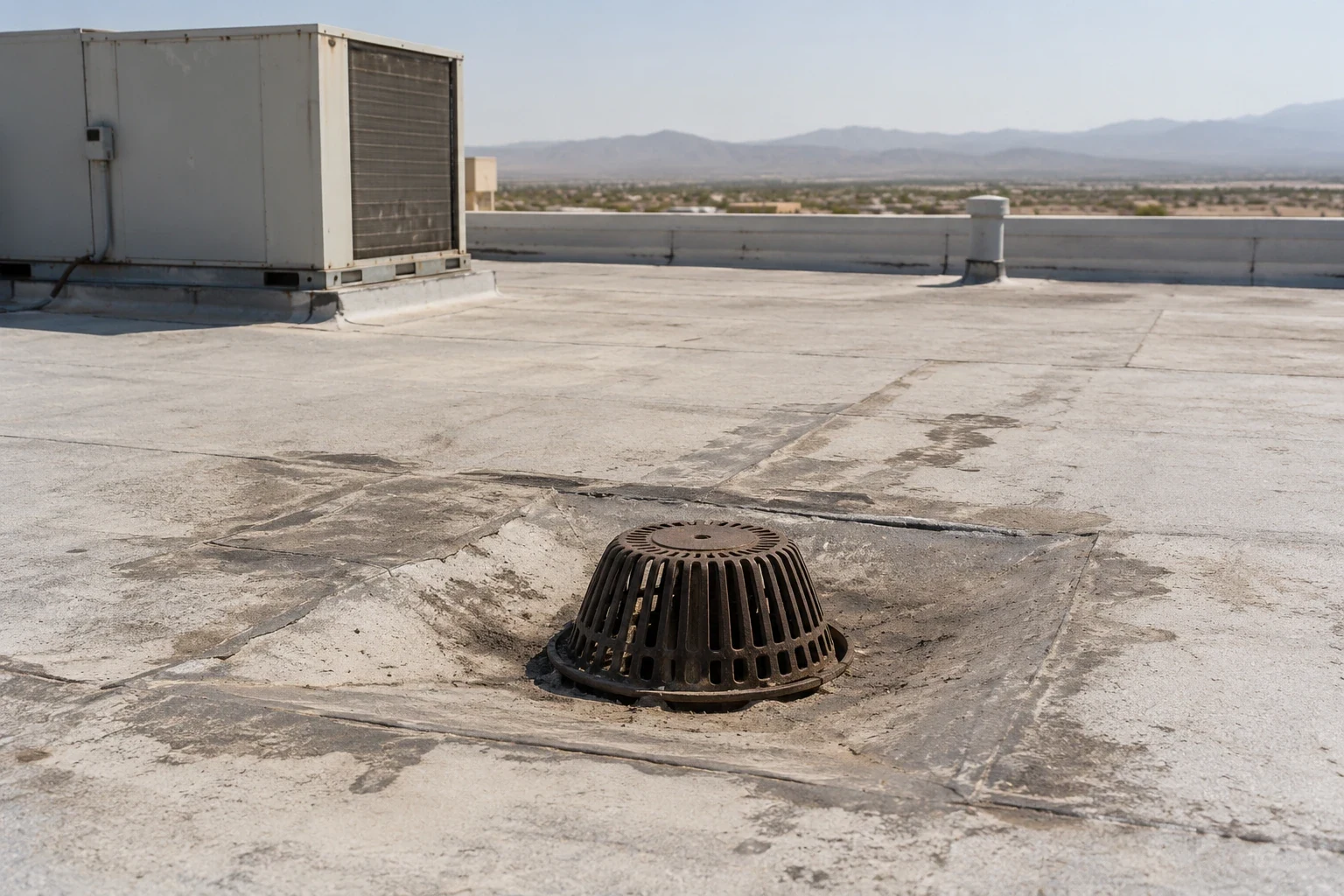
We follow a mapped or repeatable route across edges, field areas, drains, scuppers, curbs, penetrations, walk pads and equipment zones. We note debris near drainage points, loose or displaced components, visible wear or openings, damaged flashing and changes since the previous report. We document what we can see without disturbing a membrane or adjusting another trade’s equipment. If a surface needs specialist repair, we record its location and keep the proposed action distinct from the observation.
Where the owner has existing photos, repair marks or a prior service log, we compare them with the current visit. New conditions receive a dated location reference. Conditions that appear unchanged may remain on a monitoring list, with the comparison and any uncertainty stated. The decision to add work depends on the actual material and detail, not an assumption that every mark signals a leak.
Findings are separated by action
We group findings by the next action they need: housekeeping that the owner authorizes, a roofing repair proposal, coordination with another contractor, additional investigation, or continued observation. A blocked drain, for example, may require cleaning if the obstruction can be safely reached and removal is in scope. A damaged drain connection, standing water, or a leak that persists after cleaning raises a different question. The visit identifies which component appears involved and what additional examination is required before a repair boundary can be priced.
Flashings and equipment curbs need their own record because a loose termination, split sealant joint and damaged membrane are different conditions. If a mechanical contractor must move a unit or support, we identify the interface and ask the owner to coordinate that work before the roofing repair. A suspected seam failure should also be inspected against the installed membrane and its joining detail before selecting repair materials.
Each recommendation states the consequence of waiting only when the visible evidence supports it. We do not assign a remaining service life from a routine walk or describe a potential condition as an active leak without evidence. If the scope is uncertain, we identify the test, opening or specialist input that could resolve it, along with the approval needed to proceed.
Repairs fit around building operations
Small maintenance tasks still need a clear work boundary. The owner should know which drain, seam, flashing or roof area the crew will touch, how materials will reach it and whether occupants, deliveries or rooftop service calls affect the chosen period. If weather protection or access must be confirmed before work, we state the decision date and responsible contact. When another trade controls an affected unit, its movement and restart remain part of that coordination rather than an assumed roofing task.
Before repair, we compare the work area with the records and confirm whether the existing construction appears consistent with the proposed detail. If a hidden layer or supporting component could change the removal amount, we explain the uncertainty and seek approval for a defined investigation. Drain and scupper repair should restore the roof connection and identify any piping or interior work outside the roofing scope. Likewise, a future recover depends on records and field conditions that support the proposed retained assembly.
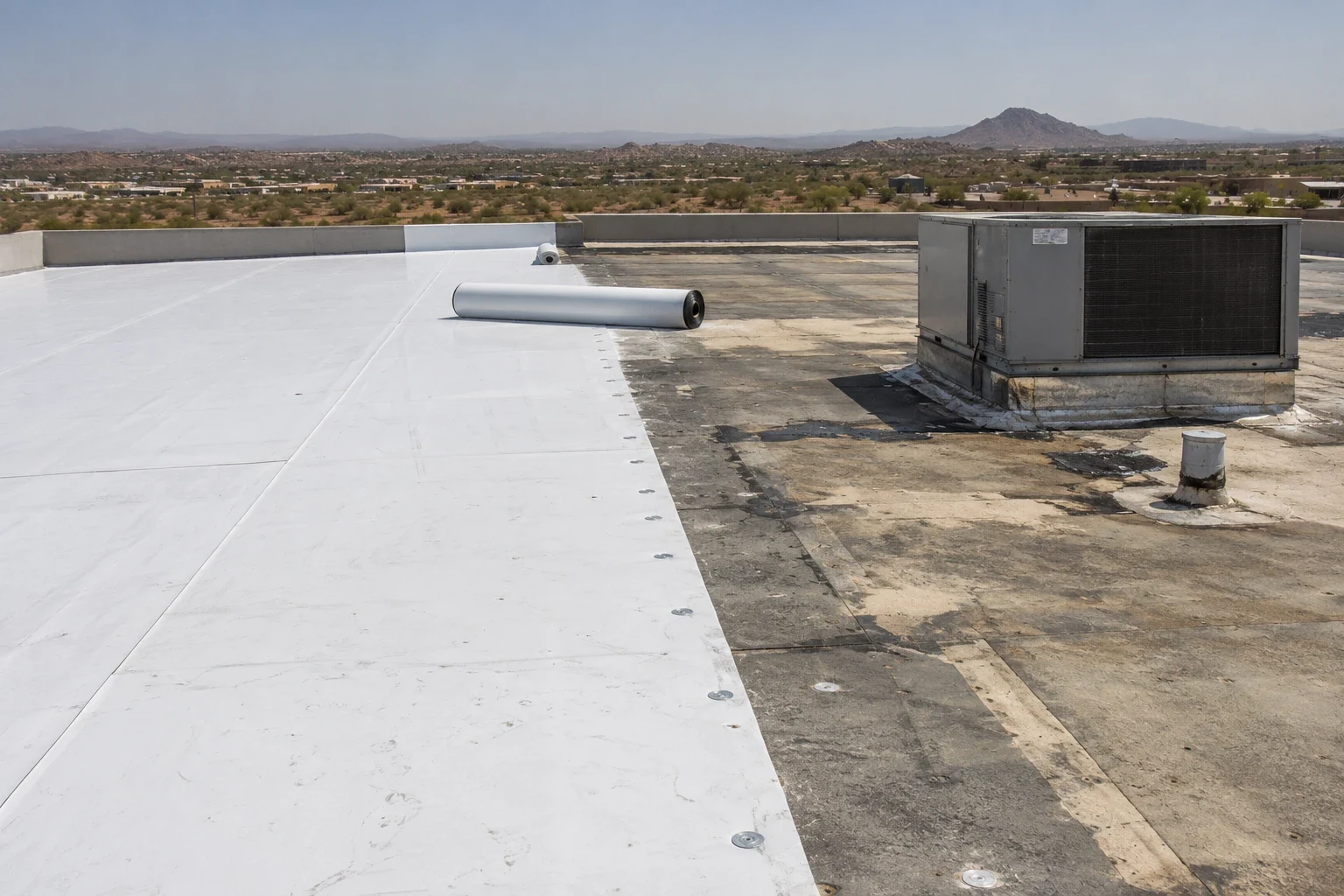
When owner records identify a TPO roof, we keep the supplied system details with the maintenance record. TPO roofing is one roof family; the building’s own submittal and manufacturer instructions govern its applicable maintenance requirements.
The service record guides the next visit
After the visit, the owner receives the roof areas reviewed, observations by location, photographs where available, completed authorized work, deferred items and access limitations. We list who performed each activity and the date, and attach applicable invoices or service tickets where the owner supplied them. Where a manufacturer document or warranty log applies, the owner can keep that system-specific record with the maintenance history rather than infer warranty coverage from a contractor’s site note.
A useful record makes the next inspection more efficient. It identifies whether a repair was completed, which conditions were left for monitoring and which question awaits owner approval. If a later commercial roof inspection is needed, the prior map and repair locations help the inspector focus on the unresolved details. Routine maintenance cannot confirm concealed construction or replace a targeted leak investigation when symptoms persist.
We review the open list with the property representative and state the next decision, owner and timing that the parties have agreed to. That handoff gives facilities and finance teams a reliable basis for scheduling maintenance and comparing capital alternatives without treating a checklist as a repair authorization.
Commercial Roofing Questions
How do I set the next roof inspection interval?
The interval depends on the installed system, warranty documents, observed condition and building operations. We review those records and recommend a property-specific schedule rather than apply one frequency to every roof.
What should a maintenance visit include?
The agreed roof route, visible membrane and flashing conditions, drainage points, rooftop openings, equipment areas, access limits, dated observations and any authorized housekeeping or repair.
Does a maintenance inspection confirm warranty coverage?
No. The owner should review the actual warranty and manufacturer requirements. We can record the documents supplied and note when additional confirmation is needed.
Can the maintenance crew repair everything found?
Not automatically. We separate authorized housekeeping from repair work, other-trade coordination and further investigation. Work outside the approved scope needs the owner’s direction.
What records should be kept after a visit?
Keep the roof areas reviewed, dated photographs, observations, completed work, invoices or service tickets, names of the parties and deferred items with the next decision.

Plan the Next Roof Maintenance Visit
Share the property address, roof records, access requirements and open service items. We can define the visit, identify its purpose and document the work authorized.
Call or Email
Helpful to have ready:
The property address and a building contact
Where water or damage shows up inside
The roof type and age, if you know them
Photos and any past roof reports