Seam-Failure Roof Repair in Scottsdale, AZ
Home / Roof Damage Repair / Seam-Failure Roof Repair
Scottsdale seam-failure roof repair matches the method to your membrane. Review adjoining material, concealed questions and the connection needed for repair.
A split lap needs a repair method matched to the sheet, not one sealant selected for every membrane. Seam-failure repair starts by identifying the roofing material and examining the connection that separated. We explain the preparation, reconstructed joint and adjoining covering required for a suitable correction. Your property manager can compare the proposed amount against those operations and arrange the work window for the material actually on the roof.
Cave Creek’s Town Core includes commercial, retail, service, and office uses. In Cave Creek and Scottsdale, the membrane system and adjoining construction determine whether a failed seam can be repaired locally. We identify the sheet type, examine the lap width, and check whether the substrate and neighboring material are sound enough for a lasting connection. A heat-welded thermoplastic seam requires clean, compatible material and controlled welding; an EPDM lap calls for its own adhesive and surface preparation. We show the preparation and test method in the scope so the manager can compare a local repair with the wider replacement boundary indicated by the inspection. For a property near Fountain Hills, inspect the individual seam and adjoining material before selecting the repair method.
The sheet determines how its lap is joined
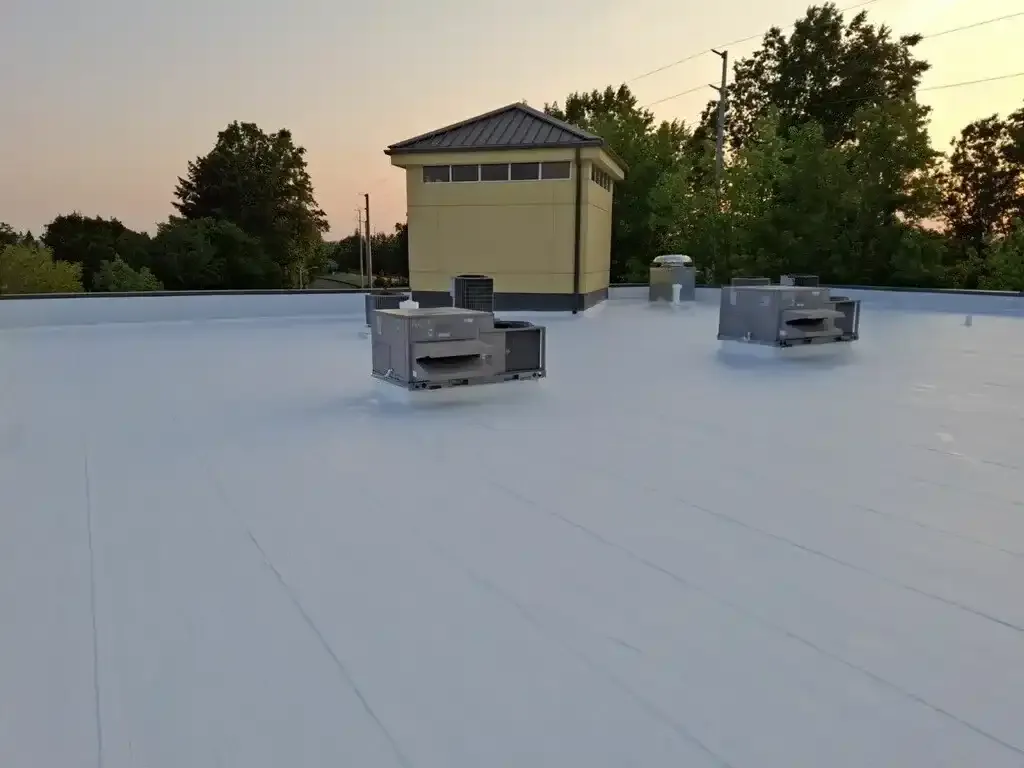
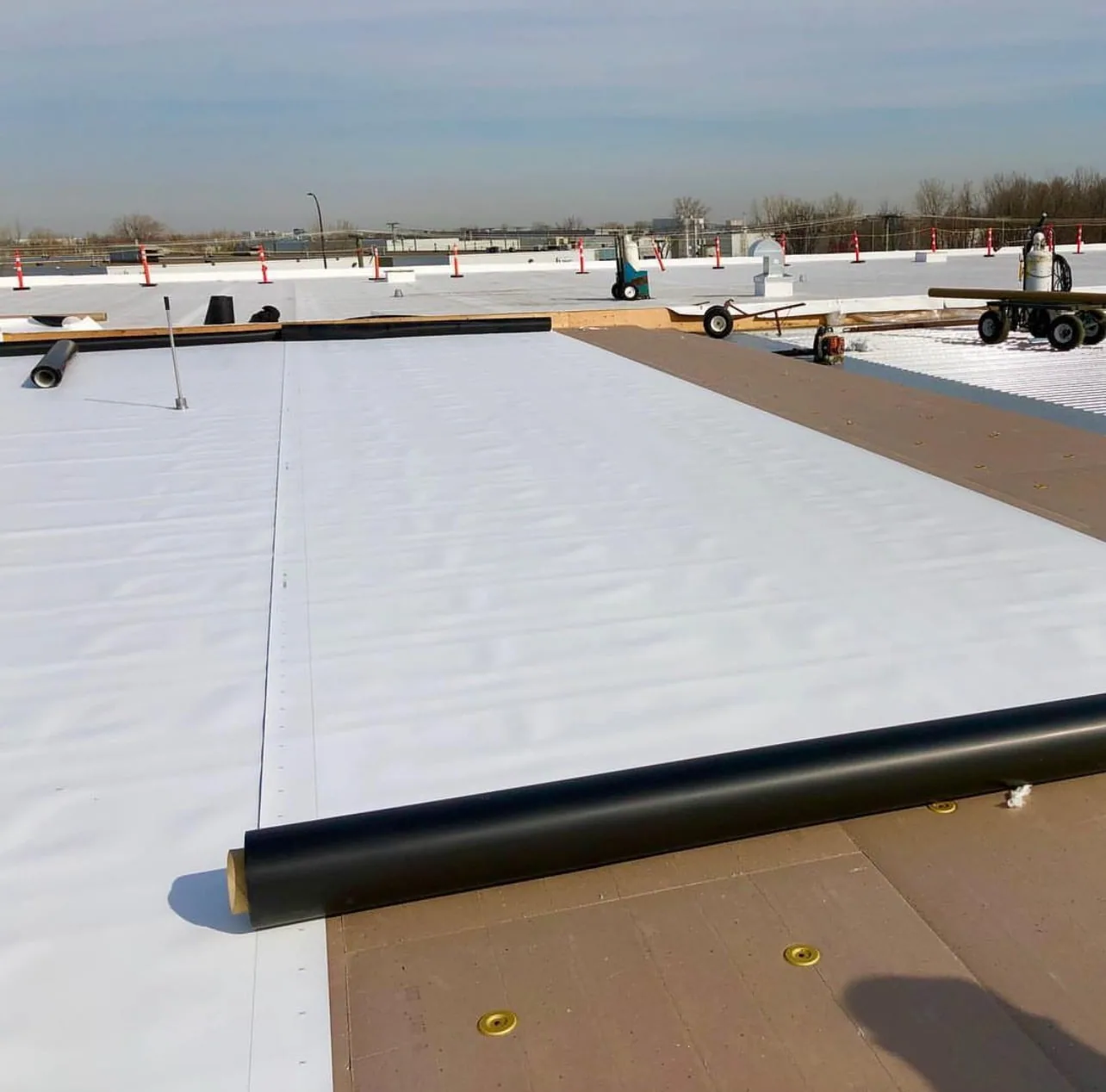
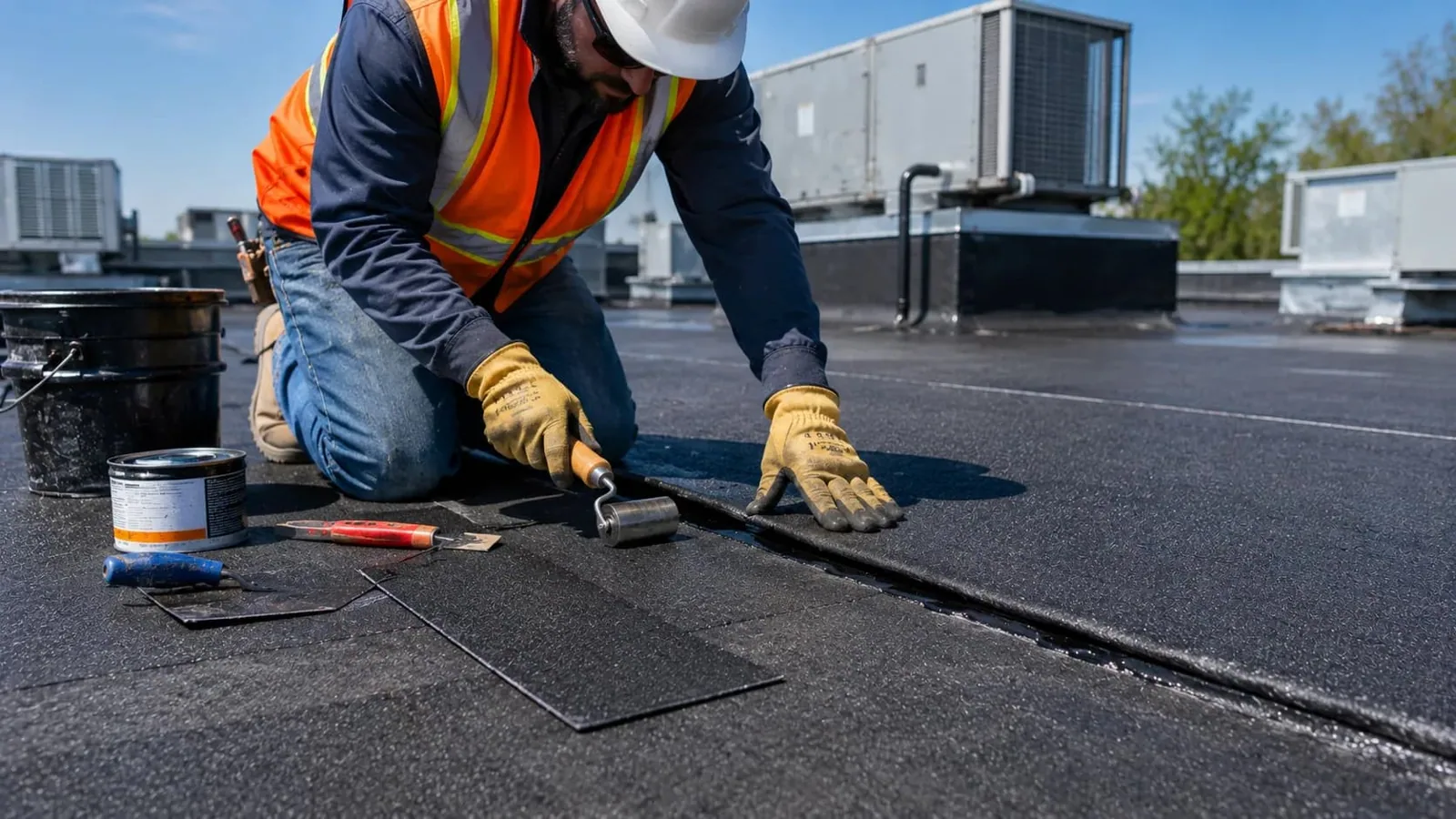
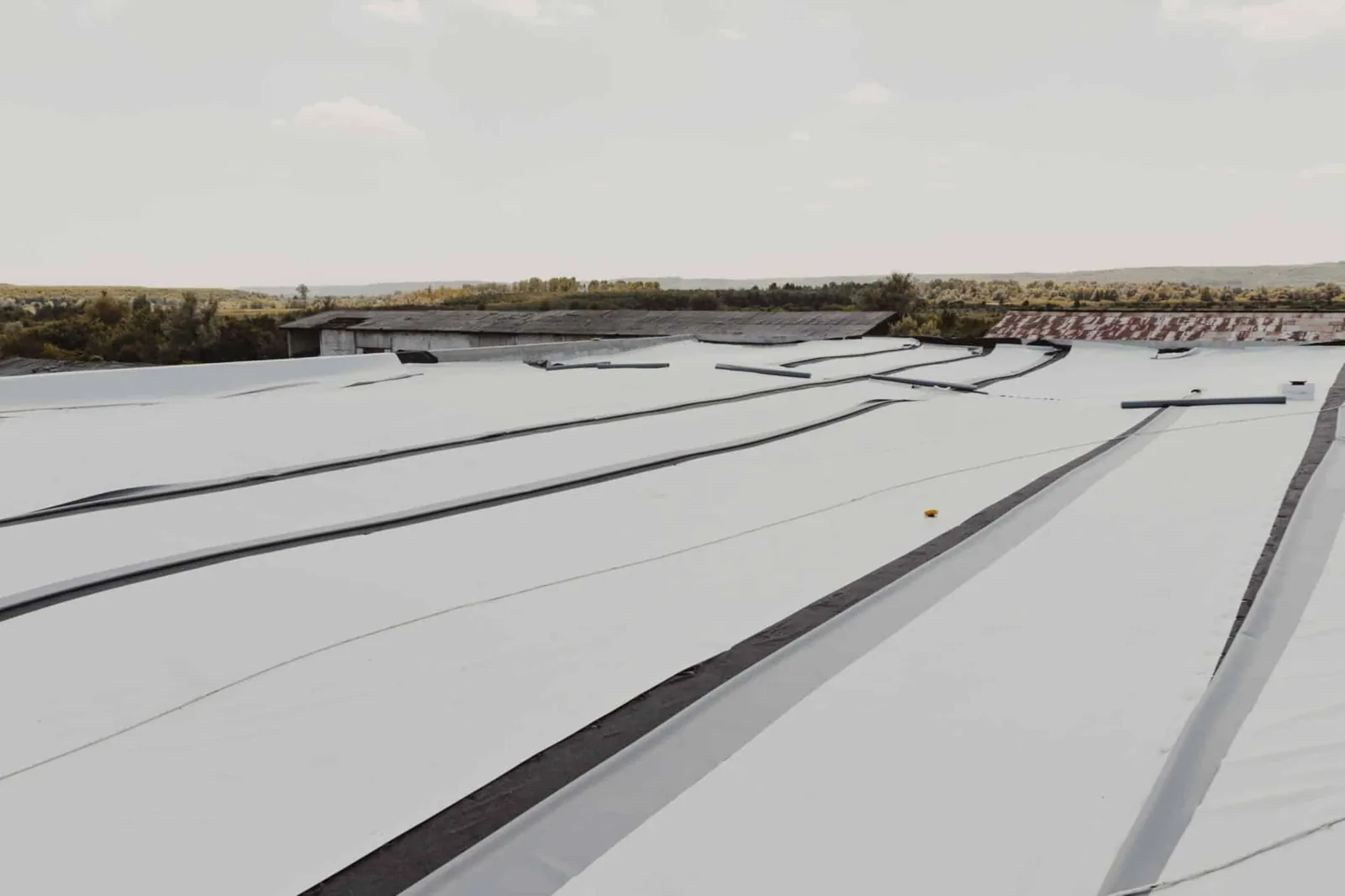
TPO and PVC are thermoplastic membranes with heat-welded seam methods appropriate to their selected products. An EPDM repair generally uses compatible adhesive or tape-based details with the preparation required for that system. Modified-bitumen assemblies need their own material and joining method identified. These distinctions matter before any repair is priced. We review the covering and earlier work, then develop the proposed connection for that assembly. A coating over a gap is a different operation from restoring the failed seam beneath it.
TPO roofing with the repair connection matched to the installed sheet requires suitable adjoining material for its selected detail. Earlier coating, contamination or deterioration can affect the receiving surface. We examine that condition and explain the preparation or removal needed. A product designation in the records helps direct assessment, while the membrane encountered still needs examination. The property manager receives a correction tied to a stated material connection rather than an assumption that all exposed white sheet can be repaired alike.
The repair boundary follows serviceable adjoining material
A lap opening can run beyond the first gap noticed during a visit. Examine the relevant length and surrounding covering before setting the correction boundary. We distinguish a separated joint from torn sheet or a failed patch crossing it. The selected repair must connect to suitable material at its perimeter. If the accessible view leaves attachment or concealed support uncertain, explain the additional inquiry. The property manager can then arrange a defined investigation instead of approve a local patch whose needed construction is still unclear.
Membrane puncture repair at a separate sheet defect may require another boundary and detail beside the seam operation. Locate both concerns where they occur together. A torn covering and an open joint can look similar in an isolated photograph while requiring different reconstruction. We describe the defect at each position and its adjoining condition. The amount should identify preparation, new material and connection extent so the receiving contact can understand what will be corrected in the scheduled work.
Preparation is part of the permanent connection
Dirt, moisture or incompatible residue can interfere with the new seam detail. Establish the receiving condition required by the selected method and identify the material that must be removed. We describe cleaning and compatible preparation with the repair. For a thermoplastic connection, the product and existing surface determine appropriate welding preparation and checks. For an EPDM detail, the chosen primer, joining product and preparation belong together. An unexplained promise to reseal the lap leaves too much of that material operation undefined.
Commercial roof repair with the seam reconstruction developed should show the covering retained and the new connecting material. An earlier patch can require assessment before it becomes part of the receiving surface. We examine its suitability and explain its treatment. Keep relevant preparation photographs with the repair position. The property manager can compare a developed correction with a surface-only proposal and identify why their amounts differ, without having to infer the construction from a short description of sealing.
A separated lap may leave another question below it
Water entering an open seam can affect concealed insulation or support. Its presence and extent require appropriate investigation where they control retention. We identify the examination needed and describe restoration of any inquiry opening. A dry-looking sheet surface does not resolve the condition beneath it. If unsuitable material is established, the proposed correction should explain removal and supporting preparation as well as the seam finish. This gives the property manager the construction reason for a boundary that extends beyond the visible separation.
Insulation and cover-board correction beneath the affected repair needs its location and supporting conditions understood before installation. Where exposure reveals a wider concern, preserve the finding and explain the additional operation. Identify the effect on the amount and work window. A qualified review may be needed when supporting construction raises a structural question. The seam detail should be completed over material established as suitable for the chosen assembly, while another unresolved inquiry remains a clearly identified task.
Seams meeting a curb or edge need the adjoining detail
A failed lap beside a curb may also involve flashing that changes direction or a termination attached to unsuitable support. Examine those connections independently. A field seam correction does not finish a loose upper termination. We locate the related material task and explain any component work required first. The property manager can arrange the relevant representative before the detail is dismantled. Keep the roof closure clear if a component delay leaves the permanent transition waiting for its final supporting condition.
Flashing failure repair at the adjoining transition develops the material continuity through that change in shape. State what the roofing operation reconstructs and what preceding correction another representative must provide. The amount should keep those obligations visible. If the affected work extends to an edge, assess its attachment and support rather than continue a seam patch across an unresolved termination. The practical opening boundary follows the complete detail that can be finished in the available work period.
The completed joint should remain locatable
For a requested seam repair near Cave Creek service area, confirm the property and its access contact before the work window is arranged. We review material preparation conditions and explain the closure needed when active work stops. At completion, identify the reconstructed joint and retain relevant photographs of concealed correction. Record an authorized boundary change with its reason. A future report can then be investigated against the actual finished detail, while another task left outside this operation retains its own next action.
Commercial Roofing Questions
Why identify the membrane before pricing a seam repair?
Its joining method and compatible receiving surface determine the correction. We develop preparation and connecting material for the sheet actually examined.
Can a seam patch simply continue over an earlier repair?
Assess the earlier material and its suitability for the selected method first. We explain removal or preparation where that condition changes the connection.
What can make removal extend beyond the open lap?
Unsuitable adjoining sheet, wet insulation or supporting deterioration can widen the boundary. Establish the condition and locate the additional construction required.
How should a seam meeting a curb be treated?
Examine the field joint, flashing transition and termination separately. Identify preceding component work needed before the complete connection can finish.
Which information helps investigate a later report?
Retain the repair location, installed connecting material and relevant preparation photographs. Keep approved changes and any unresolved supporting task with that record.

Review the material connection at the failed seam
Send the roof address, lap position and available installation information. We can examine adjoining material and explain preparation, repair extent and any inquiry needed.
Call or Email
Helpful to have ready:
The property address and a building contact
Where water or damage shows up inside
The roof type and age, if you know them
Photos and any past roof reports