
Commercial Modified Bitumen Roofing in Scottsdale, AZ
Home / Roof Systems / Modified Bitumen Roofing
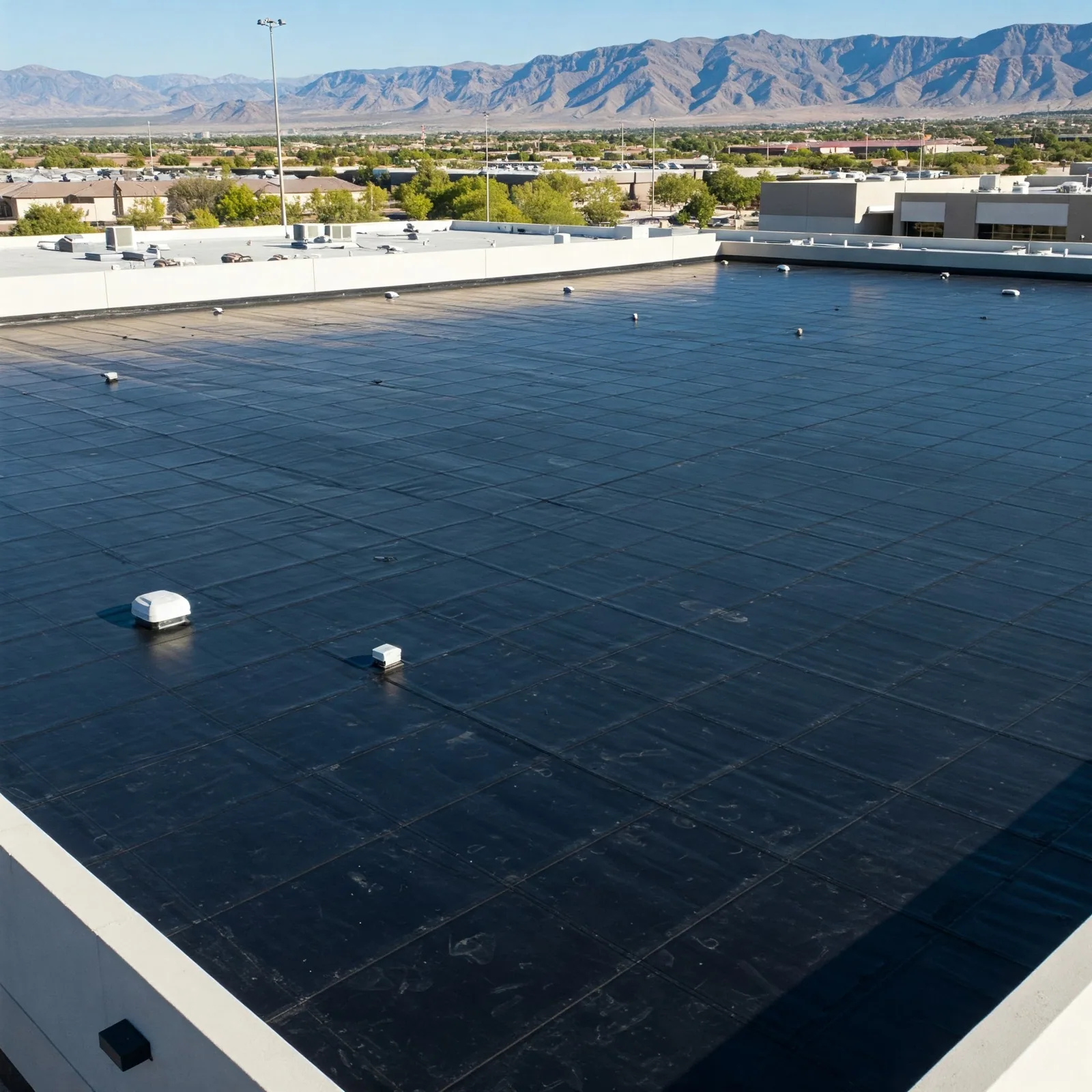
Plan Scottsdale modified bitumen roofing by layer design, SBS or APP product, application method, drainage and existing roof conditions.
Modified bitumen is a multi-ply low-slope roofing approach built from reinforced asphalt sheets. A complete specification names the base and cap sheets, number of plies, surfacing, attachment method, flashing materials and substrate. The term covers different products and installation methods, so it does not tell an owner what the finished assembly will include.
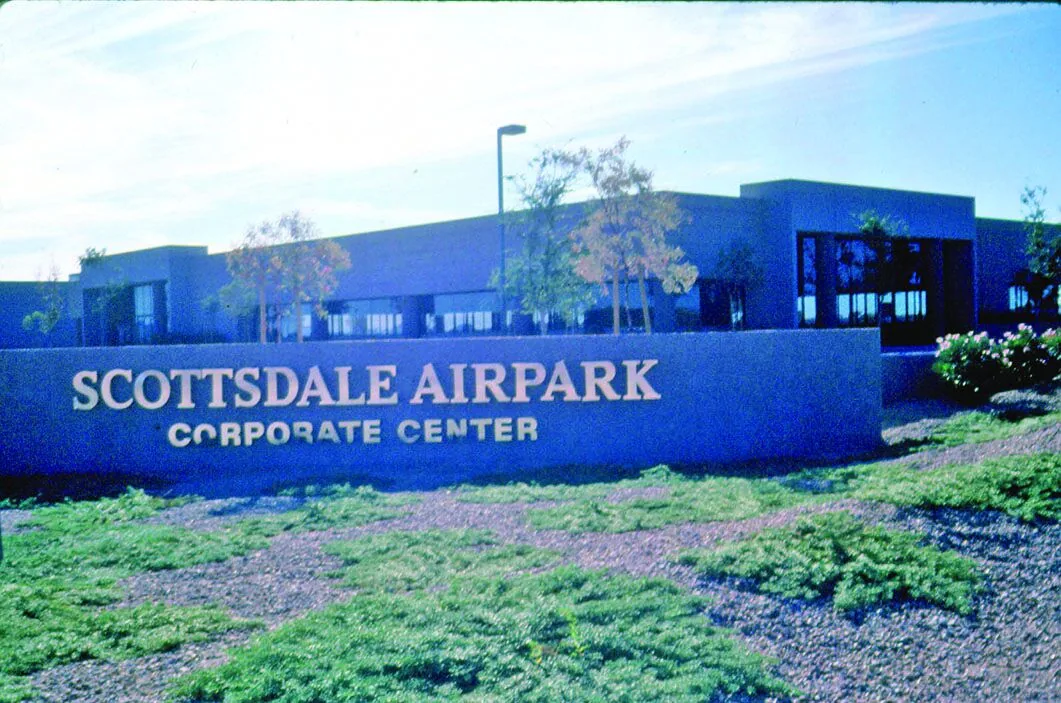
For a commercial property near Scottsdale Airport and Airpark, we start with the roof plan, existing layers, drains, penetrations and project access. Airport-area context does not establish a building’s roof design or material exposure. We document the actual property conditions and compare them with current manufacturer instructions and the project documents.
Specify the complete multi-ply assembly
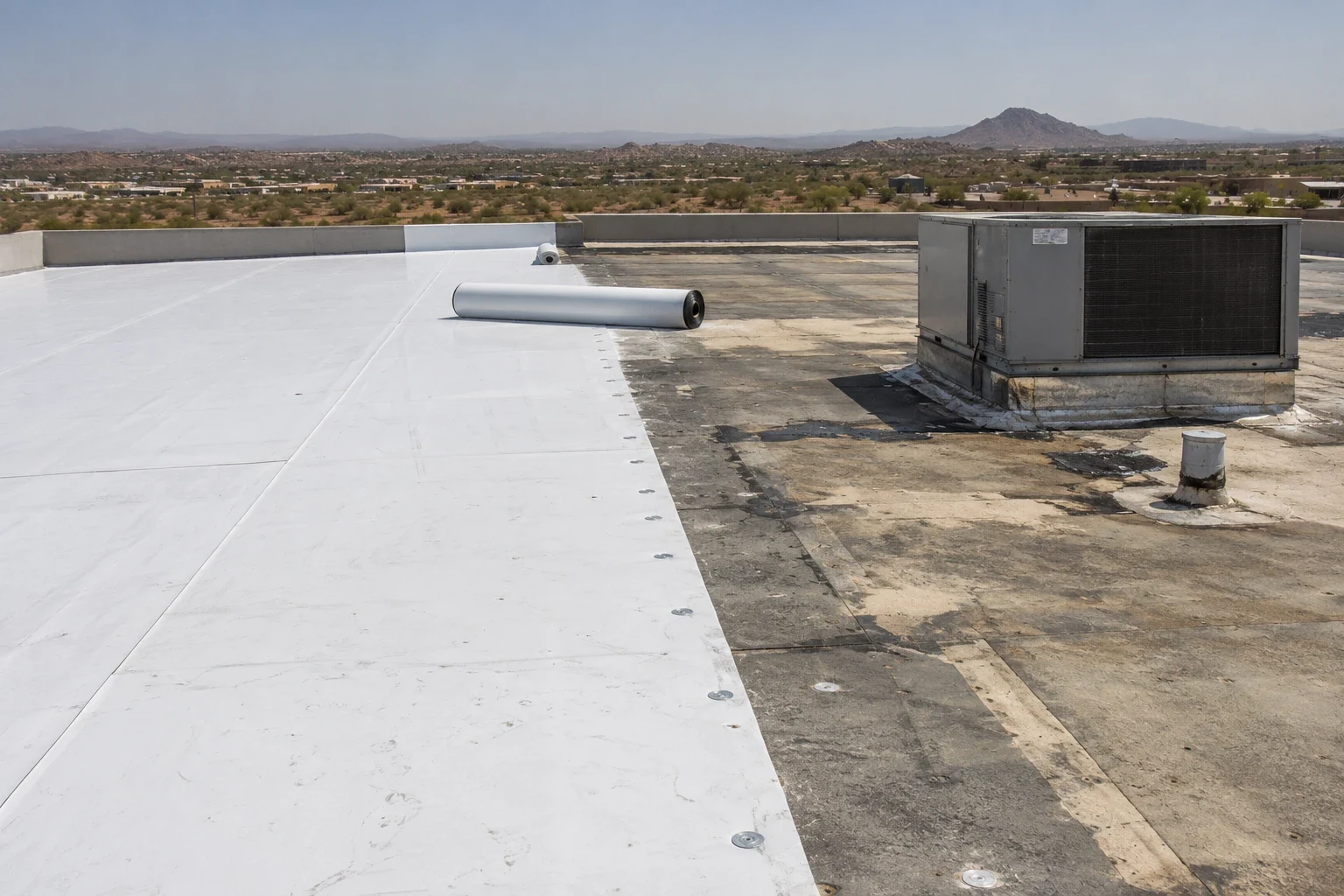
A modified bitumen roof usually has multiple membrane layers over an approved substrate, insulation or cover board. Each ply has a role in the assembly. Base sheets and interply membranes may differ from the granulated or smooth-surfaced cap sheet. Reinforcement, thickness, surfacing and compatible flashings vary by product. A bid that says only “two-ply modified bitumen” leaves important materials and details undefined.
Ask for the manufacturer, named base and cap products, ply count, reinforcement, surfacing, attachment method, insulation, cover board and flashing materials. Check whether each layer is mechanically attached, self-adhered, installed in approved cold adhesive, applied in hot asphalt or heat-welded. These approaches are product- and substrate-specific; a manufacturer’s available application method for one membrane should not be assumed for another.
Johns Manville’s published SBS resources include separate application guidance for heat-welded and asphalt or cold-applied systems. Polyglass describes some self-adhered products with different compounds on the top and bottom surfaces. These are examples of named products and instructions, not universal properties of every SBS or APP membrane. Follow the current technical data and system manual when selecting the layers and method.
Compare SBS and APP products by the specified use
SBS and APP identify different modified bitumen product families, with product formulations, reinforcement and installation options set by their manufacturers. Some SBS products are designed for heat-weld, hot asphalt, cold adhesive, self-adhered or mechanically attached applications. APP product options may include heat-welded or self-adhered methods. Availability depends on the exact product line; neither acronym alone selects an assembly.
Consider the building’s roof geometry, the deck and substrate, nearby operations, access constraints and the project’s hot-work controls. A self-adhered or cold-applied product may fit a project restriction only when its complete assembly is approved for the substrate and conditions. Torch-applied work needs a site-specific plan that addresses combustible conditions, concealed voids, fire protection and owner procedures. Do not choose a method from a generic sales description or substitute one adhesive for another.
Granule color or a reflective product finish should also be verified by exact model and current rating. A light cap sheet does not by itself establish energy savings or replace insulation design. If reflectance or thermal performance is part of the specification, identify the applicable published product data and have the design team evaluate the whole roof and building requirements.
Prepare the deck and control water at every transition
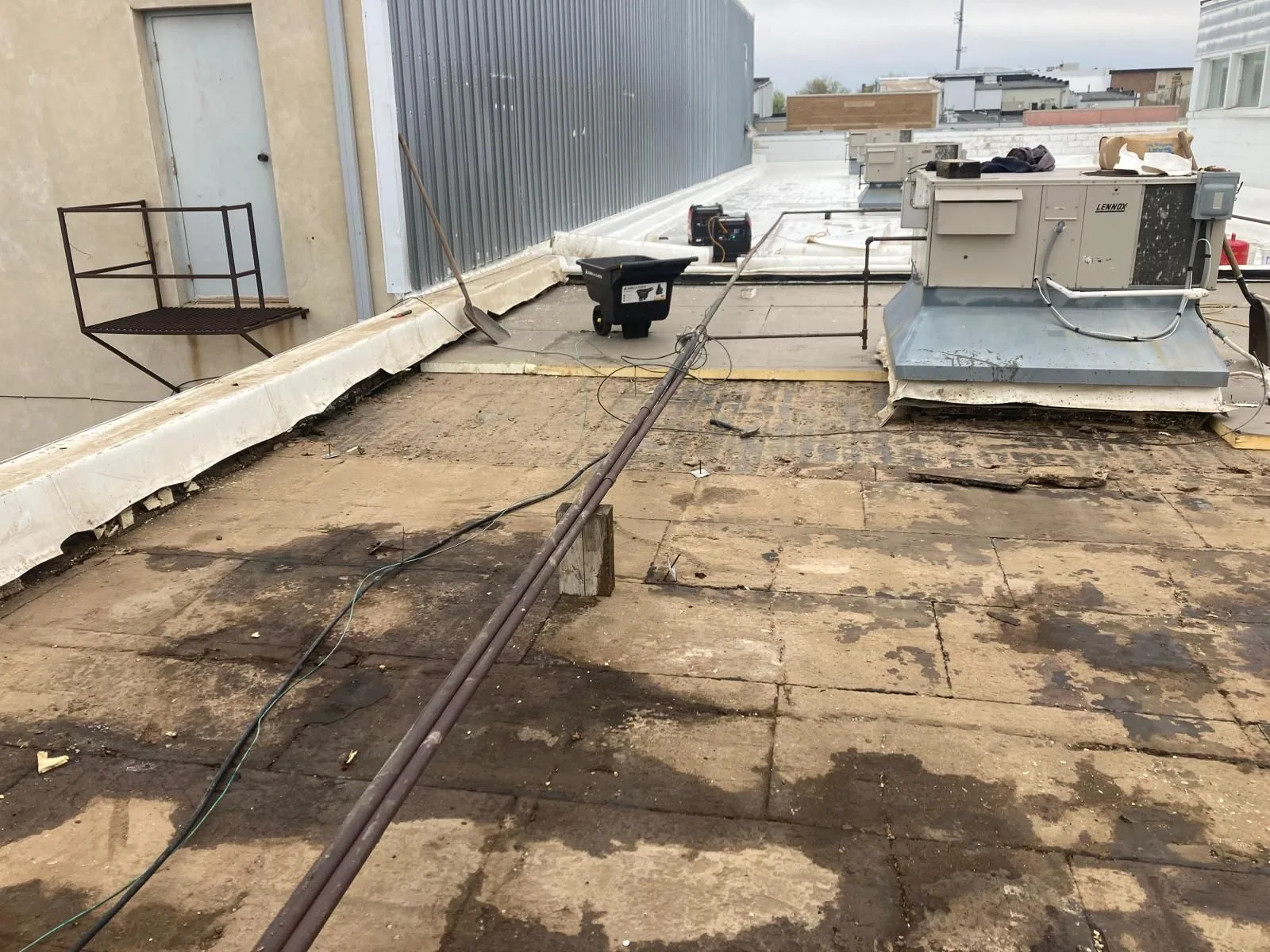
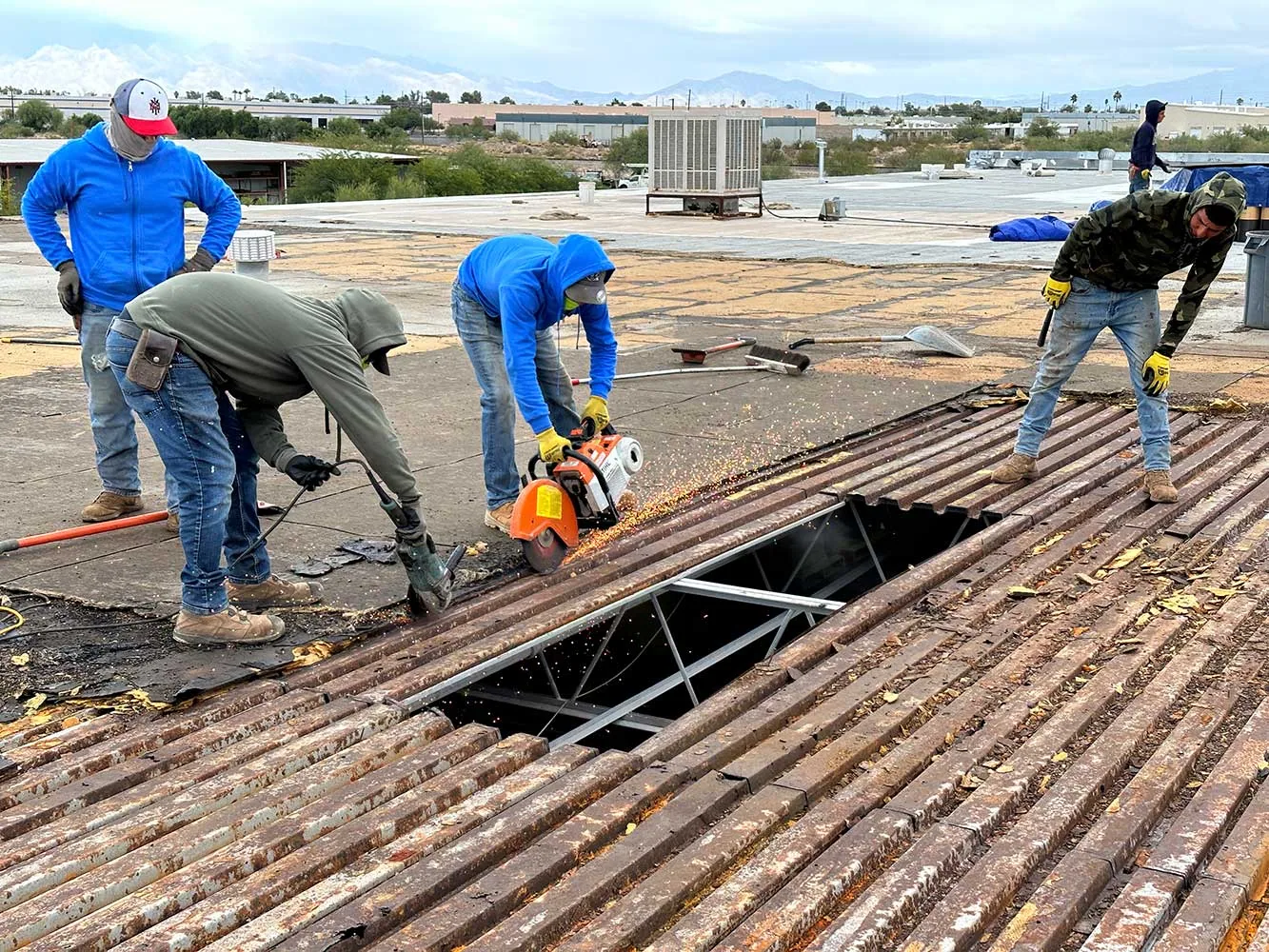
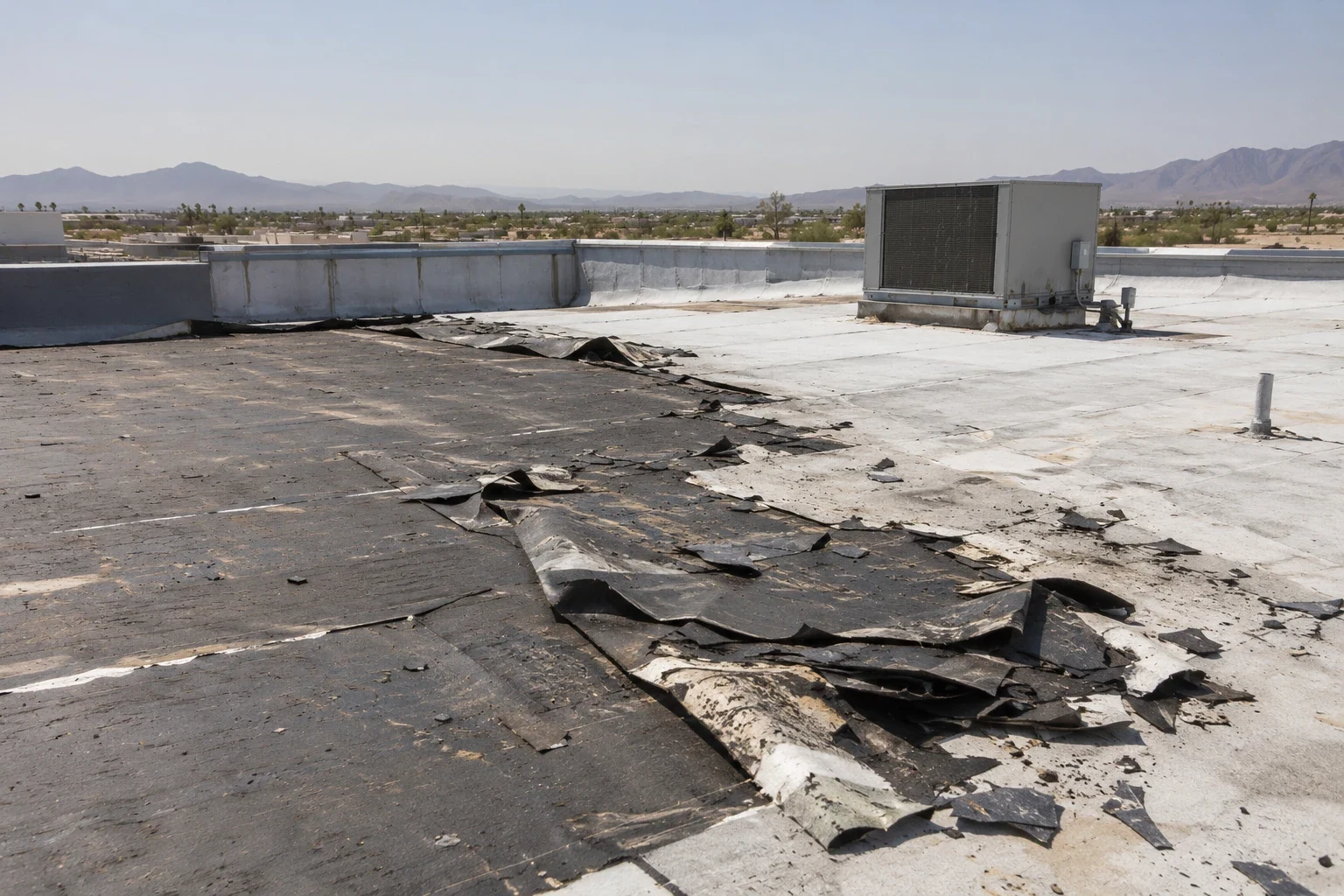
Before installing new plies, inspect the deck, existing roof, insulation, cover board and perimeter conditions. The receiving surface must meet the chosen system’s preparation requirements. Wet or unstable layers, loose material and unapproved substrates can compromise a new assembly. Test cuts or other investigation may be needed to verify concealed conditions; identify this separately from what a visual survey can confirm.
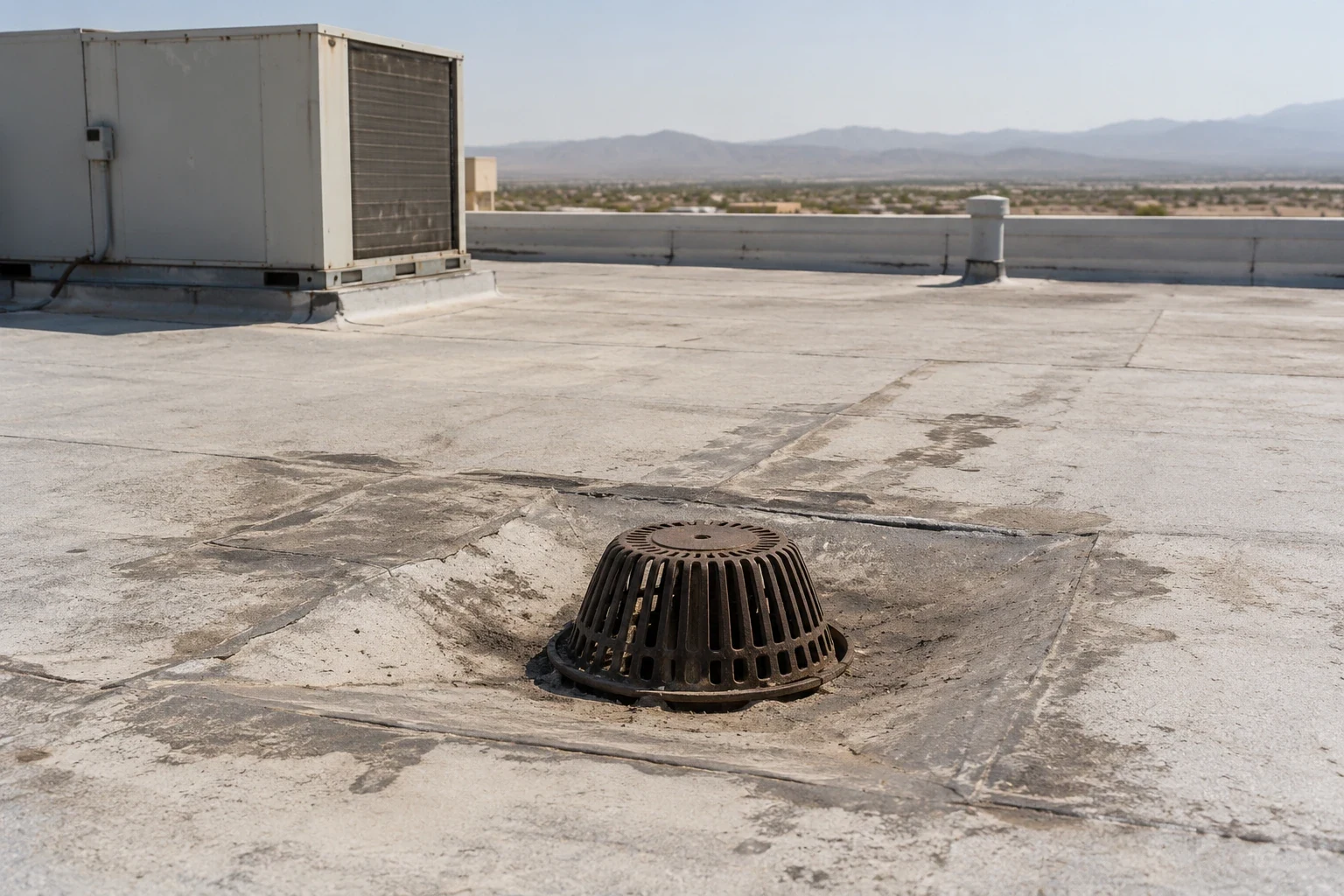
Drainage belongs in the design. Review the slope to drains and scuppers, curb heights, parapets, penetrations and metal edges. Modified bitumen does not correct blocked outlets or a roof that directs water away from collection points. If the work changes insulation thickness, coordinate cover-board and insulation elevations with drains and wall details. Include any required drain or scupper repairs in the coordinated project scope.
Flashing details should name the materials and method at walls, curbs, pipes, expansion joints and roof edges. Confirm that each flashing product is compatible with the field sheets and specified application method. Detail drawings and manufacturer instructions help crews make consistent transitions. The owner should receive closeout records identifying installed products, any approved field changes and the maintenance points that need future attention.
Installation method also changes site planning. A torch-applied sheet, hot asphalt, cold adhesive, and self-adhered membrane each require different substrate preparation, material handling, weather conditions, and safety controls. Identify the application method for every ply and the procedure at walls, curbs, and drains. For hot work, coordinate fire prevention, combustible conditions, and monitoring with the building's site rules. A proposal that names only the cap sheet leaves the base plies and flashing sequence unclear. State how the finished surface will be protected from traffic while seams and asphaltic layers cool or set.
Decide whether to repair, recover or remove the old roof
The existing roof layers determine whether a recover can be considered. Check for trapped moisture, deck damage, existing blisters or splits, failed seams, old repairs, roof height and compatibility with the proposed base sheet. Confirm that the structure can support the assembly and that the new work meets project and code requirements. A product’s general suitability for reroofing does not approve every existing roof for overlay.
When a defect is localized and the surrounding assembly is sound, commercial roof repair may be appropriate while the owner plans a larger project. A recover assessment should state what inspection or testing supports leaving the existing roof in place. If wet layers or an unsuitable substrate are found, compare the repair limits and removal scope with full replacement.
Modified bitumen can be compared with a built-up roof system or a single-ply option such as EPDM. Compare named assemblies, project requirements, installation limits, drainage details and maintenance access rather than treating one roof family as universally superior.
Build the proposal around site-specific conditions
Useful pricing information includes the property address, roof plans, deck type, existing layers, prior repairs, equipment layout, drain locations, access restrictions and specification. An inspection can document visible conditions and identify where more investigation is needed. If the building is occupied, coordinate deliveries, staging, noise, temporary tie-ins and weather protection with the site contact.
The proposal should list each membrane ply and product, application method, insulation, cover board, tear-off assumptions, flashing, edge metal, drains, access protection, cleanup and closeout documents. State whether hot work is included and which site controls or owner approvals remain open. Keep manufacturer review, warranty eligibility and concealed-condition allowances explicit. This lets the owner compare bids on the same assembly and see which decisions still require confirmation.
Once construction is complete, retain the product records and detail drawings with the roof’s maintenance file. Track drain condition, penetrations, changes to rooftop equipment and any new service paths. A clear baseline makes it easier to distinguish later damage from original project conditions.
Commercial Roofing Questions
What is a modified bitumen commercial roof?
It is a low-slope roofing system made from reinforced, polymer-modified asphalt sheets installed in multiple layers. Products differ in reinforcement, surfacing, attachment and approved application methods.
What is the difference between SBS and APP roofing?
SBS and APP are different modified bitumen product families. The exact membrane properties, surfacing and permitted installation methods depend on the manufacturer and named product.
Is torching required for every modified bitumen system?
No. Some named products use self-adhered, cold-applied, hot-asphalt or mechanically attached methods. Use only the methods approved for the selected product, substrate and project conditions.
Can a new modified bitumen roof go over my existing roof?
That depends on moisture, deck condition, existing layers, attachment, height, drainage and the approved assembly. Inspection or test openings may show that removal is necessary.
Request a modified bitumen roof assessment
Send the Scottsdale address, roof plan, existing roof records and any application restrictions. We can document visible conditions and outline the specified plies, method and open approvals.
Call or Email
Helpful to have ready:
The property address and a building contact
Where water or damage shows up inside
The roof type and age, if you know them
Photos and any past roof reports