
Commercial Spray Foam Roofing in Scottsdale, AZ
Home / Roof Systems / Spray Foam Roofing
Evaluate Scottsdale spray polyurethane foam roofing by substrate, foam thickness, protective coating, drainage and renewal conditions.
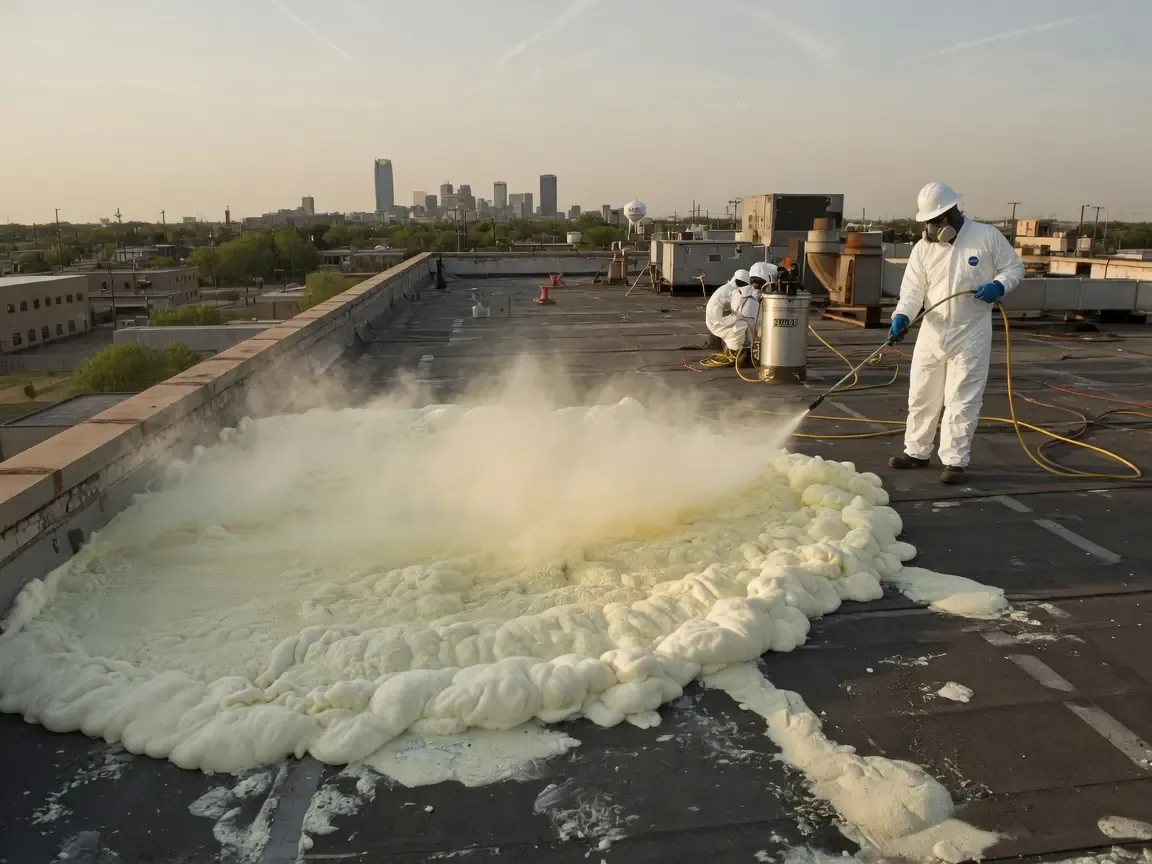
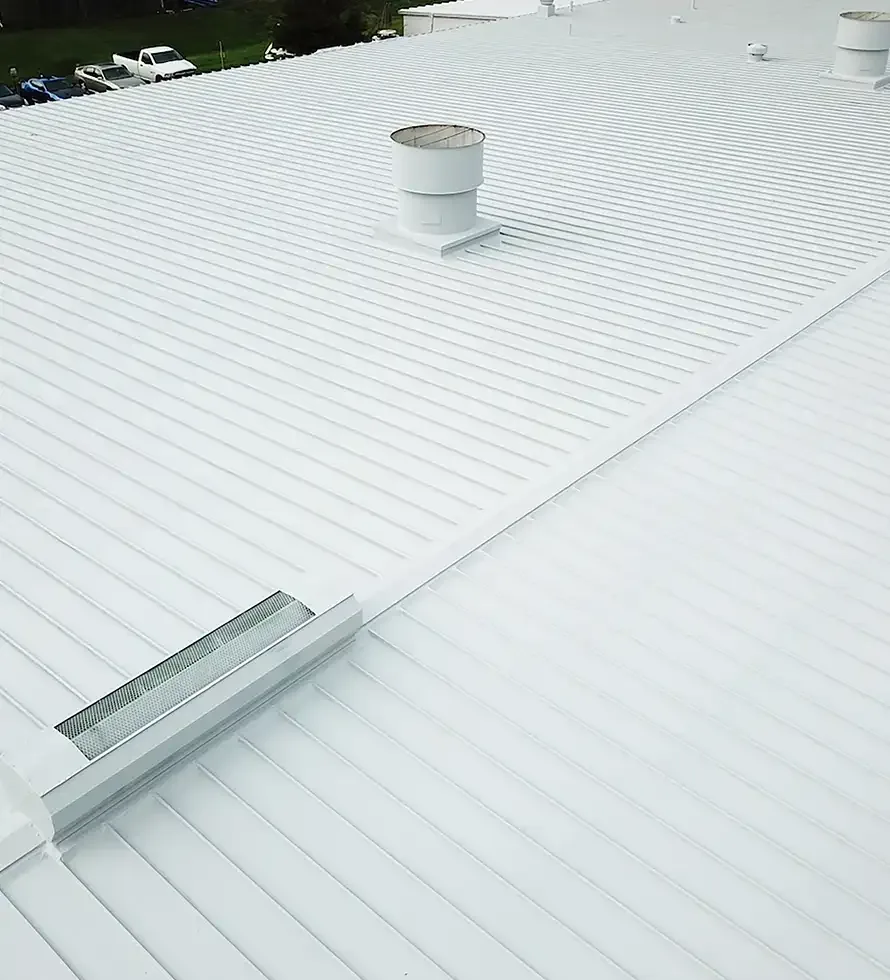
Spray polyurethane foam (SPF) roofing is built by applying foam to a prepared roof surface and protecting it with a compatible coating or other covering. The foam, protective layer, substrate and details work together as a roof system. A proposal should identify the specified foam thickness, coating materials, surface preparation, drainage work and inspection plan.
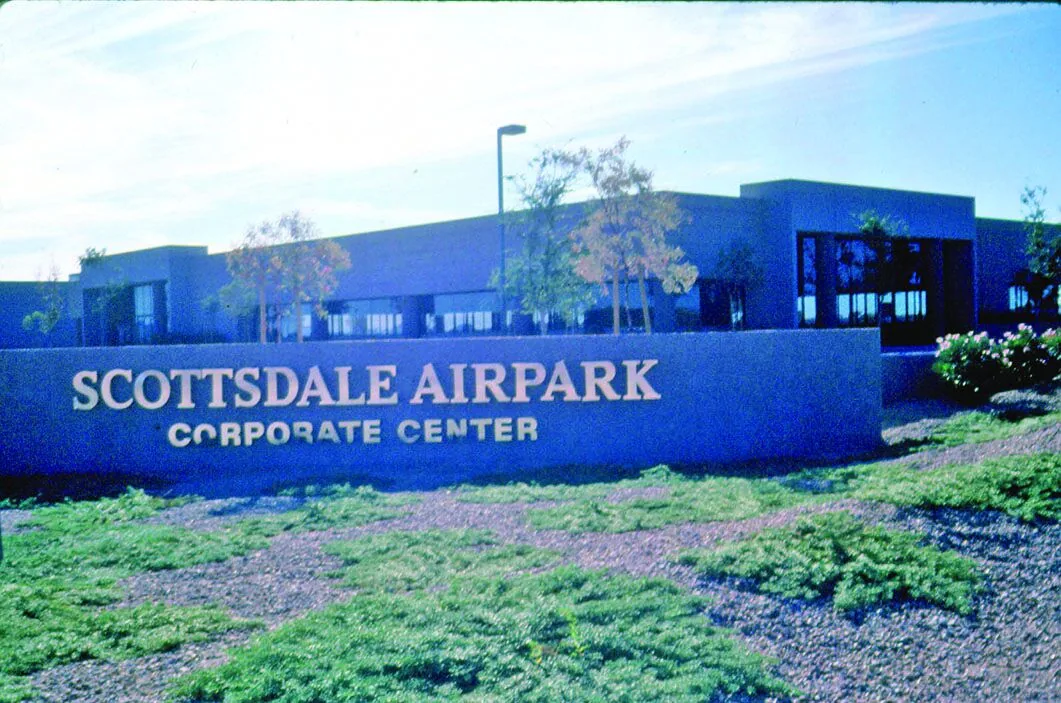
Scottsdale Airport and Airpark is a district reference, not a condition report for any one building. We inspect the actual roof deck and surface, trace drainage, note equipment access and review earlier foam or coating work. That evidence helps determine whether the current substrate can support an SPF system or renewal.
Understand the foam and protective coating as one system
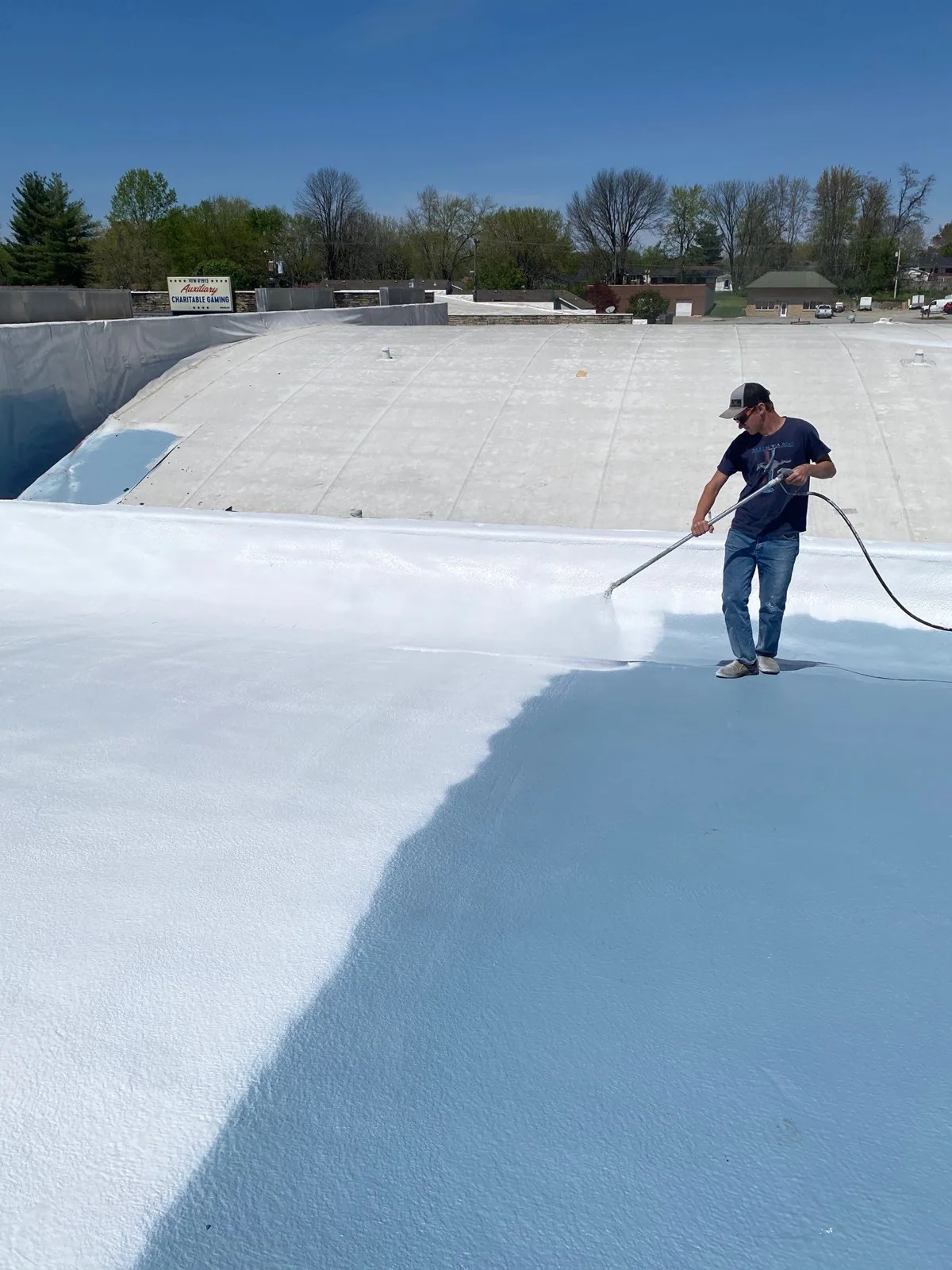
SPF is sprayed in place over a prepared substrate. The application plan identifies the product, target thickness and detailing at drains, curbs, pipes, edges and penetrations. A protective covering shields the foam from ultraviolet exposure and routine surface wear. Industry guidance lists several elastomeric coating families and aggregate coverings, but they have different product properties and must be selected for the specified foam and use.
The Spray Polyurethane Foam Alliance (SPFA) describes roof preparation, primer where specified, foam application and a protective cover as parts of SPF roofing installation. Its guidance also emphasizes trained applicators who understand the materials and equipment. These are system-level considerations, not a promise about any particular contractor’s credentials or a substitute for product instructions.
Ask the proposal to name the foam manufacturer and product, thickness by roof area, protective coating, number of coats or specified coverage, surfacing, primers, flashing materials and closeout inspection. Verify the approved assembly and applicable fire or code requirements for the building. A coating color or product label alone does not establish the finished roof’s performance or reflectance rating.
Evaluate adhesion, moisture and existing roof layers
The substrate needs to be suitable for the selected foam system. Inspect for loose material, contamination, moisture, corrosion, damaged deck, incompatible coatings and areas with poor adhesion. Confirm that the surface preparation and primer, if required, are specified for each substrate. A roof may contain several repair histories and substrates, so divide the survey into areas rather than assume the whole field will behave the same way.
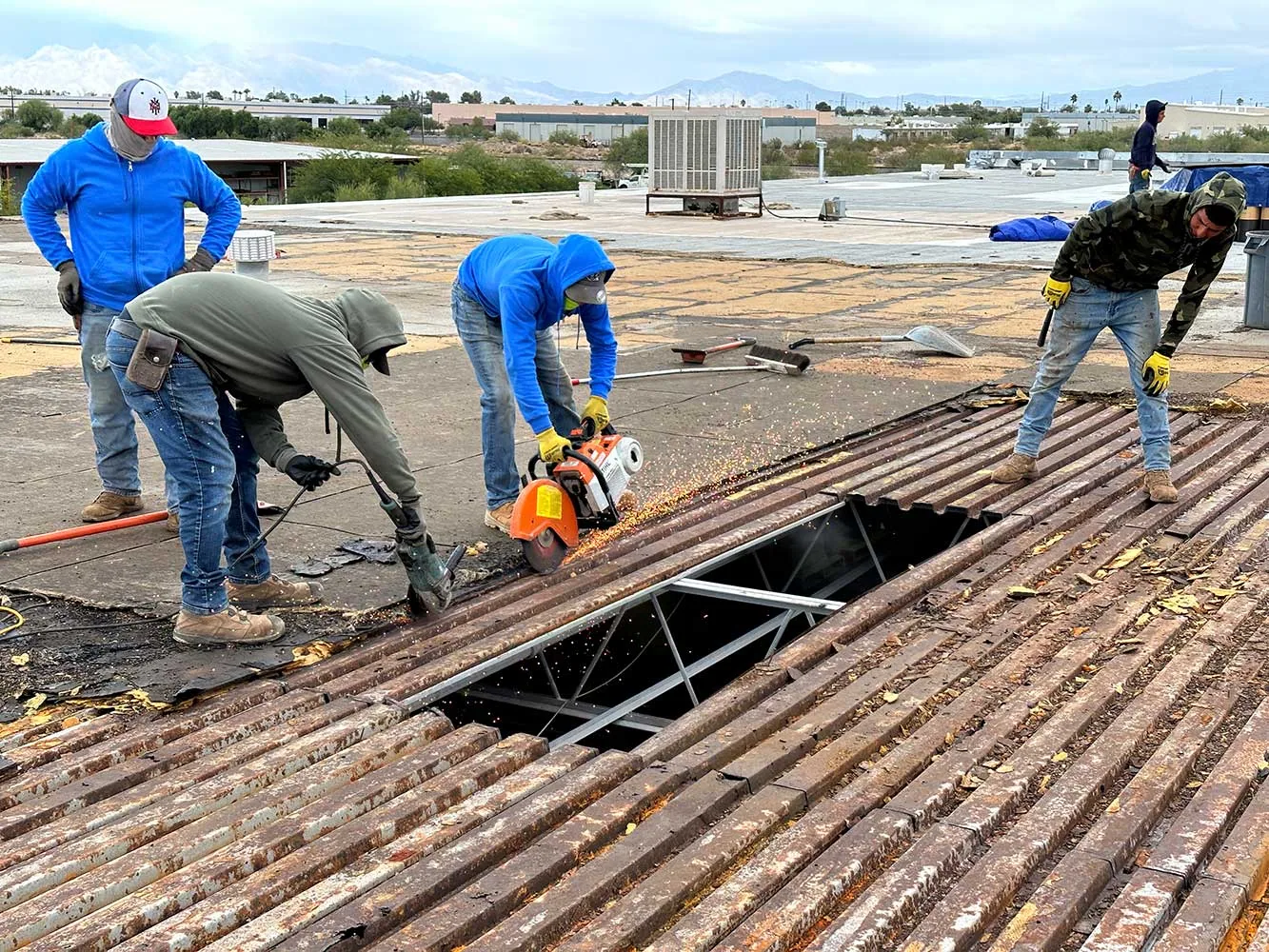
For a renewal, determine whether existing foam is dry, sound and properly bonded. Look for soft or wet foam, cracks, blisters, open seams, exposed areas, coating erosion and poorly repaired penetrations. Mark the coating condition and measure it where the product instructions call for verification. Remove or repair unsound material using compatible methods before applying more coating; new surface material cannot make wet foam dry or bond a failing layer below it.
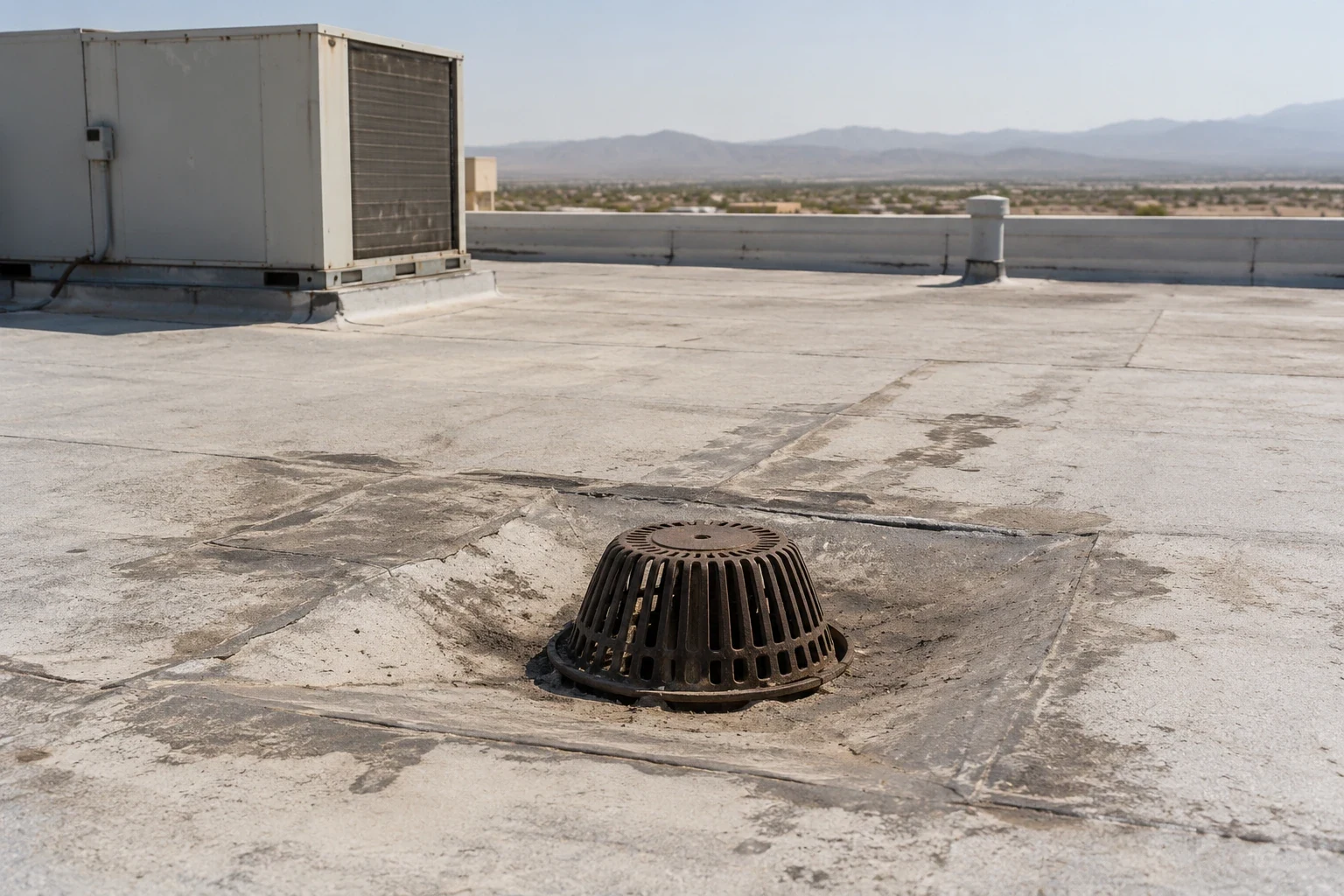
Drainage is important because low spots can hold water against details and damage. Map outlets and water paths, remove debris, and check whether existing crickets or tapered insulation still direct runoff. Address necessary drain and scupper repairs in the project plan. SPF application should not hide a blocked drain or water entry path that the facility already knows about.
Detail equipment, traffic and building operations
SPF can follow varied roof shapes, but every penetration and transition still needs careful preparation and compatible flashing. Review HVAC curbs, pipes, skylights, parapets, edge metal and roof joints before spraying. Equipment vibration, condensate lines and service access can affect these details. Keep mechanical trades informed so changes made after the roofing work do not cut the foam or break the protective layer.
Mark walk paths and maintenance zones in advance. Service traffic, dropped tools and rooftop work can puncture foam or wear coatings. Use compatible walkway protection where the system design calls for it, and preserve drainage around pads and equipment supports. The scope should say how the crew will protect surfaces and how damage will be documented before closeout.
Coordinate installation around occupants, air intakes, deliveries, access and the manufacturer’s application conditions. The contractor should follow product safety information and the project’s site controls for material handling and ventilation. On a sensitive or occupied building, confirm the work sequence and any restricted zones with the facility contact before materials are brought to the roof.
Choose repair, recoating or replacement from survey results
When the foam remains sound but its protective surface has worn, a compatible coating renewal may be considered after cleaning, preparation and repair. The coating manufacturer’s instructions determine what must be removed, primed or repaired, how much material is needed and whether weather conditions permit application. Estimate from measured roof areas and product coverage rather than using a generic coating allowance.
Compare silicone coatings and acrylic coatings only where the manufacturer approves the coating for the actual SPF surface and project conditions. They are distinct products and should not be swapped based on color alone. If the foam or substrate is wet, extensively damaged or poorly attached, specify removal and replacement for the affected sections or the larger assembly.
Where a repair is local, roof coating restoration or a targeted commercial roof repair can be scoped around observed damage. A roof inspection can record coating condition, drains, penetrations and areas to monitor. Compare the findings with a full replacement assessment when the substrate or foam no longer provides a reliable base.
For a recoat, distinguish exposed foam from coating that is merely faded. A worn film, puncture, open joint, or detached edge calls for repair before the new coating is spread. Measure the area and specify the preparation, primer if required, reinforcement at details, and target cured film thickness. The applicator should protect drains, air intakes, and equipment from overspray, then verify that each pass covers the planned section. Keep test cuts and repair areas marked on the roof plan. If foam is wet, friable, or no longer bonded, a coating layer will not restore the missing substrate.
Make the SPF scope measurable and maintainable
Share the building address, roof plan, existing SPF and coating information, prior repairs, equipment layout and leak history. Identify occupied zones, air intakes and site restrictions. An inspection should map roof sections and record visible surface conditions; test cuts or adhesion checks may be needed to verify concealed moisture or system bond where the project requires it.
A useful proposal lists preparation, removal, foam product and thickness, coating layers and coverage, flashing work, drainage corrections, walkways, safety and access coordination, weather assumptions and closeout records. Define how the contractor will verify installed thickness and coating coverage, and how repairs will be handled before the final acceptance review. Keep manufacturer review and any concealed condition allowance explicit.
Retain product data, application records, field photos, repair locations and maintenance recommendations after the work. SPFA recommends recurring inspections and checks after severe weather for SPF roofs. A documented baseline makes it easier to catch punctures, coating wear or drainage issues before they spread across the roof.
Commercial Roofing Questions
What is a spray polyurethane foam roof?
It is a roof system where SPF is applied to a prepared surface and protected with a compatible coating or other covering. Substrate preparation, details and coating are part of the assembly.
Can an existing SPF roof be recoated?
Yes, when the foam and substrate are sound and the selected coating is approved for the existing surface. Wet or poorly bonded areas need repair or removal before renewal.
How often does an SPF roof need inspection?
Inspect the roof regularly and after severe weather, following the product and maintenance guidance. Check coating condition, punctures, penetrations and drainage.
Can any roof coating be applied over spray foam?
No. The foam and coating manufacturers must confirm product compatibility, surface preparation, primer, application thickness and project conditions.
Request an SPF roof inspection
Send the Scottsdale address, roof plan, foam and coating records, prior repair history and leak locations. We can map visible conditions and identify areas that need testing or renewal.
Call or Email
Helpful to have ready:
The property address and a building contact
Where water or damage shows up inside
The roof type and age, if you know them
Photos and any past roof reports