
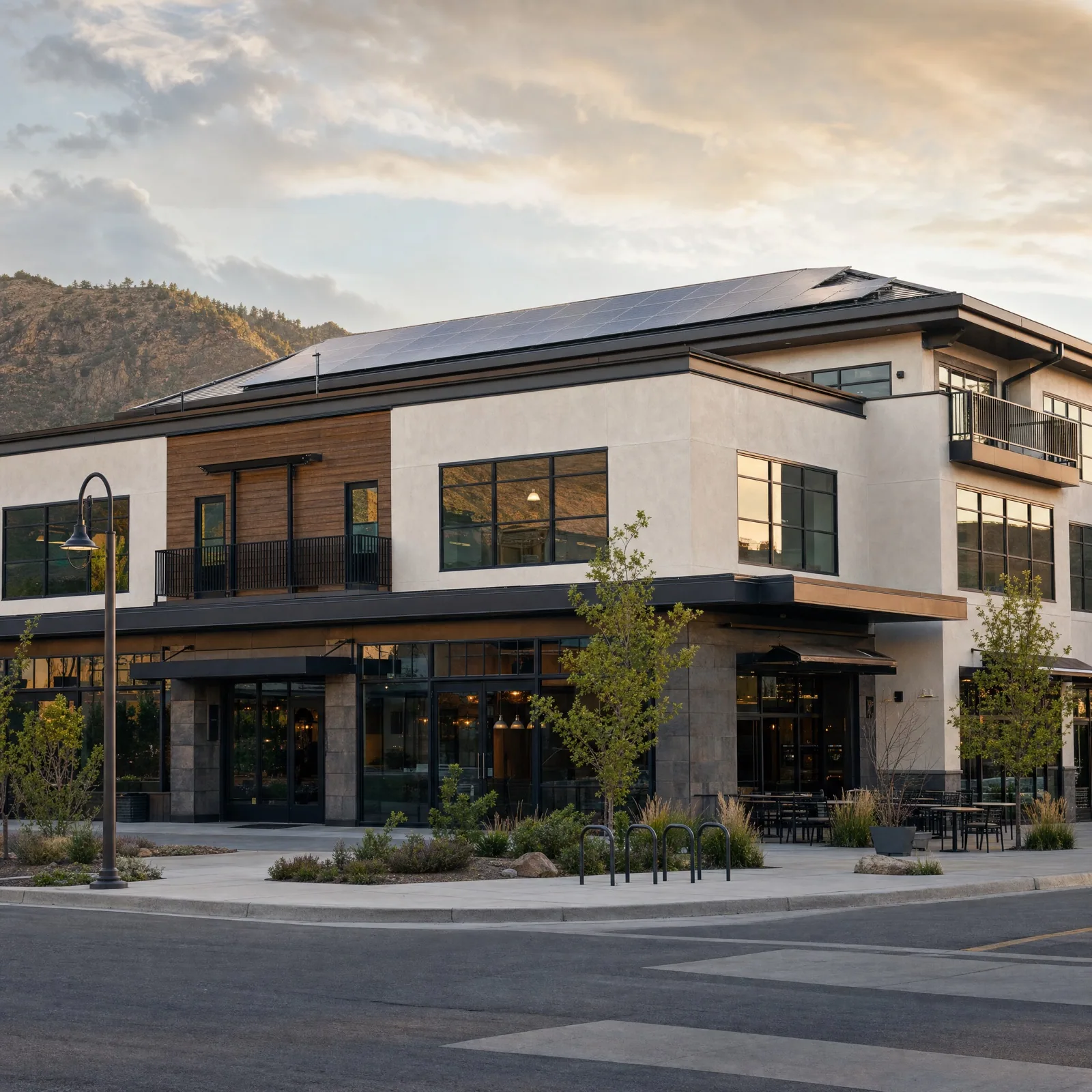
Commercial Roofing for Scottsdale Investors and REITs
Home / Industries We Serve / Investors and REITs
Scottsdale investors and REITs can compare roof renewal construction, retained layers and unresolved investigations. Review costs, dependencies and timing.
Retaining an existing roof assembly changes the investigation needed before an investment committee can compare a renewal amount. A surface that appears repairable does not establish the condition of concealed insulation or its support. We explain which examination resolves that question and what construction each proposed option retains. The approval can then address an assessed operation, with the remaining decision and its effect on timing visible.
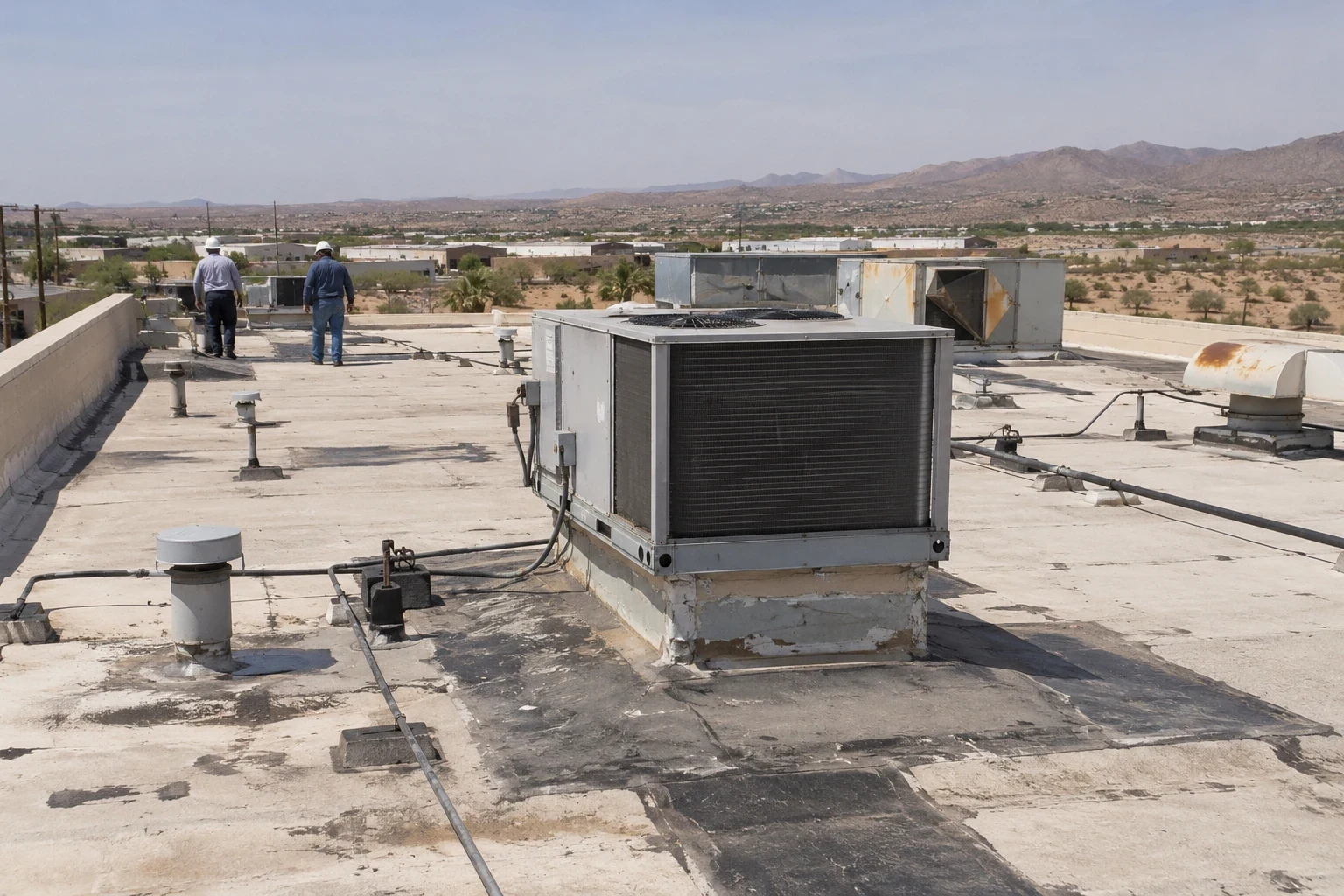
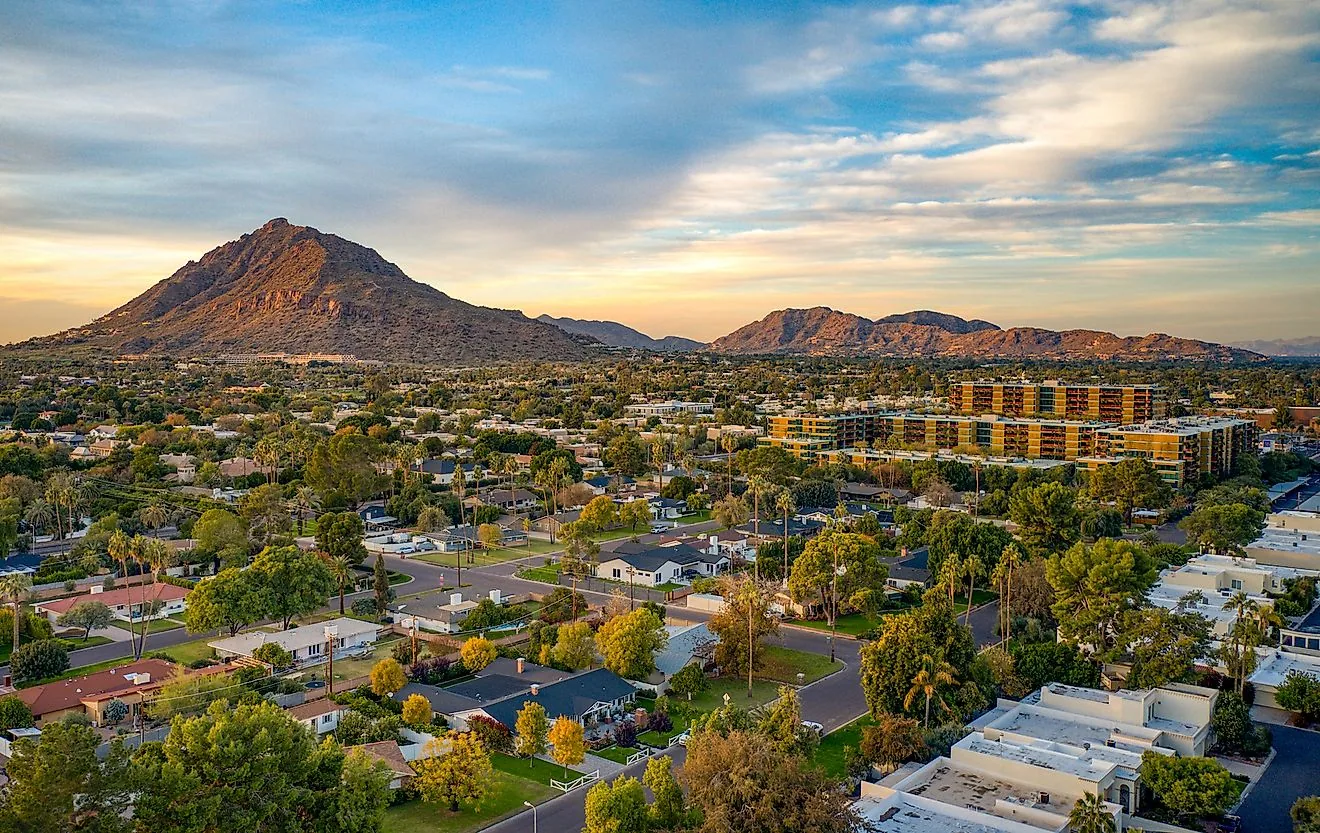
Tempe’s Maker District and Broadway Innovation Hub covers more than 600 acres of commercial, industrial, and manufacturing uses. A real-estate portfolio spanning that area and Scottsdale can share financial oversight, but roof-condition assumptions should not transfer between assets. We identify each assembly, photograph the details affecting renewal, and separate a repair allowance from a replacement estimate. If retained layers or hidden moisture remain unresolved, we state the investigation needed before an investment committee compares options. The report ties each amount to a roof area and construction boundary, then shows which work can be sequenced by tenant or asset. That lets the owner compare near-term protection with capital work using the evidence for each property. Mesa employment centers include Downtown Mesa, Falcon Field, Fiesta, Mesa Gateway, and Riverview, which makes building-by-building roof evidence useful when comparing investment priorities.
Concealed condition can change the comparison
Wet insulation can affect the material retained beneath a proposed new covering. Examine accessible construction and identify further investigation where concealed condition controls the operation. Available records help establish installed products and earlier alterations, but a recorded assembly does not settle its current suitability. We explain the inquiry, its access requirement and restoration of the opening. The investor receives the construction question that remains unresolved before approving an approach dependent on those layers staying.
Due diligence examining the roof construction relevant to the transaction can distinguish assessed areas from portions requiring another visit or opening. Keep the location of findings useful for subsequent design and pricing. An inaccessible section should retain its examination task. We discuss how its result could affect removal and preparation rather than extend the observed condition across an unexamined roof. The review then supports a defined decision without treating limited access as a completed assessment of concealed construction.
An infrared moisture survey can help identify thermal patterns for further investigation under appropriate conditions. Interpret the observations with the actual assembly and confirm relevant findings. A pattern alone should not become an assumed removal quantity. Where additional confirmation is needed to develop the work, identify it before the allowance is treated as settled construction.
Amounts need the same repair boundaries
A renewal comparison can be distorted by different removal limits. We identify the existing materials removed, preparation performed and new layers installed in each option. Perimeter and penetration work also belong in that comparison. A replacement amount that rebuilds an unsuitable transition differs from one leaving its backing for another operation. Locate those responsibilities so the investment contact can compare the same completed condition instead of only the new surface named in the proposal.
Through recover assessment of the retained assembly and its transitions, review suitability for the selected construction, attachment and intended service conditions. A new covering requires suitable support and details at changes in height or adjoining equipment. Replacement may open more construction for correction, with removal and handling affecting the interval. We explain the reason behind the recommended extent and any investigation still needed. The investor can see which task changes the amount and which decision can alter the proposed approach.
Adjoining work belongs in the approval
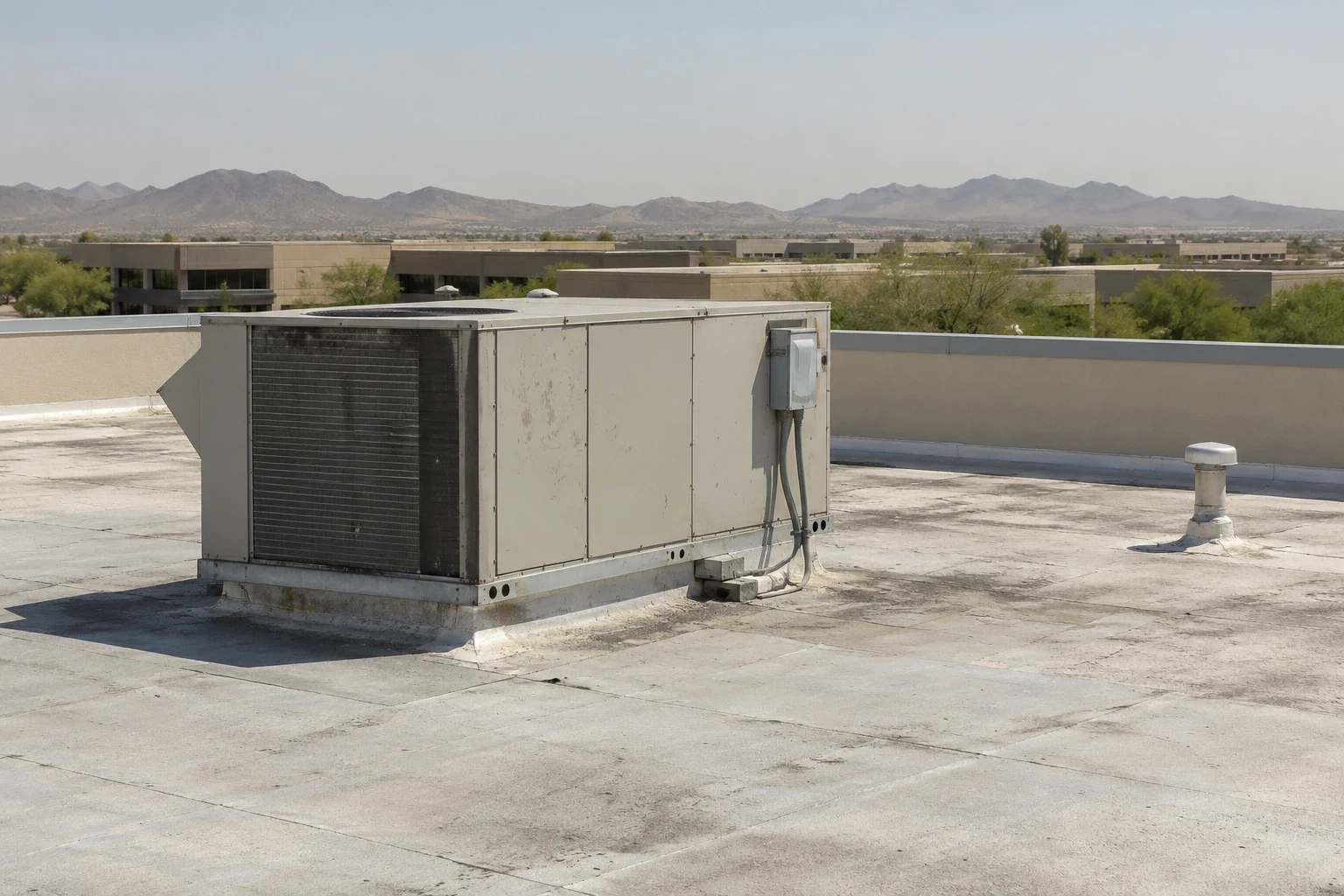
A roof edge can require supporting repair before new metal and membrane connections are completed. Inspect the affected construction and identify the receiving condition needed for the selected detail. A local flashing repair may also depend on equipment isolation or movement by its responsible representative. We separate the roofing operation from that component task and show the sequence. Their costs and availability can affect the wider project even when the roofing materials themselves are ready.
Where a general contractor coordinates supporting alterations, identify the handoff needed before roofing preparation proceeds. The permanent connection should follow suitable backing and the relevant component decisions. We describe interim protection for the opened position if a preceding task remains incomplete. The approval contact can arrange the work with a useful understanding of what must happen first. A different receiving condition needs review before the same detail is assumed appropriate.
Material and operating requirements affect timing
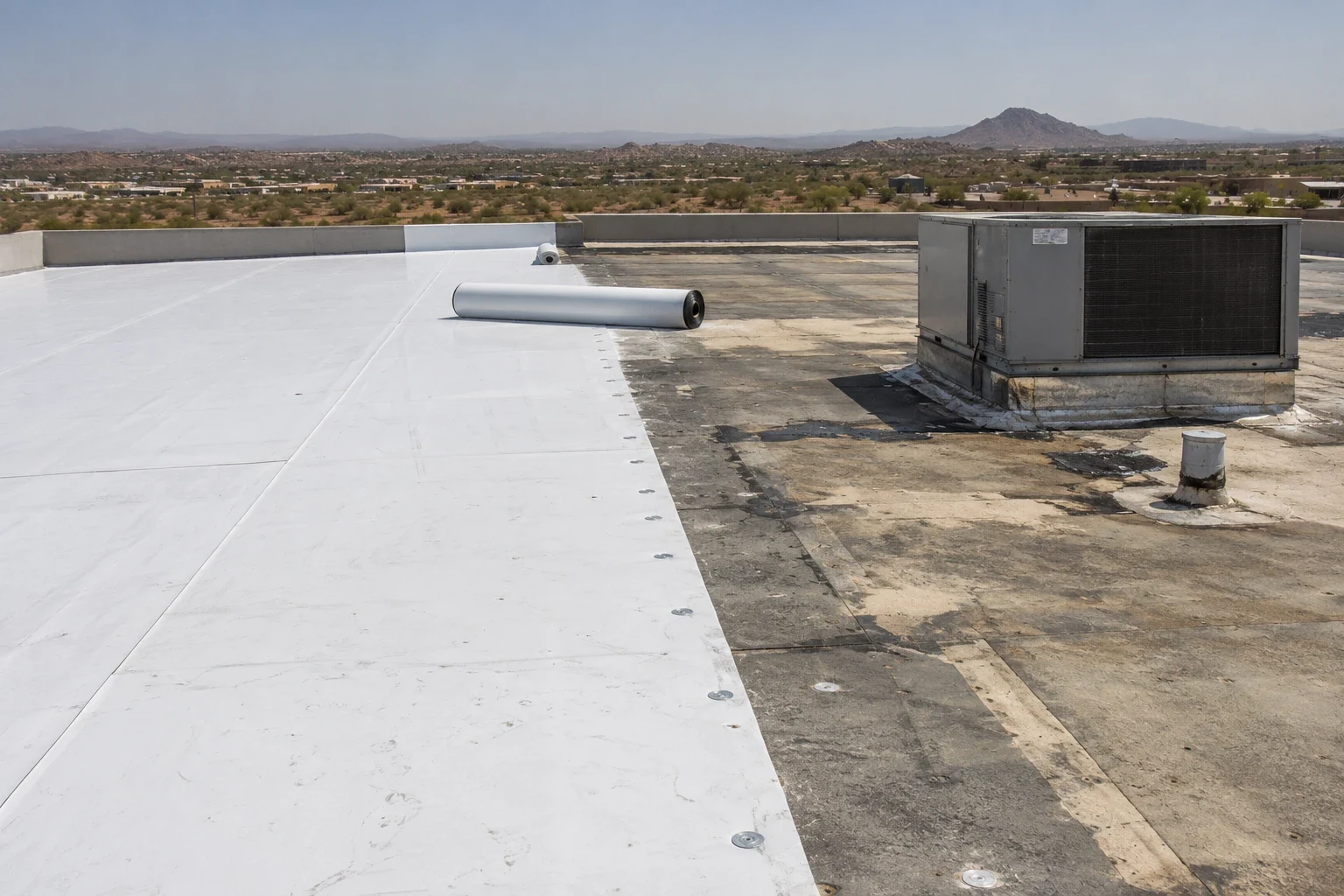
A selected product can introduce a material lead time that changes the interval available for renewal. Confirm availability for the proposed assembly and coordinate delivery with handling and storage arrangements. Preparation and application conditions also matter for the chosen operation. A coating needs an assessed, compatible receiving surface and suitable application conditions. A membrane replacement needs its removal and closure sequence considered alongside weather and property restrictions. We explain those dependencies with the proposed work so a target date has a construction basis.
For a requested property review near Southern Scottsdale commercial area, identify the building contact able to arrange the relevant access. Management can supply occupied-area requirements for that assignment. Property management coordinating the roof work interval can arrange tenant communication and component representatives. We provide the operation and areas affected for those decisions. Funding approval and practical readiness need to meet before the roof is opened, with another task kept visible where it still controls completion.
Phased work requires attention to connections between new construction and the area temporarily retained. Explain the temporary and permanent details at that boundary. An approved first phase should retain its closing operation and any later transition task so the next amount is developed against the condition that will actually remain.
Installed work should remain identifiable
A completed renewal needs a useful account of the construction installed and the material retained. Locate repaired transitions, earlier investigations and relevant photographs in the completion information. We distinguish the finished roofing operation from another supporting or equipment task still awaiting action. The receiving investment or management contact can then carry the correct condition into later planning. An image of a finished field alone may not show the preparation or component dependency that determined its repair extent.
Condition reporting with located repair and retention findings provides a basis for a later examination. Review changes at the affected position against its installed material and connection. A developing seam concern or loose termination requires its appropriate correction rather than an assumed broad renewal. We describe the observation supporting the next task, preserving the distinction between a local material operation and a question affecting more retained construction.
Commercial Roofing Questions
What concealed question can change a recover decision?
The condition of retained insulation and supporting layers can alter suitability and removal. We identify the investigation needed to settle those parts of the proposed assembly.
Which differences matter when two renewal amounts are compared?
Compare removal, preparation, installed layers and completed transitions. Equipment and supporting repairs should keep their responsible operation identified.
How can a phased renewal affect the following approval?
Its closing detail and retained boundary determine the condition left for later work. Locate temporary connections and the permanent transition still required.
What changes the interval after material selection?
Availability, delivery arrangements and application conditions affect readiness. Preceding equipment or backing work may control when the roofing operation can start.
What roof information should remain with the investment record?
Retain installed material details, locations of repairs and relevant investigation photographs. Keep any separate unfinished component task distinguishable from completed roofing.
Review the construction behind the renewal amount
Send the property address, available assembly records and approval timing. We can assess retention questions, compare the proposed work and identify tasks affecting its interval.
Call or Email
Helpful to have ready:
The property address and a building contact
Where water or damage shows up inside
The roof type and age, if you know them
Photos and any past roof reports