
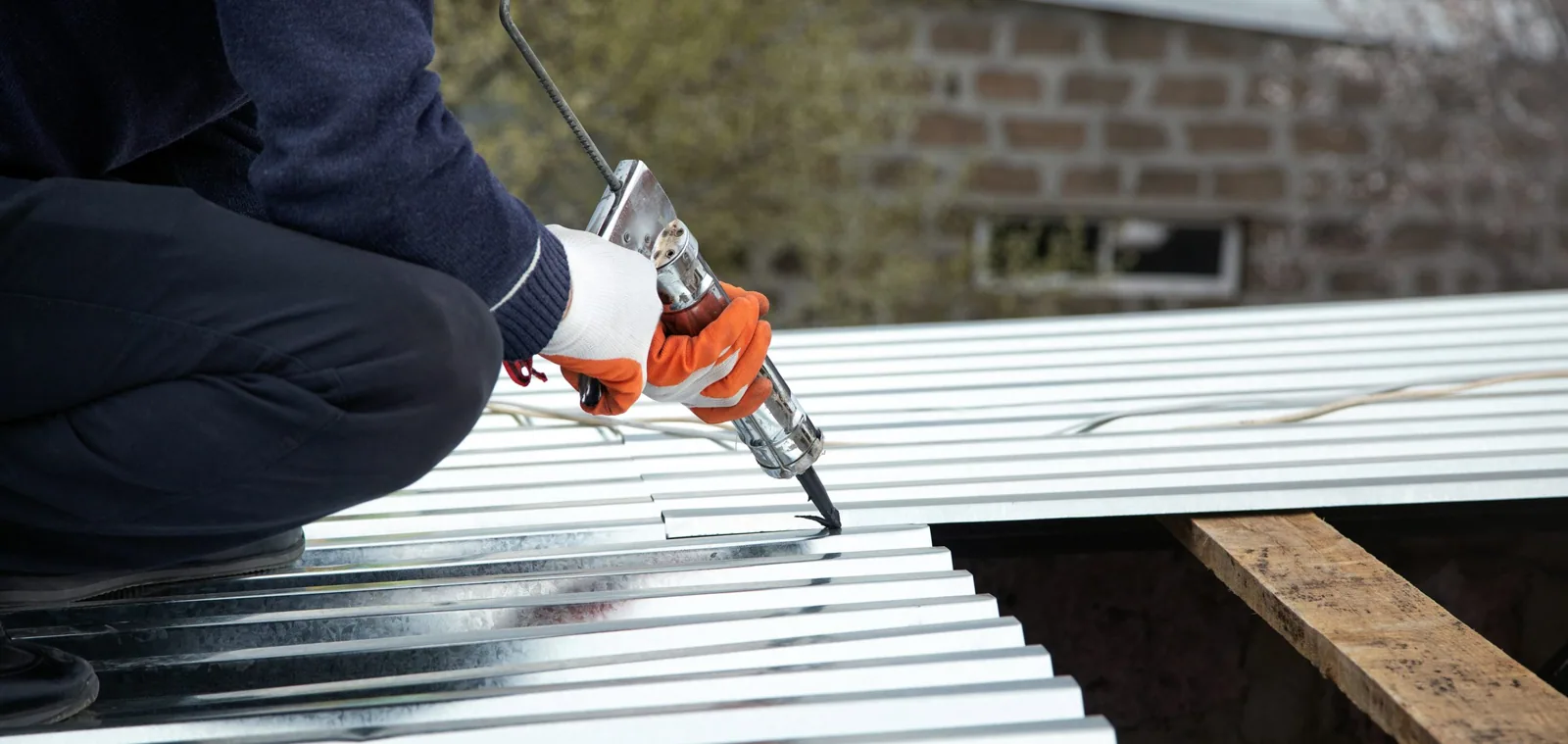
Commercial Silicone Roof Coatings in Scottsdale, AZ
Home / Roof Systems / Silicone Roof Coatings
Assess Scottsdale silicone roof coating by existing membrane, drainage, adhesion, preparation, film thickness and manufacturer-approved use.
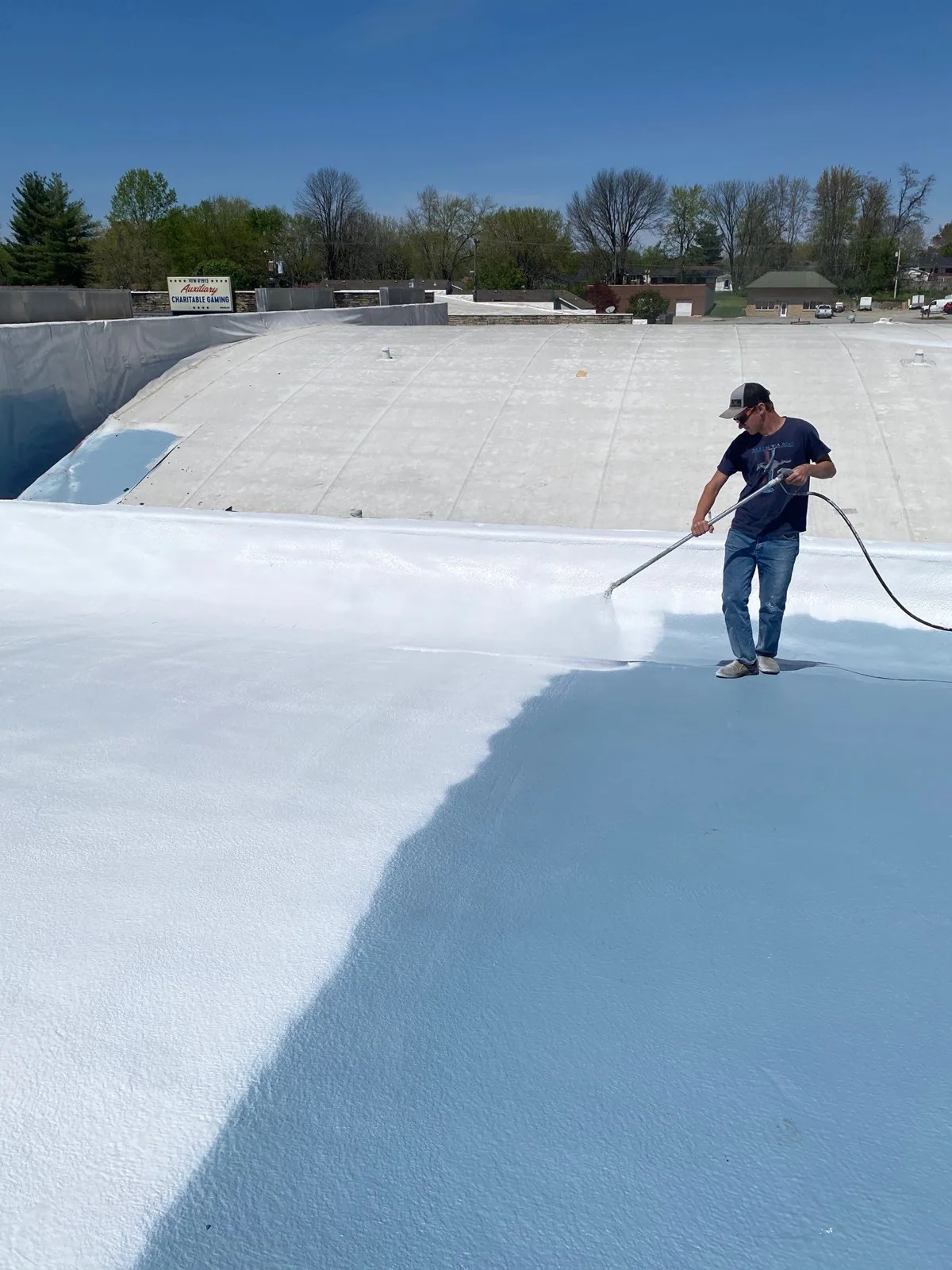
A silicone roof coating is a fluid-applied restoration layer for a roof that is structurally suitable to retain and prepare. The exact silicone product, primer, substrate and application thickness must be approved as one system. A coating can renew a serviceable roof surface; it cannot repair a failed deck, dry wet insulation or make an unstable membrane sound.
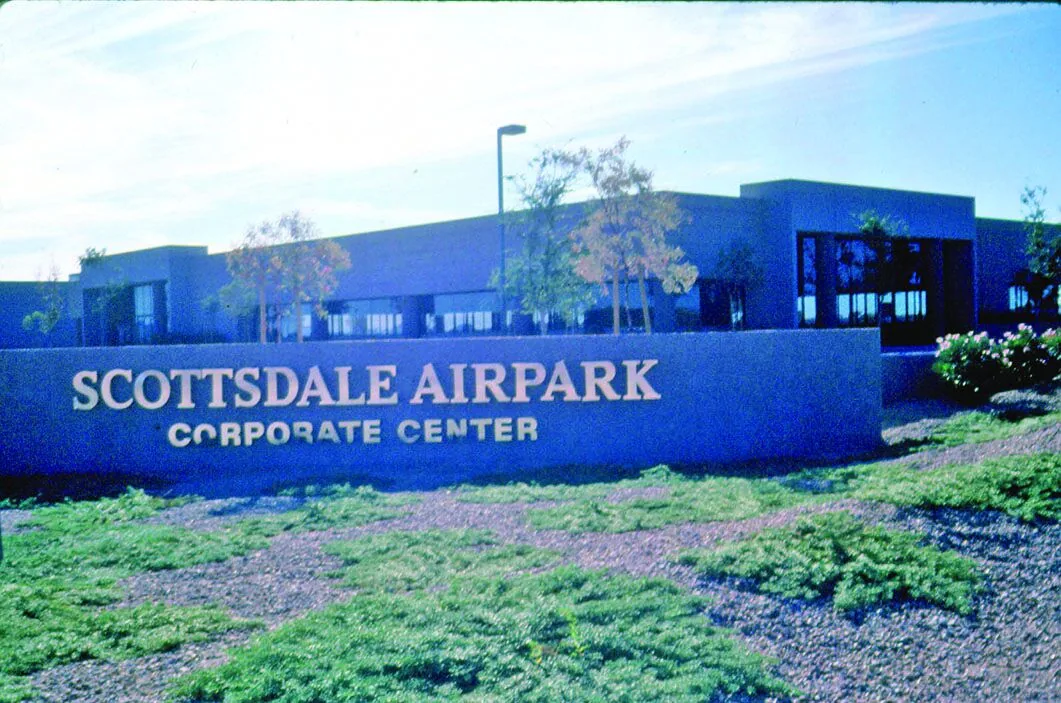
At a property near Scottsdale Airport and Airpark or the McDowell Corridor, the district name does not tell us what roof is installed. We map the current membrane and drainage, test representative surfaces for adhesion where required, and locate penetrations that need repair. Those observations determine whether a coating is a practical scope or whether the roof needs more extensive work.
Match the silicone product to the existing roof
Silicone coatings are not interchangeable. Products differ in solids, cure chemistry, approved substrates, colors, primers and application instructions. GAF lists specific coating products for several substrates, including some metal, single-ply, asphaltic, concrete, spray-foam and previously coated surfaces. That product list does not approve every roof condition or every silicone formulation for those materials.
Start by identifying the existing membrane and prior coatings. Asphaltic roofs may need a manufacturer-approved bleed-block or primer to limit staining; a smooth, coated or weathered surface may need a different preparation. For a named product, follow its current data sheet to determine cleaning, repair, primer and adhesion testing. If the roof has an unknown coating history, test representative areas before pricing full coverage.
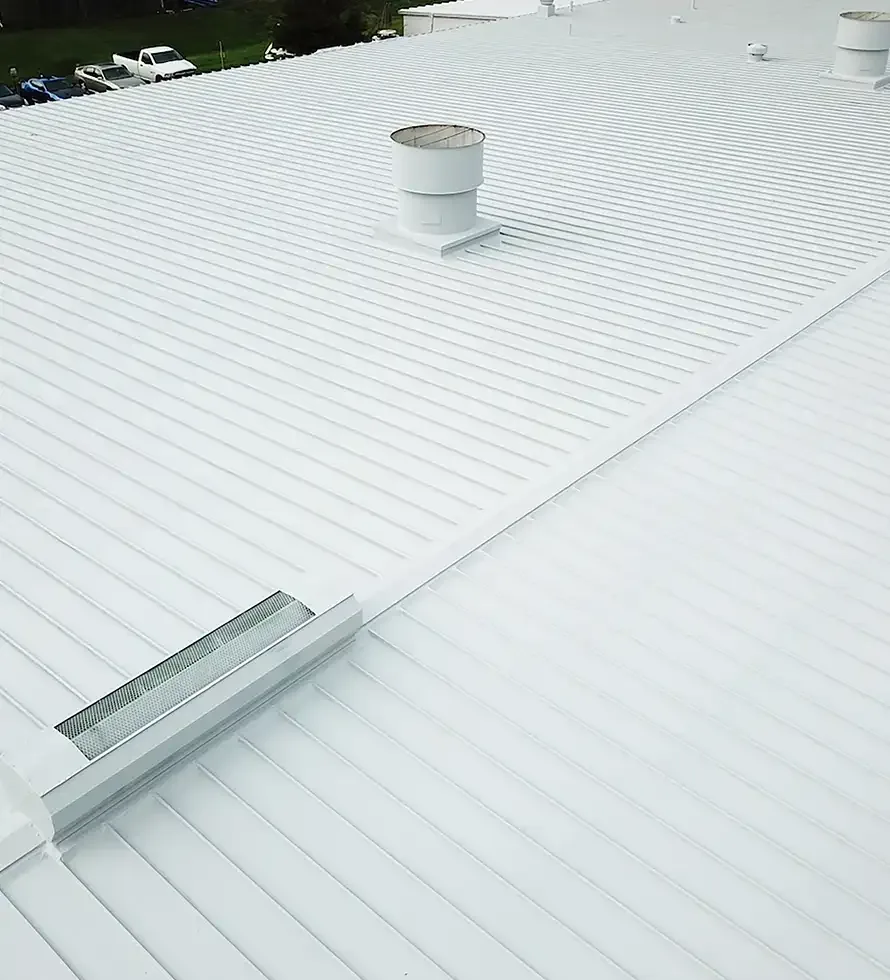
Check the exact product’s published reflectance and emittance only if those values matter to the project. White silicone and another color may have different ratings. Dust accumulation, nearby operations and future maintenance also affect the surface. A reflective rating does not promise a specific reduction in utility bills for an individual building.
Qualify the roof before applying a restoration layer
Inspect the membrane, deck history, penetrations, drains and perimeter. Look for wet insulation, loose or split seams, corrosion, blisters, open flashings and repairs that are no longer bonded. A GAF silicone-over-asphaltic restoration guide calls for a clean, dry and tight roof, identification of wet areas and an adhesion test for its system. Those checks illustrate why the existing assembly must be qualified before coating.
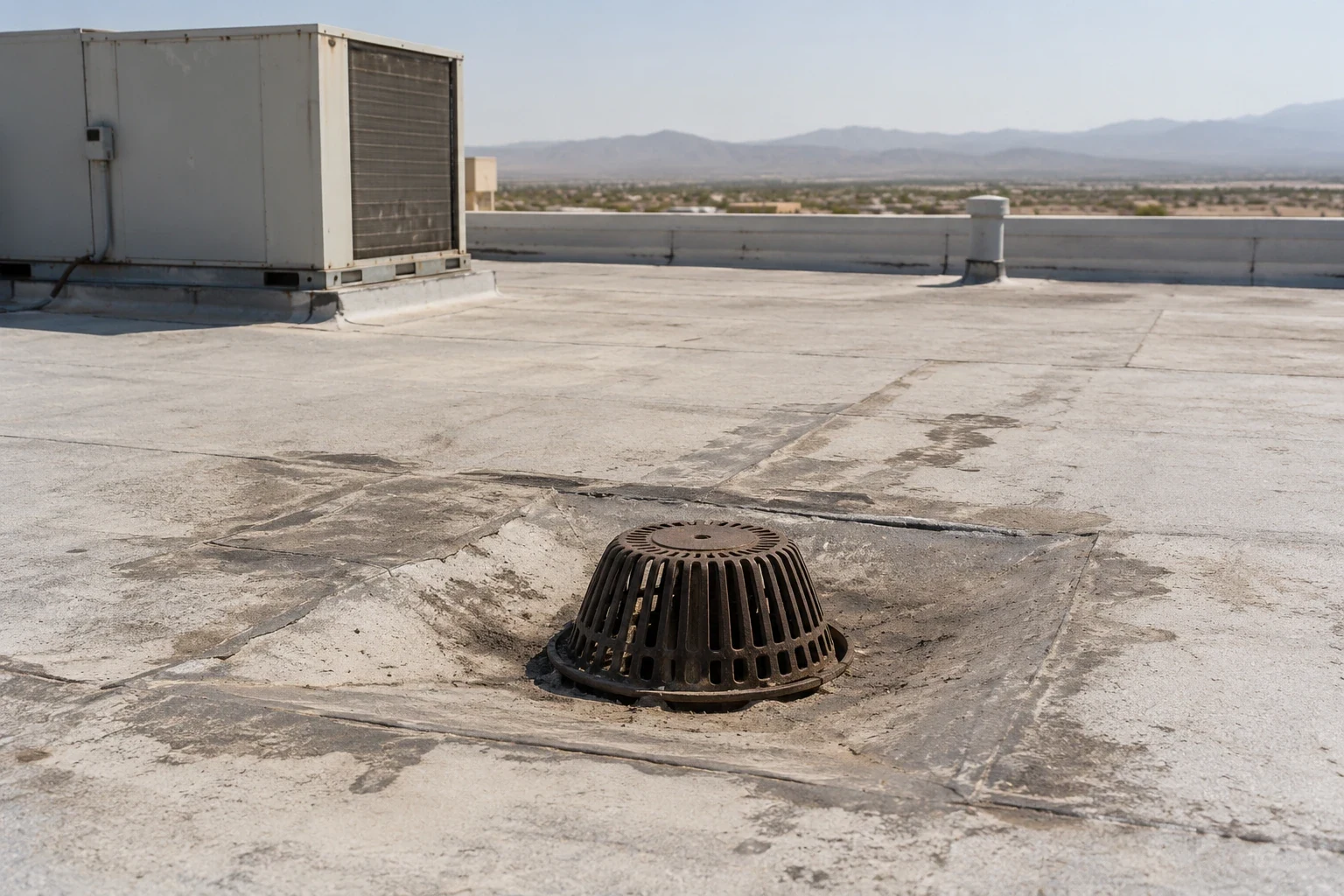
Positive drainage matters even where a particular silicone product is described for ponding-water resistance. Find the low spots and their causes, including blocked outlets, failed drains, displaced insulation and condensate discharge. Repairing drainage can reduce stress on the roof and helps distinguish an intended coating use from a persistent water-management problem. Include drain and scupper work where the inspection identifies a defect.
Remove or repair unsound areas using manufacturer-compatible materials. If moisture is concealed, define the method and limits for test cuts or other investigation, then include patching and replacement of affected layers. A surface coating over a wet or detached area may hide rather than resolve the condition. Record the boundary between repair, preparation and coating so the owner can compare proposals.
A dry appearance is not enough to approve a coating surface. Confirm that the old membrane is secure, the repair materials have cured, contaminants are removed, and moisture is not trapped beneath the area to be coated. Test representative zones where the substrate changes or past repairs create different surfaces. A primer can improve adhesion only when the product instructions call for that primer on the identified material. Record the test locations and results, then establish the preparation boundary before estimating coverage. If the coating cannot bond consistently, isolate those areas for repair or removal instead of including them in one uniform application quantity.
Specify preparation, coverage and cured film thickness
Surface preparation can include washing, removal of loose material, seam or fastener repairs, compatible primer and adhesion testing. Let the chosen product dictate those steps. Verify that rinsing or cleaning residues are gone and that the surface is dry enough for application. Weather, temperature, humidity, dew and wind may affect cure and overspray control; follow the manufacturer’s current application window and the project’s site plan.
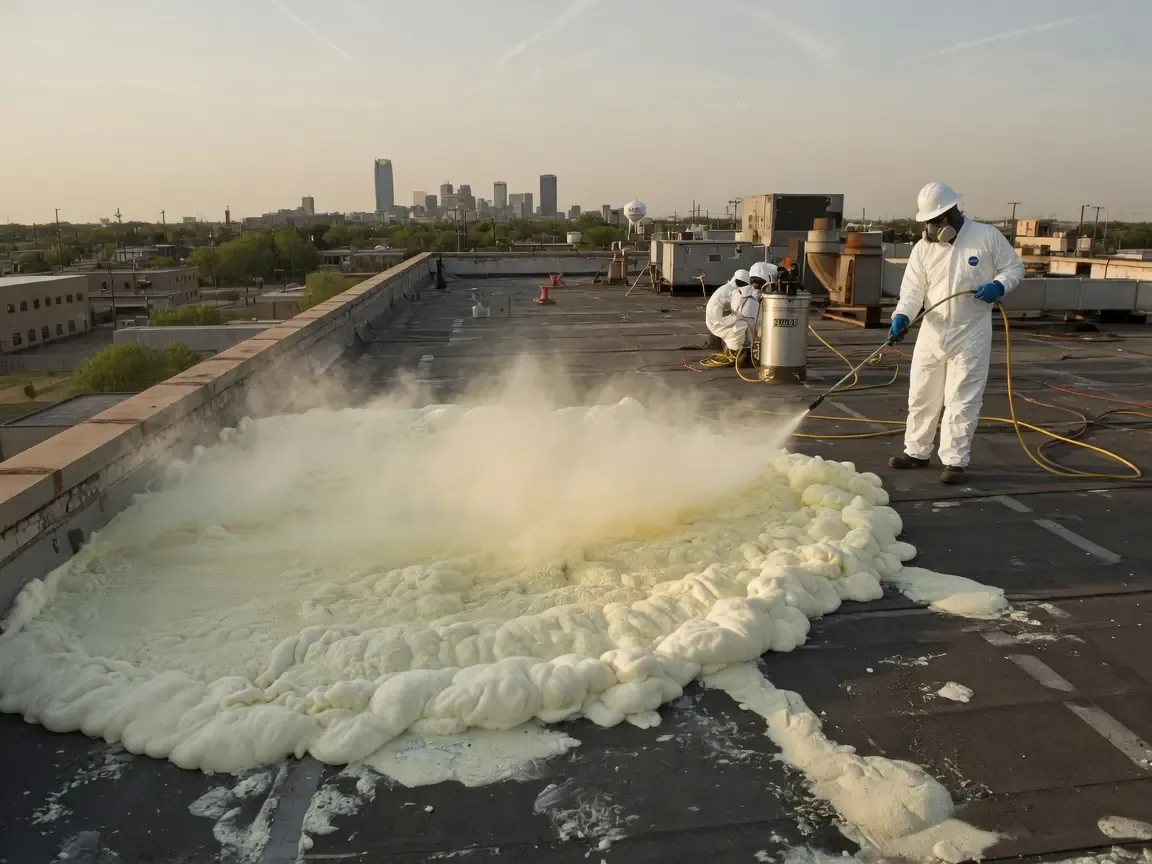
The scope should state the product, primer, number of coats, application rate, reinforced details, total dry-film thickness and inspection method. A one-coat option for one high-solids silicone is not a blanket rule for all products or surfaces. Measure installed coverage against roof area and container use, and document detail work at seams, curbs, penetrations and edges.
Protect air intakes, rooftop equipment, adjacent walls, vehicles and occupied spaces from coating materials and overspray. Coordinate site access and ventilation with the facility contact. If the property uses a rainwater collection system or has other sensitive operations, confirm product eligibility and project controls before application.
Compare silicone with other restoration options
Silicone is one coating family. Compare it with acrylic roof coatings by the substrate, drainage conditions, product compatibility, site weather and maintenance plan. Some silicone data sheets make product-specific statements about ponding water; acrylic systems may have different limits. Do not treat those statements as generic properties of all coatings or as permission to ignore drainage defects.
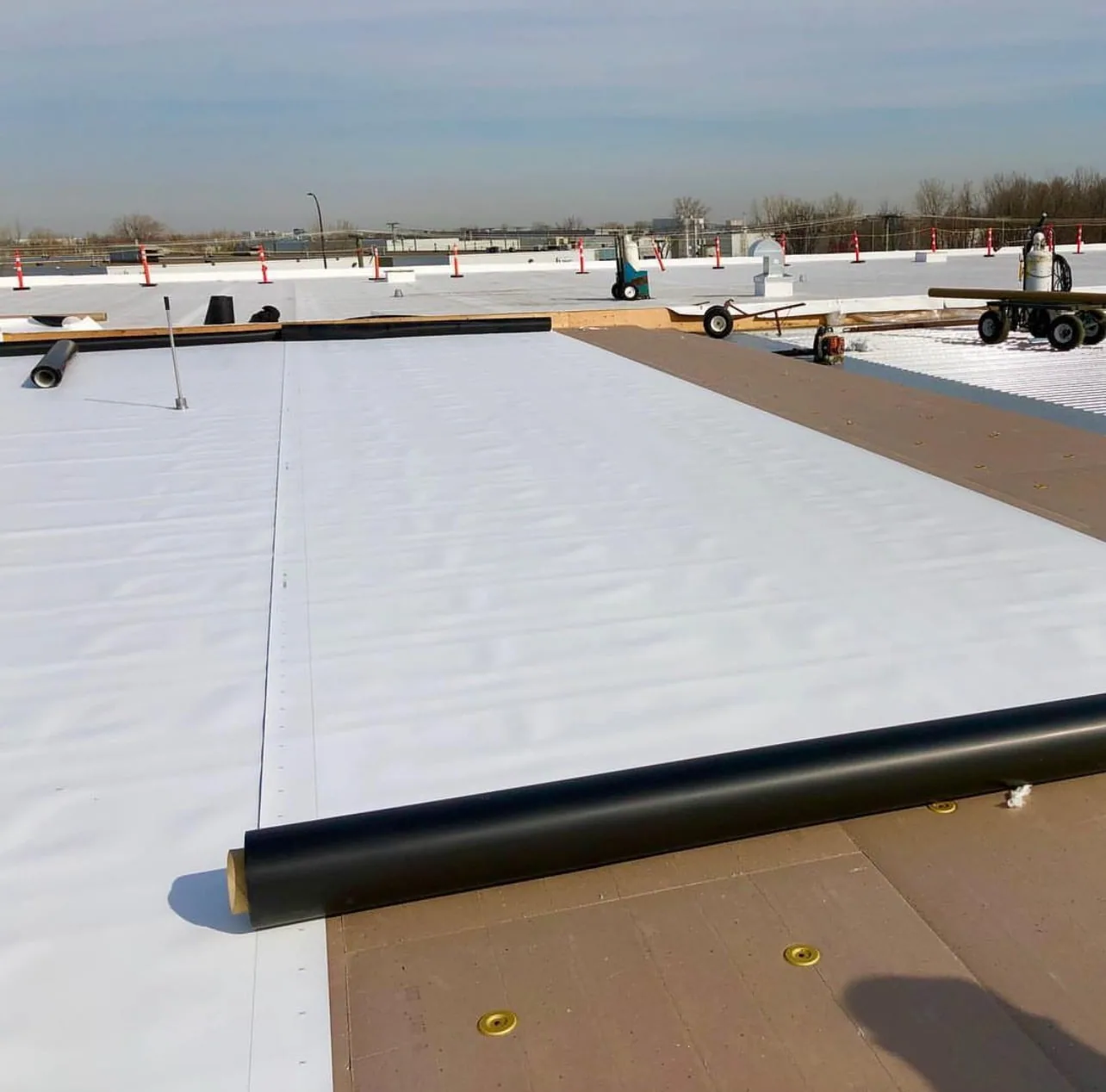
If the existing assembly is spray foam, compare the proposed silicone against the named SPF manufacturer’s coating requirements and inspect the foam for wet or loose areas. A dedicated SPF roof assessment can establish whether the substrate is ready for renewal. Where the roof is TPO or another single-ply membrane, verify the coating maker’s approved substrate list and preparation steps for the exact product.
When coating is not suitable, consider a roof coating restoration that includes the required repairs or compare it with membrane replacement. A documented roof inspection can distinguish coating wear from wet insulation, failed attachment or deck damage. For localized defects, coordinate commercial roof repair before applying a field coating over the area.
Plan future inspections when you choose a coating
Silicone is often considered because some products can be recoated, but recoating still depends on the condition of the existing layer and the next product’s compatibility. Keep the product name, batch information, application records, coverage calculations, adhesion test results and repair locations. The maintenance file should say which sealants and coatings are approved for later service.
Inspect the roof after construction and set a recurring review plan based on the manufacturer’s instructions and building use. Check high-traffic paths, drains, penetrations and coating wear after trades finish equipment work. If ponding locations change, update the roof plan and determine whether drainage or substrate settlement needs attention.
Share the Scottsdale property address, roof plan, past coating records, leak history and available moisture-scan findings when requesting a proposal. The estimate should separate known roof conditions from areas that need more investigation. That makes the silicone scope, its preparation allowance and any remaining owner decisions clear before work starts.
Commercial Roofing Questions
Can silicone coating go over my existing roof?
Some products list multiple approved substrates, but the roof must meet the selected product’s condition and preparation requirements. Confirm compatibility and test adhesion where instructed.
Does silicone roof coating work where water ponds?
Some named silicone products publish ponding-water protection claims. Verify the exact data sheet and warranty terms, and still inspect drainage and the roof assembly before coating.
Can silicone be applied over an old acrylic coating?
Only when the selected silicone manufacturer approves that coating and provides the required preparation, timing, coverage and detailing instructions.
How do you estimate a silicone roof coating project?
We survey the existing membrane and coating, drainage, wet areas, adhesion, repairs, preparation, product coverage and site restrictions before setting the scope.
Request a silicone coating assessment
Provide the Scottsdale roof plan, existing membrane and coating records, leak locations and any moisture findings. We can identify surface preparation, repairs, coverage and open compatibility questions.
Call or Email
Helpful to have ready:
The property address and a building contact
Where water or damage shows up inside
The roof type and age, if you know them
Photos and any past roof reports