
Commercial Acrylic Roof Coatings in Scottsdale, AZ
Home / Roof Systems / Acrylic Roof Coatings
Plan Scottsdale acrylic roof coating by existing substrate, positive drainage, moisture, surface preparation and specified film coverage.
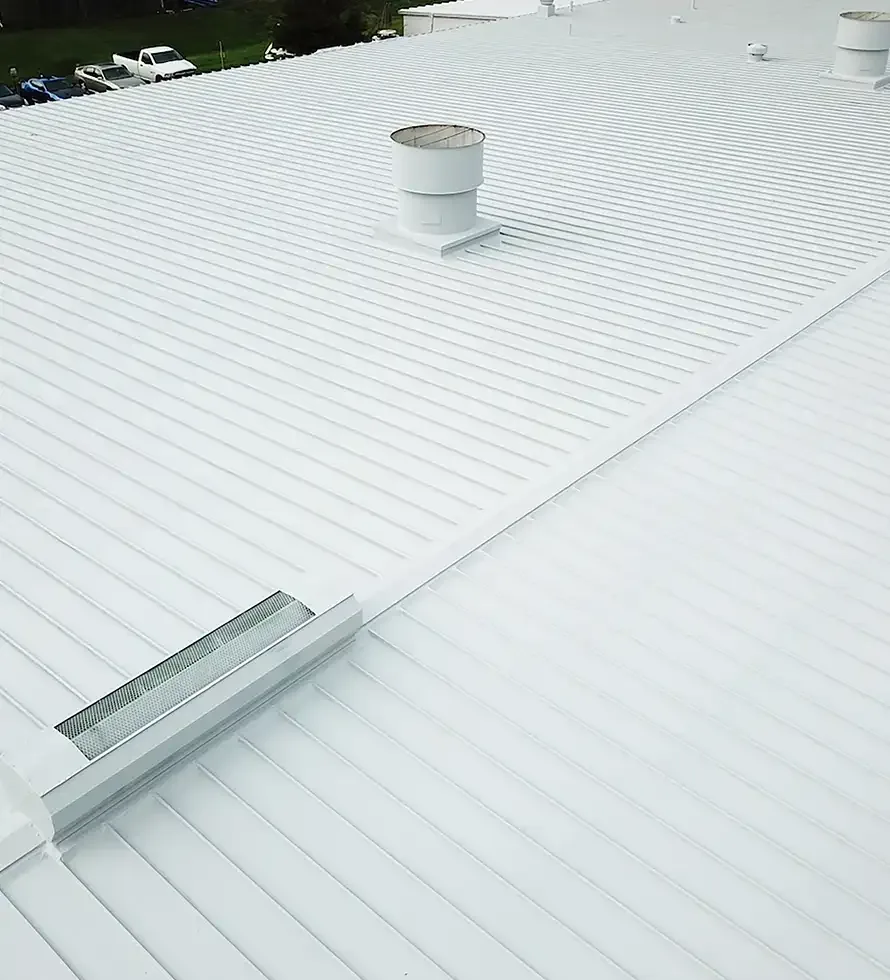
An acrylic roof coating is a liquid-applied restoration layer used as part of a specified roofing system. Product, substrate, primer, fabric reinforcement, surface preparation and application thickness determine the finished assembly. A coating scope makes sense only when the underlying roof can be retained, repaired and prepared to meet the chosen manufacturer’s requirements.
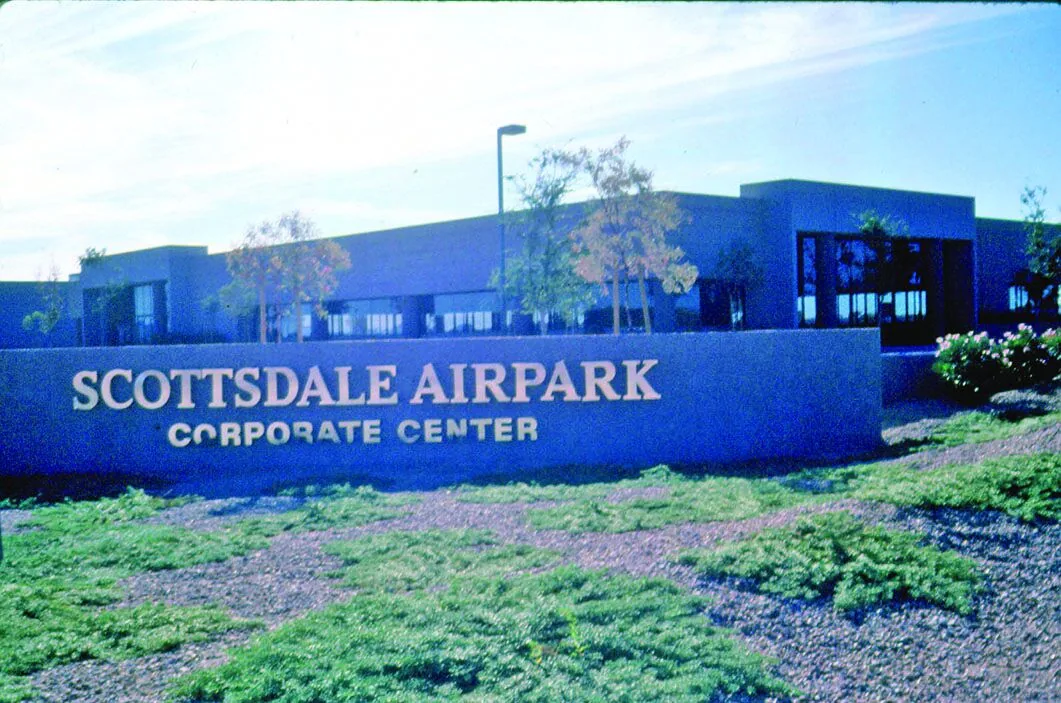
In Scottsdale Airport and Airpark and nearby areas such as Old Town Scottsdale, the address alone does not tell us what coating system a roof can accept. We identify the existing membrane, locate water paths, inspect prior coating layers and test representative surfaces where product instructions call for it.
Specify the base coat, top coat and reinforcement
Some acrylic restoration assemblies use a base coat with a separate top coat; others include reinforcing fabric at seams, transitions or wider areas. The product roles and approved combination come from the current system specification. GAF, for example, describes its acrylic base coat as a component designed to improve adhesion of its top coat and help block asphalt bleed-through. That is specific to the named system, not a reason to use an acrylic layer over any asphaltic surface.
The proposal should name each coating and flashing product, primer, fabric type, target coverage, number of coats, dry-film thickness and surface preparation. State where reinforcement is required and how much flashing material is needed at transitions. Verify the manufacturer’s instructions for the actual substrate, including metal, asphaltic roofing, single-ply membrane, SPF or an earlier coating. Approved substrates can differ from one product to another.
White acrylic products may publish solar-reflectance values or other ratings. Confirm the color and product number behind any performance value, and keep that property separate from projected building energy savings. Roof insulation, HVAC, operating hours, dirt and maintenance condition all affect how the building performs.
Check moisture, adhesion and drainage before coating
Survey the roof for wet insulation, loose seams, blisters, corrosion, open flashings, cracks, ponding and damaged penetrations. Identify areas where a coating would bridge a defect or hide a leak. If the deck or insulation is wet, coating over it will not remove the moisture. Define test cuts, moisture evaluation or adhesion testing where the existing assembly is uncertain, and document the findings by roof section.
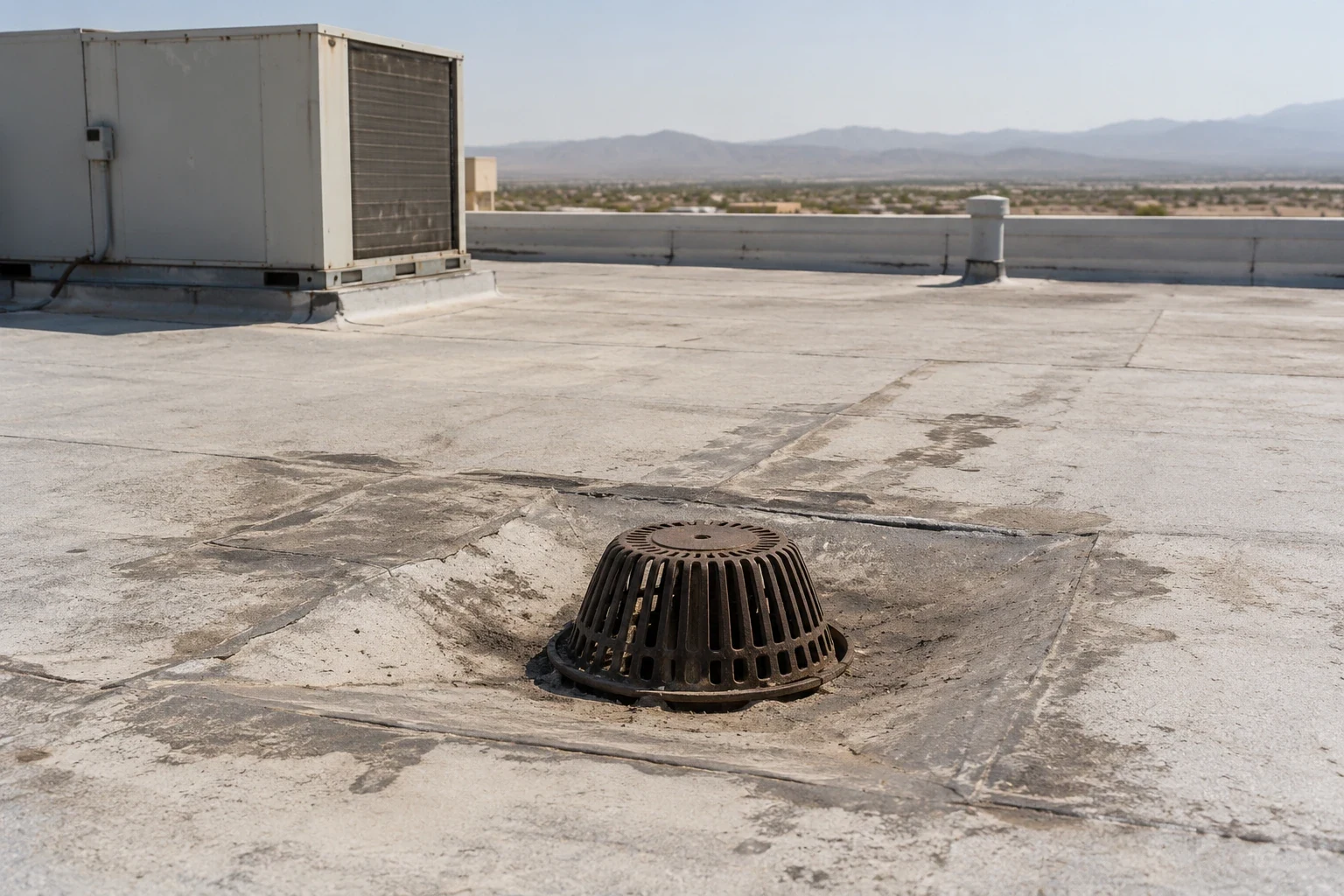
Positive drainage is an explicit preparation requirement in GAF data sheets for named acrylic products. Find low areas, blocked outlets, condensate discharge and changes in slope before specifying those products. Repair the cause where possible and include drain and scupper corrections when required. A smooth new coating does not make an obstructed drain function or stop water from collecting in a settled area.
Check adhesion on representative zones, including transitions between repair materials and older coatings. An unknown coating may be brittle, chalky, contaminated or chemically incompatible. Follow the manufacturer’s cleaning and test-patch procedure, then record which areas pass or need removal. If a surface has changed from one roof section to another, list the preparation by section rather than apply one assumption to the whole building.
Plan application around substrate and weather conditions
Water-based coatings need suitable air and surface temperatures, a dry substrate and enough time to cure. Conditions can change between application and evening, so confirm the product’s current temperature limits, rain exposure and recoat windows. Avoid relying on a generic weather forecast window when the roof is shaded, holds moisture or has hot metal surfaces.
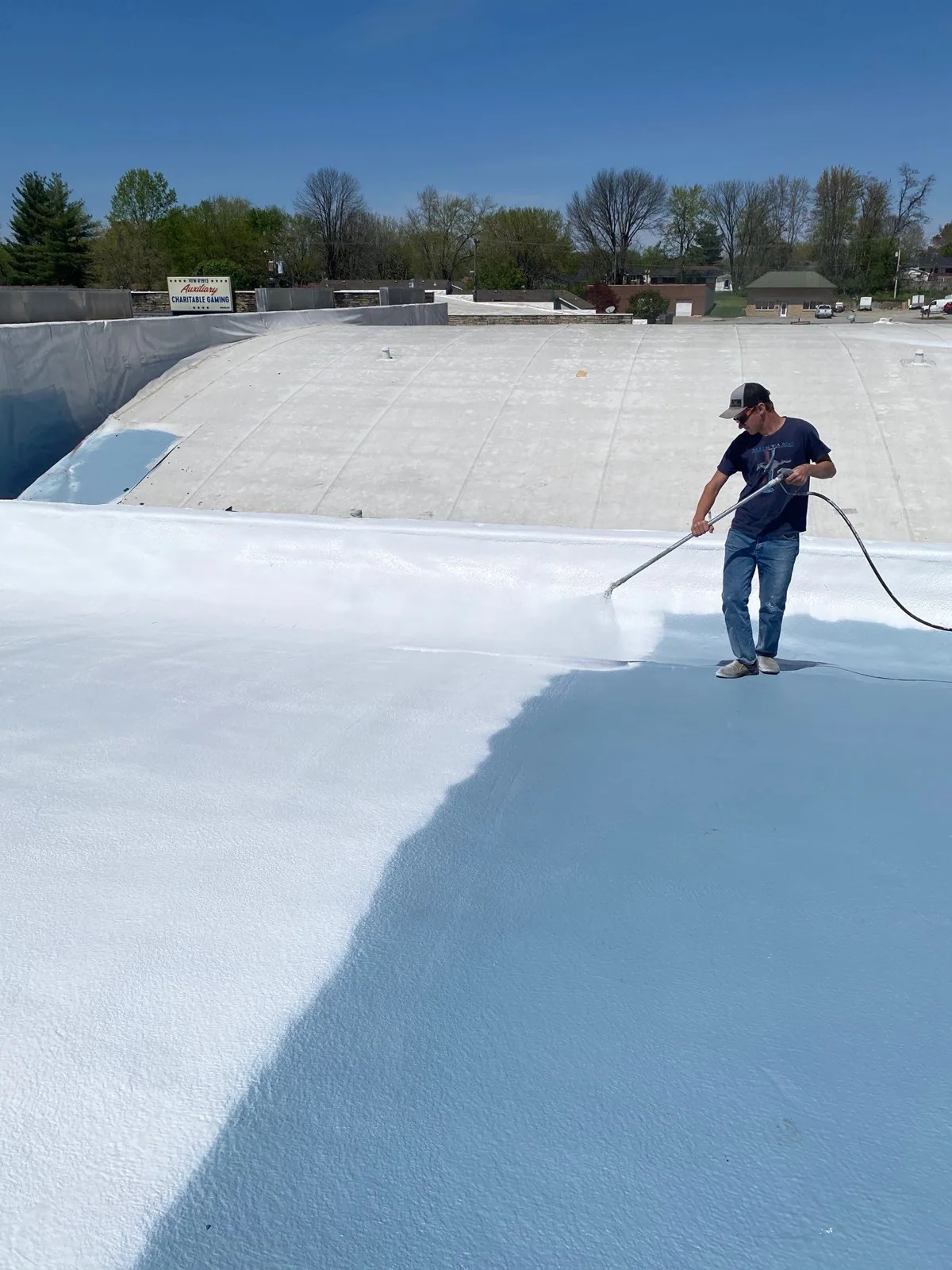
Apply materials at the required coverage and verify wet-film thickness while the work is underway. Total coverage depends on the existing surface and the specified system. Separate passes may be required to reach the target film; a single heavy application is not interchangeable with the manufacturer’s stated sequence. Record containers used, roof area completed, recoat times and detail reinforcement.
Protect air intakes, equipment, walls, vehicles and adjacent property from overspray. Coordinate material staging, roof access and occupant notices with the site contact. Treat exposed insulation, drains, curbs, expansion joints and rooftop penetrations according to the product’s detail drawings, including any required fabric or compatible flashing. Keep trades from disturbing a wet or curing surface.
Rain timing matters twice: the substrate must be ready before application, and the new film needs the manufacturer's stated dry time before exposure. Record the planned start, air and surface conditions, expected overnight temperature, and the recoat window for the selected product. If a cloudburst interrupts the work, inspect the boundary for wash-off, pinholes, or uneven film before applying another coat. Do not count a damp or contaminated section as prepared. A daily record of conditions and completed areas helps the owner understand why a coating phase paused and whether a return visit is needed before the next layer.
Compare acrylic with the substrate and water exposure
Acrylic coatings and silicone coatings differ in chemistry, product instructions and stated exposure limits. Compare the actual data sheet, substrate approval, drainage requirements and maintenance plan rather than assuming their colors or appearance make them equivalent. Some specific silicone products publish ponding-water claims; the GAF acrylic products cited here require positive drainage. Confirm those requirements for the named product before deciding.
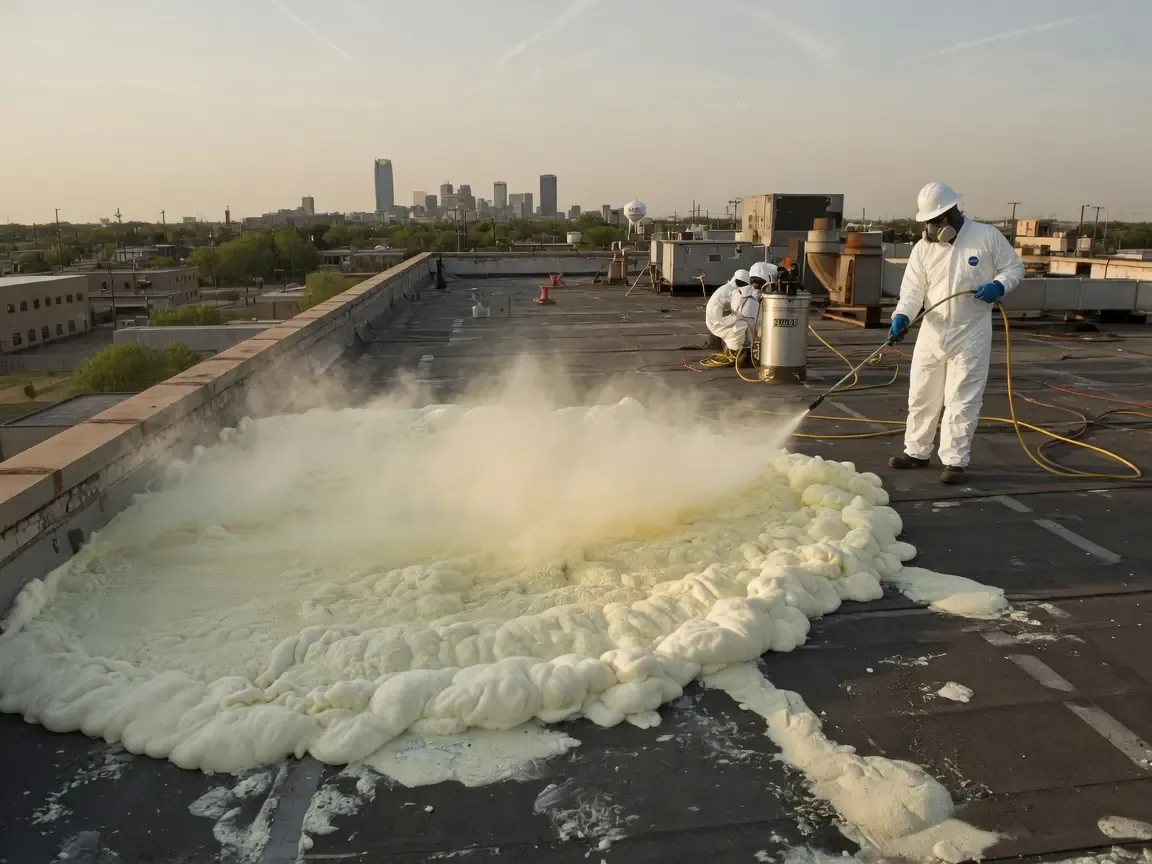
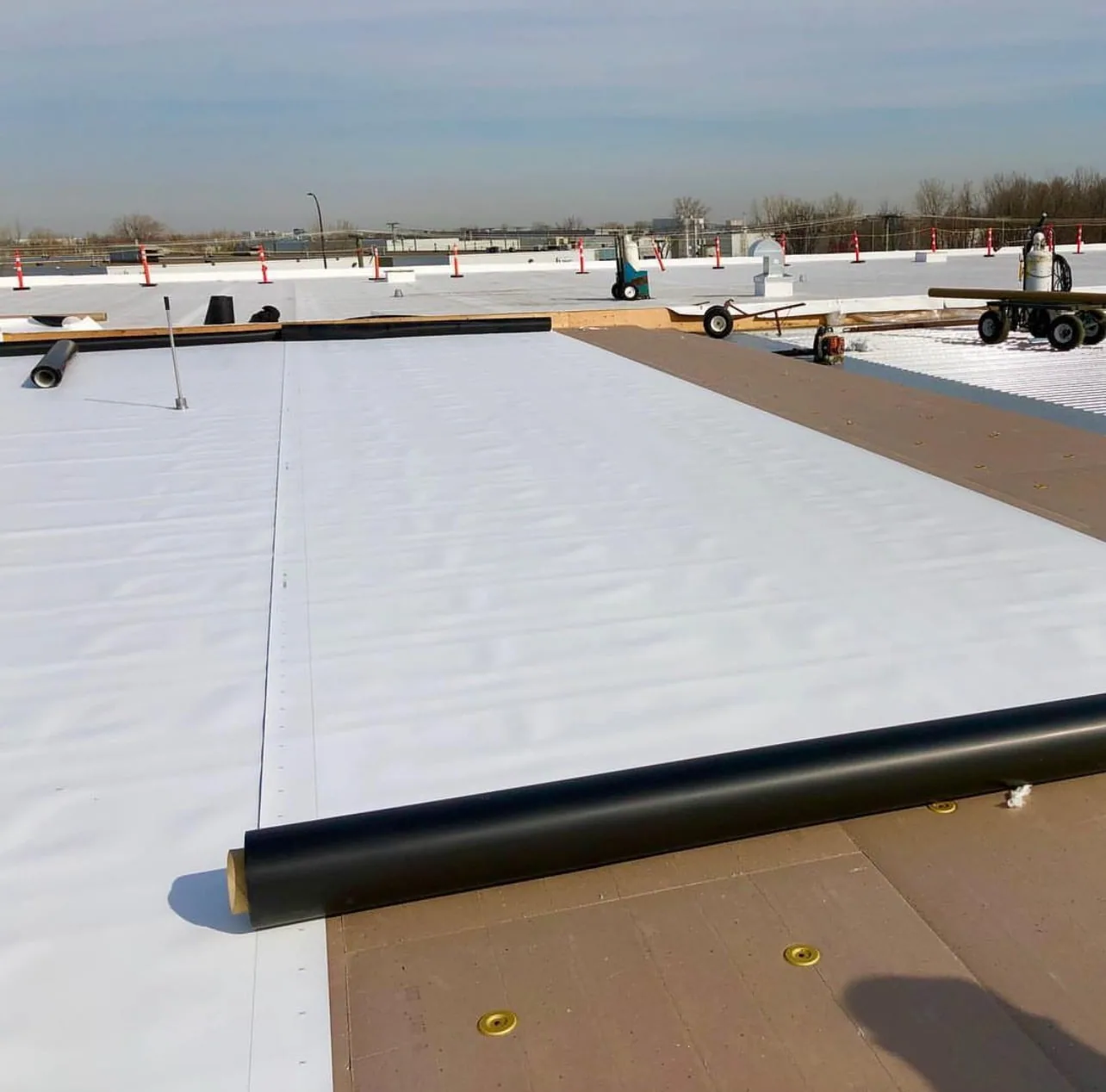
If the existing roof is spray foam, use the selected SPF supplier’s details for the acrylic top coat and any base coat. One GAF acrylic roof coating is listed for its own SPF system, with positive drainage, dry substrate and compatible base-coat steps. For a spray-foam roof, inspect for wet or damaged foam before recoating. Where the substrate is a single-ply membrane such as TPO, verify whether the chosen acrylic product specifically permits that use.
If the roof is too wet, detached or deteriorated to prepare, compare a larger restoration scope with replacement. For a localized defect, address commercial roof repair before coating around it. A roof inspection can help record coating condition and remaining open questions.
Keep a record for future coating work
Save the coating product numbers, color, primer and fabric, coverage calculations, application dates, weather notes, adhesion results and repair locations. Future service should confirm that its materials remain compatible with the existing system. A coating label on a roof hatch or maintenance file can prevent the next contractor from guessing what was applied.
Inspect drains, edges, roof penetrations, walk paths and areas around mechanical work. Note wear, peeling, cracks, blisters, surface contamination and any new ponding. Keep equipment vendors from attaching supports or routing condensate in ways that cut the coating or create a recurring wet area.
Before requesting a Scottsdale proposal, gather the roof plan, prior coating records, repair history, leak reports and any moisture or adhesion findings. A sound coating scope says what will be cleaned, tested, repaired, primed, reinforced and coated. It also separates those verified areas from concealed conditions that still need investigation.
Commercial Roofing Questions
Can acrylic coating go over any commercial roof?
No. Confirm the selected product’s approved substrate list and preparation steps. Existing moisture, weak adhesion or incompatible coatings may rule out an overlay.
Does acrylic coating work over SPF roofing?
Some named acrylic products are designed for specific SPF systems. Check the exact foam, base coat, top coat, drainage and substrate instructions before planning the work.
Can acrylic coating be applied over ponding water areas?
Check the product data sheet. GAF acrylic systems named in its specifications require positive drainage, so investigate low areas and correct water-management problems before coating.
What should an acrylic coating estimate include?
It should specify products, substrate preparation, repairs, primer, reinforcement, coverage, coats, dry-film target, access controls, testing and closeout records.
Request an acrylic coating evaluation
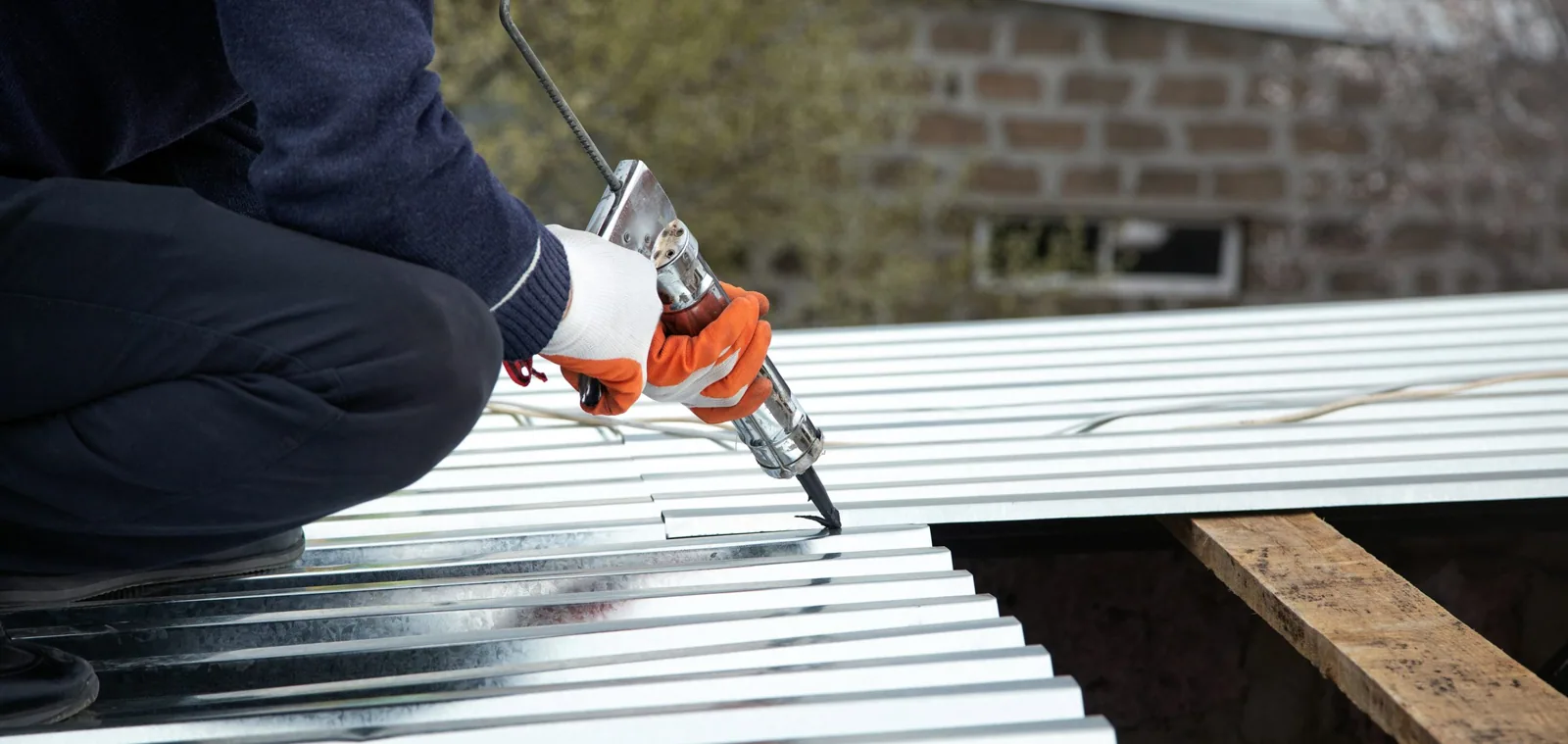
Send the Scottsdale roof plan, existing membrane and coating history, leak locations and drainage concerns. We can document visible conditions and outline the preparation and product approvals needed.
Call or Email
Helpful to have ready:
The property address and a building contact
Where water or damage shows up inside
The roof type and age, if you know them
Photos and any past roof reports