
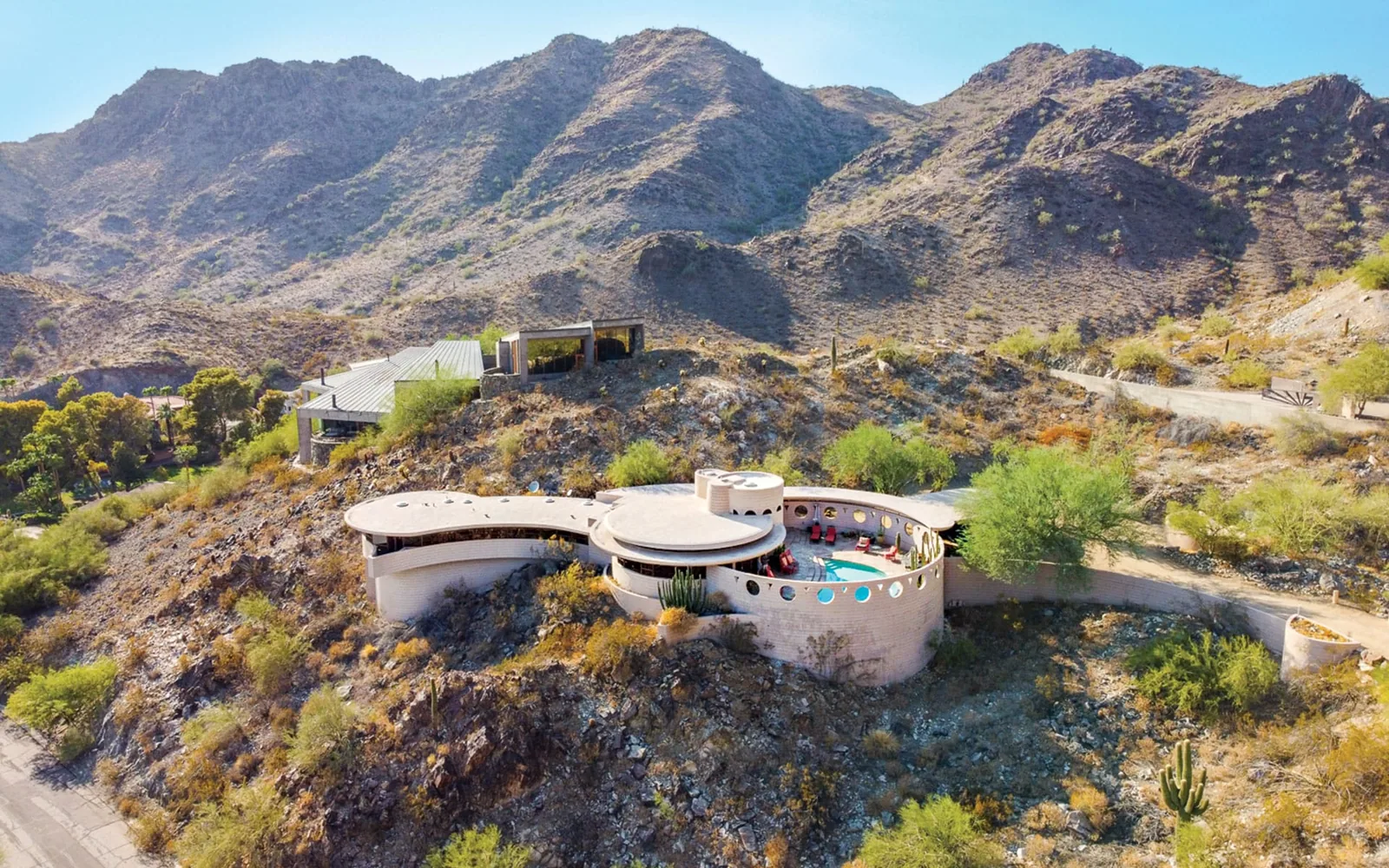
Commercial Roofing in Paradise Valley, AZ
Home / Service Areas / Paradise Valley
Commercial roofing in Paradise Valley for resort and medical-office properties. Plan inspections, repairs, replacement, and access using roof-specific findings.
Roofing demand in Paradise Valley is limited and property-specific, so a recommendation should begin with the actual building rather than a broad claim about the town. Paradise Valley is predominantly low-density residential, with limited commercial uses and no industrial land uses inside town limits; resort and medical-office development are also provided for. For a qualifying commercial property, we inspect the roof assembly, confirm the reported condition, and establish the access and approval needed for the proposed work. That land-use context helps set realistic expectations, but it does not tell us what roof system or defect a particular property has.
Map the occupied property
A useful service request identifies the building, roof section, reported room, and any previous repair. Resort operations may require coordination with facilities staff, guest-area protections, deliveries, and approved work hours. A medical-office property may need clear communication about equipment access and occupied rooms. We confirm those conditions with the property representative, then compare the interior report with roof seams, penetrations, drains, walls, and edges. The commercial roof inspection records what was accessible and separates observed defects from areas requiring a test opening. If the property is part of a larger portfolio near Scottsdale or Fountain Hills, its findings still receive a separate building record.
Before the visit, identify whether the roof plan reflects later additions, equipment moves, or a resurfacing project. A drawing can show the original drains and curbs while the current roof has different transitions. We compare the available record with field conditions and note where the two do not align. If access requires a key, escort, or roof hatch procedure, arrange that through the building representative. The inspection should state whether the entire planned area was reached. A limitation matters because a repair recommendation only applies to the surfaces and details that were actually examined.
Confirm what the roof inspection can establish
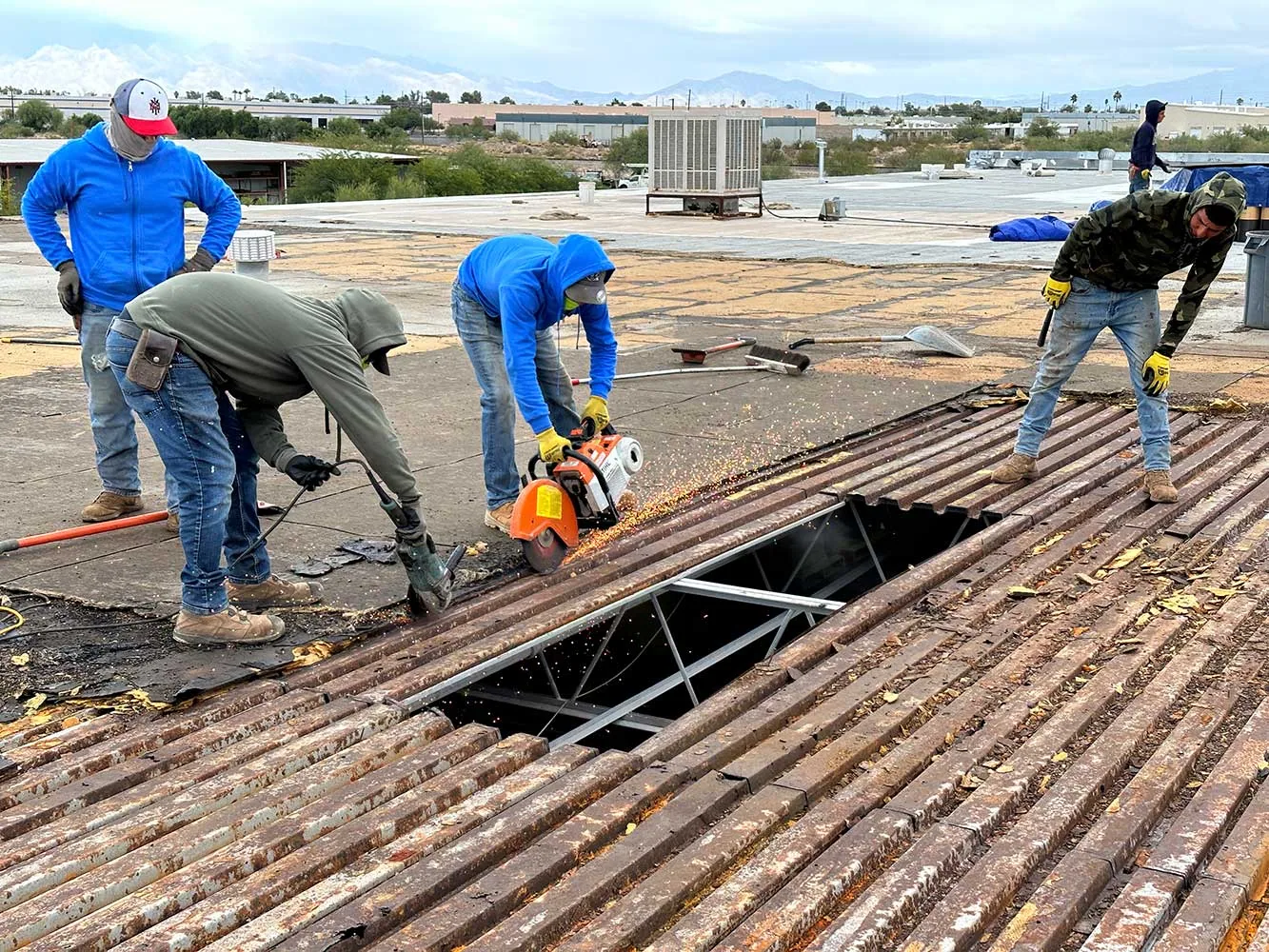
Repair limits should be stated in roof-plan terms: a seam length, flashing transition, curb, drain, or measured field area. We identify the existing material and use a compatible repair method only after its surface and substrate are suitable. The crew removes loose material, prepares the tie-in, and photographs the finished detail. If an opening exposes wet insulation or deteriorated deck, the area is protected and measured; the owner approves any added quantity before removal expands. A commercial roof repair scope should say what it covers, what it excludes, and where the crew will stop. This keeps a limited leak correction distinct from work that would require broader testing or capital approval.
Set a repair boundary for approval
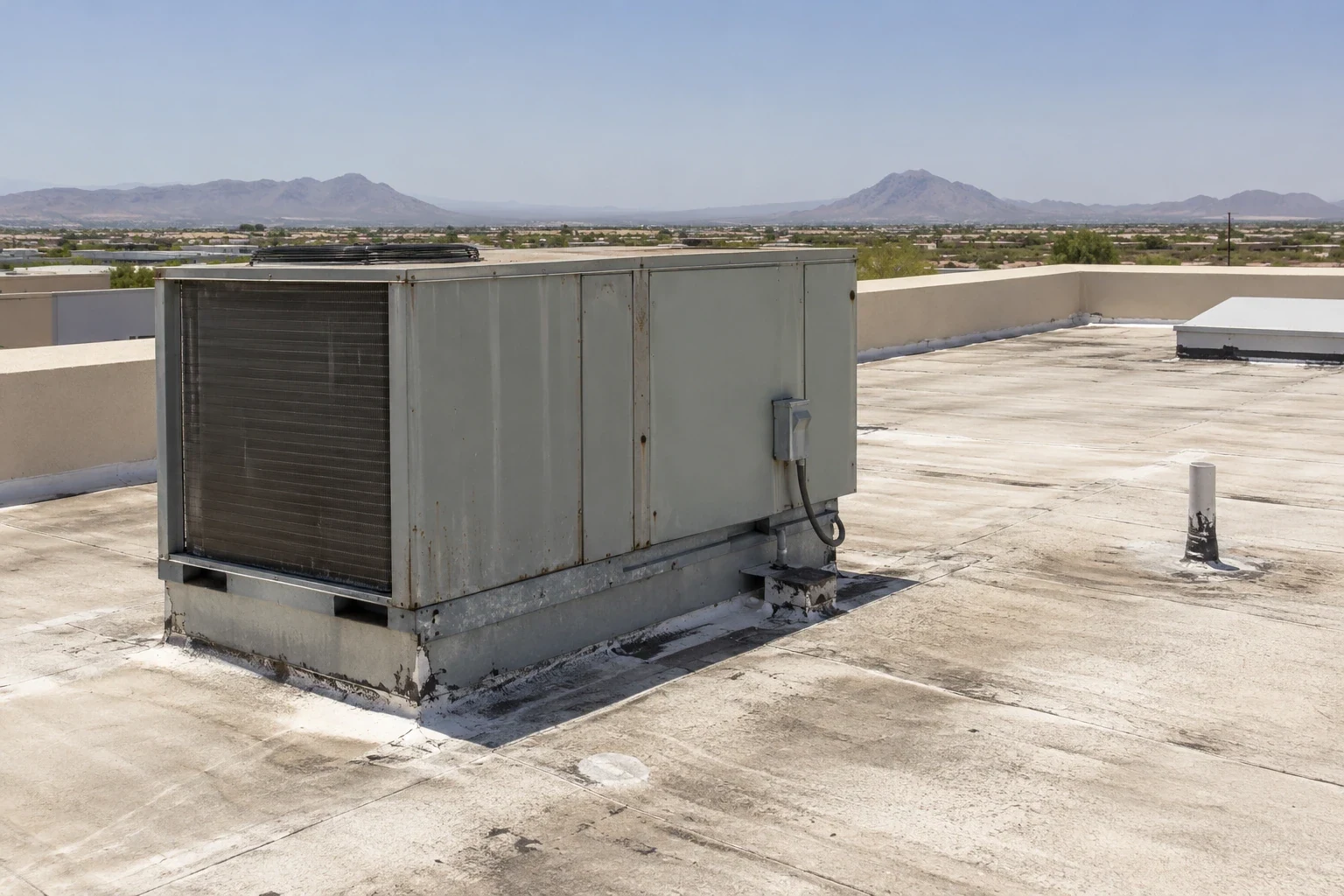
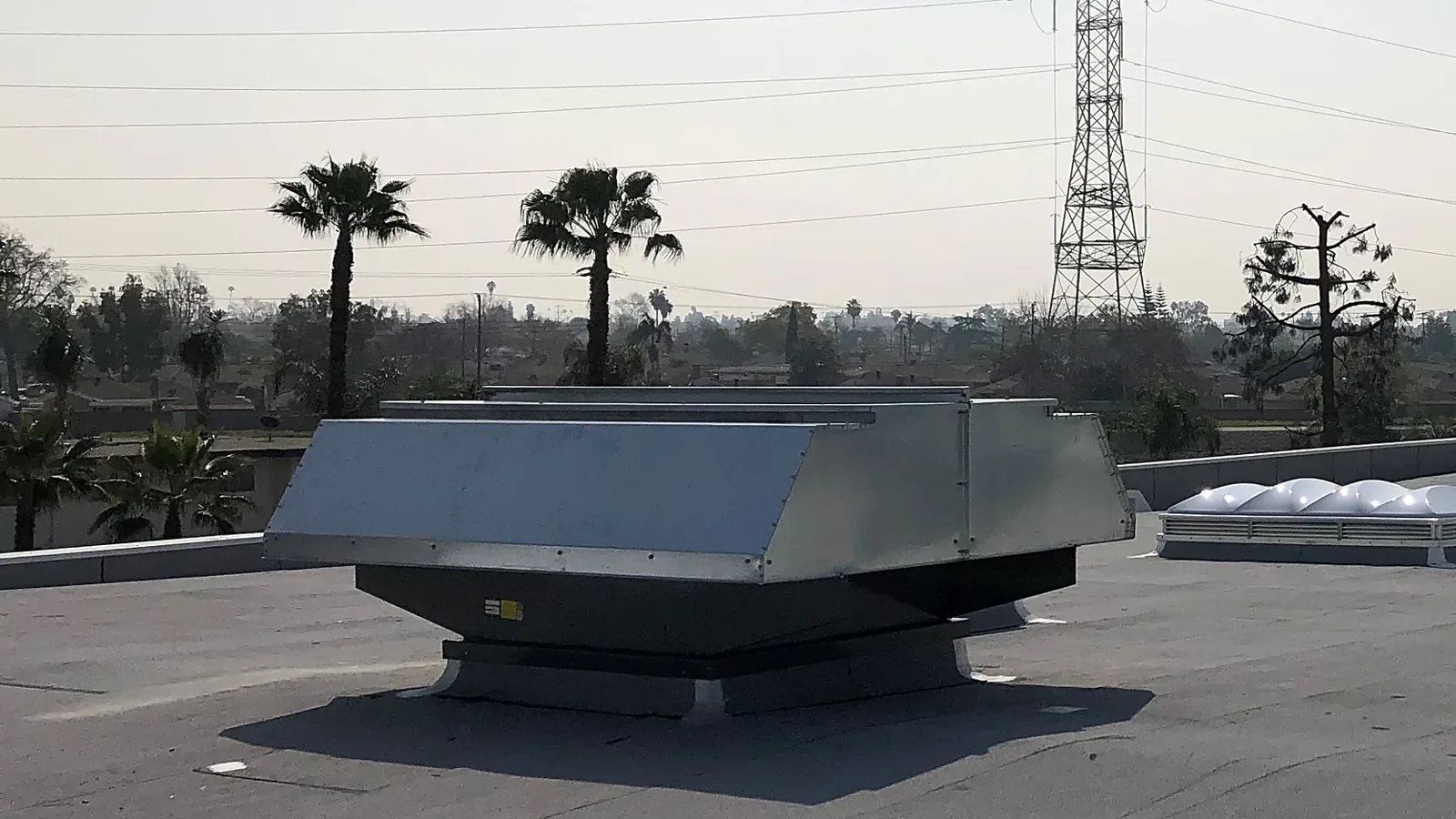
Occupied lodging and healthcare spaces introduce scheduling details that matter as much as the roof area. The representative identifies guest or patient access, sensitive rooms, air-handling equipment, loading routes, and any hours when noise or odor-sensitive work should be avoided. We map those constraints to the roof sections proposed for each shift. If a unit must be isolated or moved, the responsible mechanical contractor and the roofing restoration handoff should be named before opening the curb. A separate equipment curb and support scope makes this dependency visible. Interior protection should match the work area and the rooms beneath it, not rely on a general assumption that the building can remain unaffected.
A single point of contact for access, scope changes, and closeout keeps this sequence accountable.
Coordinate resort or medical-office operations
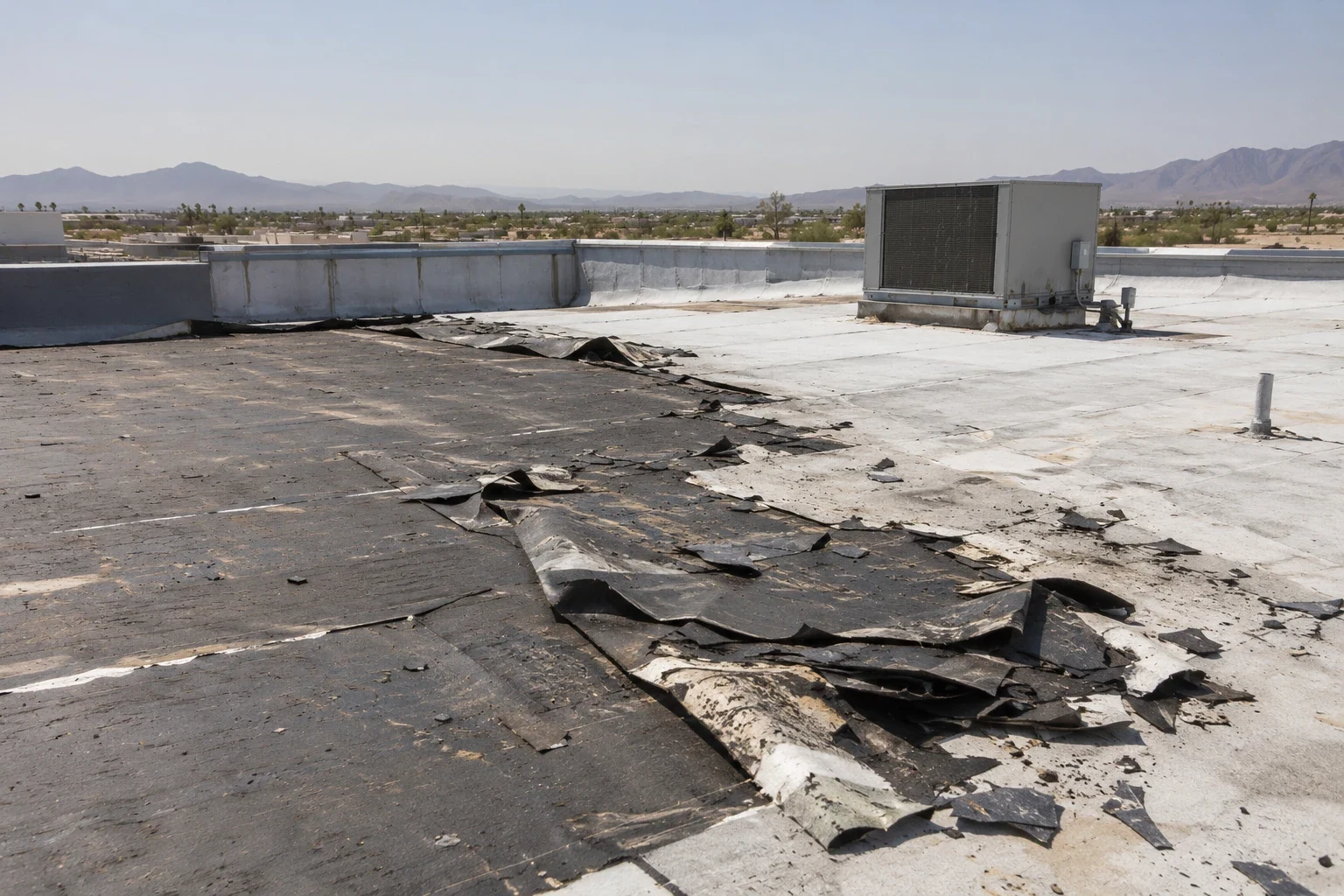
Replacement becomes a consideration when repeated defects, widespread moisture, failed attachment, or deteriorated layers cannot be corrected with a stable localized tie-in. We review the assembly, deck, insulation, drainage, perimeter, curbs, and previous work before comparing repair, recover, and removal. A recover is suitable only when the existing layers can support the new assembly and the finished transitions preserve drain and curb clearance. A replacement proposal defines removal limits, daily dry-in points, new components, and change-approval steps. Product selection follows the specification and field conditions; it should not be inferred from the general character of Paradise Valley’s non-residential properties.
A proposal should make the owner’s decision legible. List the confirmed repair quantity, the preparation and materials included, and any condition that remains uncertain. If two options are viable, show the difference in removal, installation, disruption, and remaining roof layers rather than presenting a single total with hidden assumptions. Testing can be a separate authorized step when results may change the scope. For a replacement, state what happens at drains, walls, curbs, perimeter edges, and transitions to retained roof. This level of detail helps a property representative coordinate internal approval without implying that land-use labels determine the right construction.
Compare repair and replacement evidence
The schedule should account for access approval, material delivery, installation conditions, and the operating window provided by the property. We confirm which roof sections can be opened in a shift and the closure method available if weather interrupts work. For a resort or medical office, the owner may need advance notices, escort arrangements, or a quiet period near occupied spaces. We document each dependency rather than promising a fixed date before the work sequence is known. Where coatings or adhesives require specific substrate and weather conditions, the chosen material instructions govern the installation window. If approvals, equipment shutdown, or access are delayed, the affected task and revised next step should be clear to the manager.
Plan access, protection, and timing
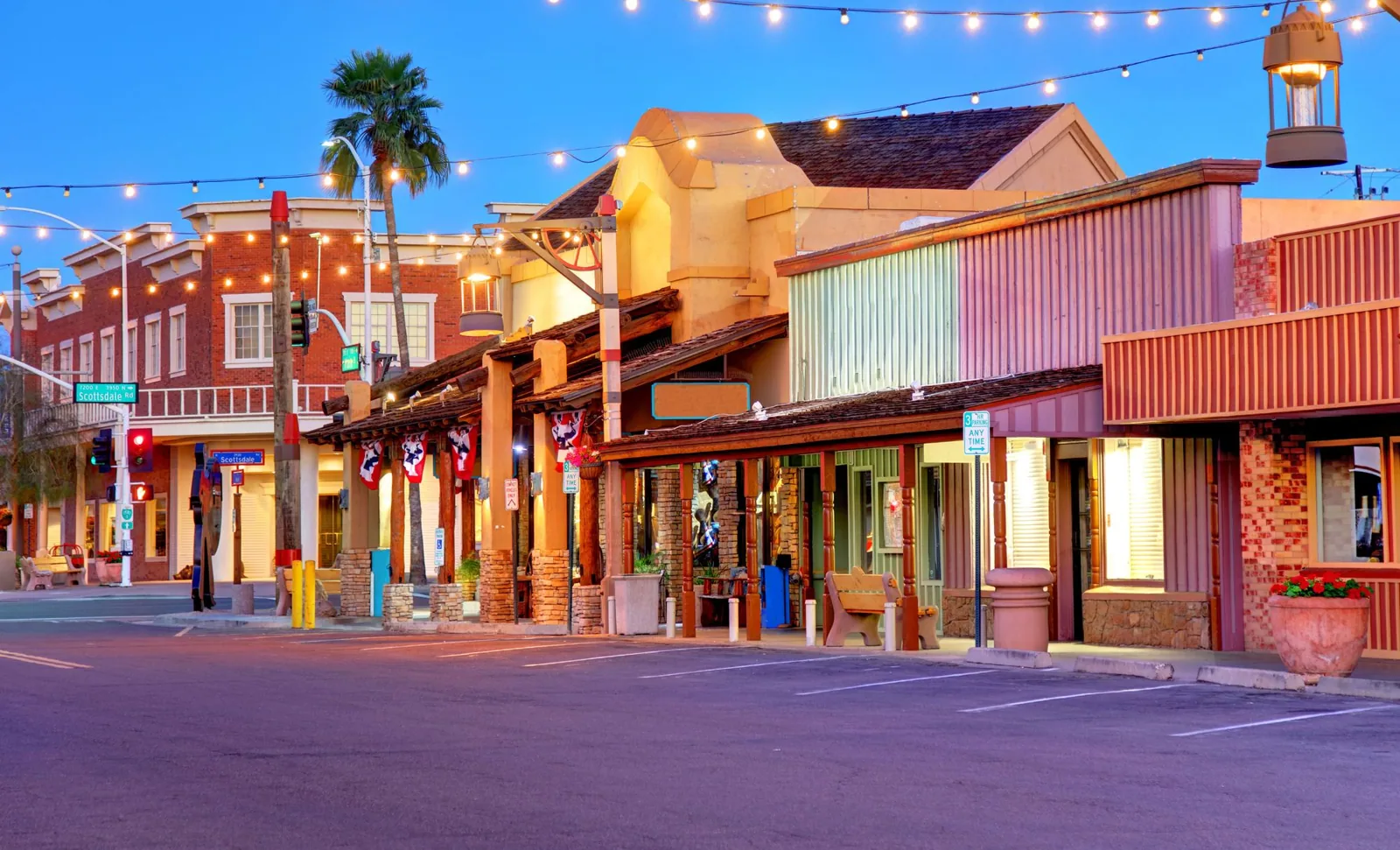
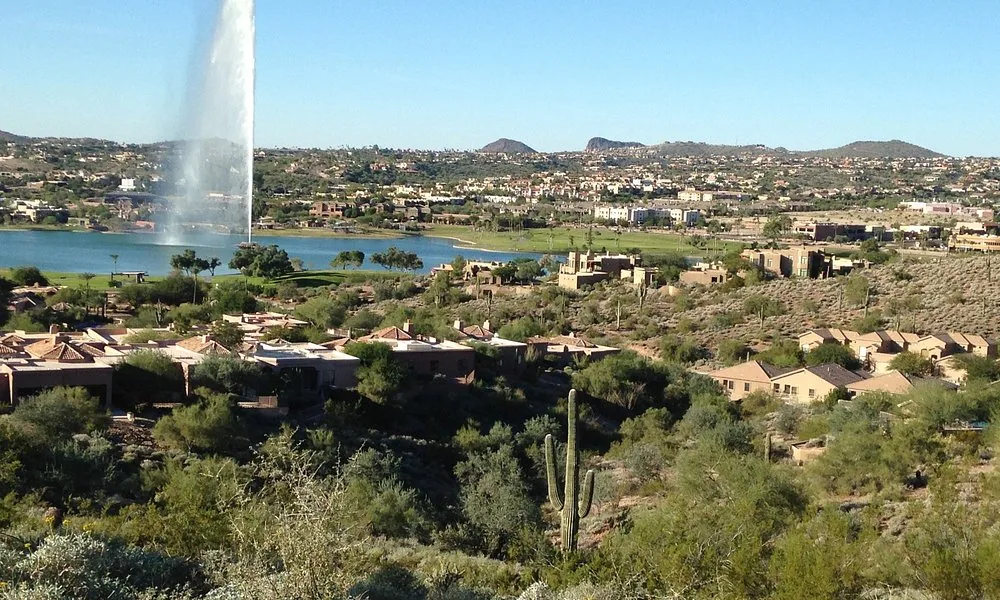
Closeout should identify the building, roof area, materials installed, photographs, excluded sections, and any remaining recommendation. If test results change the repair decision, attach them to the same asset record so the next reviewer can follow the basis for the work. Managers can also compare a separate Old Town Scottsdale roof or an Southern Scottsdale commercial area property in one regional calendar while keeping its access, findings, and approvals independent. Send the roof plan, service history, reported symptom, and property rules before scheduling. We will establish which condition is confirmed, what construction it supports, and what decision remains with the owner. Confirm the assigned building, affected roof area and operating contact before setting removal limits or arranging protection.
After work, compare the completed photos with the agreed repair boundary. Record whether the roof was dry at closeout and identify any temporary protection, outstanding equipment work, or follow-up observation. A clear note should distinguish completed work from a maintenance recommendation and state who owns the next step. If a later leak report arises, the building manager can see whether it concerns the same seam or a different detail. This prevents an earlier repair from being treated as a blanket warranty of unrelated roof areas and gives future inspectors a usable point of reference.
Commercial Roofing Questions
What commercial properties are relevant in Paradise Valley?
Paradise Valley’s non-residential development types include resort and medical-office uses. Each building still needs an individual roof and access review.
What should a property manager send before an inspection?
Provide the roof plan, affected room, prior repair record, building contact, access rules, and any equipment or occupied-area restrictions.
Can a reported leak be priced without opening the roof?
We can define a visible repair when the defect and tie-in are clear. Concealed moisture or uncertain layers may require testing before a firm quantity is set.
How do you plan work at an occupied property?
The manager identifies operating hours, sensitive rooms, equipment dependencies, access, and notice requirements. We use those details to sequence each roof section.
When should replacement be compared with repair?
Repeated failures, broad moisture, or a weak assembly can warrant a larger review. Field findings and any approved testing support the comparison.
Plan the next roof decision
Share the roof plan, reported issue, access window, and approval contact. We will define the examination and work needed before setting a construction date.
Call or Email
Helpful to have ready:
The property address and a building contact
Where water or damage shows up inside
The roof type and age, if you know them
Photos and any past roof reports