
Commercial Roofing for Scottsdale Property Managers
Home / Industries We Serve / Property Managers
Scottsdale property managers can compare roof repairs, equipment responsibilities and renewal work. Arrange access, approvals and practical work windows.
Approving a leak repair becomes difficult when the proposal does not distinguish the roofing correction from equipment work needed to reach it. We help property management companies define that division before scheduling removal. The affected connection, preparation and adjoining material belong in the proposed operation. Your approval contact can then arrange a workable interval and compare an amount that includes the construction needed to finish.
For a managed property in Scottsdale, identify its actual roof address alongside the person authorizing access. The Airpark, Old Town and McDowell Corridor are employment submarkets, useful context when organizing a portfolio across different parts of Scottsdale. A request in any one area still needs its own roof assessed. We connect the proposed repair to the building you manage, with occupied areas, equipment responsibilities and the relevant work window discussed for that assignment.
A property manager benefits from a proposal that is easy to translate into an approval and tenant communication. Separate the immediate repair from investigation or renewal work that still depends on findings. State which areas are affected, what preparation the building representative must arrange and where the contractor's work ends. If the roof serves more than one occupied space, identify the sequence and closure expected for each stage rather than implying a single uninterrupted operation. Record any access, equipment or weather dependency that could move the date. These details give the manager a clear basis to compare bids, explain disruption and track whether the completed work matches the approved scope.
Locate the repair before arranging access
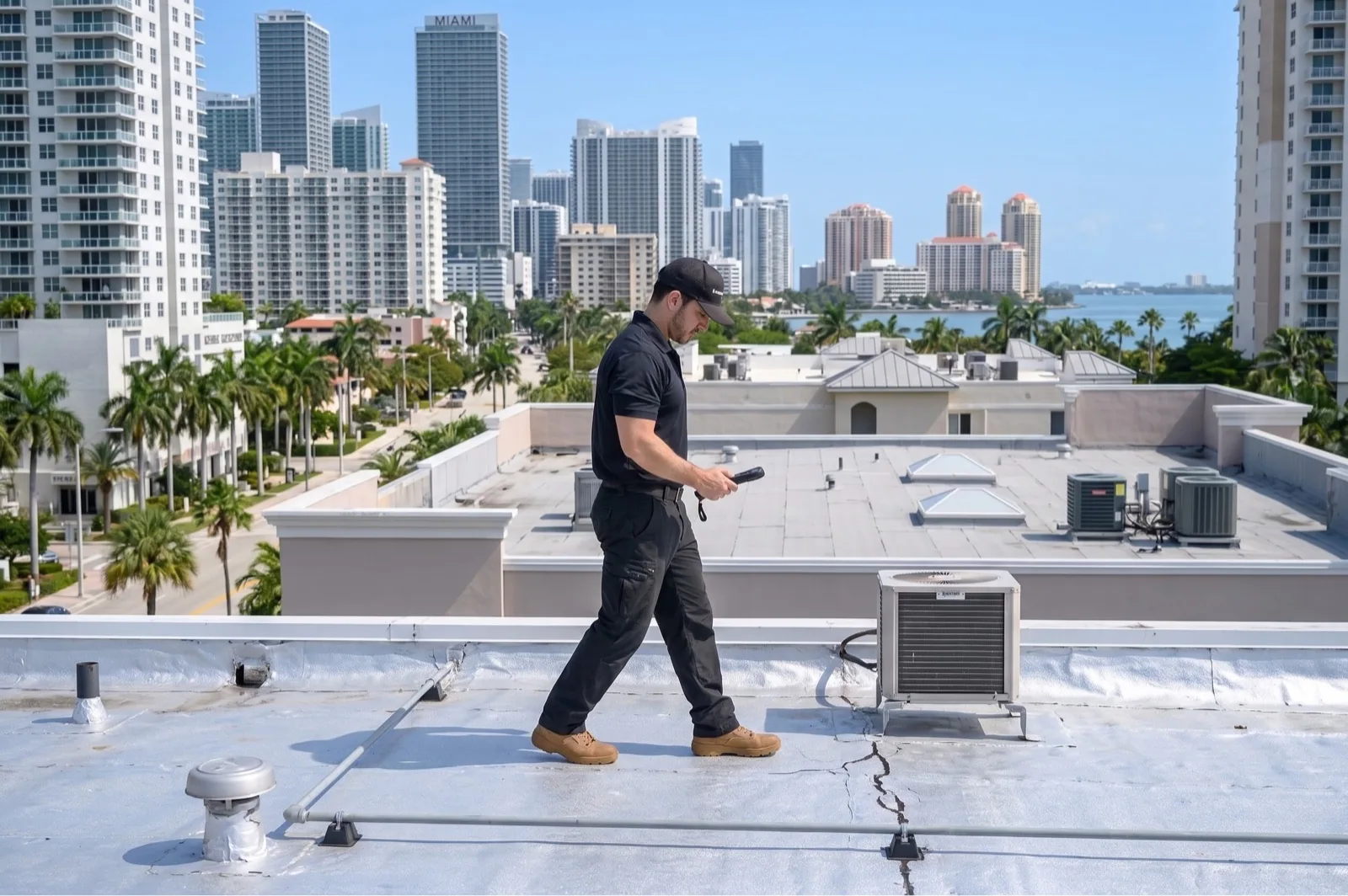
A reported interior drip gives us a starting position for examination. We inspect the roof covering and relevant transitions, then explain which observed defect supports a proposed correction. Water may travel within an assembly before appearing inside. An accessible seam or curb needs assessment without assuming that the nearest visible patch explains the report. Supply photographs, the interior location and earlier repair information. We use them to direct the examination and identify another opening or access task where the cause remains unresolved.
Leak repair at the connection supported by examination should describe how that detail will be prepared and rebuilt. A thermoplastic membrane repair needs suitable receiving sheet and a compatible joining method. EPDM detail work requires its appropriate preparation and connecting products. Earlier coating or patch material can change that preparation. We locate the repair boundary so a manager can understand why the amount extends beyond the small area first reported from inside.
Occupied rooms can affect the investigation itself. Identify the contact able to admit us to the reported position and any agreed restrictions on opening finishes. Roof access and interior access may require separate arrangements. We explain which observation each visit should establish, making an unresolved investigation a specific task rather than another broad request to return.
Equipment work needs a named handoff
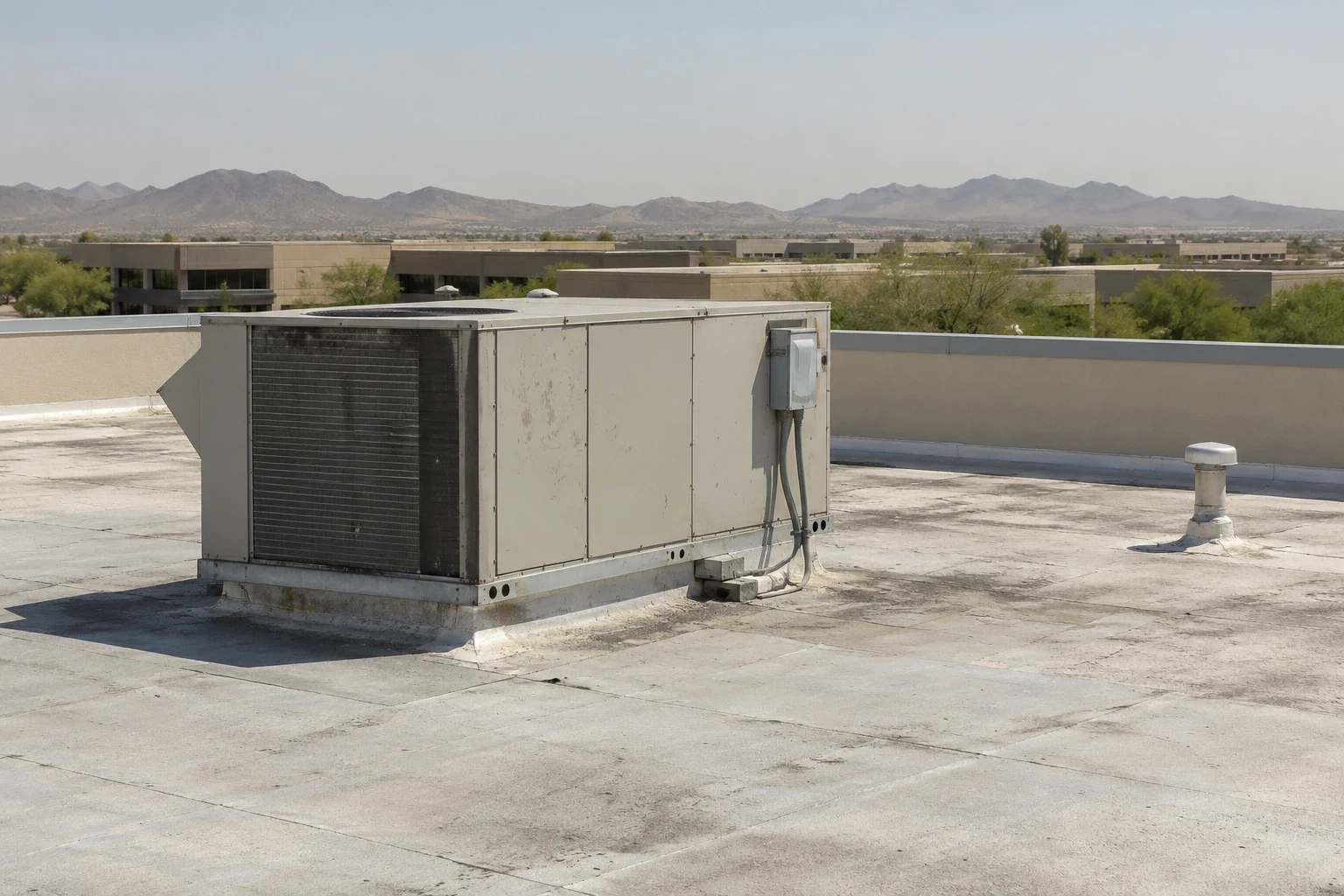
A curb flashing cannot be completed against unsuitable backing simply because the delivery has arrived. We examine the supporting condition and explain what must be restored before the roofing connection is made. Equipment isolation, relocation or return to service may require the responsible representative. Identify that person and the condition they must leave for our next operation. Keep a component decision visible when it affects the permanent detail, rather than carrying it as an unexplained allowance in the roofing amount.
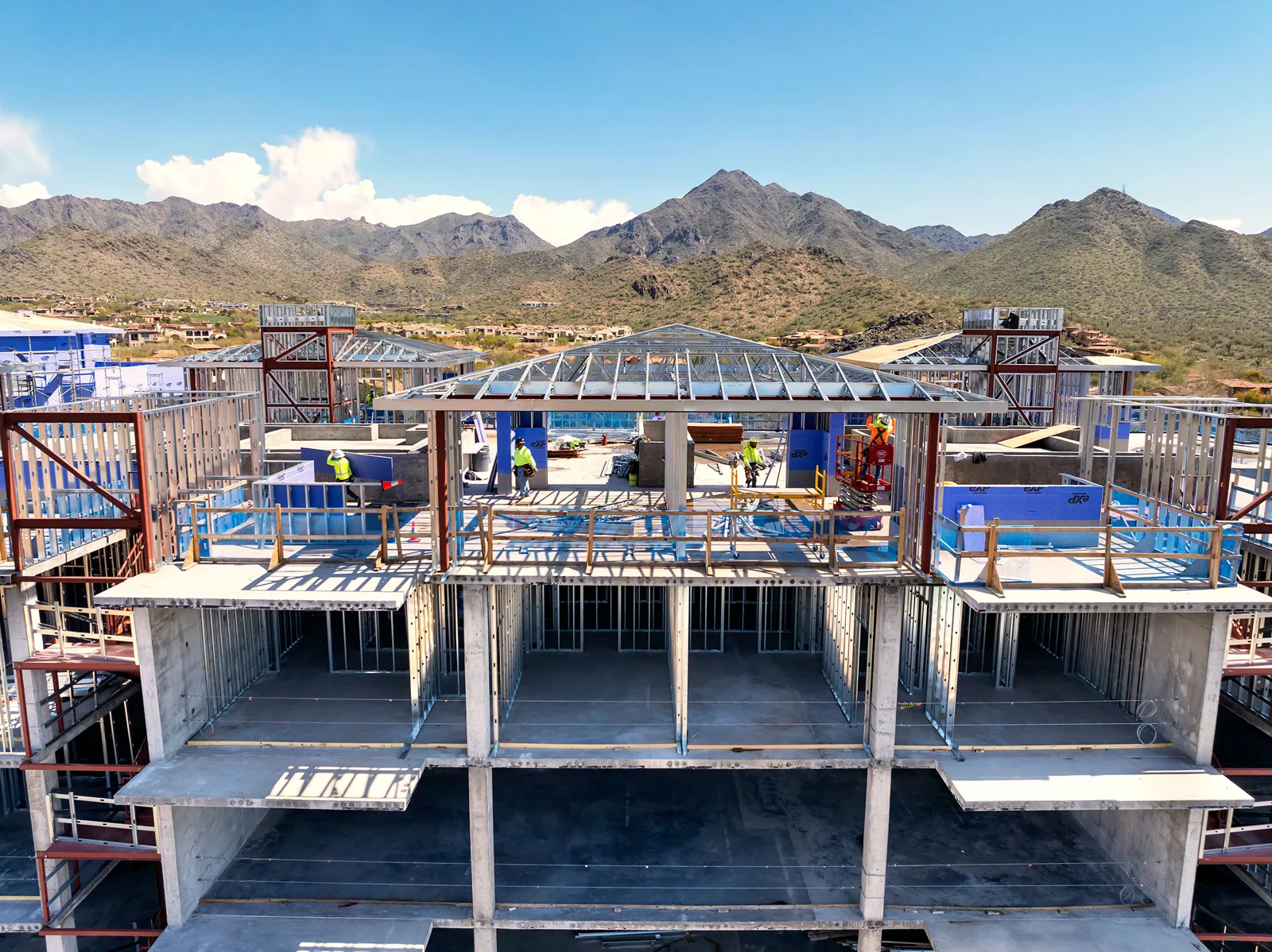
For assignments coordinated with general contractors managing adjoining construction, establish which party completes backing, support or the equipment alteration. We describe the receiving condition required for flashing and the sequence for closing the exposed area. Property management can then arrange the relevant people for the same interval. A delay in the preceding operation can change roof progress, so the proposed work needs its interim closure understood before removal starts.
Retention changes the amount and investigation
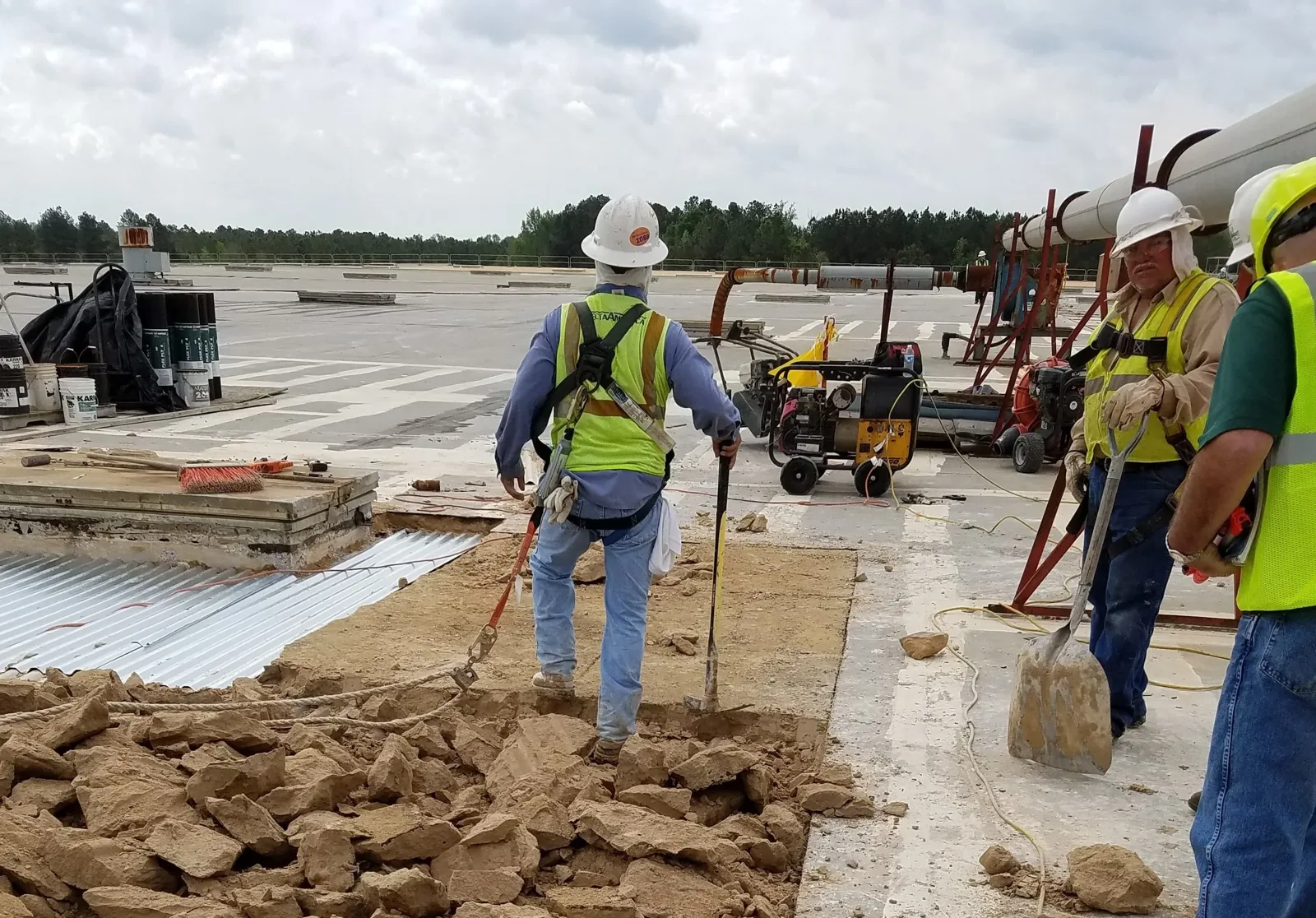
A broader roof decision requires more than a comparison of new surface materials. Assess the condition of the covering, insulation and supporting layers relevant to retention. Accessible observations do not settle concealed moisture. Where that question controls a recover or restoration approach, we explain the additional examination needed and how its opening will be repaired. The manager can arrange that inquiry before committing to an option whose suitability depends on the existing assembly remaining.
Capital planning with removed and retained construction identified helps distinguish the operations behind competing amounts. Replacement includes removal and rebuilding specified layers. Recover depends on suitable existing construction and the proposed attachment and transition details. A coating treatment needs a compatible receiving surface, preparation and correction of failed details. We explain those differences for the assessed roof. A finish that is less disruptive to install can still require substantial preceding repair, which belongs in the timing discussion.
Where an ownership group needs a separate approval, roof decisions for investors and REITs can retain the examined condition and unresolved inquiry in the funding comparison. The proposed operation should show the construction reason for expenditure. An estimated calendar period remains dependent on the decisions and material availability identified for that roof.
Occupied areas affect the work sequence
A delivery route can conflict with the area needed for tenant arrivals or another building operation. Review the route, unloading position and material handling before selecting the active interval. We discuss the roof operation and areas affected so the management contact can arrange appropriate communication. Roof removal, material placement and component work need their own sequence. The useful interval has to include preparation and closure, with the property representative identifying operating restrictions that apply to the actual assignment.
For a requested project near Tempe service area, supply the specific worksite and management contact. We assess access for that property rather than derive its arrangements from a nearby destination. A change to the available unloading or roof access position may affect handling and production. Locate the changed task and discuss its effect on the amount before assuming the original arrangement can support the revised operation.
Completion should identify the finished construction
A photograph of the finished surface is useful alongside the location and operation it records. We retain the repaired detail, installed material information and relevant preparation observations. During the completion walk, distinguish permanent roofing work from an interim treatment or a component task still awaiting its representative. The management contact needs to know which position was corrected and what remains scheduled elsewhere. This makes the account useful for a later review without treating a completed patch as resolution of an unrelated equipment problem.
Preventive maintenance addressing accessible roof details can carry those locations into subsequent visits. Drain debris, displaced metal, exposed fastening and a changing repair connection require their appropriate examination and task. We describe work supported by the observation and identify a broader inquiry where needed. Supply earlier completion information when requesting another assessment so the current condition can be compared with the construction actually installed.
Commercial Roofing Questions
What helps separate a roof repair from equipment responsibilities?
Locate the affected transition and identify the preceding component task. We describe the receiving condition needed to complete its roofing connection.
Which tenant information changes the proposed interval?
Provide the affected occupied areas, operating restrictions and access contacts. Delivery, removal and permanent closure need to fit the arrangement agreed for that building.
How should an unresolved concealed condition appear in the amount?
Keep the examination needed to settle retention identified. Its result can change the layers removed, repair extent and material preparation.
What should management retain after a repair is completed?
Keep its position, installed materials and relevant photographs. Distinguish finished roofing from another component task still scheduled.
Can one approval cover several managed buildings?
Group the proposed decisions while retaining each roof’s examined construction and access requirements. Identify which property needs a separate investigation or work interval.
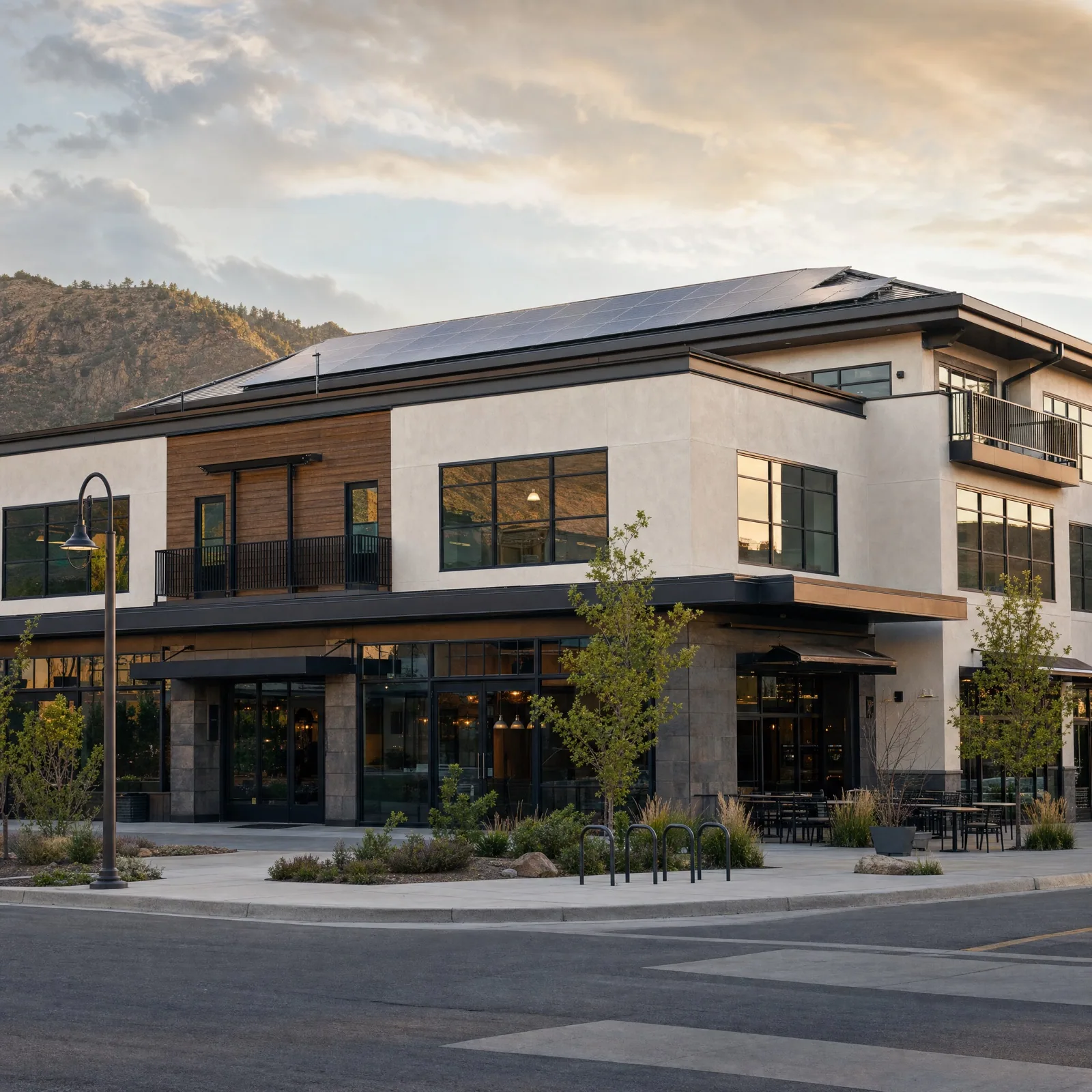

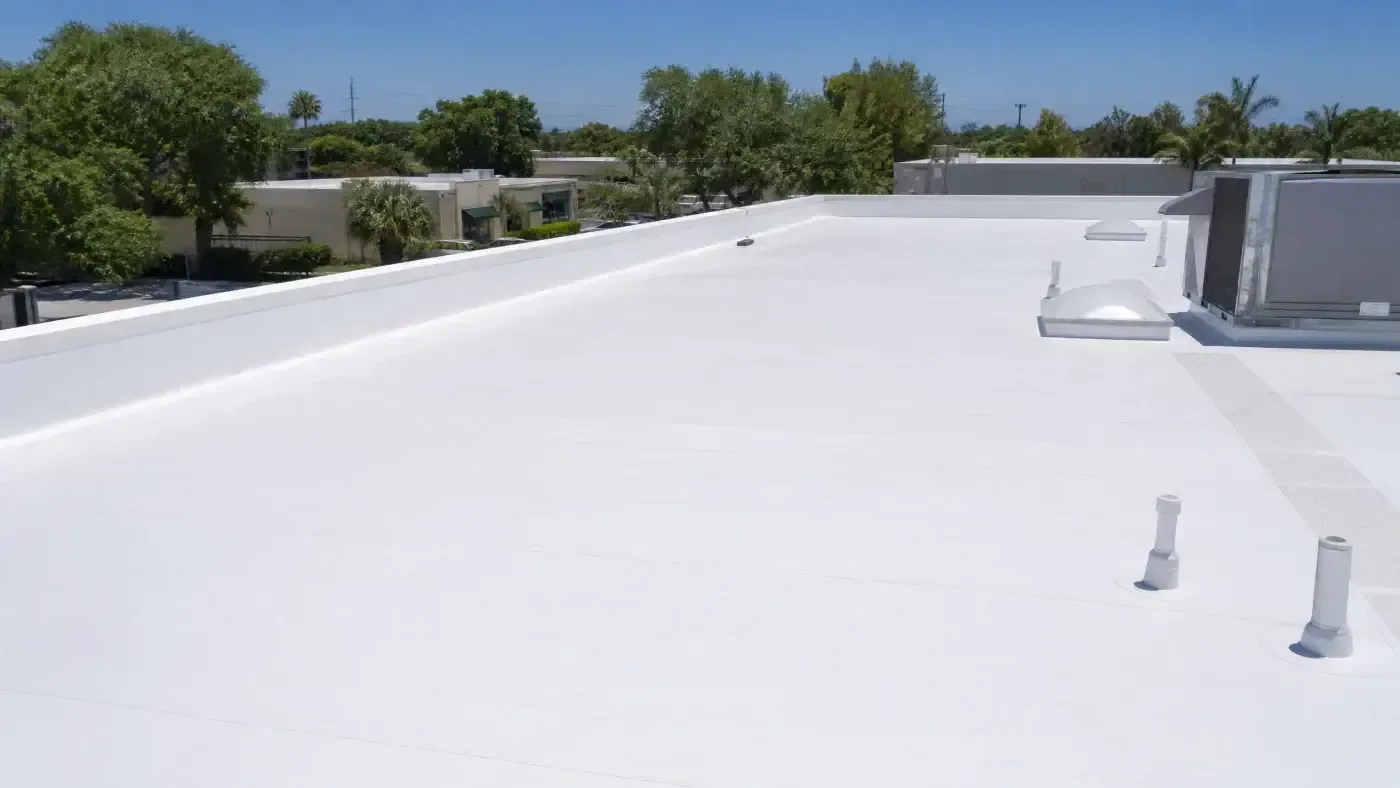
Arrange the examined repair and its dependencies
Provide the building address, reported roof concern and approval contact. We can review the material correction, preceding component tasks and access needed to schedule the work.
Call or Email
Helpful to have ready:
The property address and a building contact
Where water or damage shows up inside
The roof type and age, if you know them
Photos and any past roof reports