Commercial Roof Coating Restoration in Scottsdale, AZ
Home / Commercial Roofing Services / Commercial Roof Coating Restoration
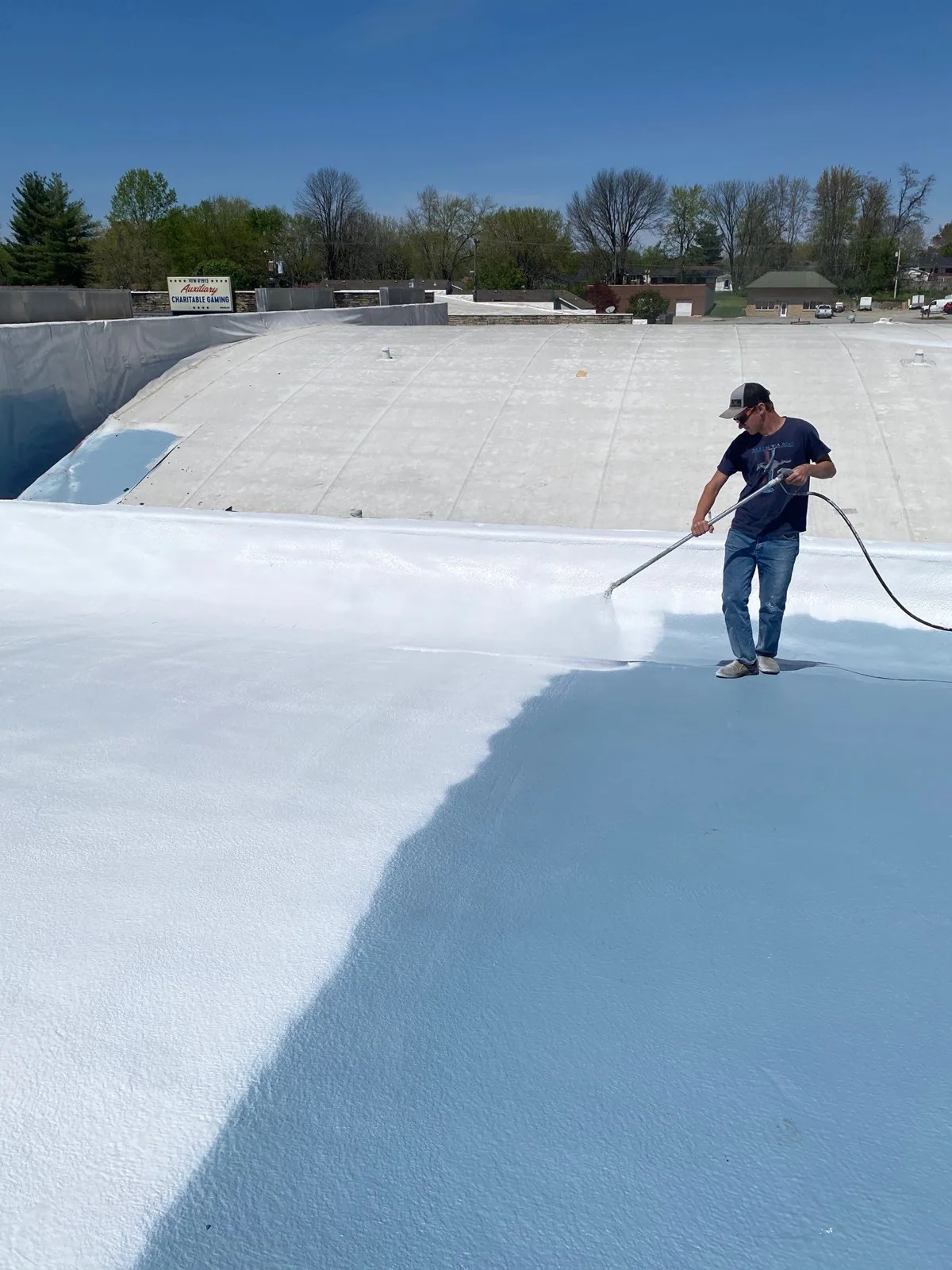
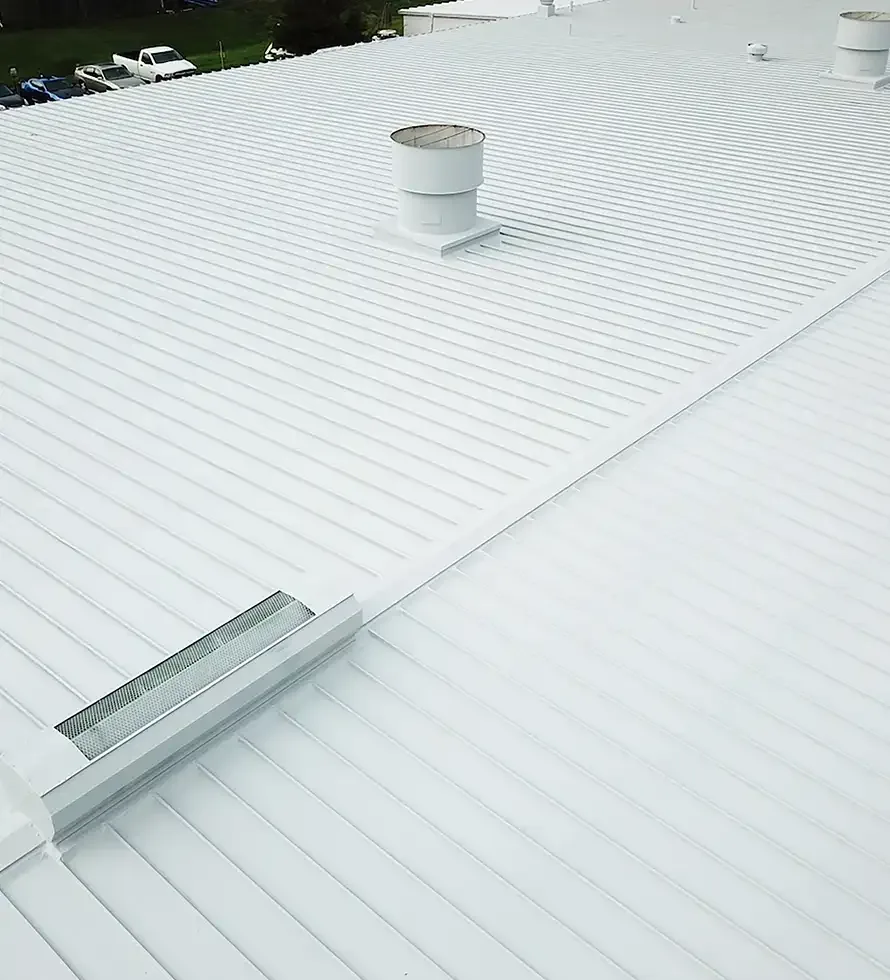
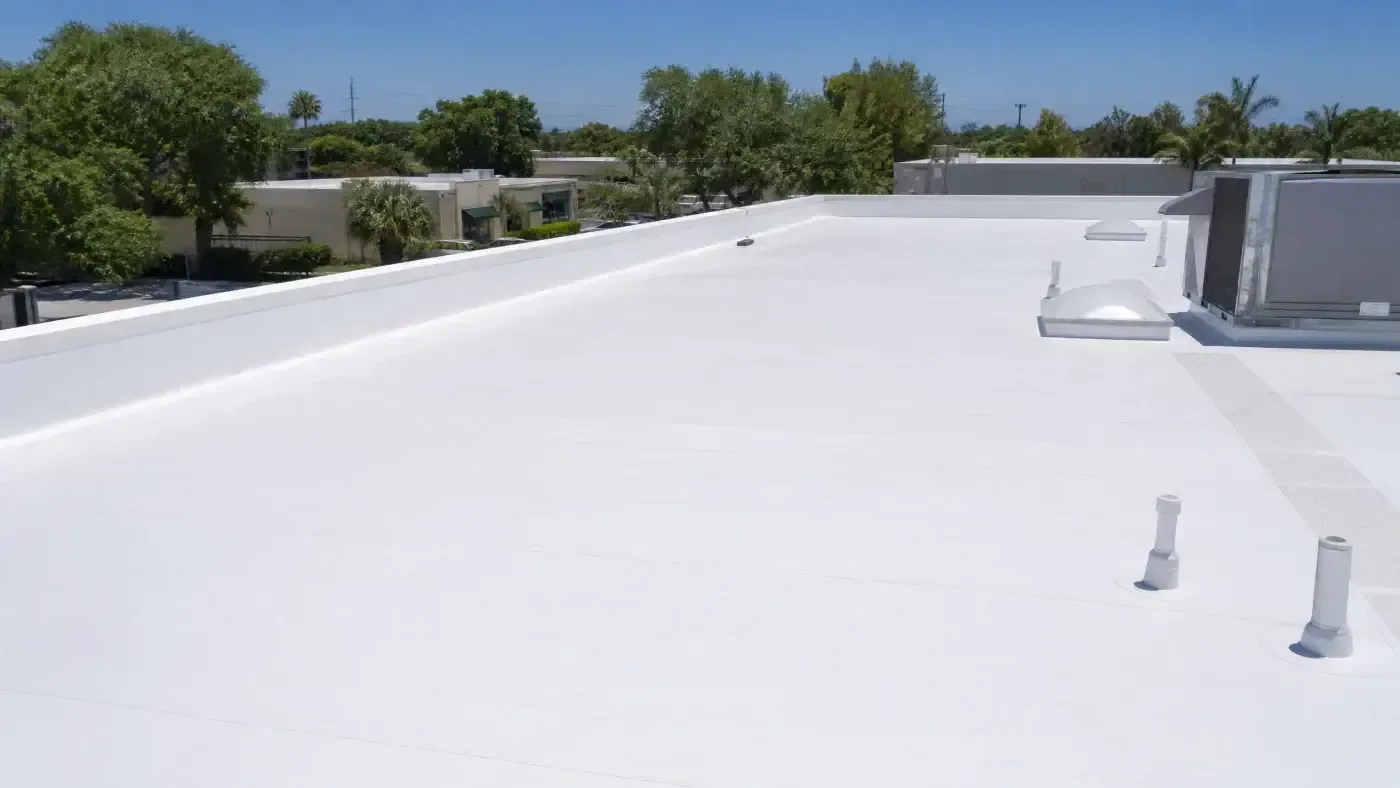
Roof coating restoration in Scottsdale verifies the substrate, repairs, preparation and product requirements before coating work is proposed.
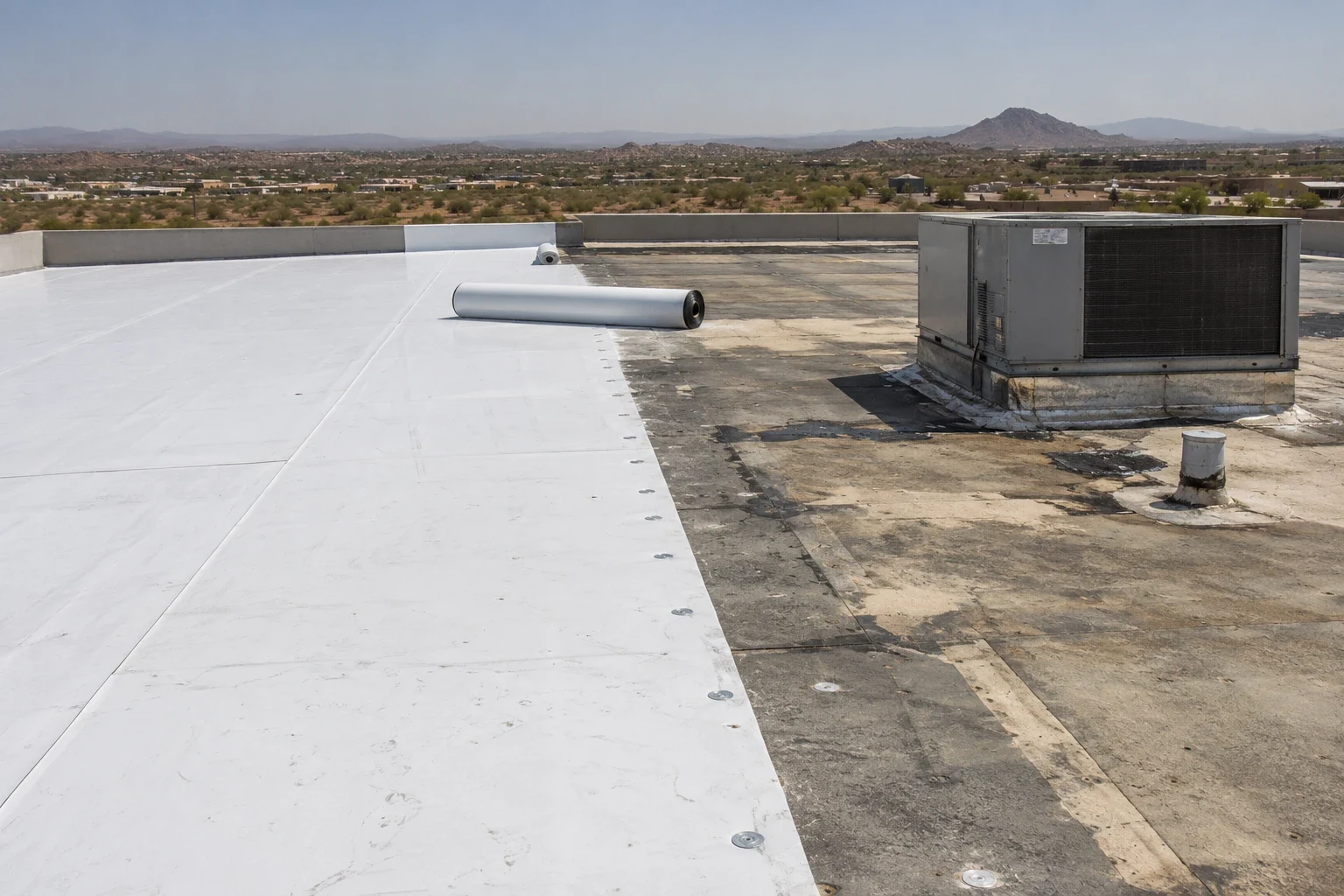
A roof coating is a restoration option only when the existing assembly and selected coating can work together. Roof coating restoration in Scottsdale begins with the current membrane or surfacing, visible damage, drainage, detail conditions and the owner’s objective. We compare those facts with the product’s documented substrate limits and preparation requirements before recommending a coating, a different recover assembly or a replacement assessment. A fresh surface color by itself does not correct a damaged roof.
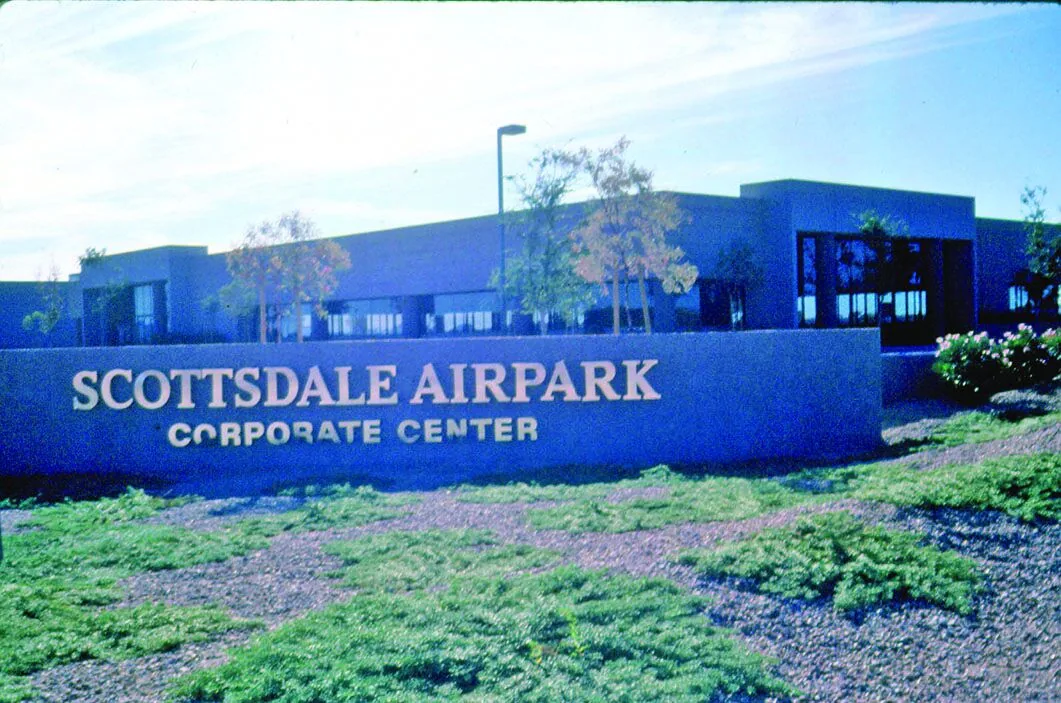
For a building near Scottsdale Airport or in Scottsdale Airpark, the address helps tie the inspection, roof plan and prior repair records to the assigned property. Municipal place and business information does not establish the roof’s material, condition or coating history. We ask for the most recent roof drawings, warranty documents, prior coating submittals and any records of leaks or moisture so the recommendation can be matched to the actual system.
The existing roof sets the restoration boundary
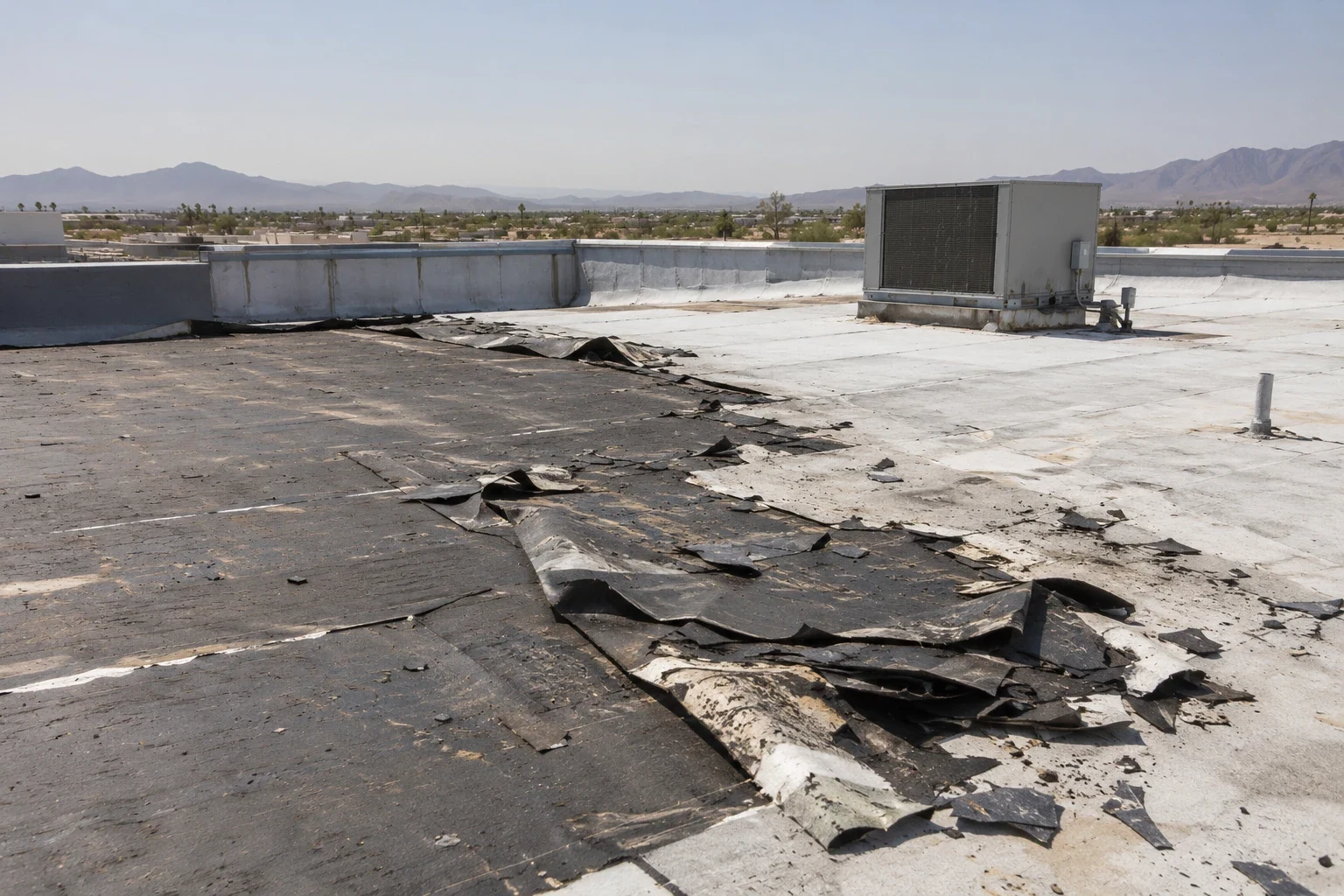
We start by checking whether the roof can serve as a suitable base for the proposed work. Loose or open seams, failed flashings, wet or deteriorated layers, poor attachment, damaged metal and unresolved drainage concerns can change the scope. The inspection records where those conditions appear and which ones require additional testing or a controlled opening. A coating is not a substitute for finding and correcting defects below its surface.
Next, we compare the material found on the roof with the exact coating system under consideration. Manufacturers list different substrates and restrictions for particular formulations; a coating described for one membrane or metal profile is not automatically appropriate for another. The project documents should name the substrate, primer if required, reinforcement at transitions, coating layers and finish. Silicone roof coatings and acrylic coatings are separate product families with their own preparation and application requirements.
Where inspection findings suggest concealed moisture or uncertain attachment, we do not treat a coating proposal as the investigation. We explain what evidence would settle the question, whether that is records, a closer review, a test patch or an approved opening. If the existing roof cannot meet the selected system’s criteria, a membrane recover or replacement assessment may define a more appropriate scope.
Preparation determines whether the system can bond
Before work, the approved system documents guide cleaning, drying, surface treatment, primer and adhesion checks. Dirt, loose surfacing, incompatible residue or moisture can interfere with the receiving surface. We identify who is responsible for each preparation step and how its completion will be verified. A product data sheet and current installation instructions take precedence over assumptions based on another coating job.
Seams, drains, penetrations, curbs and roof edges require their own details. We map each transition and describe where reinforcement, mastic, flashing or a separate repair is specified. If an open joint or puncture needs repair, it should be closed using the compatible detail before field coating proceeds. The coating film does not make a damaged connection sound merely by covering it.
A product-specific GAF restoration guide for aged TPO, for example, lists roof qualification, moisture review, adhesion testing, substrate preparation and separate seam and penetration detailing. Those are GAF instructions for that described system, not a general specification for every manufacturer. The applicable project must follow its own selected documents and approvals.
The work proceeds in defined stages
The schedule connects roof access, cleaning, drying, repairs, primer, detail work and field application so each completed surface is ready for the next operation. The property representative confirms the receiving route, occupied areas, equipment contacts and any roof restrictions. We define the areas included and exclude sections that are inaccessible, outside the approved scope or awaiting another trade.
Weather and substrate conditions must remain within the selected product’s instructions. If a surface is wet, contaminated or otherwise outside those limits, we stop that application area and agree on the next step. We record the affected boundary and explain whether the schedule needs to shift. This avoids treating a partially completed section as a continuous, finished restoration.
For equipment, drains and penetrations, the roofing crew completes only the approved interface work. An HVAC unit relocation, pipe replacement or structural correction may belong to another contractor. We coordinate the sequence and clarify who restores the roof connection after that work, so the coating scope does not leave an open detail or assume a mechanical change that has not been assigned.
Acceptance checks compare work with the specification
At completion, we document the prepared areas, repairs and coating operations against the approved scope. Product-specific inspection may include confirming that named details were treated, the intended surfaces were coated and required application records were assembled. The owner should receive the closeout information required by the actual specification or warranty submission; no coating name alone establishes coverage or term.
Where a condition falls outside the approved product or work boundary, we identify it plainly. An uncoated curb, unresolved leak report, inaccessible section or separate mechanical issue remains an open item until the responsible party completes and documents it. The owner can then distinguish finished coating work from a follow-up repair or further investigation.
A future maintenance visit can track the restored surface and connections against the closeout record. The timing and tasks should follow the installed system’s documents and observed roof condition. We keep the coating system details, substrate information, repair locations and completed work together so the next reviewer can understand what was restored and where its limits were left.
The proposal should preserve the choice behind the coating
A coating proposal should tell the owner why restoration fits the roof, which conditions must be corrected first and what will remain outside the scope. We show the inspected boundaries, selected material system, preparation steps, detail treatments, exclusions and required owner decisions. If moisture, attachment or substrate suitability remains uncertain, the proposal identifies the check needed before final quantities or performance statements are made.
For a multi-roof property, separate work areas and records are useful when membranes or previous repairs differ. A system selected for one roof should not be copied onto another without confirming its construction. The owner can compare coating restoration with a recover or replacement using the same questions: substrate, detail work, removal limits, access, disruption, closeout records and manufacturer requirements.
Once those choices are documented, the work period can be planned around material readiness and building operations. This provides a clear basis for authorizing restoration while preserving the unresolved items that require another trade, a later visit or additional evidence.
Commercial Roofing Questions
Does a coating restore every commercial roof?
No. The substrate and its condition need to meet the selected product’s requirements. Moisture, poor attachment, open details or deteriorated layers can call for repair, more investigation or another roof system.
Can a coating go over any existing membrane?
No. Compatibility is specific to the coating formulation and roof substrate. We check the exact manufacturer documents, preparation steps and any primer or test requirements before recommending work.
Will the coating stop an active leak?
Only if the source and affected details are identified and the approved work corrects them. A surface coating alone does not establish or repair a concealed failure.
What should be in a coating restoration proposal?
Identify the inspected roof area, existing substrate, preparation, repairs, detail treatments, selected coating system, exclusions and the records or approvals required for closeout.
Does a coating system automatically include a warranty?
No. Warranty eligibility and coverage depend on the specific product, assembly, installation and submitted documents. Review the applicable terms for the proposed system.
Review a Roof Coating Restoration Option
Provide the building address, roof records, previous coating details and any active leak reports. We can inspect the proposed area and identify the preparation and verification needed before pricing restoration.
Call or Email
Helpful to have ready:
The property address and a building contact
Where water or damage shows up inside
The roof type and age, if you know them
Photos and any past roof reports