
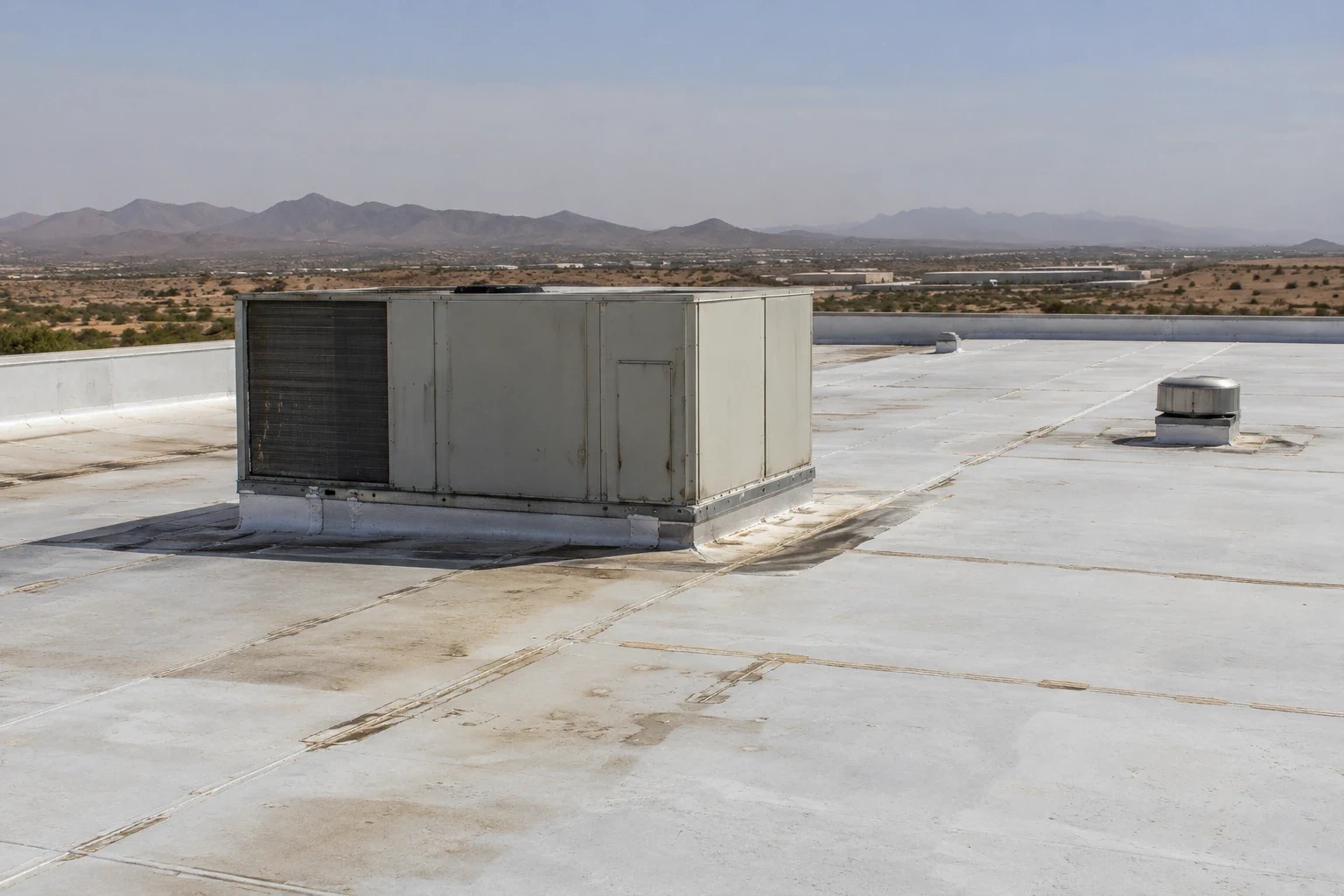
Cold Storage Roofing in Scottsdale, AZ
Home / Property Types We Roof / Cold Storage Roofing
Examine cold storage roof assemblies, moisture concerns and repair connections with facility preparation and phased work decisions in Scottsdale, AZ.
A moisture report from cold storage calls for a careful roof investigation before a repair amount is agreed in Scottsdale, AZ. Ask where moisture was observed and what conditions accompanied it, then examine the roof assembly and adjoining connections relevant to that report. A visible wet area below does not by itself identify an opening in the membrane. We explain the examination needed so the manager can arrange access and compare a demonstrated roof defect with another concern requiring its responsible specialist.
Scottsdale Airpark and McDowell Corridor appear as employment submarkets in municipal commercial occupancy reporting. An assignment in those areas still needs its particular address, building contact and description of the reported problem. If the concern also affects roof work over distribution areas, locate both affected spaces for the inspection. Preparing a useful roof scope starts with that actual layout and the facility's directions for the area beneath the proposed work, not with an assumed storage arrangement.
Distinguish roof entry from other moisture
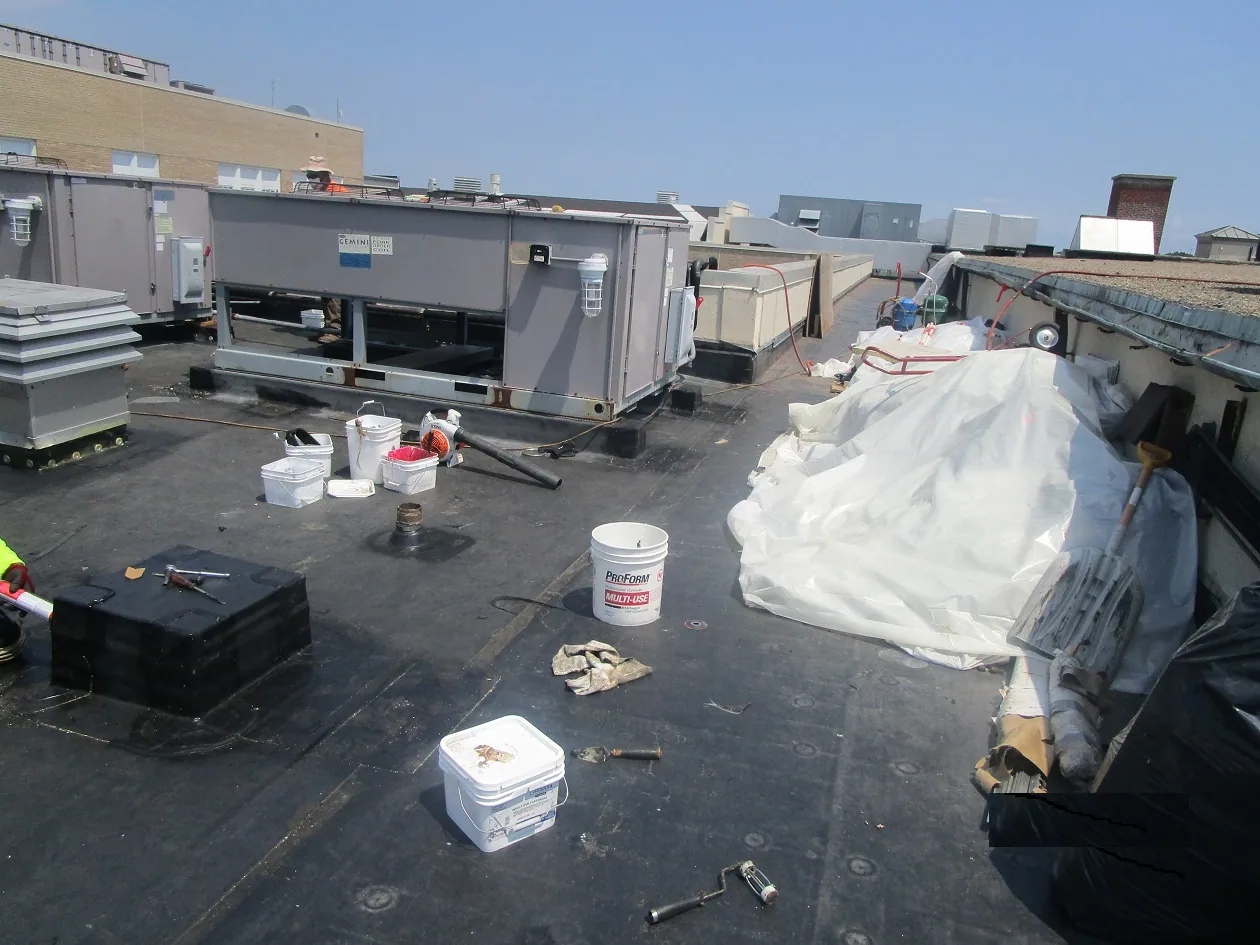
Review the report with the facility representative and request available observations, photographs and repair records. Inspect membrane seams, penetrations, outlets and the perimeter connections near the reported area. Record the condition encountered on the roof and note which parts of the assembly remain concealed. A roof opening should have a purpose: to answer a material or construction question that affects the proposed repair. Explain its position, extent and protection before proceeding.
Moisture associated with equipment or an interior condition needs the party responsible for that system. Coordinate that investigation rather than assuming new roofing will resolve every wet surface. A roof moisture survey may be worth reviewing where the assembly and investigation warrant it, with findings evaluated alongside physical examination. The manager should receive a description of what the roof inspection establishes, what remains uncertain and which next step would resolve that uncertainty. Those distinctions keep the repair decision attached to useful evidence.
Inspect the layers at the repair
Where examination identifies roof damage, check the membrane and underlying construction at the proposed boundary. Wet or deteriorated material requires a defined response before a new connection is installed over it. Describe the removal needed to expose the affected layers and how the repair will join sound construction. The work may extend beyond the surface defect because the supporting material or adjoining detail also needs preparation.
For replacement of examined insulation or cover board, identify the material required by the specified assembly and the condition of the support below. Ask the appropriate designer or responsible professional to resolve an assembly question when the investigation needs that direction. Roofing should follow the reviewed construction rather than improvise a concealed-layer change to maintain the date. Record the preparation, attachment and connection included in the proposed work so the manager can understand the amount before authorizing removal.
Obtain the facility preparation directions
Show the facility representative the roof area to be opened and ask for its directions concerning the cold storage area beneath it. Review property protection, interior access, separation and any environmental concern affected by the proposed method. The facility identifies its requirements and arranges its preparations; we explain the opening, handling and protection our roofing operation needs. Confirm who verifies readiness before work begins.
Dust, odors, nearby intakes and noise need discussion when relevant to the method. Ask whether a different stage or work window would make the arrangement workable. Roof removal above occupied cold storage space should match the prepared area actually available. If the facility changes its directions, revise the planned opening before proceeding. Include a contact for reporting an unexpected interior concern during work and a clear way to review the resulting roofing response. That arrangement helps resolve a change without leaving the manager unsure who can decide the next step.
Review penetrations and material choices
A pipe or equipment penetration needs sound support and a detail suited to its actual configuration. Check the condition and movement at the connection, then identify any equipment or supporting-component work required before flashing can be completed. Agree on the party responsible for that task and how its readiness will be confirmed. New flashing cannot compensate for a component that remains loose or deteriorated.
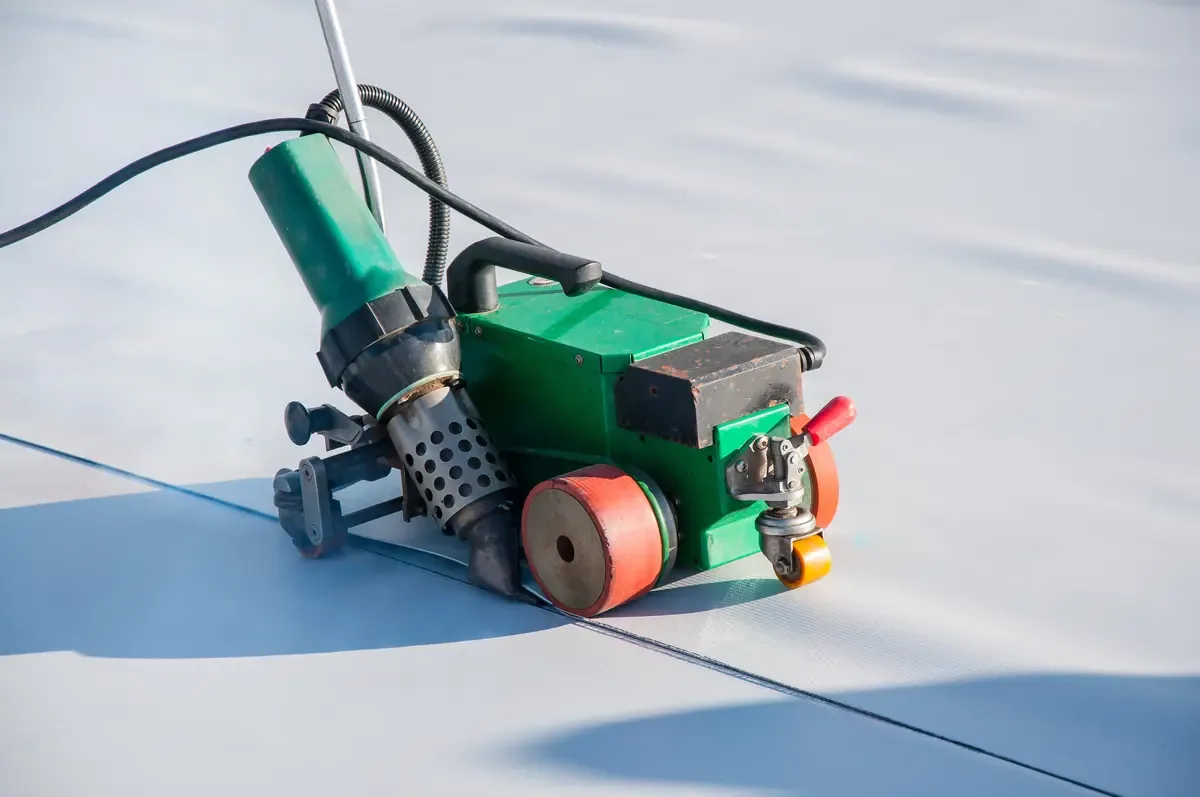
An examined PVC membrane connection requires compatible preparation and joining. A TPO roof connection has its own material and detail review. Confirm the existing assembly and required materials rather than treating the two names as interchangeable. Availability matters when the facility has prepared a narrow window below. Settle material selection and adjoining work before promising that window, and explain any unresolved requirement that prevents a firm start decision.
Compare renewal with the occupied layout
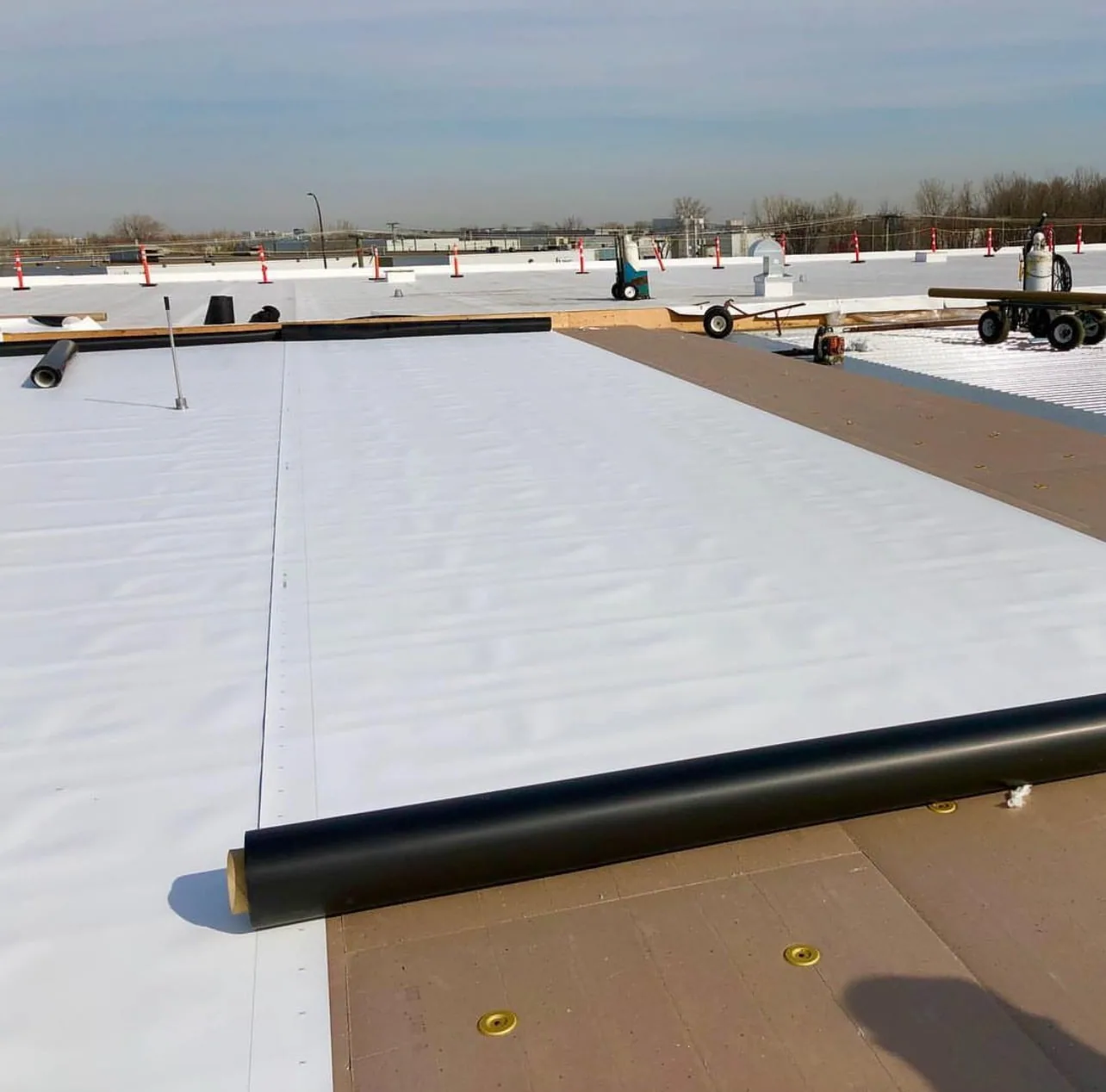
Where the condition supports a larger renewal discussion, divide the proposed roof work according to the actual assembly and available preparation below. Examine the perimeter, outlets and penetrations that each stage must finish. Compare the amount of removed material, handling route, temporary protection and subsequent connections. A smaller opening can fit an occupied area, but it must still allow a complete and sound roofing operation.
If the same stage crosses into roof construction over ordinary warehouse storage, review the preparation for that adjoining area separately. The two spaces may have different facility directions even when their roof surfaces join. Describe the effect on extent and timing in the proposal. If investigation changes the material or necessary removal, document the finding and revised work for approval. The manager should be able to choose the stage with an understanding of its preparation and the roofing work that remains afterward.
Check the completed connections
Inspect the repaired seams, flashing edges and drainage around the work before presenting it as complete. Verify that the installation matches the reviewed detail and account for temporary protection. Explain any component still awaiting another contractor and how that unfinished item affects the roof boundary. Keep those items visible in the completion record rather than relying on a general statement that the roof work is finished.
Walk the stage with the representative when the agreed access permits. Provide the repaired location, materials used, useful photographs and changes authorized during removal. Ask how the facility will report the next observation relating to the original moisture concern. For a local meeting in Scottsdale Airpark, verify the actual property entrance and contact. The closeout should connect the original report to the examined repair and identify the follow-up decision still needed, if any.
A cold interior can complicate diagnosis because moisture may come from a roof leak, a building-side condition or another component. We compare the reported timing with the accessible roof assembly and keep the suspected source separate from a confirmed entry detail. When a test opening is authorized, the removal boundary and closure plan should be agreed before material is exposed. The manager can then coordinate the roof operation with the facility's own environmental and product-protection procedures without asking a surface patch to resolve an unexamined condition.
Commercial Roofing Questions
Does interior moisture always require a membrane patch?
Examine the roof and review the facility's observations. Moisture involving equipment or another interior condition may require its responsible specialist alongside the roof investigation.
What happens when insulation is found wet?
Define the affected layers and sound repair boundary. Review the required replacement material, support and attachment before approving the additional removal.
Who provides cold storage preparation requirements?
The facility representative supplies its directions for the affected area. We explain the proposed roofing opening and protection so both preparations can be reviewed before removal.
Can a cold storage roof renewal be phased?
Compare the roof details that each stage must finish with the area the facility can prepare below. Include temporary protection and the later connection between stages in the decision.
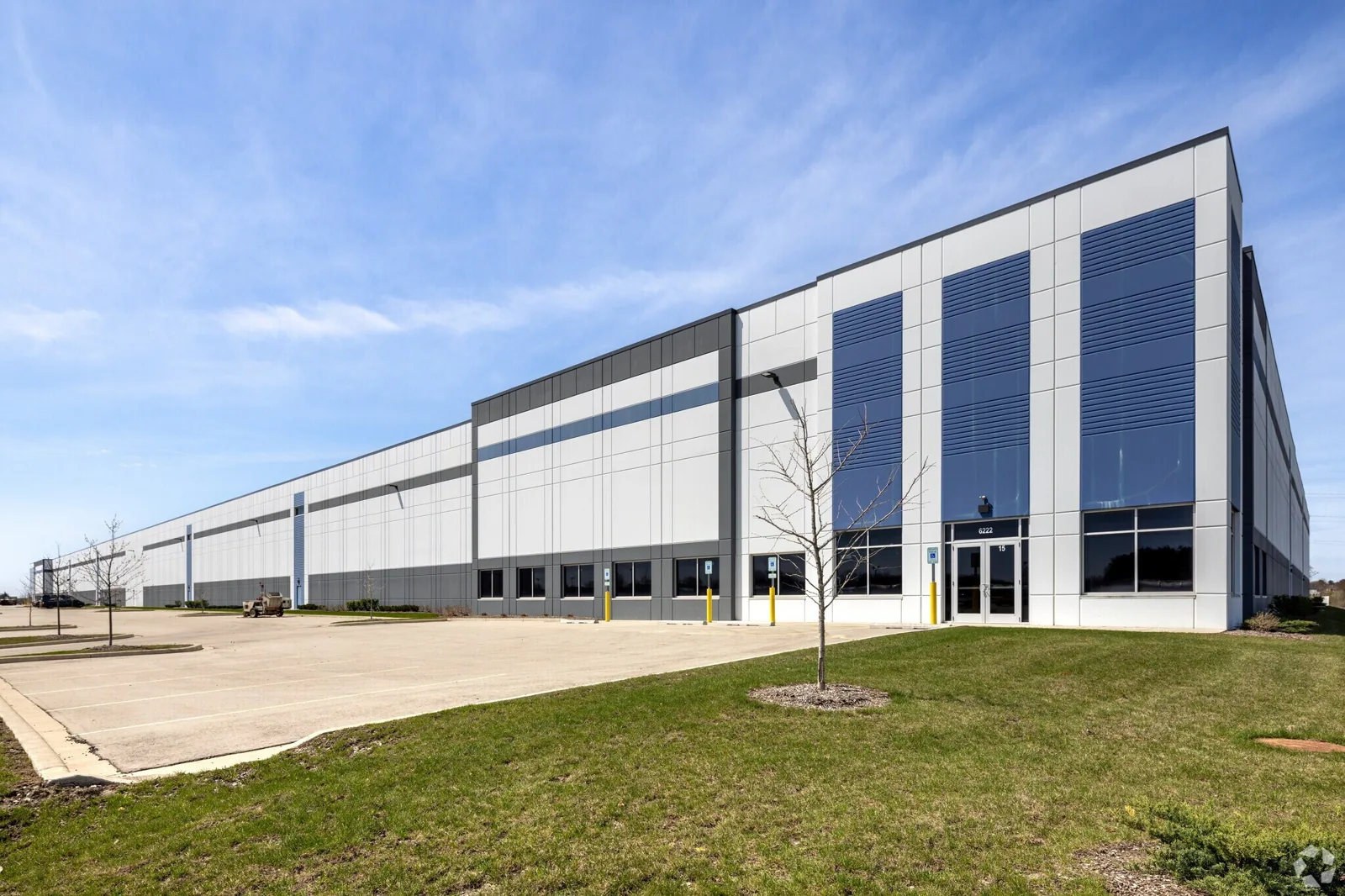
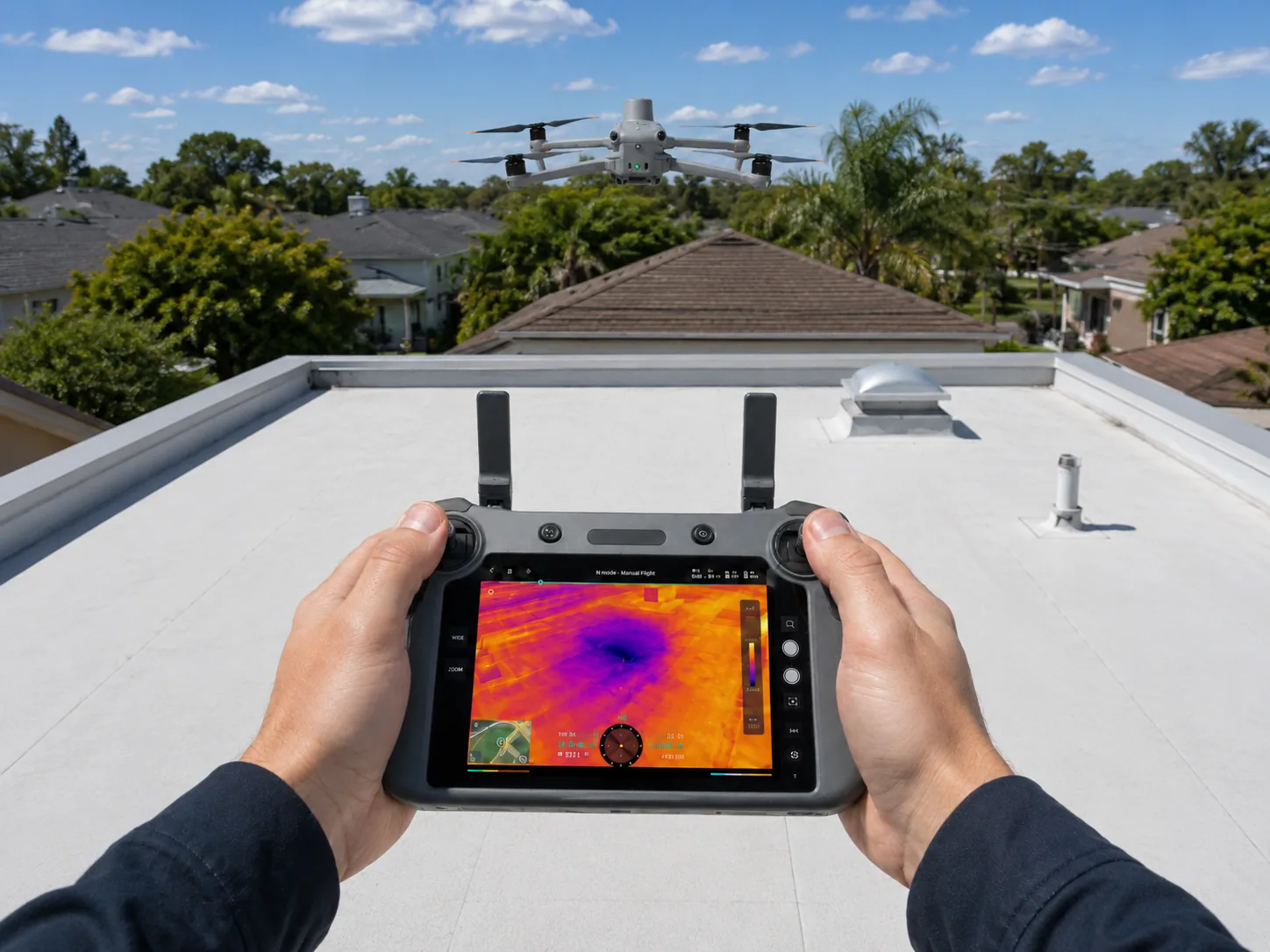
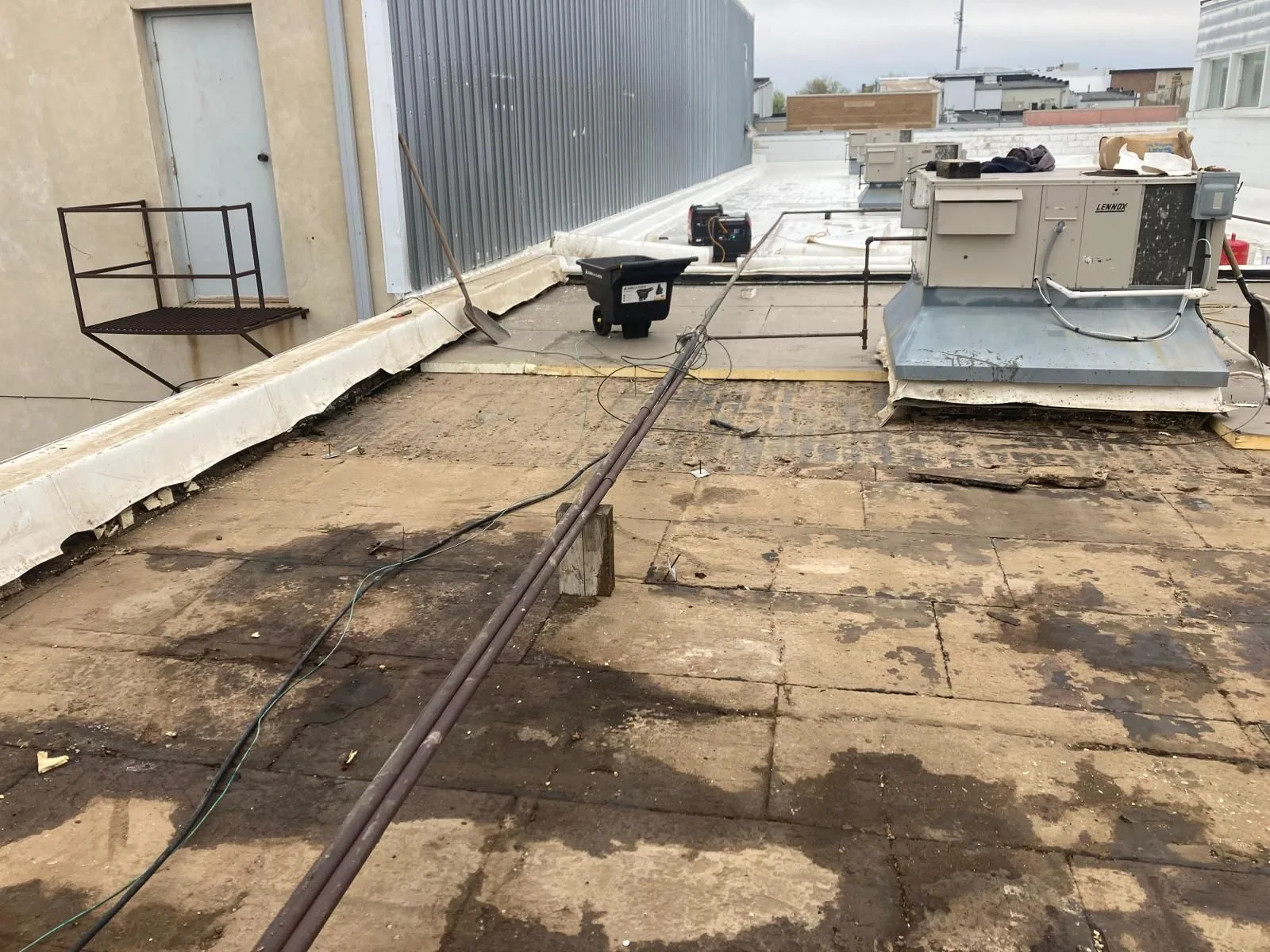
Review the cold storage roof concern
Bring the moisture report, available observations and facility contact. We can examine the roofing question and explain the preparation needed to compare a defined repair or renewal stage.
Call or Email
Helpful to have ready:
The property address and a building contact
Where water or damage shows up inside
The roof type and age, if you know them
Photos and any past roof reports