
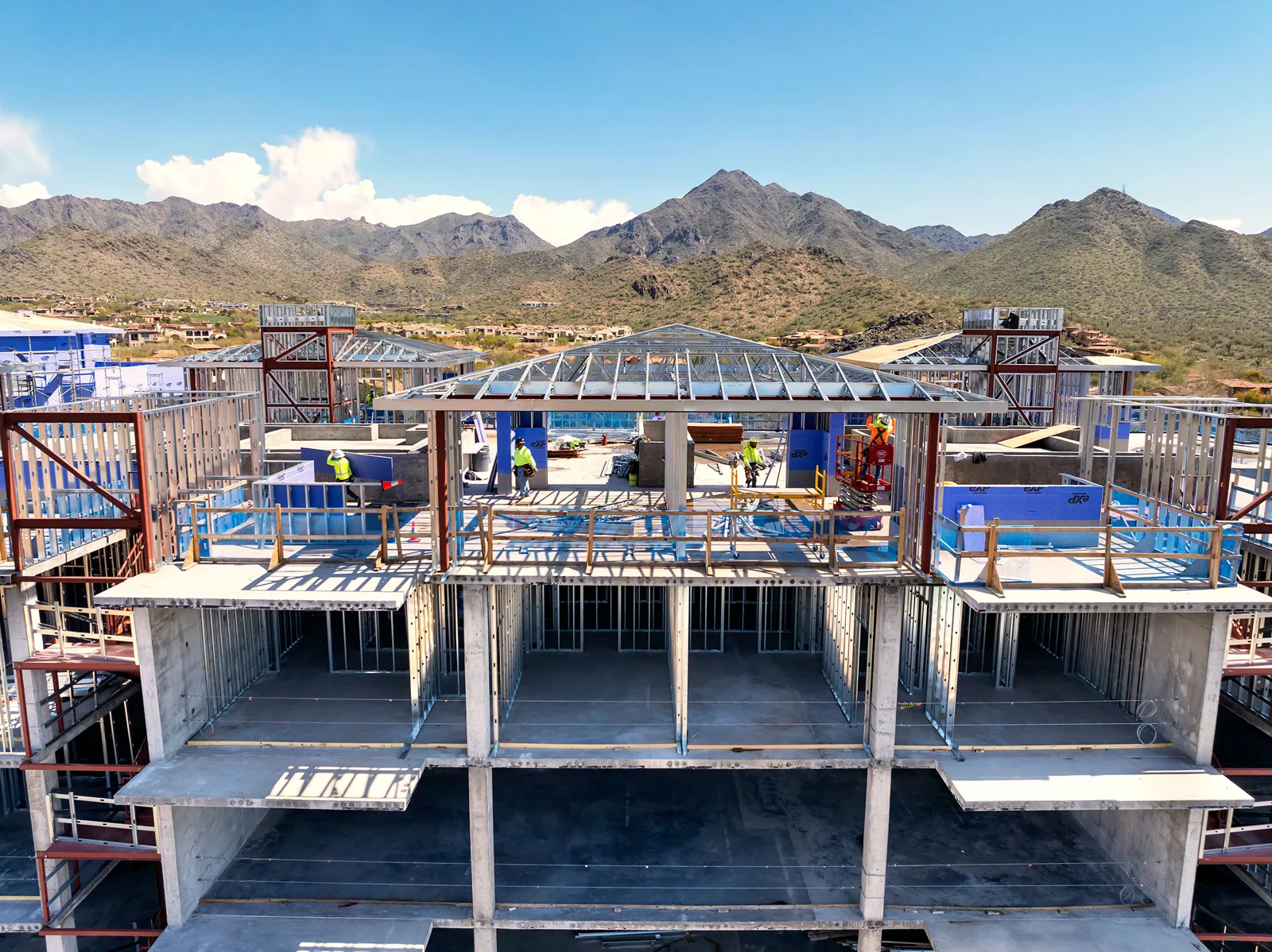
Commercial Roofing for Scottsdale General Contractors
Home / Industries We Serve / General Contractors
Scottsdale general contractors can coordinate roof interfaces, material preparation and phased closure. Review trade handoffs, access and completion decisions.
New wall backing can change the flashing operation already priced for a roof. We review the receiving construction with the general contractor before permanent material is connected. The selected detail needs suitable support, preparation and an understood handoff. The property manager can then approve the roofing amount with the preceding task and closing operation visible, rather than arrange a visit that leaves the final connection waiting on another trade.
For a general-contractor assignment in Scottsdale, identify the building, construction contact and proposed roof work. The Airpark, Old Town and McDowell Corridor are Scottsdale commercial employment submarkets. For projects within those broad areas, we discuss material interfaces, access and component dependencies against the actual condition the building will present. That gives the contractor a roof operation to coordinate with preceding work, rather than relying on a nearby landmark to define the assignment.
Coordination is clearest when the roofing scope names its predecessor and successor tasks. Before mobilization, confirm whether wall backing, equipment relocation, curb adjustment or another trade's work must be complete. At the handoff, agree on the surface condition, dimensions and responsibility for protecting the prepared area. During removal, define how much roof can remain open and what temporary closure is included if a dependency interrupts progress. Put exclusions and allowances beside the work they affect. This lets the general contractor compare sequencing options and identify a decision owner before a roofing crew reaches a condition that differs from the one priced.
Receiving construction controls the permanent connection
A curb or wall connection needs review before the membrane is trimmed and flashed. Examine the backing, attachment positions and adjoining component relevant to that detail. We identify what must be corrected and the suitable condition required for the selected roofing method. A new covering cannot settle an unsuitable support by itself. Keep the preceding construction in the sequence so its responsible representative completes the receiving condition before the permanent roof connection is installed.
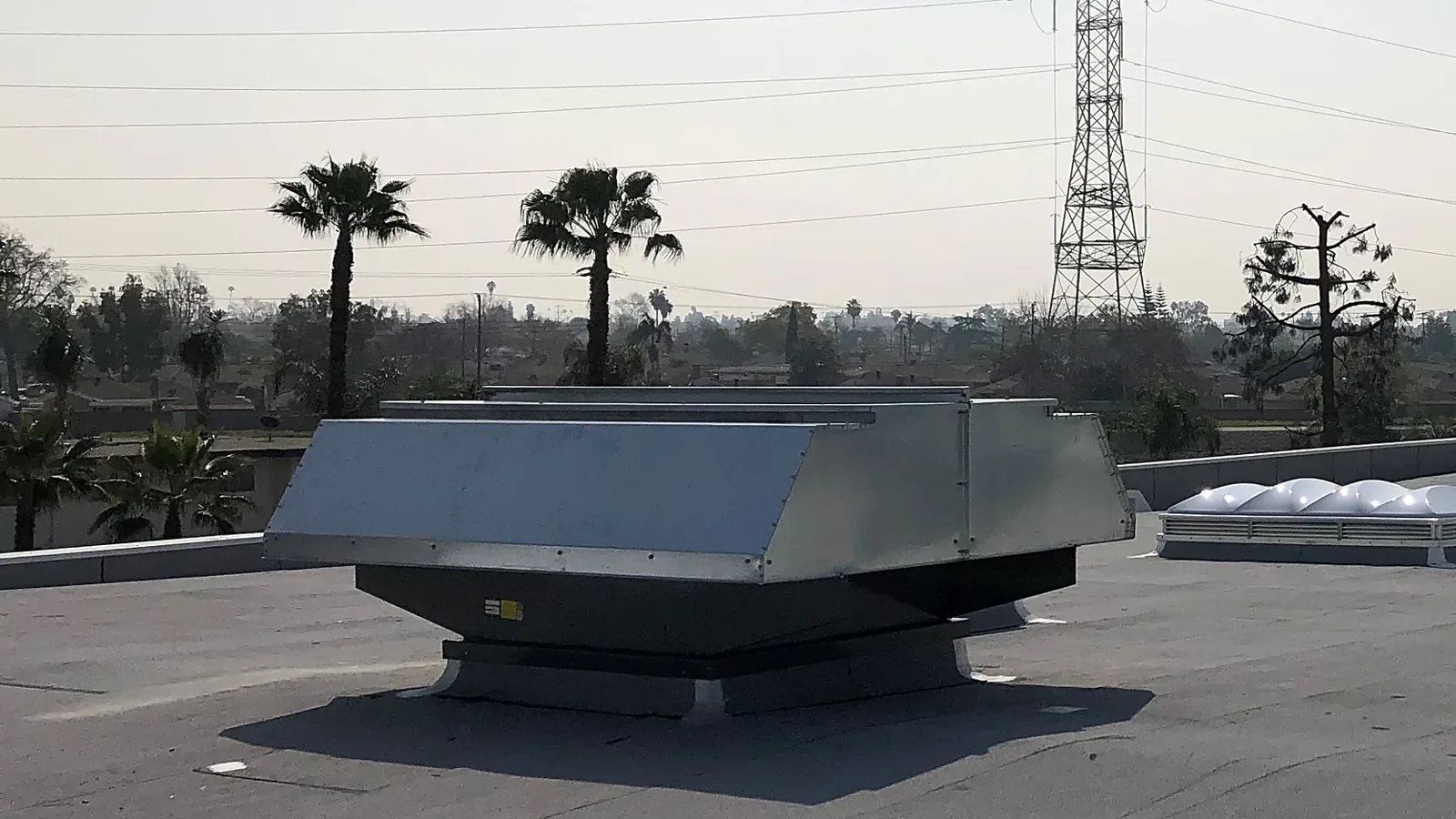
With curb and support work reviewed alongside equipment changes, establish the intended component arrangement and its responsible operation. Equipment isolation or movement may be needed to reach the affected detail. We describe the roofing preparation and material connection that follow. Where support or loading changes require qualified review, identify that decision before a new connection is selected. The general contractor can arrange the relevant representative for a task that has a stated construction purpose.
A mismatch found during preparation needs examination before it is concealed. Locate the condition and explain which part of the proposed detail it affects. Discuss the revised preparation, material and timing with the approval contact. Keep interim protection appropriate to the exposed position while that decision is arranged.
Preparation differs between installed assemblies
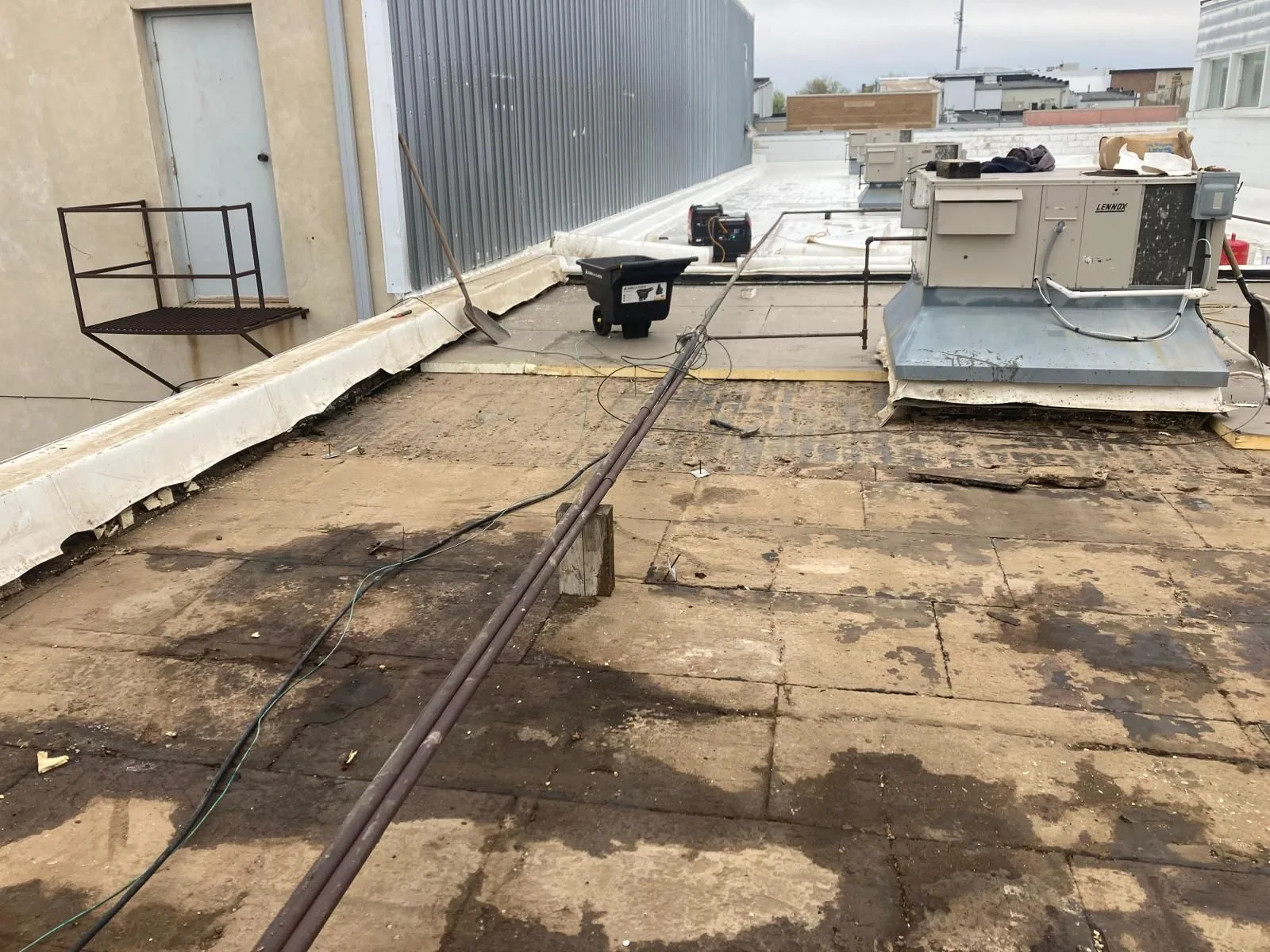
A membrane repair requires identification of the material actually receiving the connection. Thermoplastic sheet needs a suitable surface and joining method for its selected system. EPDM work uses compatible preparation and connecting products appropriate to the detail. Earlier repairs or coating can introduce another material that needs removal or further assessment. We explain the boundary required to reach suitable adjoining construction rather than treat every patch or flashing as the same operation.
Insulation and cover-board work examining the relevant retained layers should identify moisture, deterioration or support questions affecting the new covering. Available records help direct examination but do not establish current suitability. We describe another investigation where concealed condition controls retention, with its opening restored appropriately. The contractor can arrange the access needed to settle that question before relying on an assembly whose amount assumes the underlying materials will stay.
Access needs to support the whole roof task
A delivery route adequate for a small repair may not suit removal and replacement. Review unloading, material movement and the areas affected by handling against the proposed operation. The property contact supplies operating restrictions and occupied-area requirements. We explain the roofing footprint and closing sequence so those directions can be considered practically. A route change that alters equipment or handling needs its effect discussed before the earlier amount and interval are treated as still appropriate.
For a requested assessment near Cave Creek service area, identify the actual worksite separately from the nearby reference. Property management coordinating occupied areas can provide the relevant access and approval contact. We describe the construction that follows the agreed arrangement. An equipment visit, supporting repair or material delivery may need to occur first. The useful work window should bring those dependencies together before roofing removal exposes the connection.
Phased construction needs a defined receiving state
A partial replacement needs a closing detail at the boundary with retained construction. Locate it in the proposed operation and explain any temporary connection and later permanent reconstruction. We review the material and preparation needed for that position. Removal should fit the interval available for an appropriate closing condition. A broad progress target does not establish that another component operation or a changed receiving surface can be completed in the same period.
Where public agencies review the completed roofing operation, identify the construction received at a pause and the task remaining for return. The roofing work should retain its own material decisions alongside another trade’s readiness. We explain the opening, interim protection and next permanent connection so the contractor can arrange the handoff. A later alteration to equipment or backing needs review against the detail already installed, with its effect on the amount and sequence considered before work extends.
Material lead time and application conditions can affect the interval after selection. Confirm the products required for the proposed assembly and discuss availability. The receiving surface must also suit the operation. We explain which preparation or decision remains before permanent material can be installed, allowing the contractor to arrange a useful visit against actual readiness.
Completion should preserve the trade handoffs
A finished roof account needs to show the reconstructed details and relevant adjoining tasks. Locate repaired connections and retain useful photographs of preparation before it is concealed. Record the material installed and distinguish an interim treatment from permanent work. During the completion walk, identify another supporting or equipment operation still awaiting its representative. The contractor and property contact should understand which condition has been received and what remains to be arranged elsewhere.
Warranty management retaining applicable roofing documents can keep the issued information with the installed construction and approved changes. Review the written terms relevant to a later alteration rather than assume the next trade’s change leaves coverage unaffected. We help locate the roofing detail and material information needed for that discussion. A document review remains distinguishable from the repair operation, with the responsible contact identified where another determination is needed.
A later water concern should retain its reported position and the earlier completion information for examination. We assess current details against the construction recorded, identifying the correction supported by the findings. Another component concern needs its appropriate representative rather than being absorbed into an undefined roof patch.
Commercial Roofing Questions
What should the roofing trade receive from a backing repair?
Identify the suitable supporting condition and attachment detail required for the selected connection. We review it before permanent flashing is completed.
Why can earlier patch material change the repair extent?
Its compatibility and receiving condition need examination. Removal or further preparation may be needed to connect new material appropriately.
What belongs in a phased roof handoff?
Locate the protected boundary, temporary connection and next permanent operation. Keep the preceding component task identified where it controls return.
How should a changed delivery route enter the approval?
Explain the equipment or handling affected and its timing or amount consequence. Review that operation before relying on the earlier arrangement.
What should the completion walk distinguish between trades?
Identify finished roofing and another support or equipment task still awaiting work. Retain their locations and the contact arranging each remaining operation.
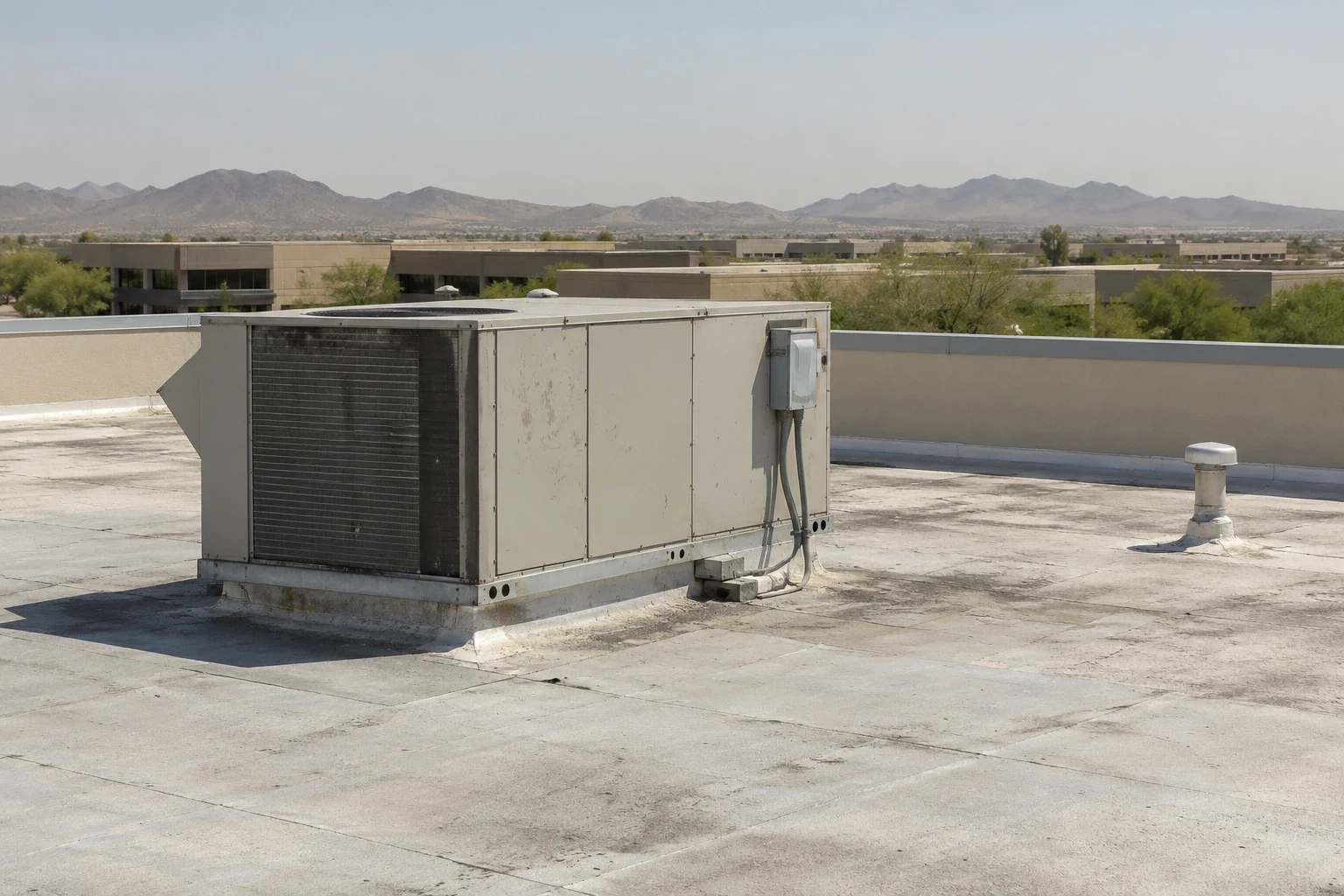
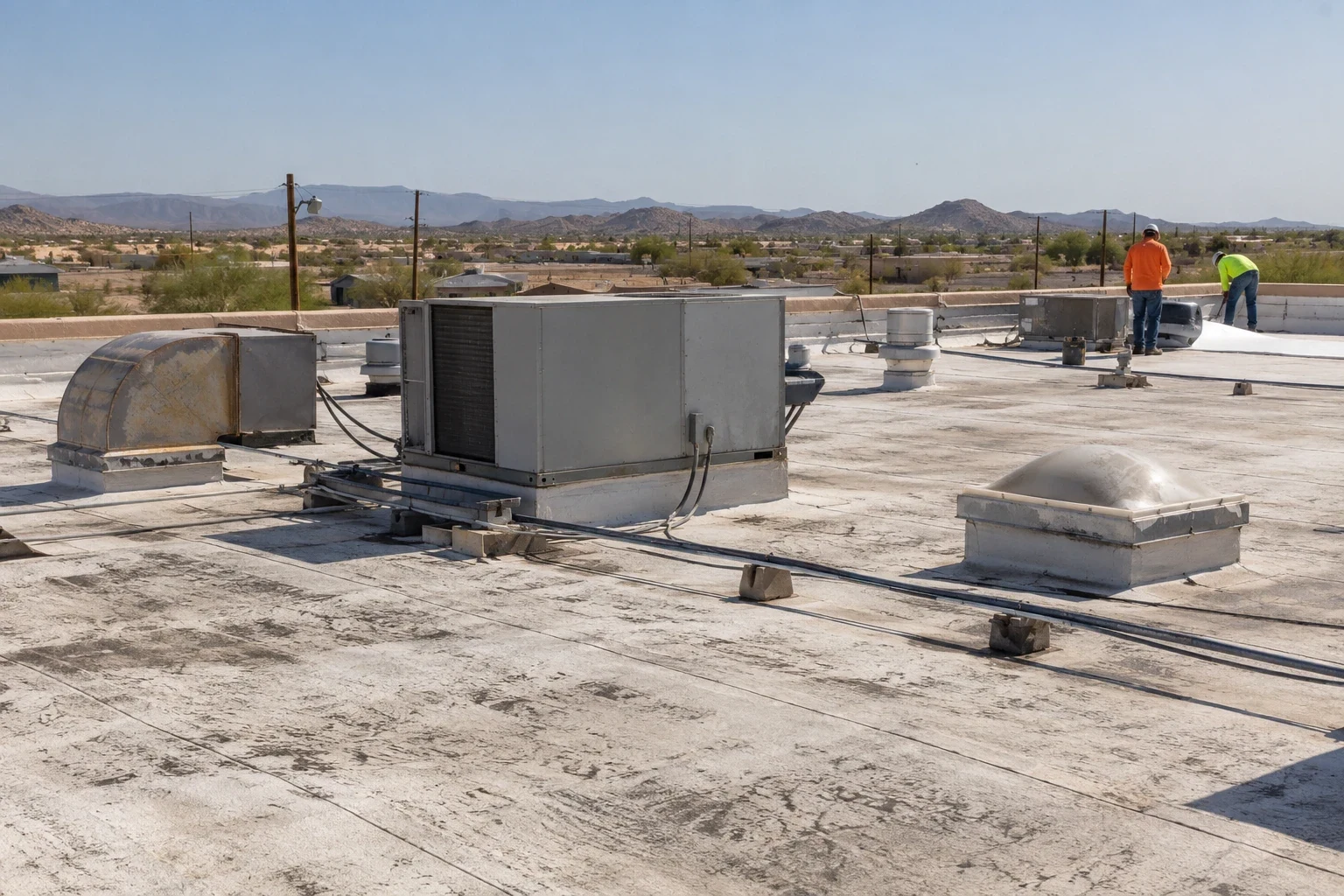
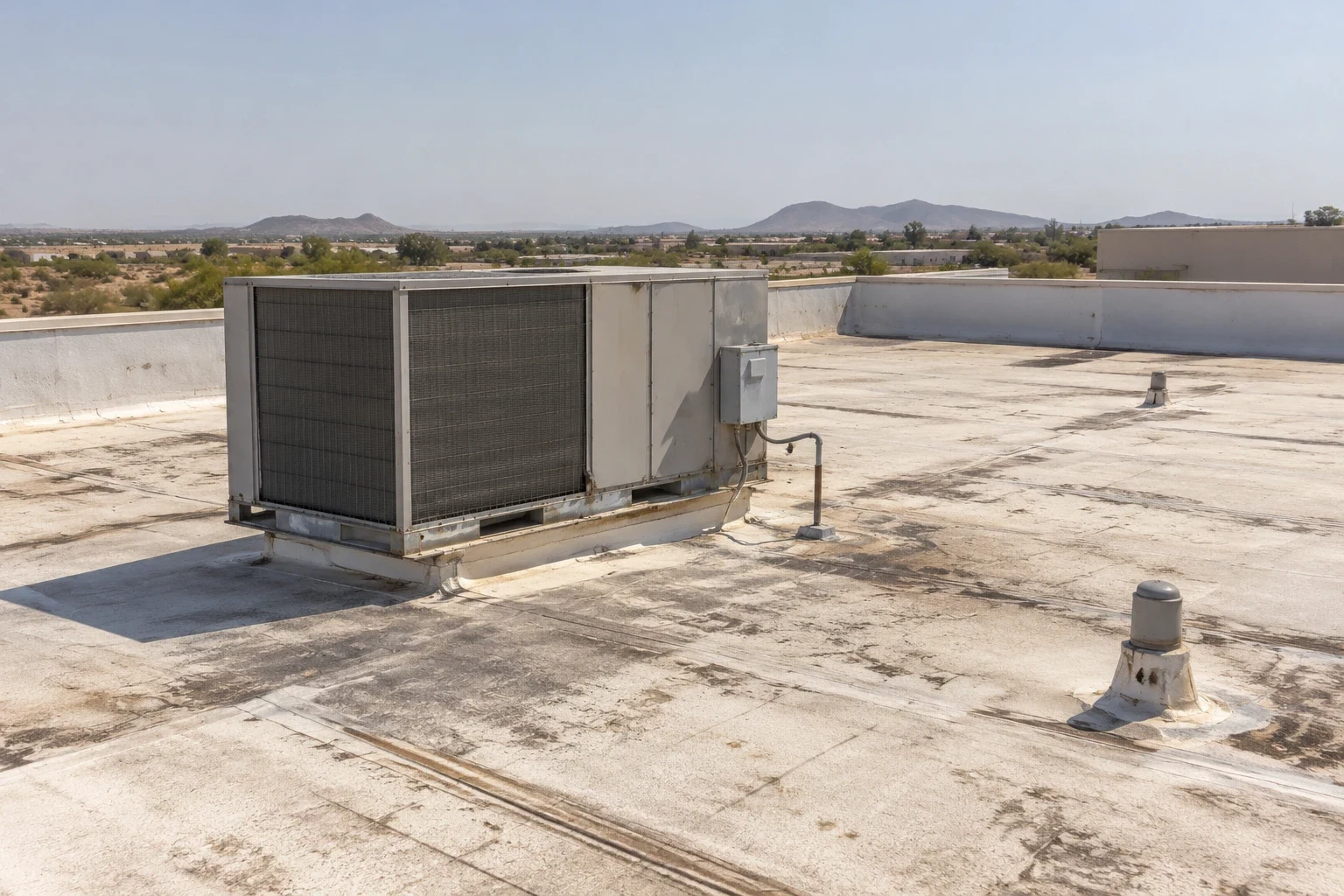
Review the receiving construction and roof sequence
Provide the worksite, affected interface and construction contact. We can assess the roofing operation and identify the material, supporting tasks and access needed to complete it.
Call or Email
Helpful to have ready:
The property address and a building contact
Where water or damage shows up inside
The roof type and age, if you know them
Photos and any past roof reports