

Commercial Roofing in Cave Creek, AZ
Home / Service Areas / Cave Creek
Commercial roofing in Cave Creek for Town Core businesses and commercial properties. Plan inspections, repairs, access, and replacement around building needs.
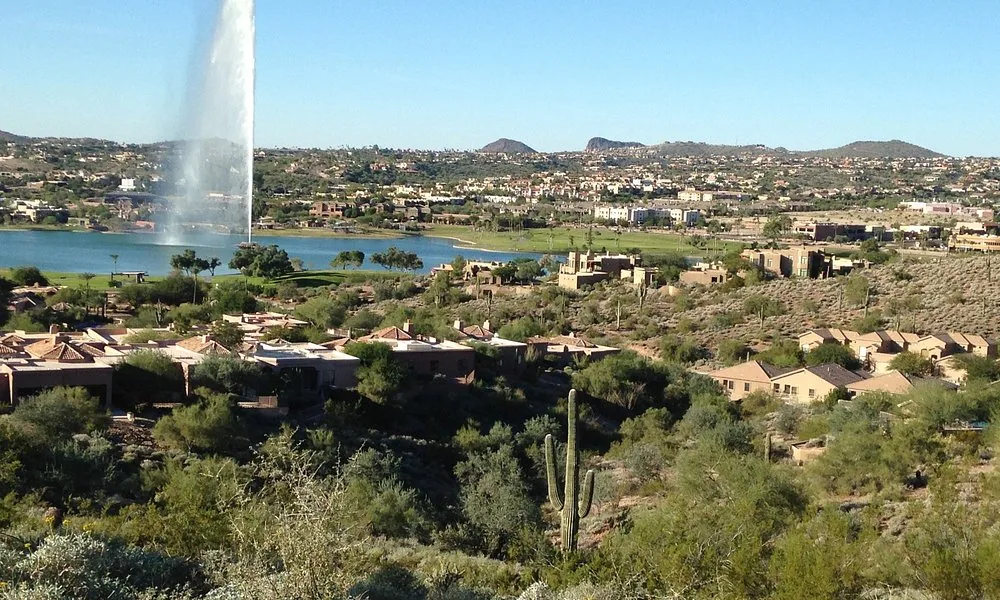
Cave Creek’s Town Core is a mixed-use historic center with retail and services at street level and offices or homes above, alongside visitor services, shopping, culture, and public spaces. Land use and zoning decisions follow the Town's General Plan. That context matters when roof work shares access with storefronts, upstairs occupants, or visitors, but it cannot establish a property’s roof type or leak source. We begin with the actual building, inspect its assembly, and confirm who can authorize access, testing, and construction.
Start with the mixed-use building
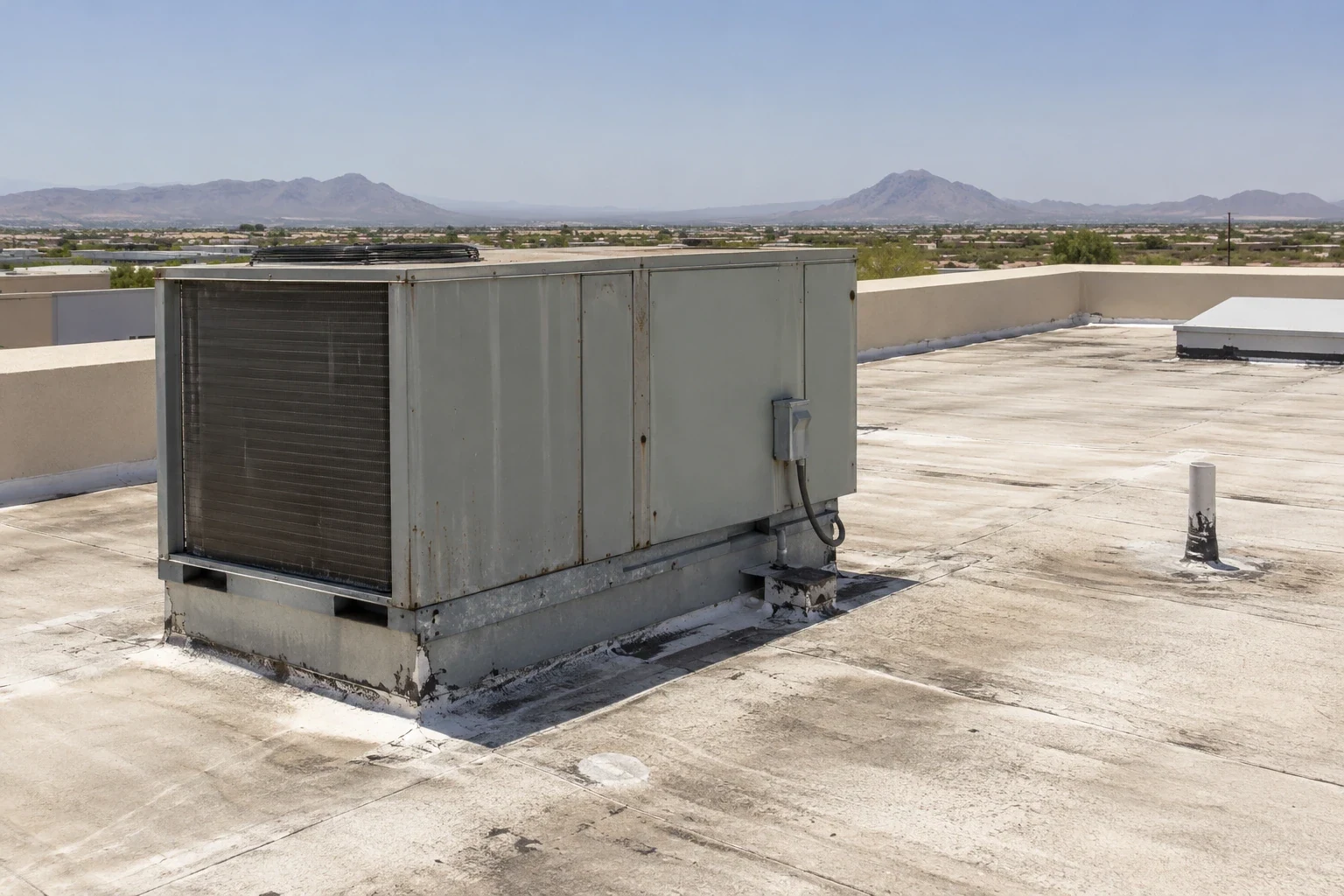
A useful request names the building, roof zone, room or business reporting a leak, and previous repair if known. A mixed-use structure may have several occupants but one roof, so the manager should clarify who controls entry, staging, and approval. We compare interior symptoms with accessible seams, flashing, curbs, drains, wall intersections, and edge details. The inspection records what was observed and which portions need another access plan or selective testing. For a multi-property schedule that also includes Carefree or Fountain Hills, each address and building remain separately documented.
A roof drawing and a simple tenant layout can make a mixed-use visit more productive. Mark the room where water appeared, the tenant contact, the roof area above it, and any interior spaces that need protection. If the building has additions or older sections, identify known construction dates or prior reroofing boundaries. We compare those records with the visible roof and note any difference that affects access or material compatibility. The report should state which areas were reached and whether a follow-up appointment is needed to examine a locked or obstructed section.
Trace the report to a roof detail
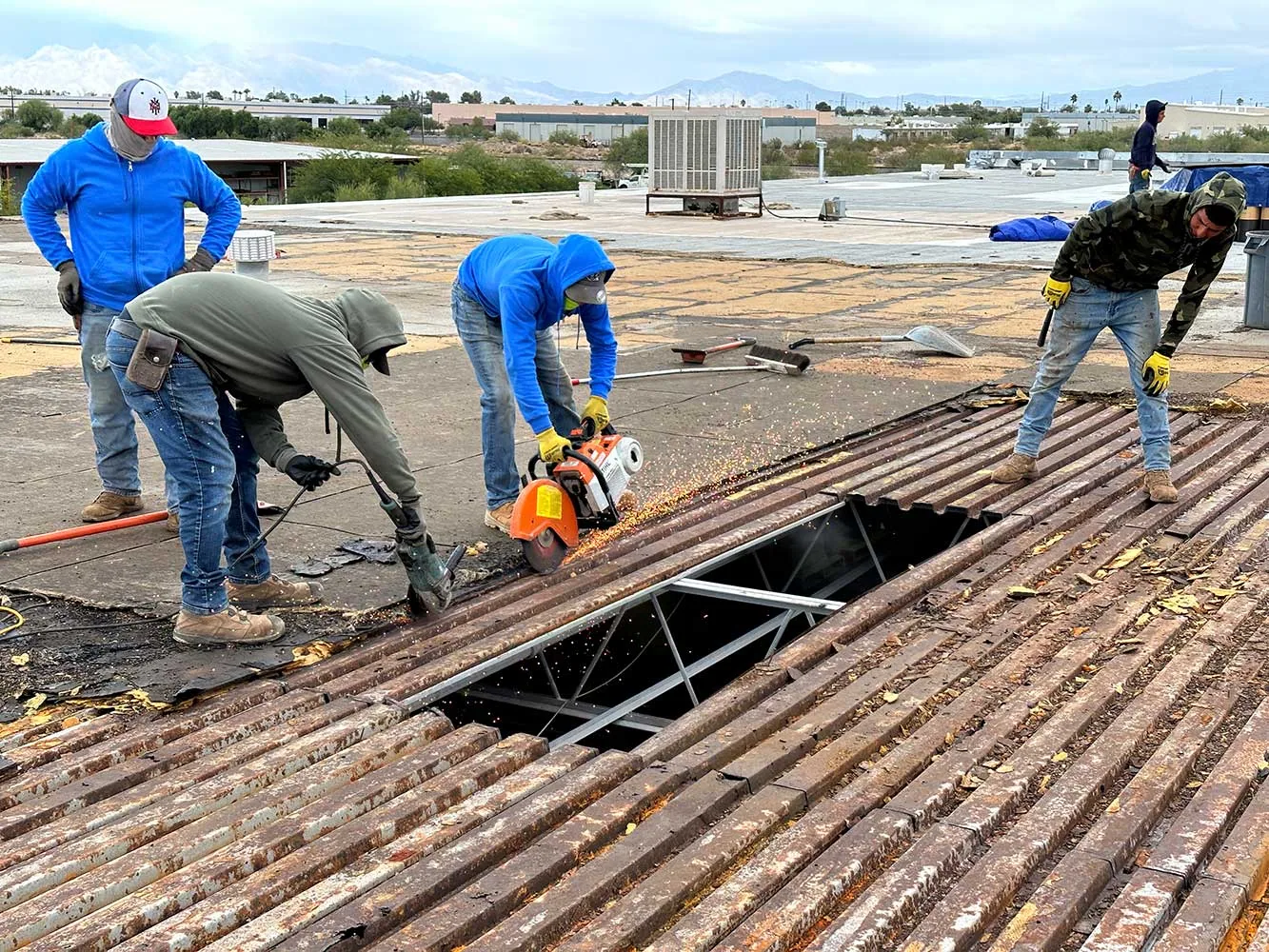
A repair boundary should be clear to both the owner and occupants. We identify whether the correction covers a seam, penetration, metal edge, wall transition, or a measured membrane area. The selected material must be compatible with the roof surface and suitable for the substrate after preparation. The crew removes loose or failed material, completes the tie-in, and documents the finish. If removal reveals wet insulation or deck damage, the open area is protected and measured before additional work is requested. A repair scope should separate authorized work from concealed conditions that may require a change approval.
When there are several reported leaks, do not automatically combine them into one roof quantity. We track each symptom to its own roof detail and note whether findings support a shared cause or separate corrections. That makes approval more precise and lets an owner prioritize a confirmed active leak while deciding whether to test a different area. The crew should know which tenant or room sits below each work zone and what protection is approved. If another detail is discovered after opening, stop at the authorized boundary, secure the roof, and document the condition before asking for a scope change.
Keep the authorized repair visible
Shared entrances and pedestrian circulation need attention in a street-level business area. The site contact identifies customer paths, doorways, delivery hours, parking or staging limits, and any public-space coordination required for ladders or lifts. For offices or homes above a shop, agree on interior protection and communication before work begins. We keep debris movement and material handling away from routes that the property must leave open. An occupied-building phase plan can set one roof zone at a time and state when each section will be secure. Those arrangements are confirmed with the building representative; general Town Core planning does not define an individual property’s construction access.
If several occupants need notices, agree which manager sends them and what each notice will say about noise, access, odors, or temporary parking changes. The roofing crew can provide the dates and work zone, but the property representative controls tenant communication and building rules. A simple phase map helps occupants understand whether their entrance remains open and where materials may be staged. Confirm a contact who can respond during working hours if an interior condition changes. These steps do not add roofing scope; they prevent avoidable confusion while the approved correction proceeds.
Protect storefront and shared access
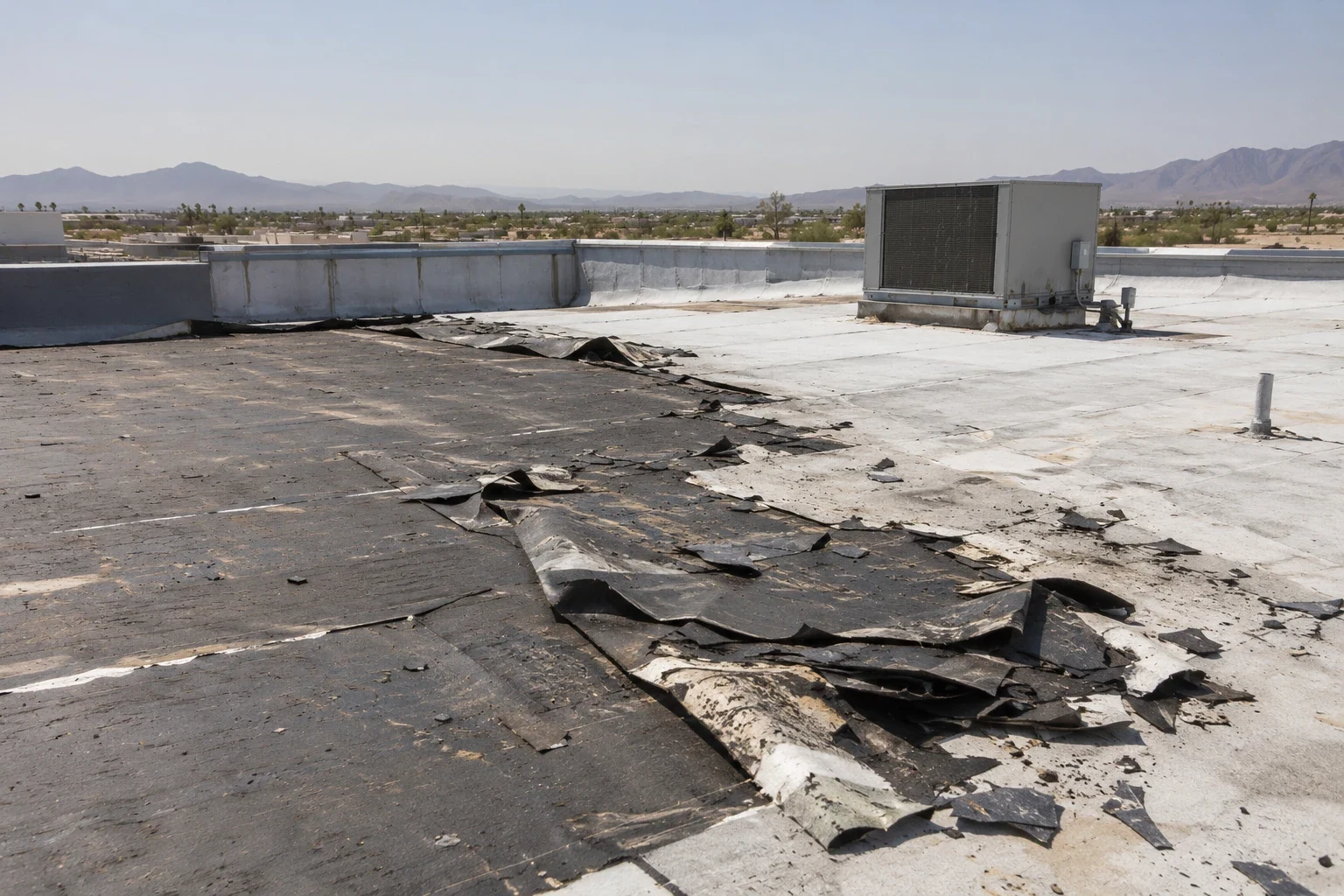
If multiple repairs recur or inspection shows moisture across roof sections, we compare further testing, recover, and replacement. The review considers membrane or metal condition, insulation, attachment, deck, edge height, drainage, and details shared with adjoining walls. A recover is considered only where the retained assembly can support a new layer and all transitions can be completed at proper height. A replacement plan defines removal limits and daily dry-in points. System choice may involve modified bitumen or another specified assembly, but the building requirements and field findings - not the neighborhood’s character - drive selection.
Compare repair with replacement evidence
Before mobilization, confirm roof access, occupant hours, material delivery, and who can approve a concealed-condition change. A street-level property may need customer notice; a mixed-use building may need a separate agreement with residents or upstairs tenants. We schedule each roof section around the accepted work window and identify a protected stopping point. Weather and manufacturer installation limits can affect the day’s sequence, so updates should state whether the work is complete, secure, or waiting on a documented dependency. A firm construction date follows access and material confirmation, not simply a preferred calendar slot.
Confirm tenant notice and roof access
At turnover, connect photographs and material records to the correct building and roof plan. State what was repaired, what was excluded, and whether follow-up testing or maintenance remains open. That history helps a manager distinguish a recurring leak from a new issue near another tenant’s space. Nearby Old Town Scottsdale or McDowell Corridor assignments can be coordinated in one regional schedule while retaining separate scopes. Share the property plan, occupant/access instructions, and service history. We will identify the condition we can confirm and the work boundary that fits the evidence. Keep the approval record with the same roof-zone label used in the inspection and photographs.
For a mixed-use property, route the closeout to the person responsible for both the roof and occupant communication. Identify completed work by roof zone, show the transition and any drain or edge detail affected, and state the status of temporary protection. If an upstairs occupant reported the leak, the manager can relay the finding without overstating what the inspection established. Keep a copy with the building’s service history and roof plan. This is especially useful where storefront turnover or management changes could otherwise separate a repair record from the roof asset it describes.
Commercial Roofing Questions
What does the Cave Creek Town Core plan describe?
It supports a mixed-use historic center with retail and services at street level and offices or homes above, along with visitor services, shopping, culture, and public spaces.
Can several tenants submit one roof request?
Yes, but identify one property representative who can coordinate access and approvals. We keep symptoms and interior locations tied to the correct roof area.
How do you prevent a repair scope from expanding unexpectedly?
We record the confirmed boundary and protect concealed conditions. Any added quantity is measured and sent to the authorized contact for approval.
How should roof work be coordinated near a storefront?
Confirm customer routes, delivery hours, staging, entry access, and notice requirements before work. The crew sequences roof zones with a safe daily stopping point.
When is replacement worth reviewing?
Repeated failure, broad moisture, or a weak assembly may justify testing and replacement comparison. The recommendation follows field findings and scope-specific evidence.

Plan the next roof decision
Share the roof plan, reported issue, access window, and approval contact. We will define the examination and work needed before setting a construction date.
Call or Email
Helpful to have ready:
The property address and a building contact
Where water or damage shows up inside
The roof type and age, if you know them
Photos and any past roof reports