Drone Roof Inspection in Scottsdale, AZ
Home / Commercial Roofing Services / Drone Roof Inspection
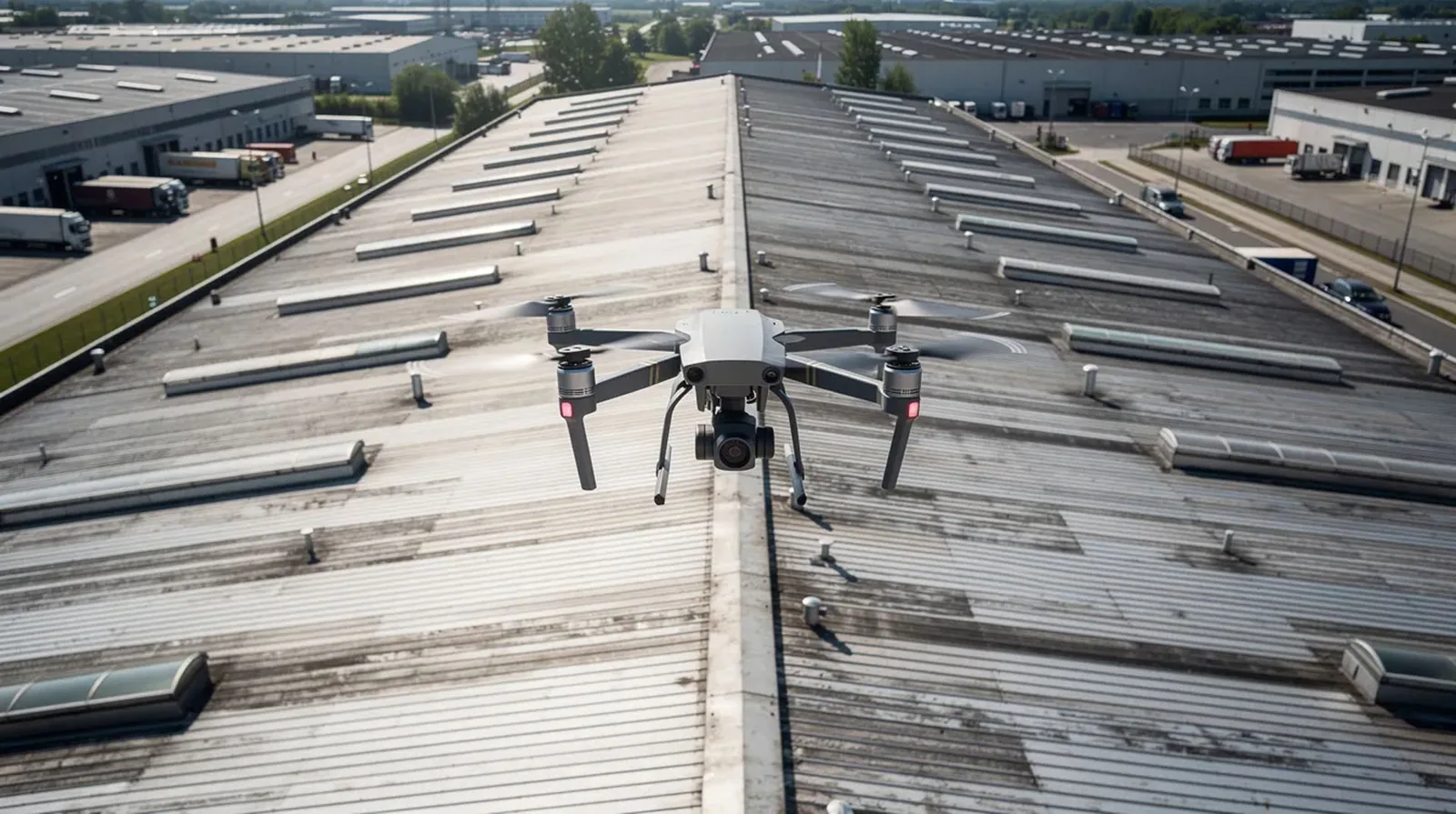
Drone roof inspection in Scottsdale locates visible conditions and roof areas while identifying concealed details that need closer examination.
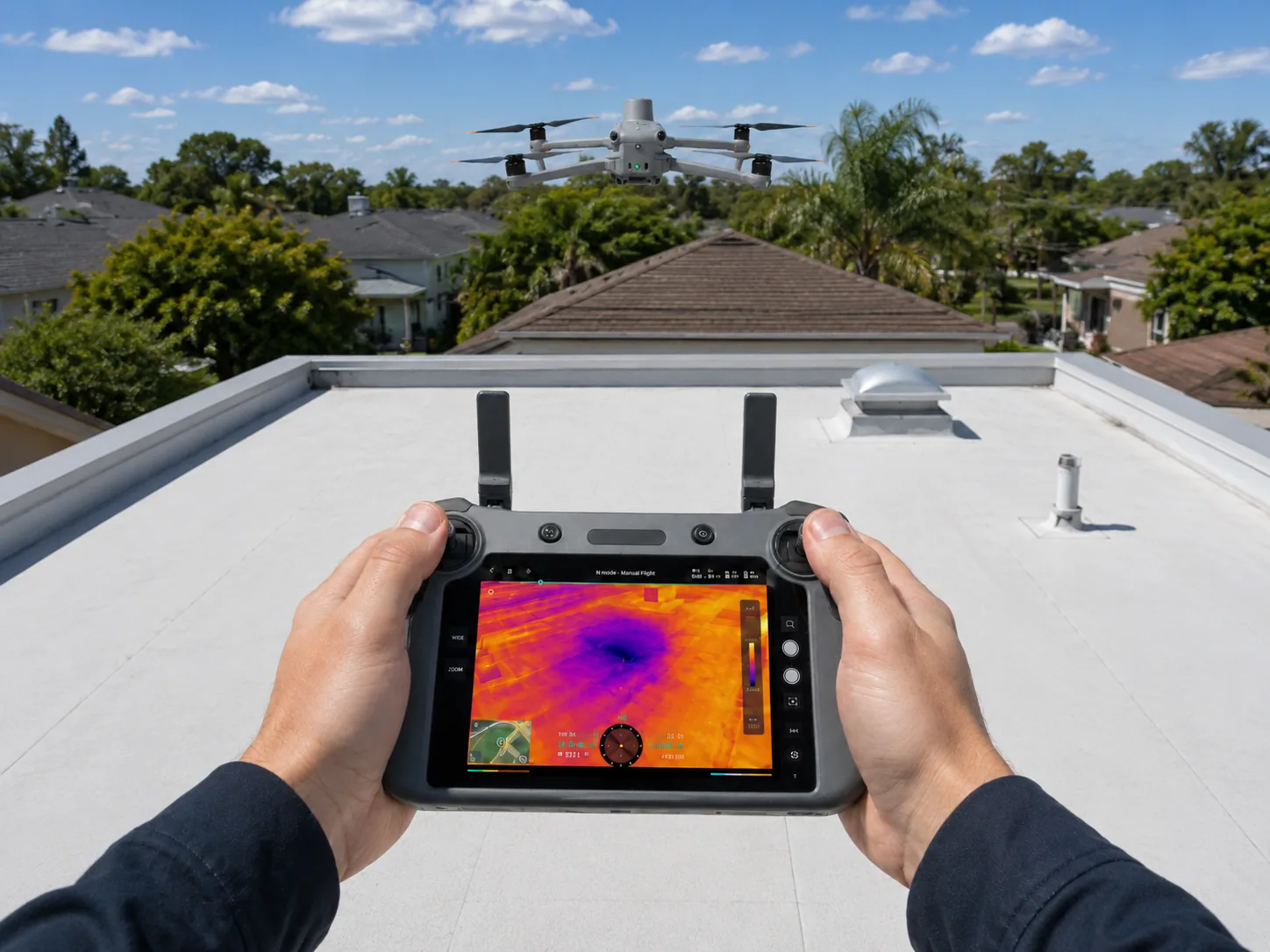
Aerial roof imagery can help an owner understand where visible damage sits across a large roof, but distance changes what the camera can show. Drone roof inspection in Scottsdale, AZ records accessible views of the surface, transitions and roof layout. We review the imagery against the reported concern and identify which observations warrant a closer examination. A photograph from above does not establish the condition of concealed insulation, a seam beneath debris or a connection hidden behind equipment.
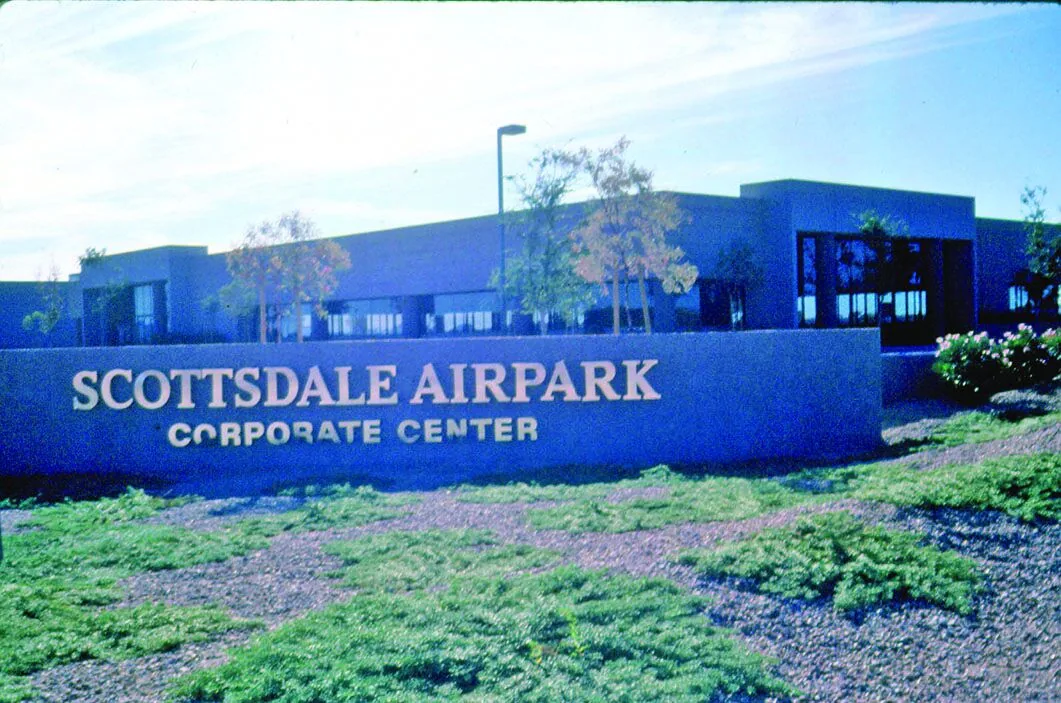
For a property in Scottsdale Airpark, provide the building address, roof areas of interest and any access restrictions supplied by the representative. The area includes industrial, office and retail categories, but that does not identify the building’s roof system or roof height. We plan the inspection around the assigned property and the information its owner needs.
Aerial coverage purpose
We ask what the owner needs to see: a roof layout, the location of visible damage, drainage patterns or details difficult to understand from ground photographs. That purpose guides the flight coverage and the areas to compare. Available roof plans and prior repair records can help connect an image to known sections, but we note when a plan or label does not match the visible construction. The aerial record should answer a practical question, not merely create a large folder of unlocated images.
Before the visit, the property contact supplies access limits and any relevant site directions. We identify roof areas that cannot be viewed clearly because of height, weather, obstruction or restricted flight conditions. These limits affect which observations can support a close examination. The resulting coverage plan gives the owner a clear picture of where imagery will help and where physical access or another method remains necessary.
Coverage and visible conditions
We capture roof areas and orient the images so an observed feature can be found again. Broad views help locate equipment groups, drainage paths, roof transitions and visibly displaced materials. Closer imagery may show a lifted edge, debris accumulation or a damaged surface, depending on height, angle and light. We describe what the image actually shows and avoid inferring material condition beneath the visible surface. A steep camera angle can hide the edge of a lifted sheet, while reflection or shadow can make a surface mark harder to distinguish. We use more than one view when that helps locate the feature, and identify it against a drain, curb or perimeter line the next inspector can recognize. Image scale changes with distance, so a photograph alone may not establish the size or depth of a defect. We keep the visual record tied to a roof area and use a closer examination when the material condition matters to repair scope.
Where an aerial observation points to a suspect seam or flashing, a closer roof inspection can determine its attachment and receiving condition. The drone image locates the detail; it does not replace hands-on examination of its connection. If a reported mark at a TPO roof is not distinguishable from ordinary surface variation, we explain the limitation and identify another view or inspection needed. The owner can then distinguish a visible clue from a confirmed repair finding.
Water reports and aerial evidence
Images may show ponding, debris or a roof opening near the area reported inside. Those views can guide inspection, but they do not show every route water can travel below a membrane. A stain may be offset from the entry point. We compare the aerial location with the interior report and identify connected seams, curbs or drains that need closer examination. A roof photograph alone is not proof that the visible low area caused the reported water.
For a commercial roof leak investigation, we use imagery to locate candidate details and record their surroundings. Where moisture beneath the surface could change the repair area, an infrared survey or controlled opening may be appropriate. Each method addresses a different question, and any further testing should be interpreted against the roof construction. We explain what the image supports and what still needs physical examination before a repair amount is settled.
Limits of aerial imagery
Drone imagery cannot show the full thickness of the roof assembly. It may not resolve a hidden seam, material delamination, wet insulation or the upper attachment beneath an obstruction. We identify these limitations in the inspection record. A close view from above can help select where to walk or open the roof, but it does not determine which layer to remove or whether a substrate will accept a repair.
When the view identifies a possible defect, we describe the next inspection that could confirm it. For a visible edge separation, a hand examination may establish whether the metal or membrane is loose. For suspected concealed moisture, another survey or an authorized opening may provide needed information. A located roof condition report can preserve the image, feature location and follow-up question together, allowing the owner to see why the next step depends on more than aerial coverage.
Aerial coverage is especially useful for comparing roof zones that are hard to see from one access point. We can map visible ponding patterns, debris accumulation, displaced rooftop items and broad membrane changes, then relate those images to the roof plan or a marked zone list. The property manager should still reserve close access for locations where a seam, flashing or attachment must be touched or measured. Image coverage can make the next visit more deliberate by identifying where a hands-on check will answer a specific question, instead of treating every visible variation as a defect.
The image record
We organize images by roof area and orient them with recognizable nearby details. Captions should identify the visible condition and avoid converting an uncertain observation into a repair diagnosis. The owner can then compare the flight view with prior photographs, roof plans or later examination. If a repair is authorized, an aerial image helps locate the area while the close-up and inspection record document the actual connection corrected.
A building near Scottsdale Airport and Airpark still needs its own property address and roof area in the record. We note which portions were captured, what obstructions limited the view and which areas require physical access. The owner receives a useful coverage set and a defined next inspection where needed, rather than imagery treated as complete evidence about every hidden layer or every reported leak.
Commercial Roofing Questions
Can a drone inspection diagnose a roof leak?
It can help locate visible conditions near a reported area. We compare those images with the interior report and identify the closer roof examination needed to confirm an entry connection.
Can aerial images show wet insulation?
No. Images show the visible surface, not the condition of concealed layers. Further testing or an authorized opening may be needed when that information changes the repair.
How does the owner use the images later?
We organize them by recognizable roof area and describe visible features. That lets a later inspection return to the same location and compare the actual repaired construction.
What limits the inspection coverage?
Weather, view angle, obstructions, roof geometry and supplied access or flight directions can limit images. We identify areas that could not be captured clearly.
When is a hands-on roof visit still needed?
A seam, flashing, drain or curb connection may need close examination to assess attachment and material. Aerial images can direct that work but cannot establish every connection.
Plan an aerial roof inspection
Provide the property address, roof areas of interest and the inspection question. We can explain the image coverage, access needs and any close examination that may follow.
Call or Email
Helpful to have ready:
The property address and a building contact
Where water or damage shows up inside
The roof type and age, if you know them
Photos and any past roof reports