
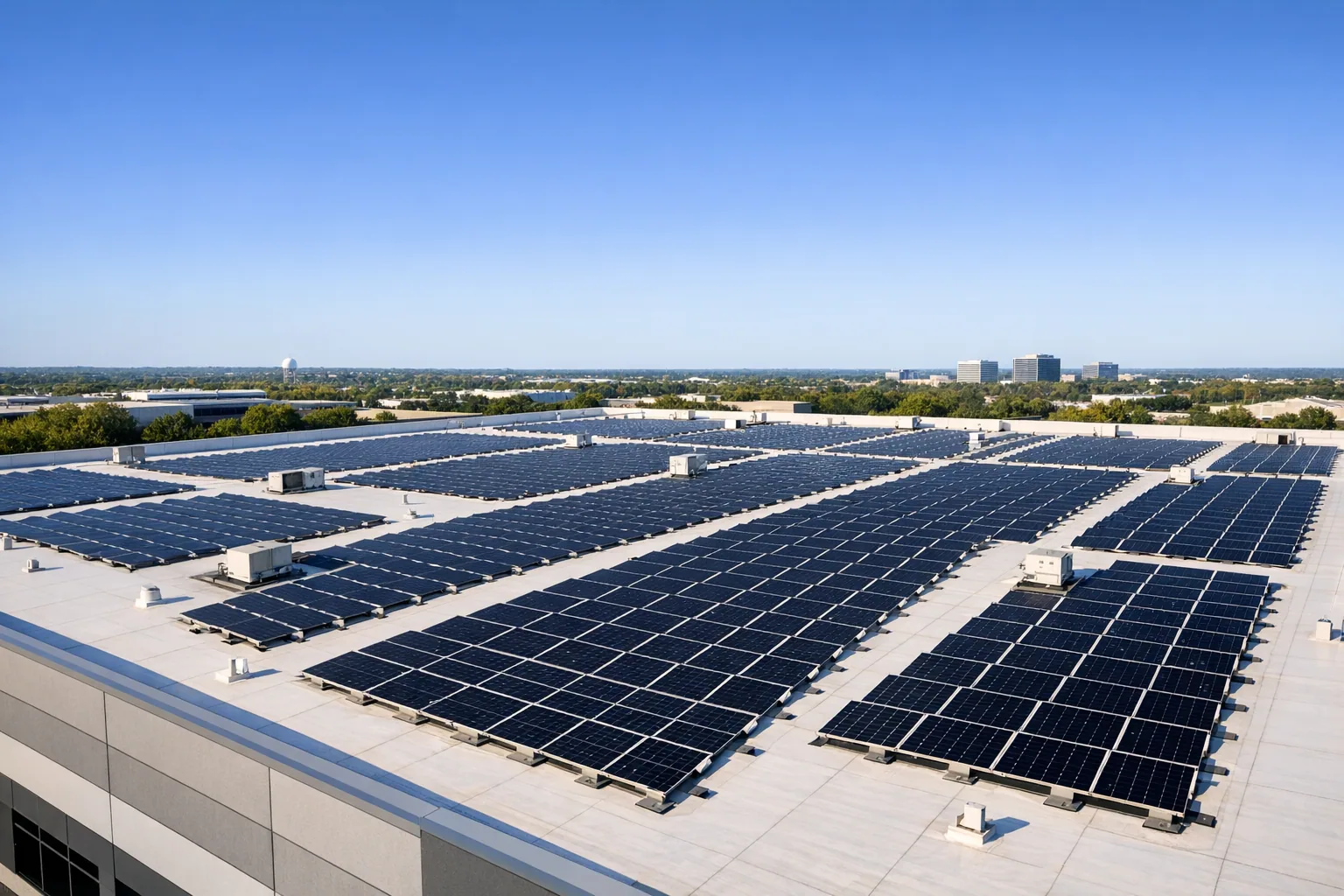
Solar-Ready Commercial Roofing in Scottsdale, AZ
Home / Commercial Roofing Services / Solar-Ready Commercial Roofing
Prepare a Scottsdale commercial roof for a future or planned solar array by reviewing roof life, structure, drainage, attachment and warranty coordination.
Preparing a commercial roof for solar means coordinating two projects that meet at the building envelope. Solar-ready roofing in Scottsdale starts with the roof’s present condition and expected service life, then checks what information the solar designer needs about structure, attachment, drainage and access. A roofing inspection can document the roof-side conditions; it cannot approve structural capacity or design the photovoltaic system. McDowell Corridor is an employment submarket, but it does not determine roof suitability at an assigned building.
Before discussing a panel layout, collect the roof plan, system records, warranty documents and preliminary solar drawings. These materials let the roofing team describe the roof assembly to the project designers without turning a visual roof review into structural approval.
Decide whether the roof is ready for the solar timeline
Before an array is installed, compare the existing roof’s documented condition and remaining service plan with the solar project’s intended life and maintenance plan. The U.S. Department of Energy advises evaluating rooftop suitability based on compatibility, structural strength, age and wind exposure. That review calls for the roof owner, solar designer and responsible structural professional to work from the same site information.
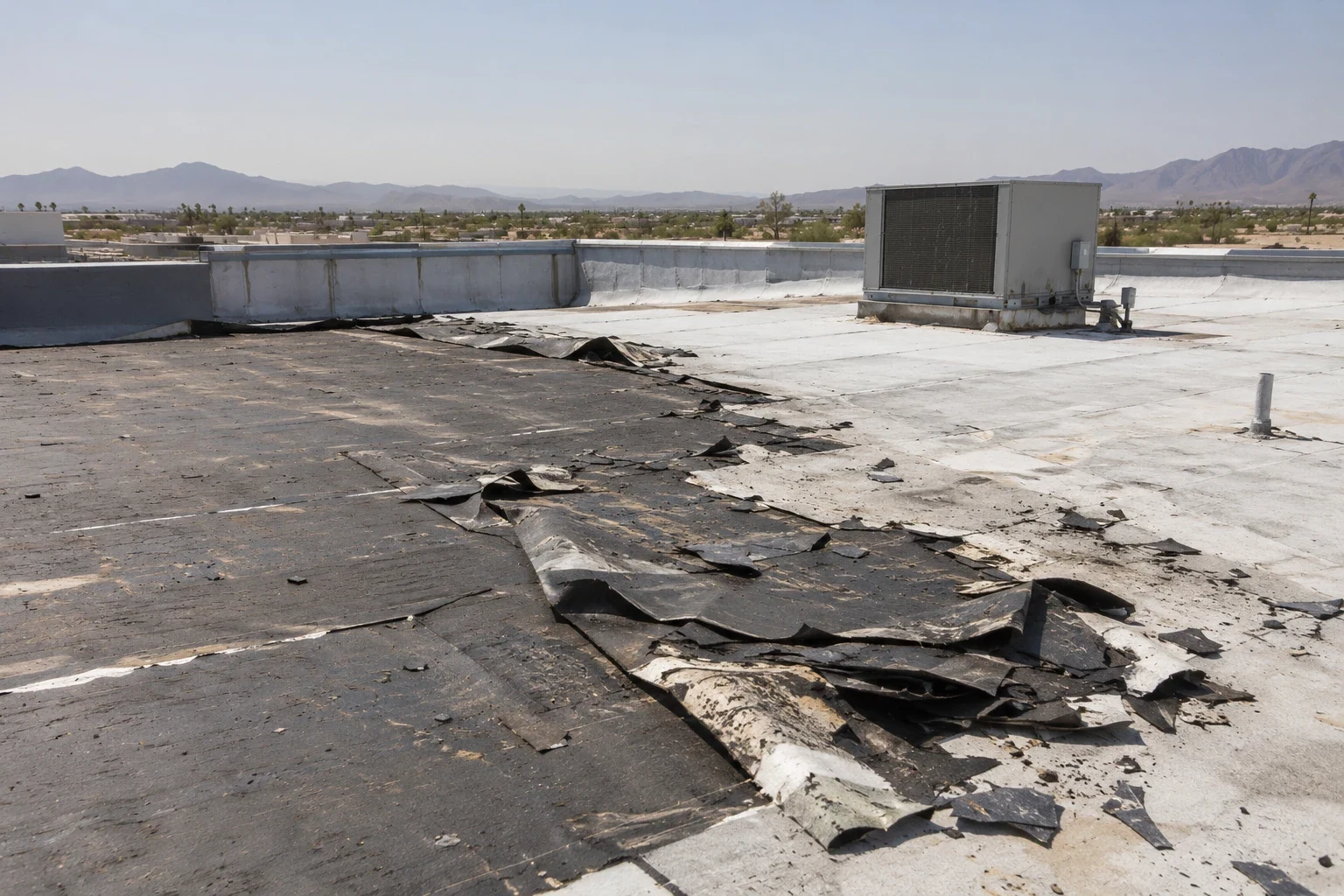
We inspect visible membrane or surfacing, seams, flashings, curbs, penetrations, drainage and reported leaks. Records establish installation dates, repairs, warranty status and access limits. A visual review does not confirm the condition of concealed layers or provide a reliable promise of service life. If remaining life is uncertain, we state what investigation is needed rather than assuming that a roof is ready because it is not actively leaking.
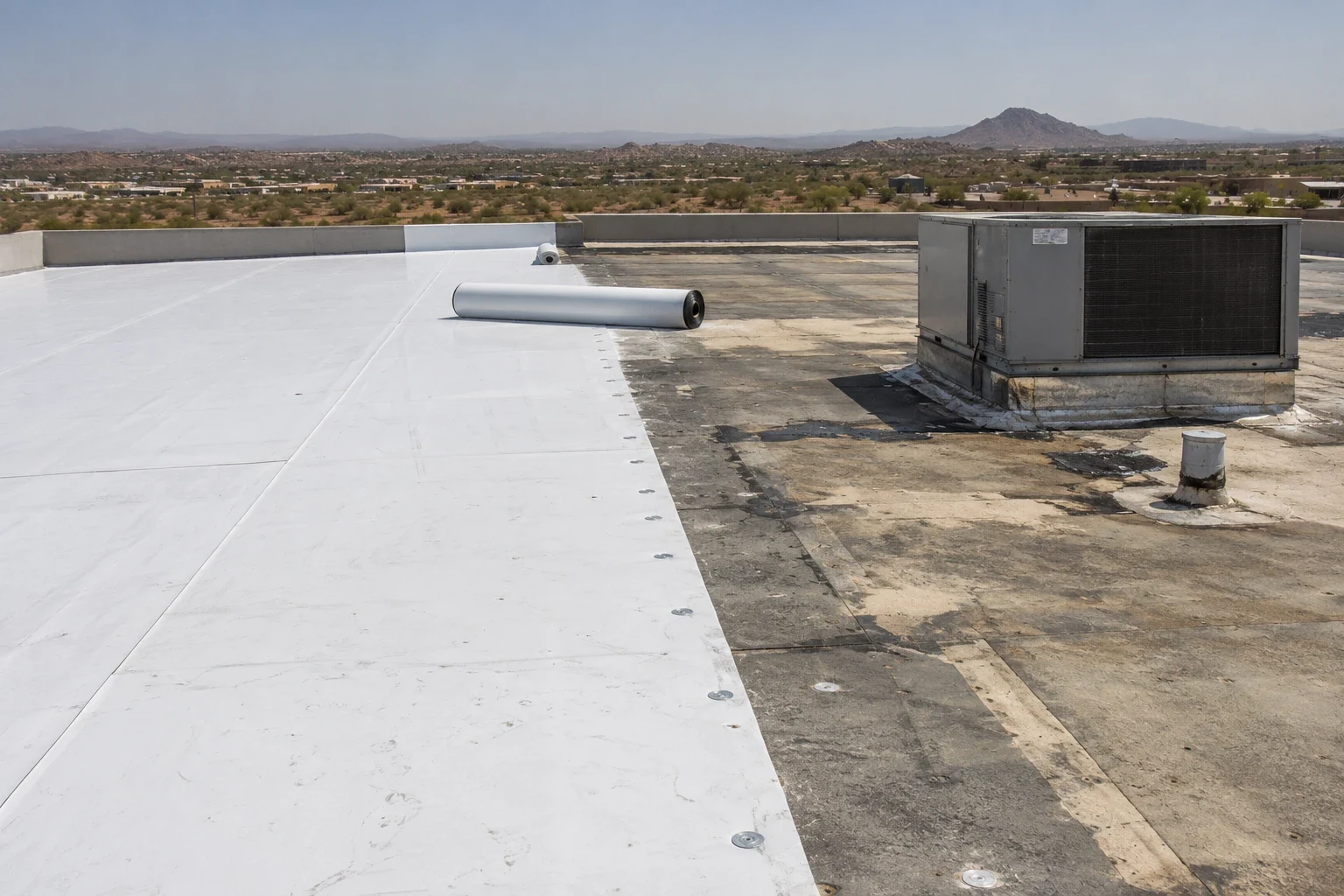
If the roof needs replacement or substantial repairs before the array, plan the order of work before racking and modules arrive. Replacing a roof after solar is installed can require coordinated removal, storage, reinstallation and system downtime. The solar and roofing agreements should assign who pays for those tasks and how lost production is handled; those commercial terms belong to the owner and solar provider. Compare a commercial roof replacement assessment or recover assessment with the proposed solar schedule.
Coordinate attachment and structural review
Every planned attachment or support needs a documented path into the building. The solar designer and structural engineer determine the array layout, loading and attachment approach for the actual structure. Our roofing work can identify the membrane and roof details that those plans must protect, then follow an approved roof-system detail for the selected attachment. Structural capacity, rack loading and ballast adequacy belong to the structural engineer.
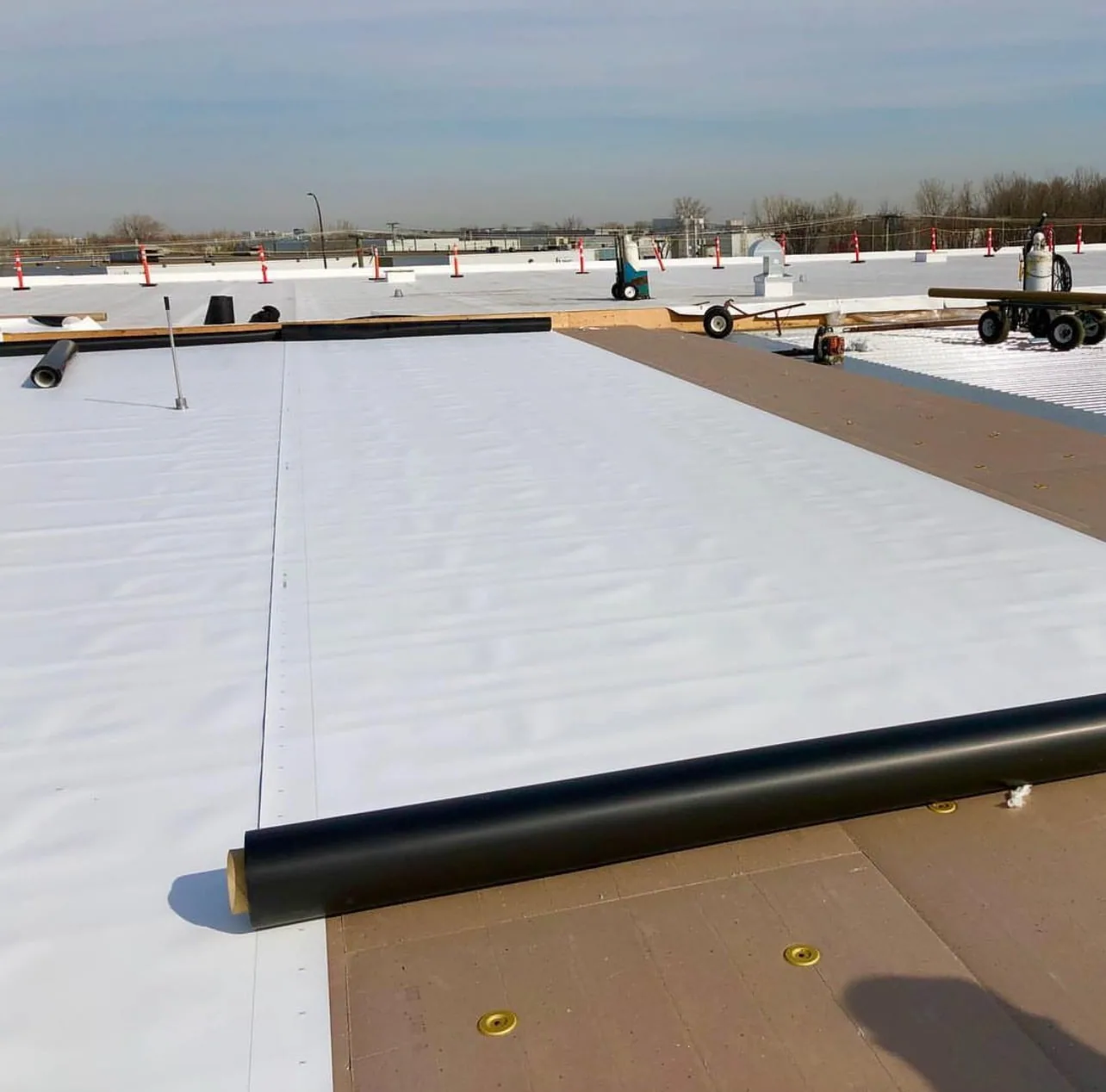
Some roofing manufacturers publish photovoltaic assembly plates or integrated attachment products for specific roof systems. Johns Manville, for example, publishes photovoltaic reference information and a membrane-flashed attachment product. That availability is not blanket approval for another manufacturer’s membrane, every roof deck or every solar layout. The exact system, substrate, product and project approvals need to be checked together. The approved attachment detail for TPO roofing must match its membrane system.
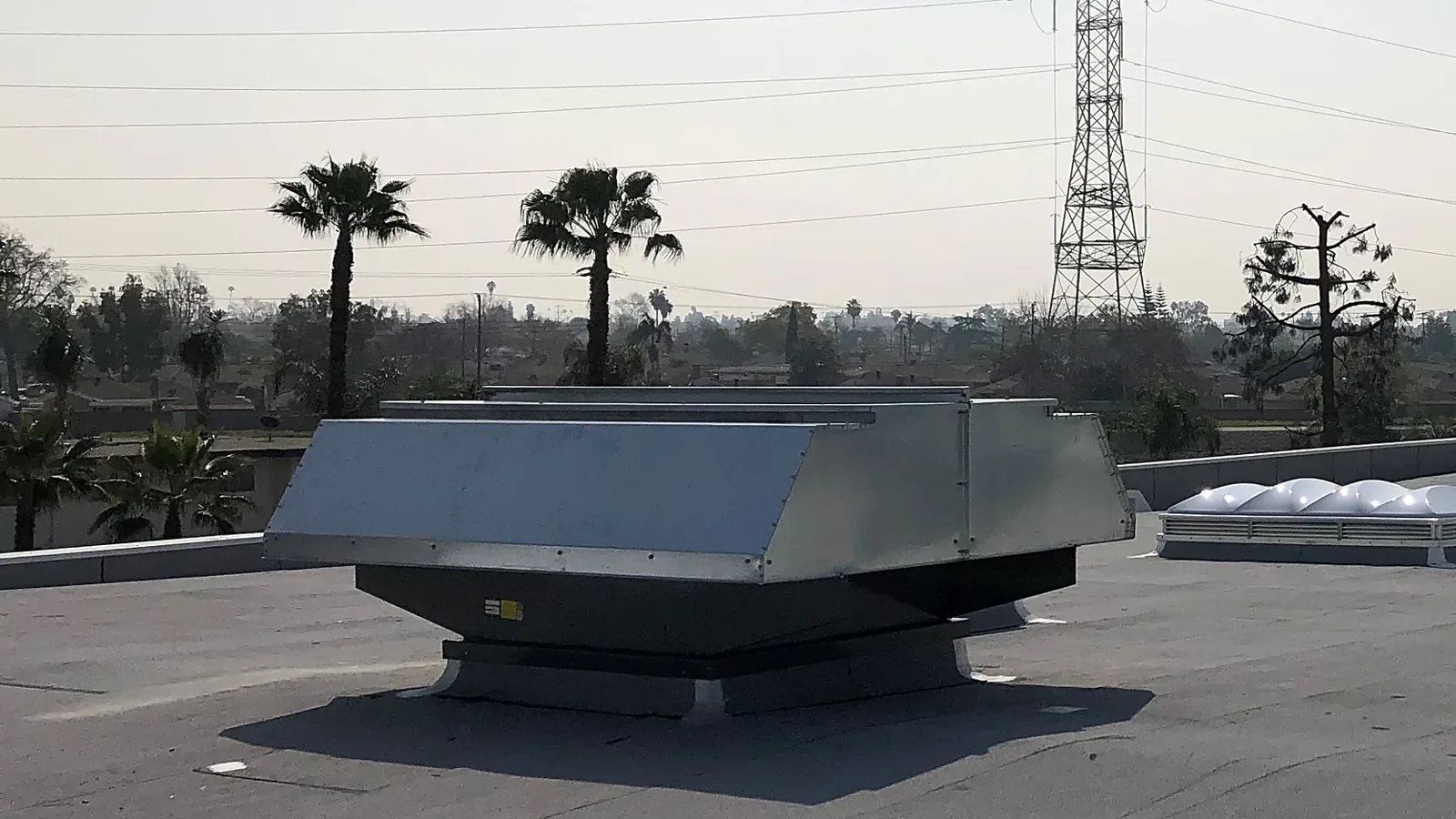
Where an attachment penetrates the membrane, the scope should identify the approved flashing materials, field tie-in, fasteners or plates, separation layers and inspection requirements. Non-penetrating or ballasted arrays also interact with roof access, drainage, perimeter zones and wind design. Equipment or ancillary roof supports outside the array need a separately detailed curb and support connection.
Preserve drainage, service routes and roof access
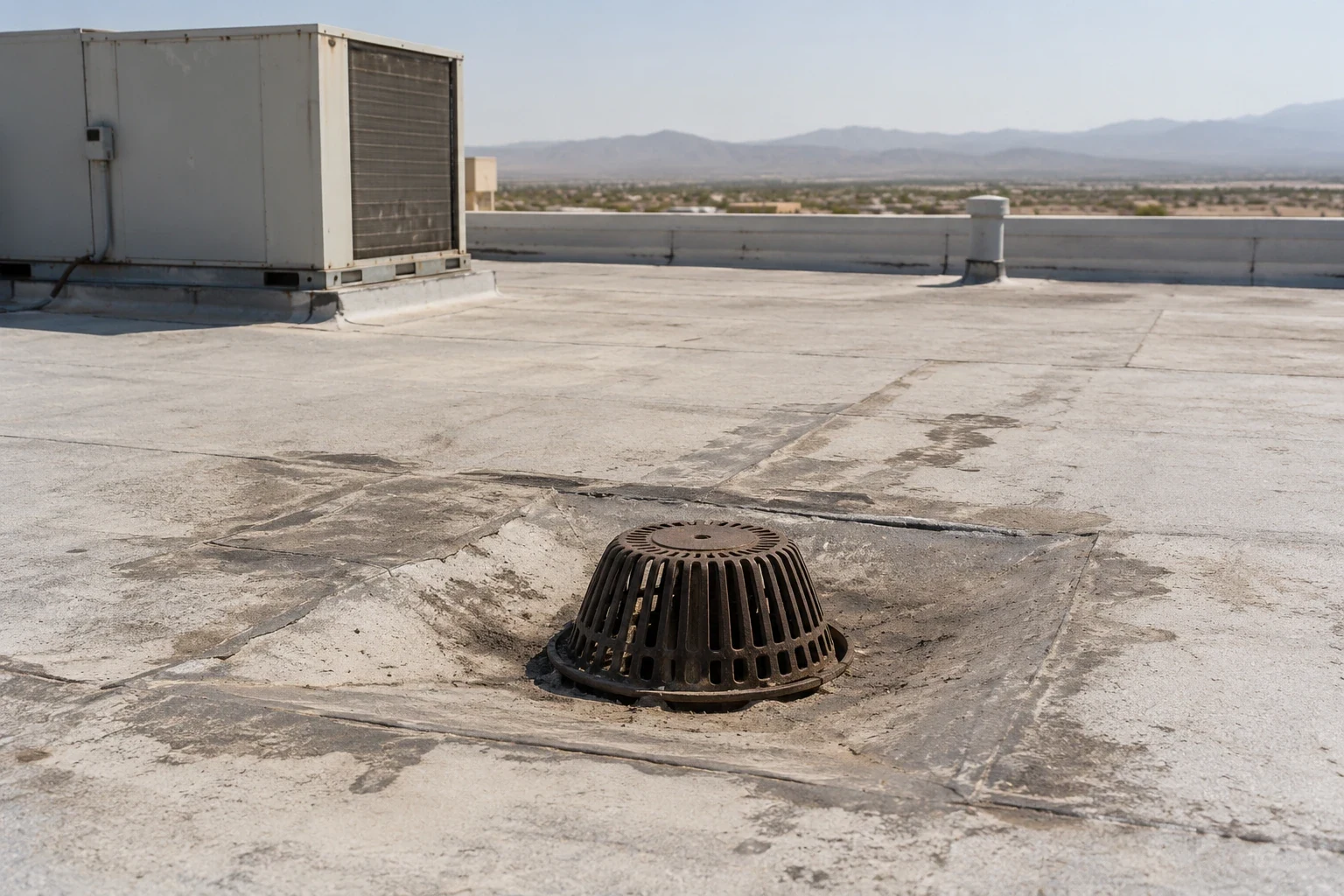
The array layout should be coordinated with drains, scuppers, gutters, roof edges, expansion joints, skylights, curbs and mechanical equipment. Keep drains clear and preserve access to roof components that require maintenance. A roof plan marked with both roofing details and the proposed module layout helps the teams identify conflicts before installation.
We review the roof-side pathways and report any visible drainage or detail issues in the proposed array area. If the plans alter access around drains or equipment, the owner and solar designer should adjust the layout. Existing ponding or a leaking roof needs its own investigation and scope; installing solar does not correct the condition. See commercial roof drain and scupper repair when water-management details need attention before the project moves forward.
Roof-mounted equipment, PV cabling and conduit can cross or approach roofing details. The electrical designer determines wiring routes and electrical code requirements. The roofing scope identifies required curb or penetration flashing and which trade supplies it. Any new opening should have a detail, installer assignment and inspection step before work begins. The solar installer should also preserve safe routes for roof maintenance and emergency access as required by the project documents.
Confirm the exact warranty and approval process
Warranty language depends on the issuing manufacturer and the actual assembly. Before work begins, the owner should request written direction about whether the planned array, attachments and installer require review, registration or a post-installation inspection. A roofing contractor cannot promise that a third-party array will preserve a manufacturer’s warranty without that manufacturer’s written requirements.
Johns Manville publishes photovoltaic guidance for its commercial roof systems, with reference guides and system-specific assembly plates. Those instructions apply to the relevant JM systems and do not decide the process for a roof by another manufacturer. We help assemble roof-system documentation when it is available and identify the questions the owner should route to the actual warranty provider.
For an existing array, keep the installer, layout, attachment details and repair history on file. A roof service visit documents visible conditions around the array and notes areas that require access beneath equipment. If a repair requires panel removal, the owner should coordinate the solar contractor and confirm who will restore, test and recommission the electrical system.
Assign responsibilities before mobilization
A solar-ready roofing proposal should identify the inspection limits, roof repairs, membrane or accessory products, attachment flashing work and closeout records. The solar proposal should identify the engineering, racking, modules, electrical work and commissioning. A project responsibility matrix should say who supplies and installs each curb, support, conduit boot, attachment, walkway and flashing detail.
Confirm roof access, work hours, staging, fall protection, occupied spaces, weather protection and shutdown windows. Before openings or attachments, keep approved drawings and responsible trades available. Photograph existing conditions, exposed roof layers and completed flashing before the array covers the work. If the actual deck or membrane differs from the plan, stop that portion and obtain direction through the project team.
We can coordinate roof condition and repair records with the solar provider, but electrical performance, power output, utility interconnection and incentives remain outside the roofing scope. The owner should retain those documents with roof-system details so later maintenance can distinguish roofing work from PV work.
Build a roof scope around the actual Scottsdale property
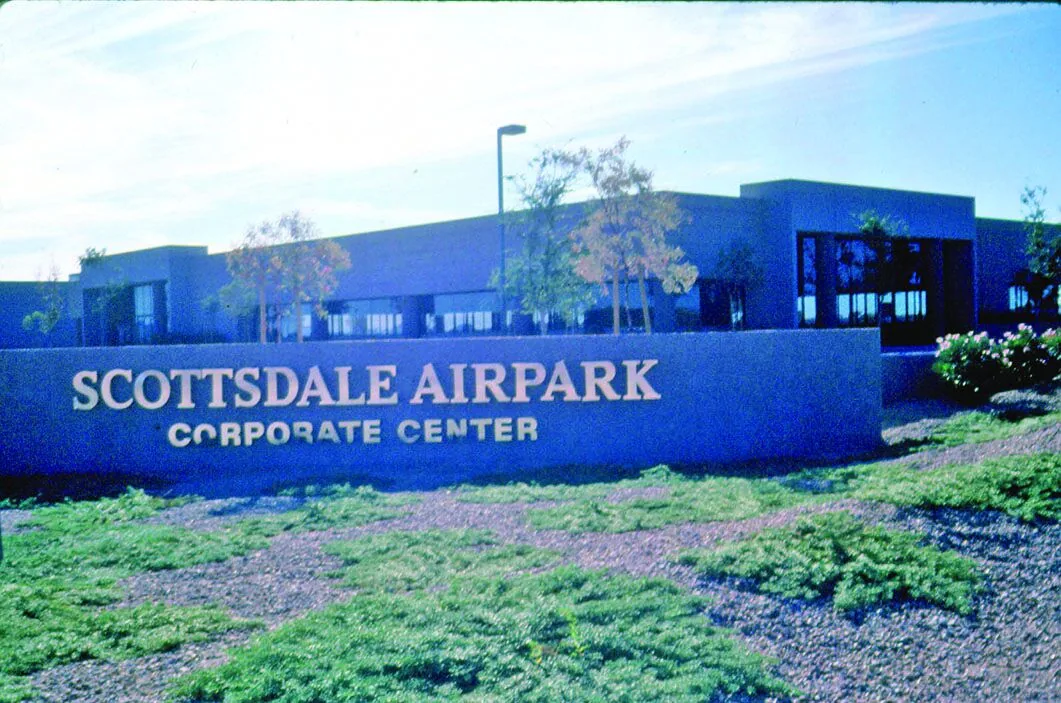
Commercial buildings across Scottsdale vary in age, construction, occupancy and roof design. For a property in the Scottsdale Airpark submarket, the facility representative supplies any access instructions for the assigned work. Neighborhood context does not establish roof construction or solar suitability. Confirm structural reserve, membrane type and solar potential through building-specific engineering and roof review. We review the specific plans, field conditions and written direction available for that building. A commercial roof inspection records the roof-side conditions visible at the time of the visit.
Provide the address, roof and structural plans, warranty documents, leak history, preliminary array layout and solar project schedule. We can inspect visible roof conditions, identify work that should precede the array and coordinate the roofing interfaces with the solar and engineering teams. For a written survey of observable roof conditions, commercial roof condition reports provide a place to record findings and unresolved questions.
Commercial Roofing Questions
Can a roofer confirm that my commercial roof can carry solar panels?
No. A roofing inspection documents roof-side conditions, but the structural engineer and solar designer must review the actual building and array loads.
Should we replace the roof before adding solar?
That depends on the roof’s documented condition, remaining service plan and solar project timeline. If major roof work is likely during the array’s life, coordinate the sequence before installation.
Will a solar installer automatically preserve my roof warranty?
No. The warranty provider’s written requirements apply. Confirm approvals, products, installers and inspections with the manufacturer that issued the actual warranty.
Can solar panels block roof drains or maintenance access?
The array layout should be coordinated with drainage, equipment and service paths. Review the roof plan with the solar designer and roofing team before installation.
Coordinate Your Roof and Solar Project
Share the property address, roof plan, system and warranty records, leak history and preliminary array layout. We can document visible roof conditions and define the roofing items that need coordination before the solar installation.
Call or Email
Helpful to have ready:
The property address and a building contact
Where water or damage shows up inside
The roof type and age, if you know them
Photos and any past roof reports