SOPREMA Commercial Roofing in Scottsdale, AZ
Home / Roofing Manufacturers / SOPREMA
Compare SOPREMA roofing options in Scottsdale by membrane family, roof layers, attachment, transitions and the documents required for the proposed assembly.
SOPREMA supplies commercial roofing and waterproofing products across several material families. Its United States catalog includes SBS-modified bitumen, PVC membranes, liquid-applied products and related roof components. Those families use different installation methods and serve different assembly designs, so a brand name alone does not tell an owner which system belongs on a particular building. The product data, substrate, roof plan and specified details need to be read together.
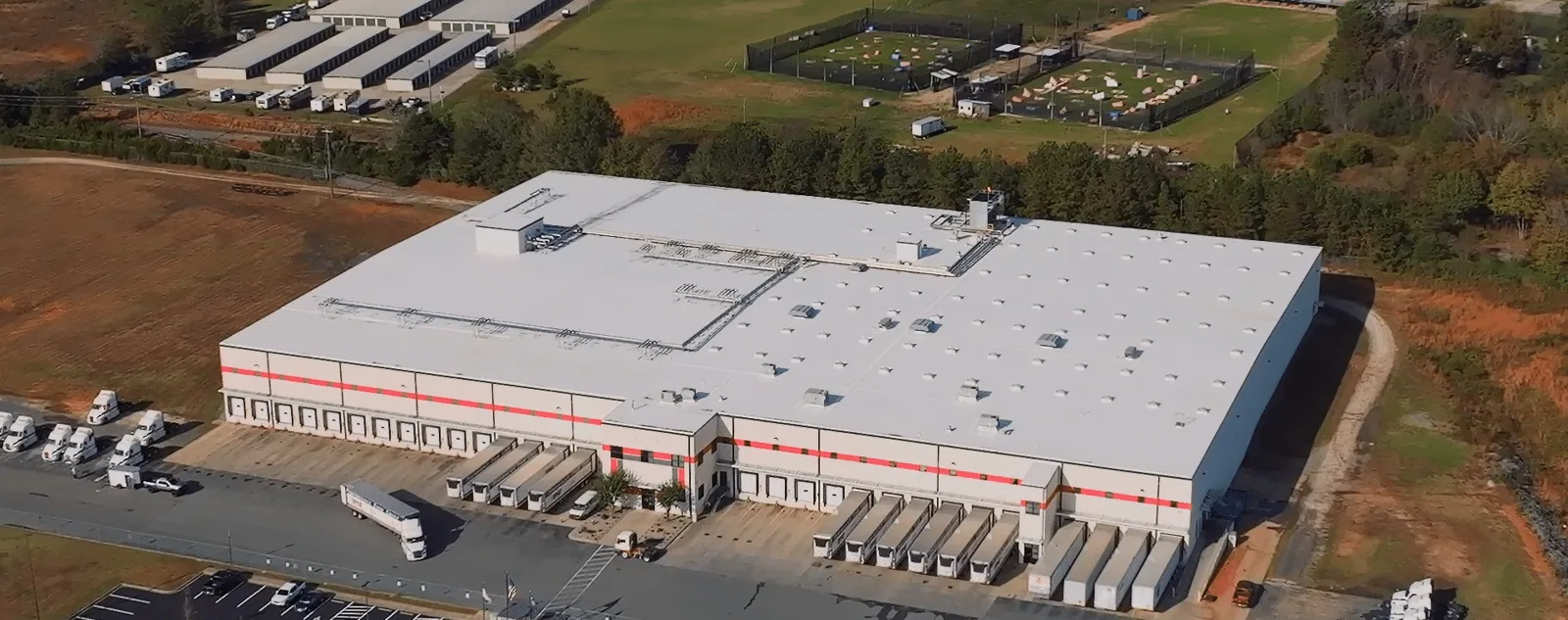
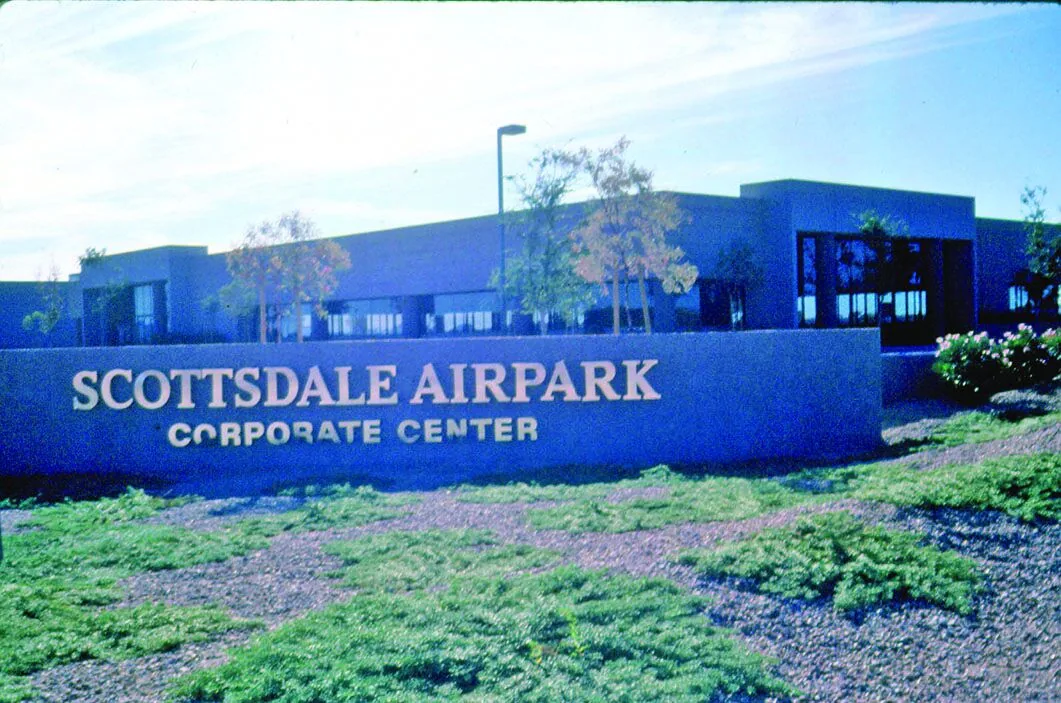
For a Scottsdale property near Scottsdale Airport and Airpark or ASU SkySong, the useful starting point is the building itself: existing membrane, deck, slope, drainage, rooftop equipment and prior repairs. We record what can be observed and identify what needs closer investigation before a product is selected. Nearby businesses or district names do not establish a roof’s construction, approval status or repair history.
Separate SOPREMA product families by roof role
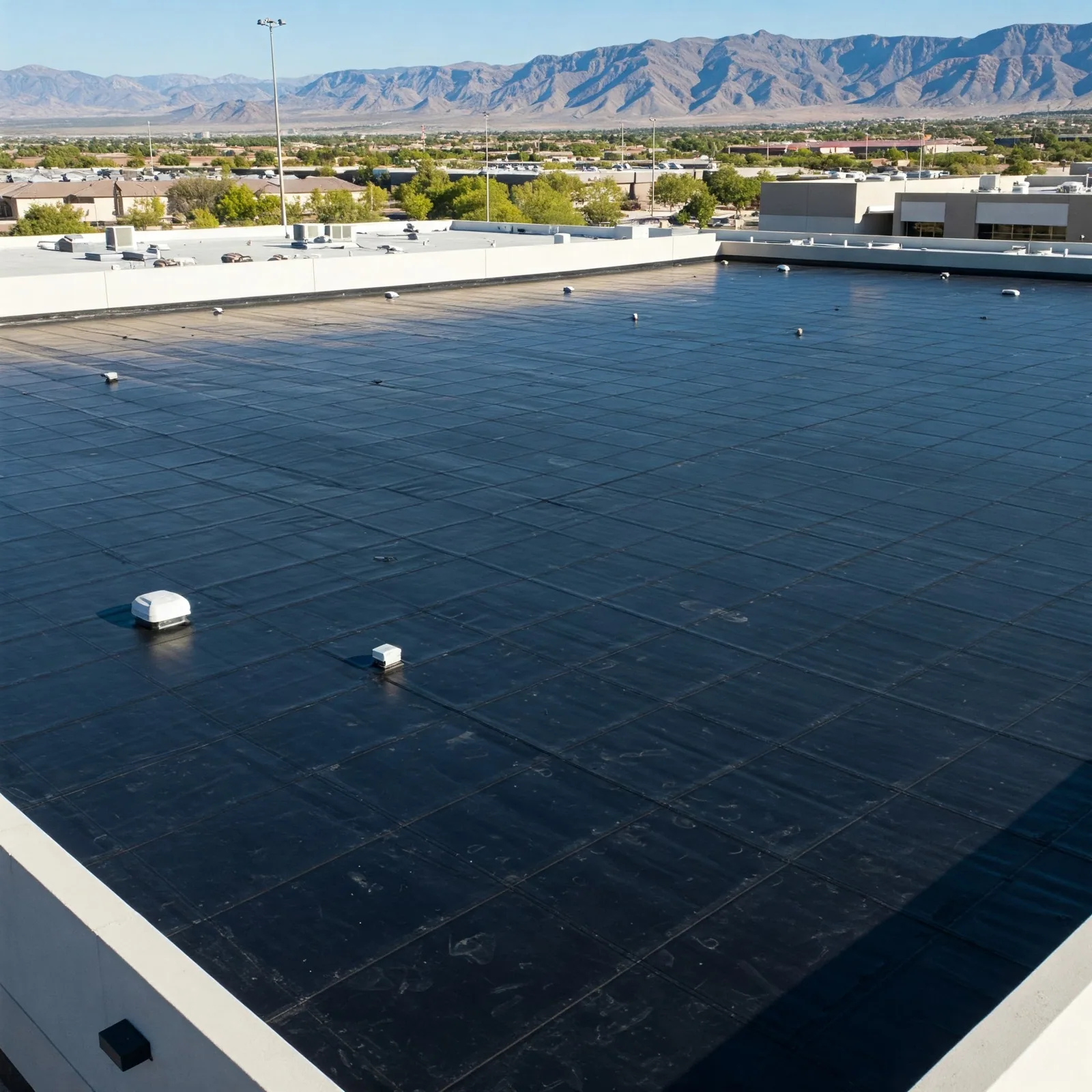
SOPREMA’s catalog assigns products to roles such as field membrane, flashing membrane, base ply and cap sheet. Its listed materials include PVC and SBS-modified bitumen, among other roofing and waterproofing technologies. A membrane label is only one part of a roof specification. The assembly may also call for insulation, a cover board, vapor control, adhesives, fasteners, edge metal and compatible flashing materials.
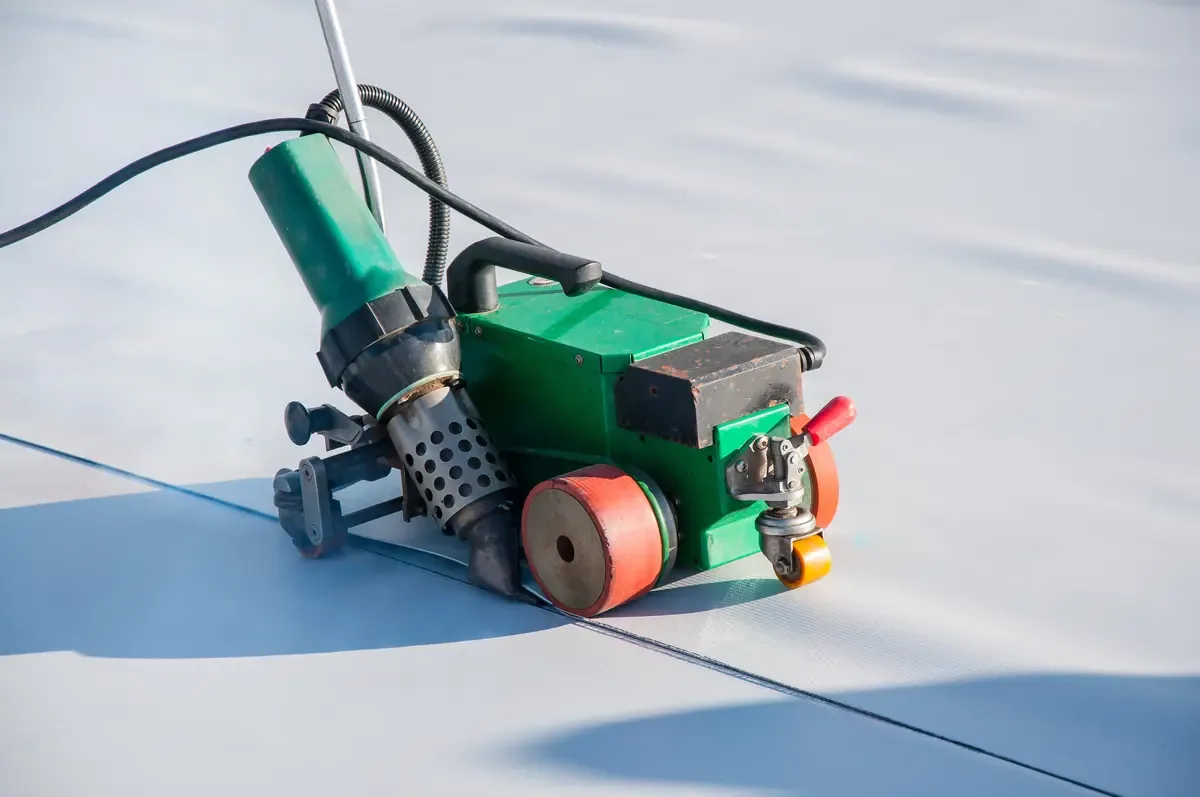
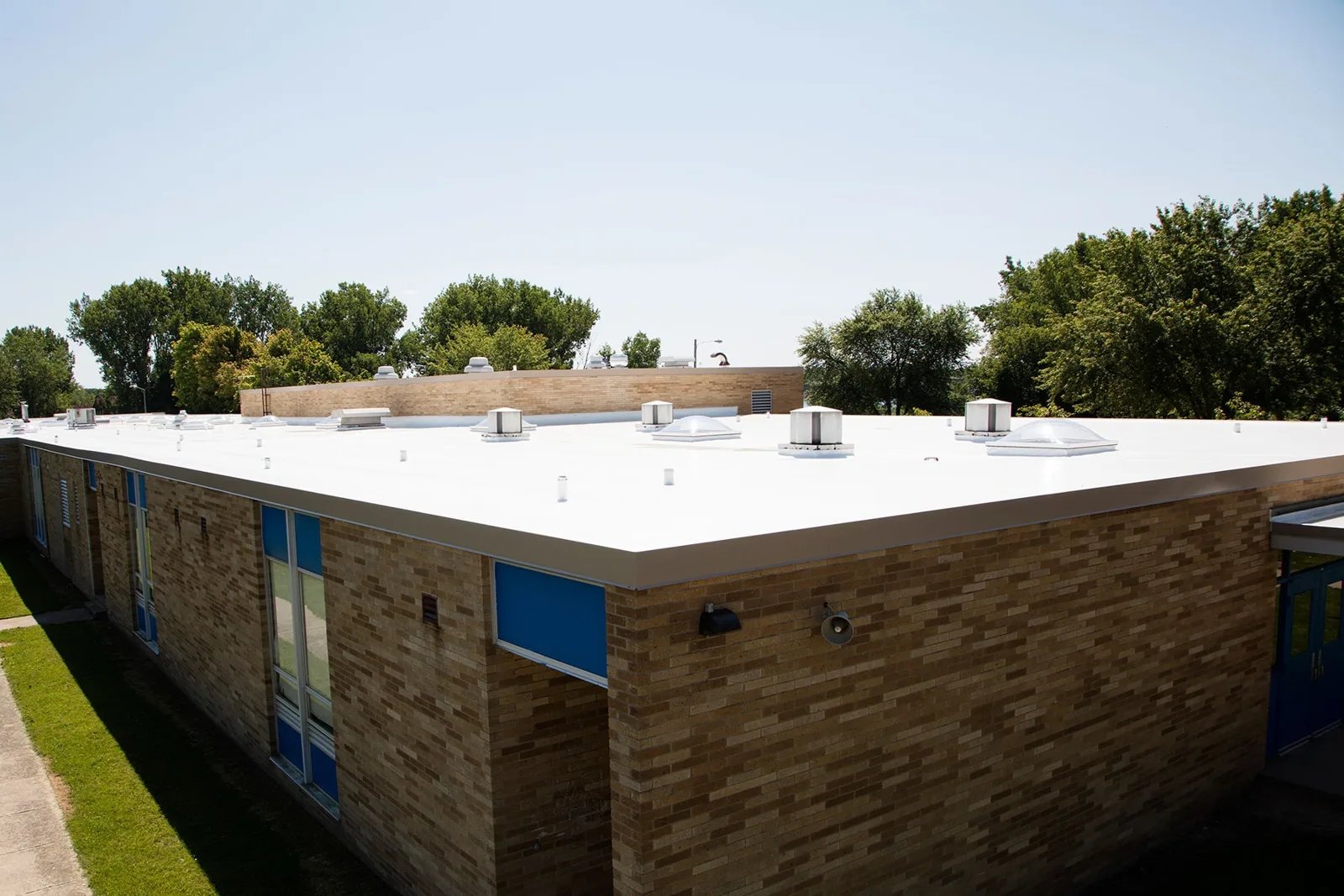
For a single-ply proposal, compare the precise product, reinforcement, thickness, color, attachment and accessories. The PVC roof system overview frames membrane questions but does not replace SOPREMA product data. SENTINEL includes PVC and KEE choices with product-specific application details. Confirm exposure, wind and substrate requirements in the project documents.
SBS-modified bitumen sheets serve in multi-ply assemblies. Compare ply role, reinforcement, surfacing and application. A modified-bitumen assembly has different layer and flashing decisions from single-ply roofing. Compare Carlisle SynTec and Duro-Last by the same roof areas and performance criteria.
Build the scope from current technical documents
SOPREMA maintains a documentation center with product data sheets, safety data sheets, installation guides, specifications and other technical material. Start with documents for the named product and system rather than a general catalog description. Check permitted substrates, surface preparation, application temperature, attachment, seam or lap treatment, flashing transitions and the accessories identified by the manufacturer. Confirm document revision and local code requirements with the project design professional and authority having jurisdiction.
Codes and approvals are product and assembly specific. SOPREMA provides evaluation reports and approval resources, but local officials and design professionals determine acceptance. An approval for one configuration does not establish acceptance of another in Scottsdale. Align submitted product data, tested assembly and project conditions. Record any missing approval before ordering.
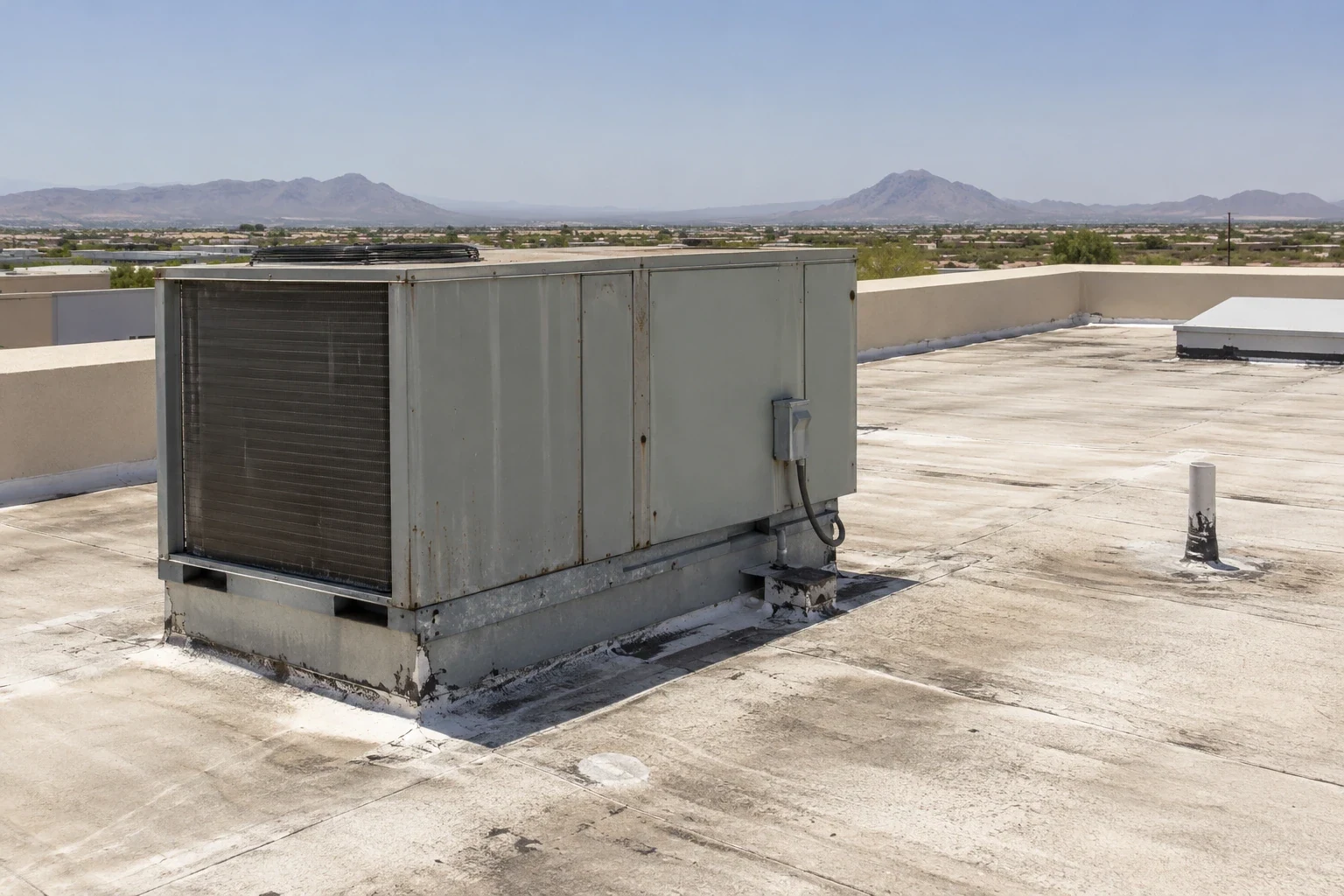
A commercial roof inspection can document visible layers, seams, drains, curbs, edge conditions and areas that merit testing. Existing drawings, invoices and prior closeout records can help identify concealed construction, but each record should be compared with what is present. If the membrane cannot be identified confidently, state the uncertainty and define the inspection or test needed to resolve it.
Coordinate transitions, insulation and drainage
Roof performance depends on transitions as well as field material. At parapets, drains, curbs, skylights and expansion joints, the detail must suit both the selected SOPREMA product and the building condition. Identify which materials meet, how water is directed, what substrate receives the flashing and which trade completes each connection. A drawing that specifies membrane but leaves edge and penetration treatment open can create a field decision that is difficult to evaluate later.
Insulation changes can affect drain height, door thresholds, equipment supports and perimeter metal. If the project uses tapered boards or replaces wet material, connect the elevations to a drainage plan and identify the cover board and attachment method. The roof insulation and cover-board scope should state which layers remain, which are removed and how thickness changes are handled at drains and edges. A recover proposal also needs an assessment of existing moisture, deck condition, attachment and total roof height.
For a building in the McDowell Corridor, confirm access, rooftop equipment coordination and staging with the property team. Apply the same site-specific review near Scottsdale Airport and Airpark or ASU SkySong. These logistics inform sequencing but do not identify roof construction.
On a roof with older repairs, a small compatibility check can prevent a larger removal decision. Identify each existing membrane, coating, asphaltic patch, and exposed substrate, then check whether the proposed SOPREMA product is permitted over that surface. Where records do not settle the question, define an adhesion test or sample area and wait for the stated cure before judging the bond. Put the result and the tested location in the project file. If the surface fails, price the required preparation or removal as a separate scope instead of assuming the product will bond across the entire roof.
Compare repair, recover and replacement proposals
A repair scope should identify the affected product, observed defect, repair material and limits of work. The repair detail needs to bond or weld to a suitable receiving surface and remain compatible with adjacent components. If moisture extends beyond the visible opening, define any investigation and allowance separately. Keep an active leak response focused on protecting the interior while the cause and full repair extent are evaluated.
Compare a commercial roof replacement with a recover after reviewing layers, moisture, deck, attachment, drainage and height. Do not presume coatings, liquid-applied products or modified bitumen are compatible with every single-ply surface. Name retained and removed layers, tie-ins and concealed conditions that could change the scope.
Ask bidders to separate field membrane, insulation, cover board, perimeter work, penetrations, drains, temporary protection and closeout. State the proposed product names, thicknesses, colors, attachment pattern and accessory requirements. If design assistance or written manufacturer review is needed, identify who will request it and what decision is pending. Clear limits let the owner compare proposed assemblies and see where scope, schedule or documentation still needs resolution.
Keep product and maintenance records with the roof file
At completion, retain the approved submittals, product data, installation details, inspection records, photographs, change approvals and final roof plan. Mark repaired areas, drains, penetrations and transitions so a later service visit can locate the work. Note membrane family and product where verified, along with any area where identification remains uncertain. Keep the written warranty document, if issued, with its project requirements and maintenance obligations. Product availability or a proposal does not establish warranty issuance or coverage.
Set roof reviews to suit the assembly, building use and written product requirements. Keep drains visible, track rooftop trade work and document new penetrations. Coordinate equipment or solar attachments with the roof record and applicable instructions. Use consistent inspection records while identifying each building’s actual membrane.
For a Scottsdale assignment, include the street address, roof areas, access contact and completed work locations in the handoff. If later service is needed, the record should identify what SOPREMA product was installed, what repair was made and which questions remain open. This makes a future scope traceable to the actual roof rather than to a product family in a catalog.
Commercial Roofing Questions
What SOPREMA materials are used on commercial roofs?
The catalog includes PVC, SBS-modified bitumen and liquid-applied products, along with related components. The product role and assembly determine how each item is used.
Does a SOPREMA product name establish the right system?
No. Confirm the product data, substrate, insulation, attachment, transitions and project requirements for the specific roof before selecting an assembly.
Can a PVC system and modified-bitumen system use the same details?
No. Their materials, seams or laps, flashing methods and layer arrangements differ. Use details written for the proposed product and assembly.
What should a Scottsdale roof proposal include?
Identify roof areas, membrane or ply products, retained layers, attachment, insulation, drainage, perimeter details, access needs, closeout records and unresolved conditions.
Do published approvals apply to every SOPREMA configuration?
No. Check the specific evaluation report and assembly against the project design, adopted code and local acceptance requirements.
Review a SOPREMA roofing scope
Share the Scottsdale property address, roof records, project criteria and known leak or repair areas. We can document visible conditions and identify product, assembly and approval questions for the proposed work.
Call or Email
Helpful to have ready:
The property address and a building contact
Where water or damage shows up inside
The roof type and age, if you know them
Photos and any past roof reports