Duro-Last Commercial Roofing in Scottsdale, AZ
Home / Roofing Manufacturers / Duro-Last
Evaluate Duro-Last roofing in Scottsdale by custom membrane fabrication, assembly details, roof conditions, project submittals and written coverage terms.
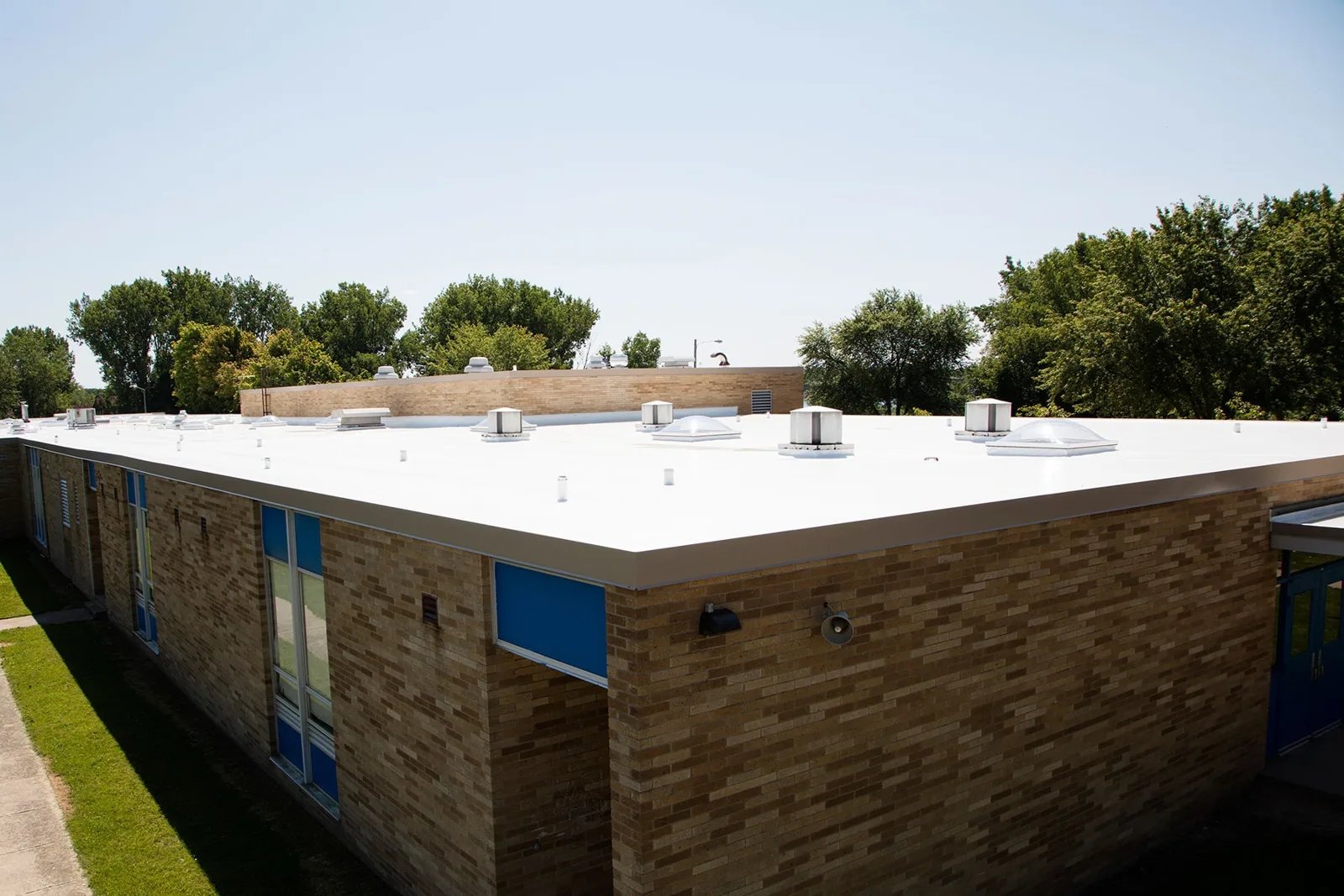
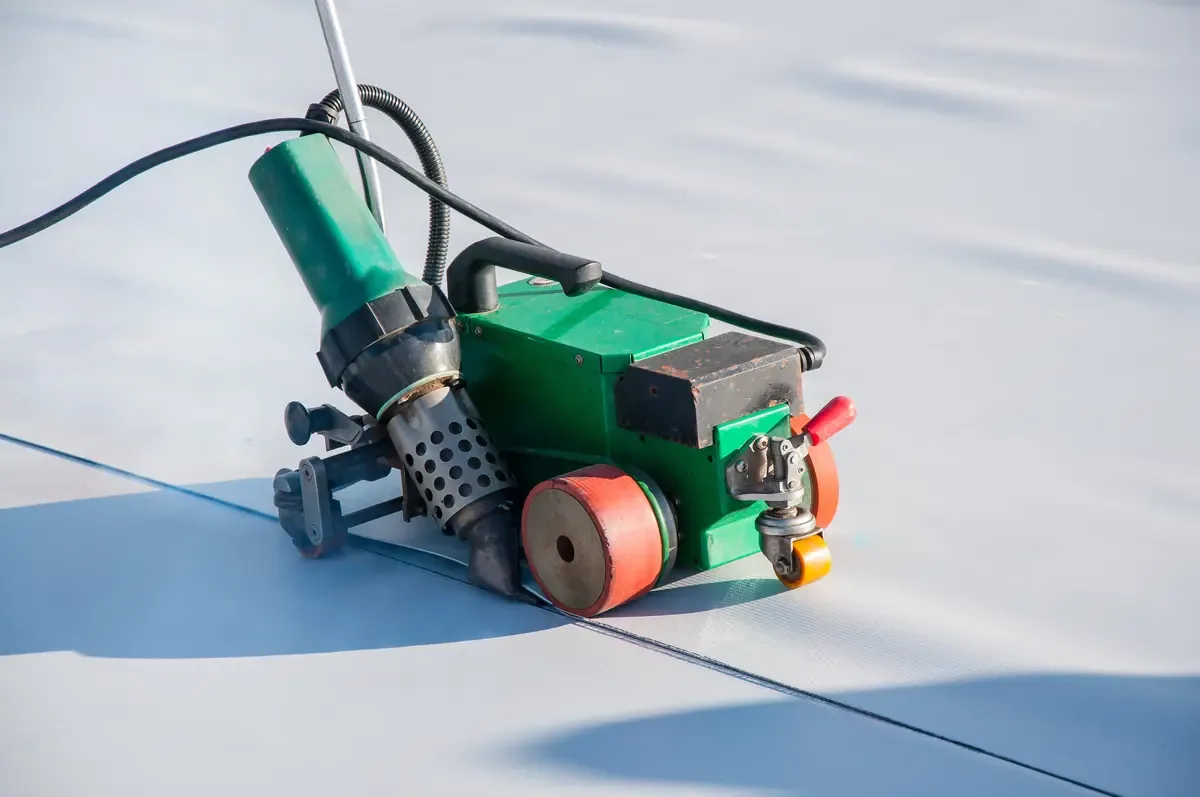
Duro-Last is a commercial roofing manufacturer whose flagship system uses PVC membrane. The company describes custom-fabricated deck sheets and accessories, factory-welded seams, and multiple attachment approaches. Its catalog also includes other membranes and roofing products, so a bid needs to name the actual product line and assembly. A manufacturer’s process does not identify the existing roof or establish that a particular configuration suits a specific building.
Near Scottsdale Airport and Airpark or McDowell Corridor, start with the roof plan, deck, existing layers, drainage, curbs and edges. Match the proposal to measured conditions; nearby activity does not establish roof construction or warranty status.
Understand the custom-fabricated PVC assembly
Duro-Last describes its PVC membrane as the core of a system that can include deck sheets, insulation, accessories, edge metal, drains, flashings, fasteners and adhesives. Product materials list mechanically fastened, adhered and induction-welded system options. Those approaches use different attachment conditions and should be selected against the deck, substrate and project design. The PVC roofing overview explains the membrane category; the named Duro-Last specification and product data are needed for an actual assembly.
Custom-fabricated sheets can reduce some field seaming, but the proposal should show remaining seams, perimeter securement, penetrations, drains and transitions. Review shop drawings against roof dimensions and equipment. Match custom dimensions, thickness, color, fastening and accessories to approved documents before fabrication.
Compare the exact membrane rather than treating every Duro-Last system as the same product. Roll goods, custom-fabricated sheets and other membrane families have distinct product data. For a separate PVC portfolio, SOPREMA lists several roof material families, while Versico offers its own membrane and system options. Those manufacturer pages support product comparison, not a determination of what is installed at a Scottsdale property.
Confirm attachment and transitions before ordering
Start with the structural deck and existing assembly. Record deck type, insulation and cover board, roof height, slope, drains, parapets, rooftop equipment and known repairs. Check whether the design calls for direct attachment, an adhered system or induction welding and confirm substrate compatibility. Wind design, perimeter zones, fastening patterns and approved assemblies should be addressed in the project documents. Do not use a generic product description as a substitute for the assembly submittal.
Factory-fabricated details still connect to roof conditions in the field. Map curbs, pipe penetrations, skylights, drains, scuppers, expansion joints and wall transitions. Confirm how each detail is fabricated, installed and inspected. Coordinate edge metal, insulation elevations and drainage so membrane terminations do not conflict with other building elements. The bid should identify what is included at each transition and which conditions require design-team review.
A commercial roof inspection can document visible materials, seams, flashings and drainage and identify areas for additional testing. Existing records can provide clues about prior work, but compare them with the actual roof before relying on a product label. If the membrane or deck cannot be confirmed, state that limitation and describe the next investigation step.
Compare repair and replacement choices
For a leak or damaged area, identify the affected sheet, seam, flashing or penetration and the product already present. A repair method must be compatible with that surface and address the water path. Note whether the work is temporary protection or a permanent repair, and set limits for any wet insulation or concealed damage that is discovered. The commercial roof repair scope should document materials used and completed locations for future service.
A recover is possible only when existing layers, moisture, attachment, deck and roof height support the proposed design. Duro-Last materials may describe overlay configurations, but suitability depends on conditions at the individual building and the selected system documents. In a roof recover evaluation, record retained layers, moisture findings, attachment requirements and perimeter height. Separate any testing or deck repair allowance from confirmed work.
Compare a recover with a tear-off and commercial roof replacement when existing conditions are uncertain or the proposed design changes drainage, insulation or attachment. A like-for-like price comparison requires the same roof areas, demolition limits, new assembly, edge work, curbs, drains, temporary protection and closeout. State exclusions and unit prices clearly so the owner can see what would change if concealed conditions appear.
A custom-fabricated sheet can reduce field seams, but it does not remove the need to inspect the receiving surface and every transition. Confirm the measured layout, sheet orientation, perimeter dimensions, and openings before fabrication. If equipment locations or curb sizes change after measurements, stop and reconcile the drawing before cutting or welding accessories. Record the approved seam and attachment approach, then compare delivered components with the roof plan. This prevents an apparently simple sheet replacement from leaving an unresolved edge, drain, or penetration detail.
Review product documents and written terms
Duro-Last provides system specifications, product data sheets, detail drawings, code and approval information and sample warranty documents through its technical resources. Match each document to the selected membrane, attachment method and assembly. Confirm current revisions, substrate requirements, material compatibility and the approvals required by the project. A product may have several thicknesses or configurations, and the selected model should appear consistently in the schedule, shop drawings and material submittal.
Request the proposed written warranty, term, inspection steps, maintenance obligations, exclusions and required details with the bid. Duro-Last describes quality-assurance inspections as part of its commercial warranty process, while the issued document governs actual requirements and coverage. Owners should verify the proposed contractor’s current authorization and project eligibility through manufacturer channels. No contractor relationship or status is implied by this product overview.
For Scottsdale work, confirm code requirements and design criteria in the contract documents. Regional approvals do not resolve local acceptance for every configuration. Record applicable approval identifiers and responsibility for project review before fabrication.
Document the installed system for future work
Closeout records should include approved shop drawings, product data, submittals, installation details, inspection reports, photographs and the final written warranty if issued. Mark membrane type, roof sections, field seams, drains, equipment curbs and completed repair areas on a roof plan. Keep a record of any approved product substitution or scope change. If a detail remains outside the completed work, identify the responsible party and follow-up date.
Establish inspection and maintenance responsibilities from the written product requirements and the building’s operating plan. Keep drains clear where safe to do so, record new penetrations and coordinate rooftop work before equipment trades attach supports or route lines. A maintenance visit should document the area inspected, observed condition and corrective work without implying that a visual review can reveal every concealed layer.
For properties near Scottsdale Airport and Airpark or ASU SkySong, include the address and site contact in the service record. Confirm access and sequencing with the building representative. Identify Duro-Last materials separately from adjacent systems and later repairs so future service can follow the installed roof history.
Commercial Roofing Questions
What is distinctive about the Duro-Last system?
Duro-Last describes custom-fabricated PVC sheets and accessories with factory-welded seams. The selected product and assembly still need to match project documents and roof conditions.
Can Duro-Last membrane go over an existing roof?
A recover depends on moisture, deck, attachment, existing layers, drainage and roof height. Document those conditions and confirm the proposed assembly requirements first.
Does custom fabrication remove every field seam?
No. The roof still has field connections and transitions. Review shop drawings for seams, perimeter work, penetrations, drains, curbs and other site-specific details.
What warranty will a Duro-Last project receive?
The proposed written document identifies term, coverage and requirements. Confirm current contractor status, inspection steps and maintenance obligations with the manufacturer and issued warranty.
What should be included in a Scottsdale Duro-Last bid?
List the membrane and thickness, attachment, insulation, edge work, flashing details, demolition limits, access plan, submittals, closeout records and open conditions.
Review the proposed Duro-Last system
Provide the property location, available drawings, prior repair records and scope under consideration. We can document observed conditions, identify missing assembly data and outline decisions for the named Duro-Last product.
Call or Email
Helpful to have ready:
The property address and a building contact
Where water or damage shows up inside
The roof type and age, if you know them
Photos and any past roof reports