
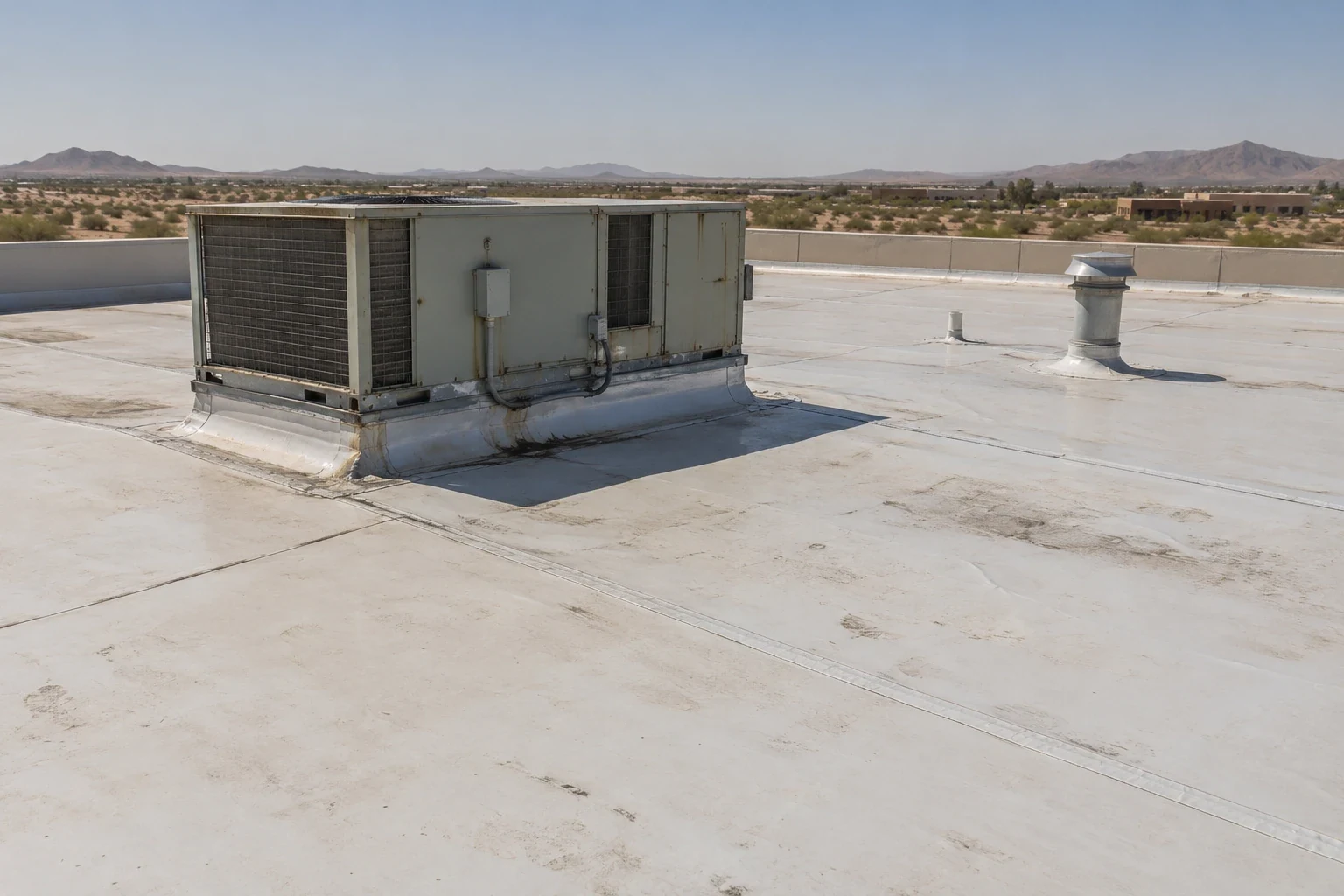
Johns Manville Commercial Roofing in Scottsdale, AZ
Home / Roofing Manufacturers / Johns Manville
Compare Johns Manville commercial roofing systems in Scottsdale by assembly, existing roof conditions, project details and current documentation.
Johns Manville (JM) offers commercial low-slope roofing systems in single-ply and multi-ply families. Its commercial portfolio includes TPO, PVC, EPDM, SBS and APP modified bitumen, built-up roofing (BUR), and liquid-applied products. Each system is assembled from specified products and details; a family name alone does not establish compatibility or suitability for a particular building.
For a property near Scottsdale Airport and Airpark or the McDowell Corridor, selection starts with the actual roof: deck, existing layers, slope, drainage, penetrations, equipment, and intended use. We document those conditions before comparing JM options. District names and nearby buildings do not identify the roof assembly or qualify it for particular project terms.
Compare JM system families against the roof
JM publishes product resources for several membrane and asphaltic systems. TPO, PVC and EPDM are single-ply options with distinct membrane materials, attachment approaches, flashing components and approved details. SBS and APP modified bitumen use product-specific asphaltic plies, while BUR combines layers into a built-up assembly. JM also lists liquid-applied systems. Review TPO roofing, EPDM, to compare system mechanics independently of brand.
Product-level details matter within each family. JM describes its TPO membranes as polyester-fabric reinforced and made with an ultraviolet-resistant thermoplastic polyolefin formulation. Those characteristics apply to the named JM TPO products; they do not make every TPO assembly identical. Verify membrane thickness and construction, seam treatment, attachment, substrate, vapor control, insulation, cover board and flashing materials in the proposed assembly.
For each option, match the components to the roof plan and field conditions. Consider how transitions, curbs, drains, scuppers, expansion joints and perimeter edges will be handled. A product family can contain more than one attachment configuration, and a catalog overview is not an assembly approval. Keep the manufacturer, product name, layer sequence and detail references together in the estimate so competing proposals can be compared on a like-for-like basis.
Use the exact assembly and current technical details
JM’s commercial roofing specifications library provides system-specific assembly plates, fastening patterns, details, specifications and installation guides for TPO, PVC, EPDM, SBS, APP, BUR and liquid-applied systems. Use the resources for the exact product and attachment method under review. A detail for one membrane family does not automatically apply to another system or transition.
For an existing roof, identify whether the scope is repair, recover or replacement before settling on the assembly. A recover depends on what is already on the deck, the condition and attachment of those layers, moisture, slope, drainage and the capacity of the roof to accept additional material. If the existing construction is uncertain, plan investigation or selective openings rather than assuming a clean substrate. Review commercial roof inspection and insulation and cover-board work in the context of the documented assembly.
JM makes codes-and-approvals materials available by product family. These documents help a design team locate relevant listings and reports; they do not prove that an unreviewed project meets an approval. Confirm the exact deck, components, attachment, dimensions and installation conditions against the cited document and the governing project requirements.
Keep specifications, details and project terms aligned
A useful submittal or scope identifies the full roof build-up: deck and existing layers, vapor retarder where specified, insulation type and thickness, cover board, membrane or asphaltic plies, attachment, edge securement, flashings and accessories. Show the locations where the general assembly changes, including curbs, penetrations, drains, parapets and expansion joints. If the design uses a coating or liquid flashing with another membrane, confirm the compatibility and application limits of the exact products.
JM offers master specifications and design-support materials for system families. Treat these as starting points for project documents, then coordinate them with the measured roof, drawings and local code requirements. Resolve any mismatch among the bid, product data, assembly plate and installation guide before materials are ordered. The commercial roof replacement scope should state what is removed, what remains, how concealed damage is handled, and how drainage and perimeter conditions are addressed.
Written warranty terms are separate from product selection. Confirm current eligibility, required products, installer status, inspection steps, duration, exclusions, maintenance duties and any charges directly in the project-specific documents with JM. A brand name in a proposal does not establish enrollment, coverage or approval.
Verify installer qualifications and scope responsibility
JM describes contractor resources and the Peak Advantage program. Program participation or a project-specific written coverage has to be confirmed for the contractor, system and job in question; Verify the contractor designation, available written coverage, named roof system and project requirements directly with JM before treating any status as settled.
On site, workmanship planning includes protection of occupied areas, staging, safe access, weather exposure, daily dry-in and coordination around rooftop equipment. The contract should make clear which work is included, how penetrations and edge metal are handled, who coordinates mechanical trades, and how hidden deterioration or wet materials are documented. Those details matter whether the selected system is single-ply, asphaltic or liquid-applied.
Our role is to document the roof, explain the proposed scope and coordinate product-specific questions with the manufacturer where needed. We do not substitute an estimate for JM’s technical approval, code review or written project terms. Owners comparing manufacturers can also review Carlisle SynTec and SOPREMA against the same roof requirements and project documents. Link the relevant JM documents to the named assembly and retain revisions with the project file so the field installation can be checked against the agreed scope.
A useful field handoff pairs the roof plan with photographs labeled by building and section. Note the JM product family only where it was confirmed, identify repairs that interrupt the original detail, and mark areas that were inaccessible. If a later trade installs equipment or cuts a new opening, record who will restore the roof and which detail governs the tie-in. Keep the written authorization and any revised product schedule with the closeout packet. This gives the facilities manager a reliable starting point for maintenance without treating the manufacturer's broad catalog as a record of what is installed.
Plan the Scottsdale project around measured conditions
Scottsdale buildings can differ in age, deck type, rooftop use and prior repair history even within the same business district. We record roof areas, drainage paths, penetrations, wall interfaces, equipment pads, edge conditions and accessible records. At Old Town Scottsdale, as in other parts of the city, local context helps locate the project but cannot stand in for an inspection or roof-plan review.
For a comparison request, share the property address, approximate roof area, available drawings, leak history, prior repair records and any bid specification. We can organize the findings around repair, recover or replacement options, then list the product and assembly questions that still need manufacturer confirmation. If a JM system is proposed, identify its exact components and details rather than requesting a generic brand-level price.
Before work proceeds, reconcile the approved scope with field measurements, access restrictions, weather sequencing, disposal plan, flashing transitions and any owner requirements for noise or occupied operations. Final selections depend on site findings and current documents. The result should be an understandable scope that lets an owner see what will be installed, what conditions remain unresolved and which decisions need to be made before mobilization.
Commercial Roofing Questions
What commercial roof systems does Johns Manville offer?
JM lists TPO, PVC, EPDM, SBS and APP modified bitumen, built-up roofing and liquid-applied systems. Product options, assemblies and details vary by system family.
What determines written coverage for a JM system?
Eligibility depends on current program requirements, the selected assembly, contractor status and project documentation. Confirm the applicable terms directly with JM for the named project.
Can an existing roof be recovered with a JM system?
Possibly, but the existing layers, moisture, attachment, deck, drainage and assembly limits need review first. The exact proposed system documents determine whether a recover is appropriate.
Do published code approvals apply to every JM roof?
No. Confirm that the exact product assembly, deck, attachment and project conditions match the applicable report and governing requirements.
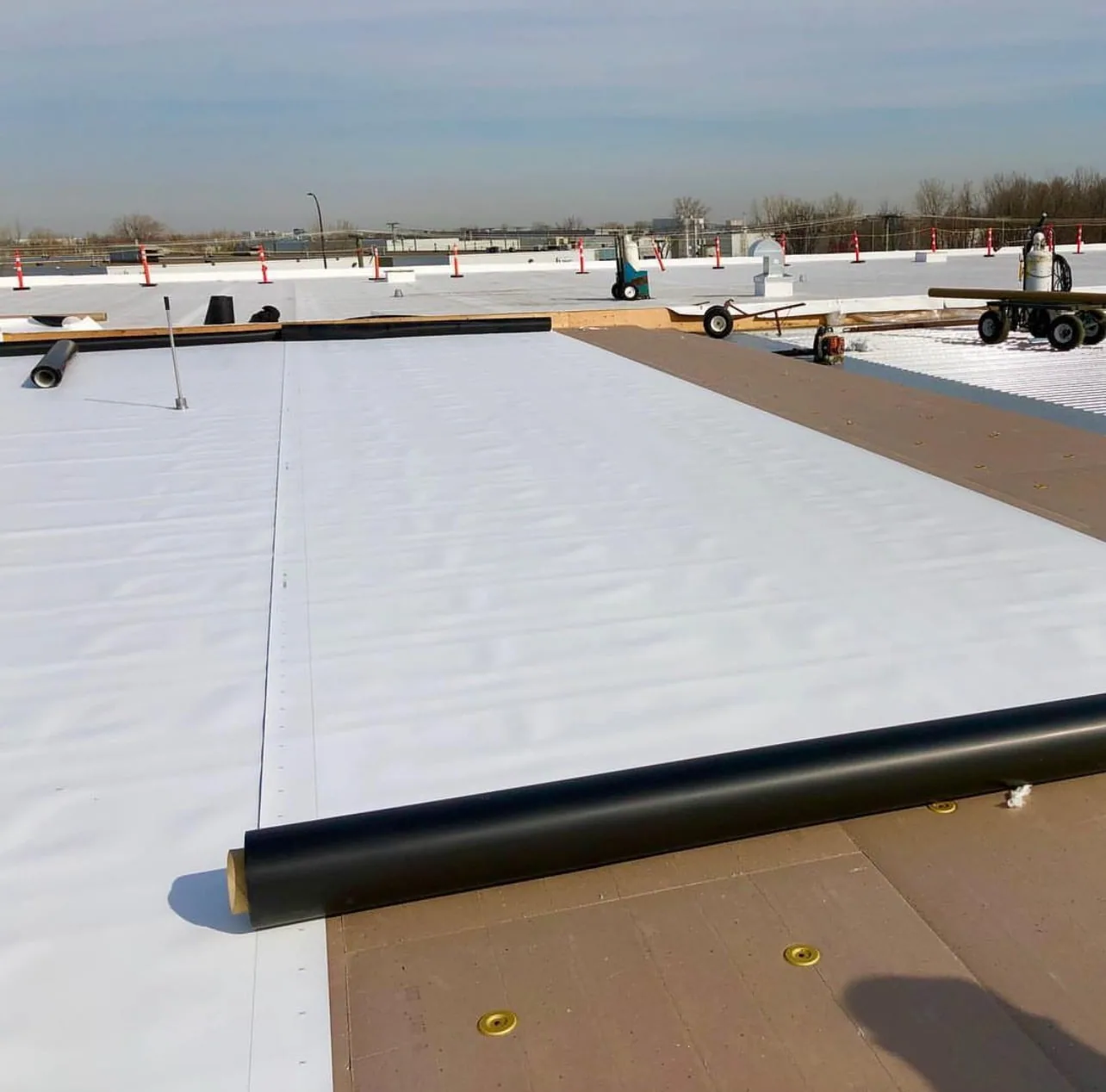
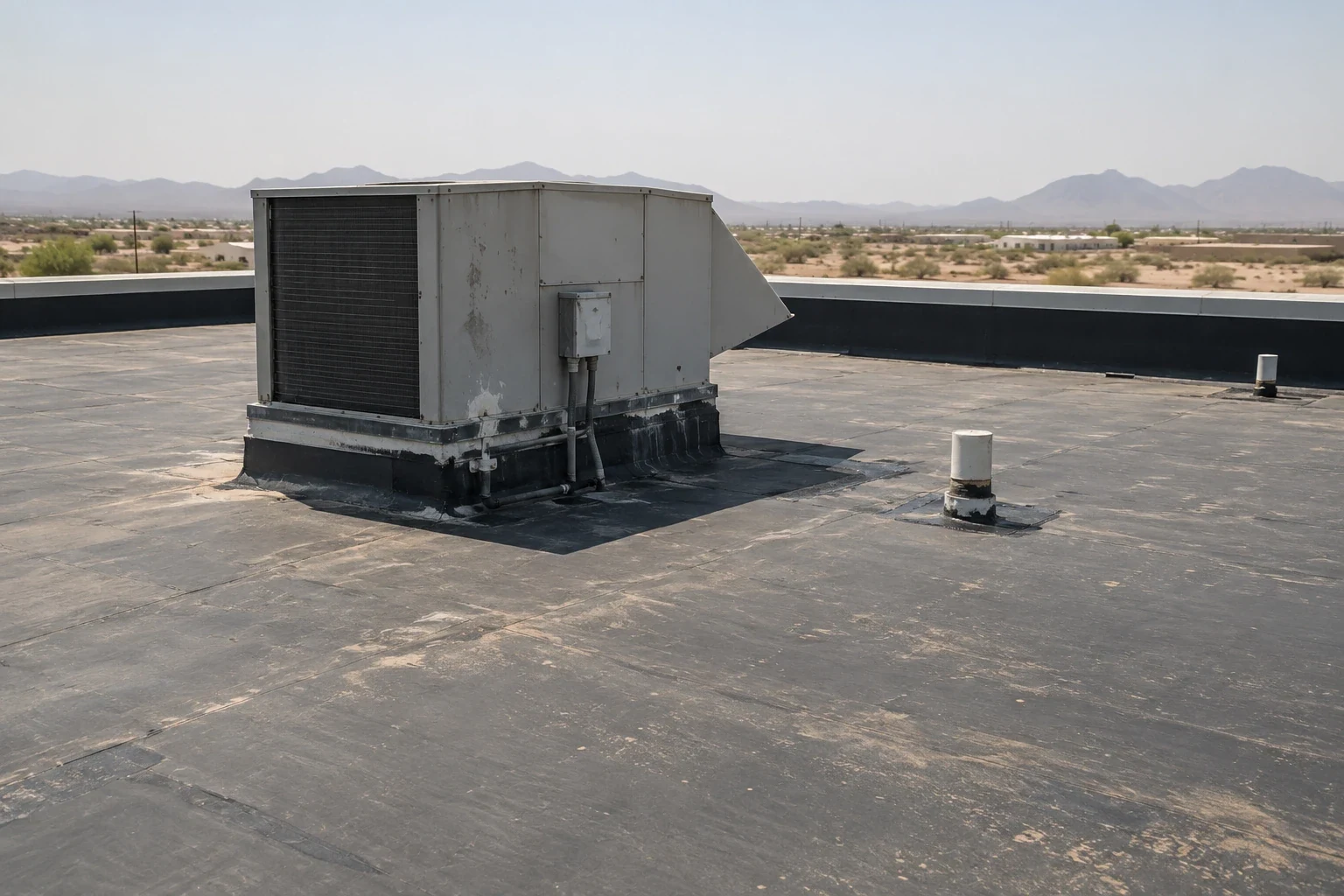
Request a Johns Manville roof assessment
Share the Scottsdale address, roof plan, existing system records and project criteria. We can document conditions, compare system families and identify the assembly details or JM approvals that still need confirmation.
Call or Email
Helpful to have ready:
The property address and a building contact
Where water or damage shows up inside
The roof type and age, if you know them
Photos and any past roof reports