Cool Roof Installation for Scottsdale Commercial Buildings
Home / Commercial Roofing Services / Cool Roof Installation
Evaluate reflective commercial roof options in Scottsdale by product rating, roof condition, drainage, approved assembly and project requirements.
A cooler-colored roof is not automatically the right roof for a commercial building. Cool roof installation in Scottsdale begins with the owner’s goal, existing roof condition, membrane or coating compatibility, drainage and the applicable project requirements. We identify whether the work calls for a new roof covering, a qualified restoration system or another option before comparing products.
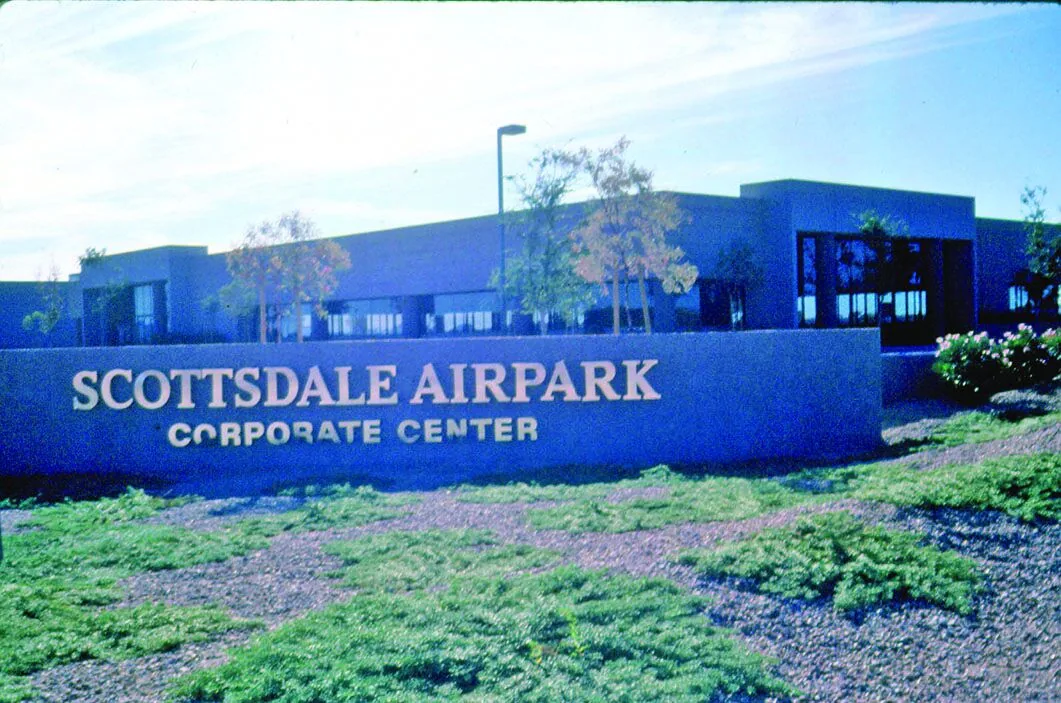
For a property near Scottsdale Airport and Airpark, location helps identify the project and arrange roof access; it does not establish the building’s energy performance or code obligations. We request the roof plan, current assembly information, prior coating or membrane records and any energy documents before pricing reflective roof work.
Define what the owner expects from a reflective roof
Start with the reason for considering the work. The owner may be comparing available roof colors, replacing a failing roof, addressing an energy-design requirement or preparing a capital plan. Those goals lead to different product and assembly questions. We do not promise a specific indoor temperature, utility-bill reduction or payback based only on the color of the roof surface.
Reflective roof materials are evaluated using measures such as solar reflectance and thermal emittance. The Cool Roof Rating Council (CRRC) publishes product ratings for those surface properties and explains that a directory listing is not itself a determination that the product meets a particular code or program’s definition of a cool roof. A listed value describes the rated product under the program’s test and reporting conditions; project requirements still need to be checked separately.
If the owner’s objective is tied to a code, incentive, specification or building policy, the design professional should identify the exact criterion, applicable product type, required rating stage and documentation. The rating for one color or model cannot be substituted for another without confirmation. We can help identify the proposed product in the submittal package, but the applicable authority and approved plans determine what qualifies.
Compare product ratings with the complete roof assembly
After the goal is clear, the existing roof must be inspected. We record the current membrane or coating when identifiable, seams, flashings, penetrations, drainage, moisture symptoms and evidence of prior restoration. A reflective layer must be compatible with the substrate and installed only after the roof has been prepared as the selected manufacturer requires. A white coating over a damaged or wet assembly does not resolve concealed deterioration.
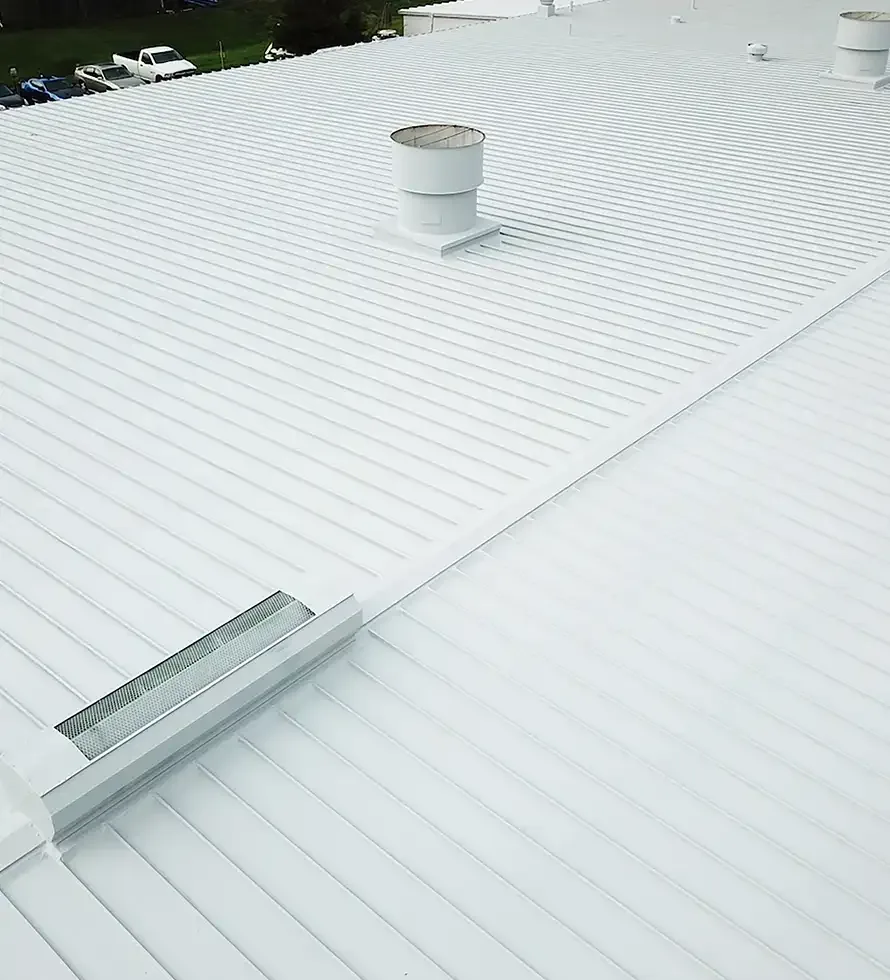
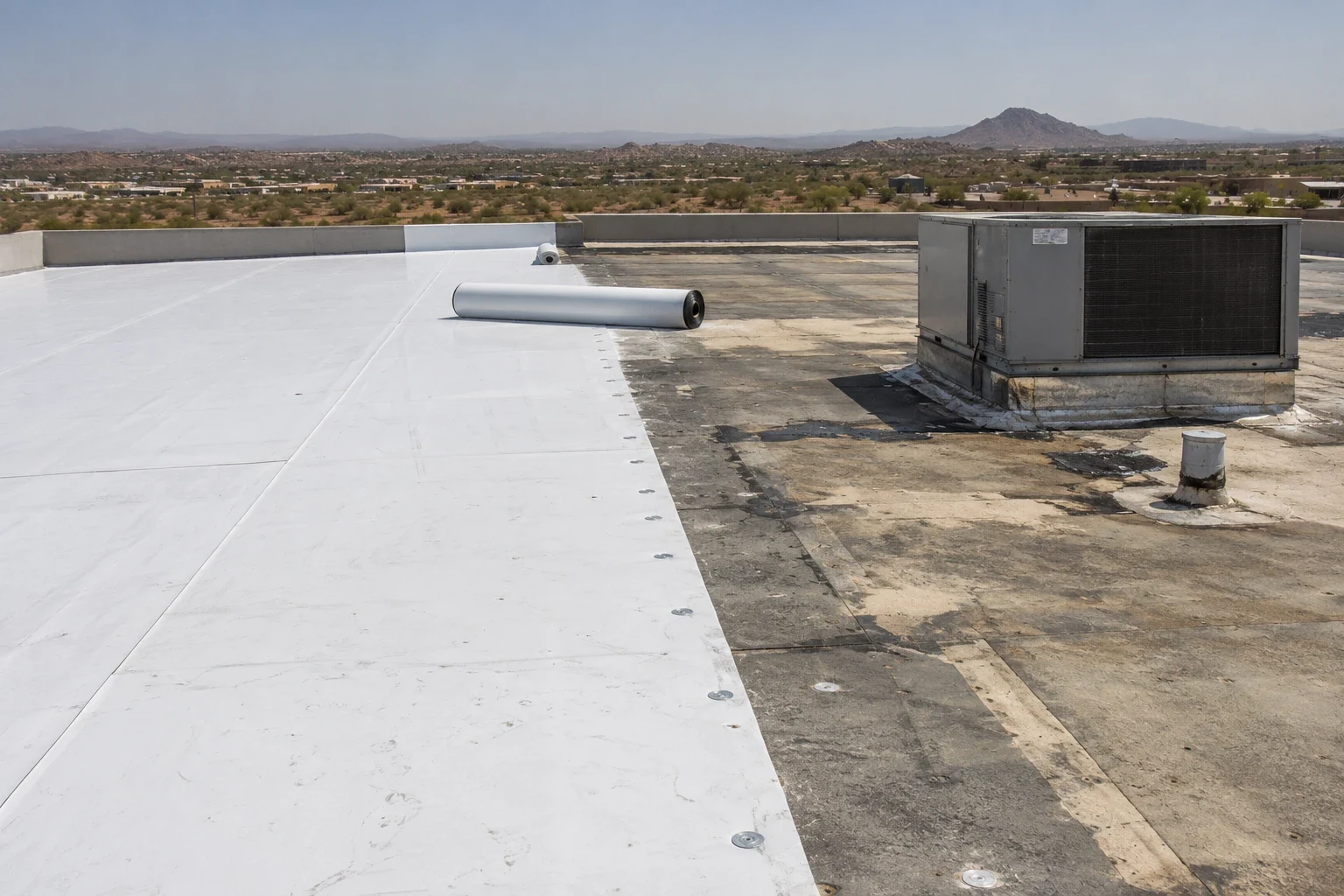
Product families differ. A new single-ply membrane, a reflective metal panel and a fluid-applied coating have different substrates, seam or joint details, attachment methods and maintenance needs. Even within a family, reflectance and other rated properties can vary by exact formulation, color and product listing. We compare the specified product name and use with the manufacturer’s current documents and any rating the project requires.
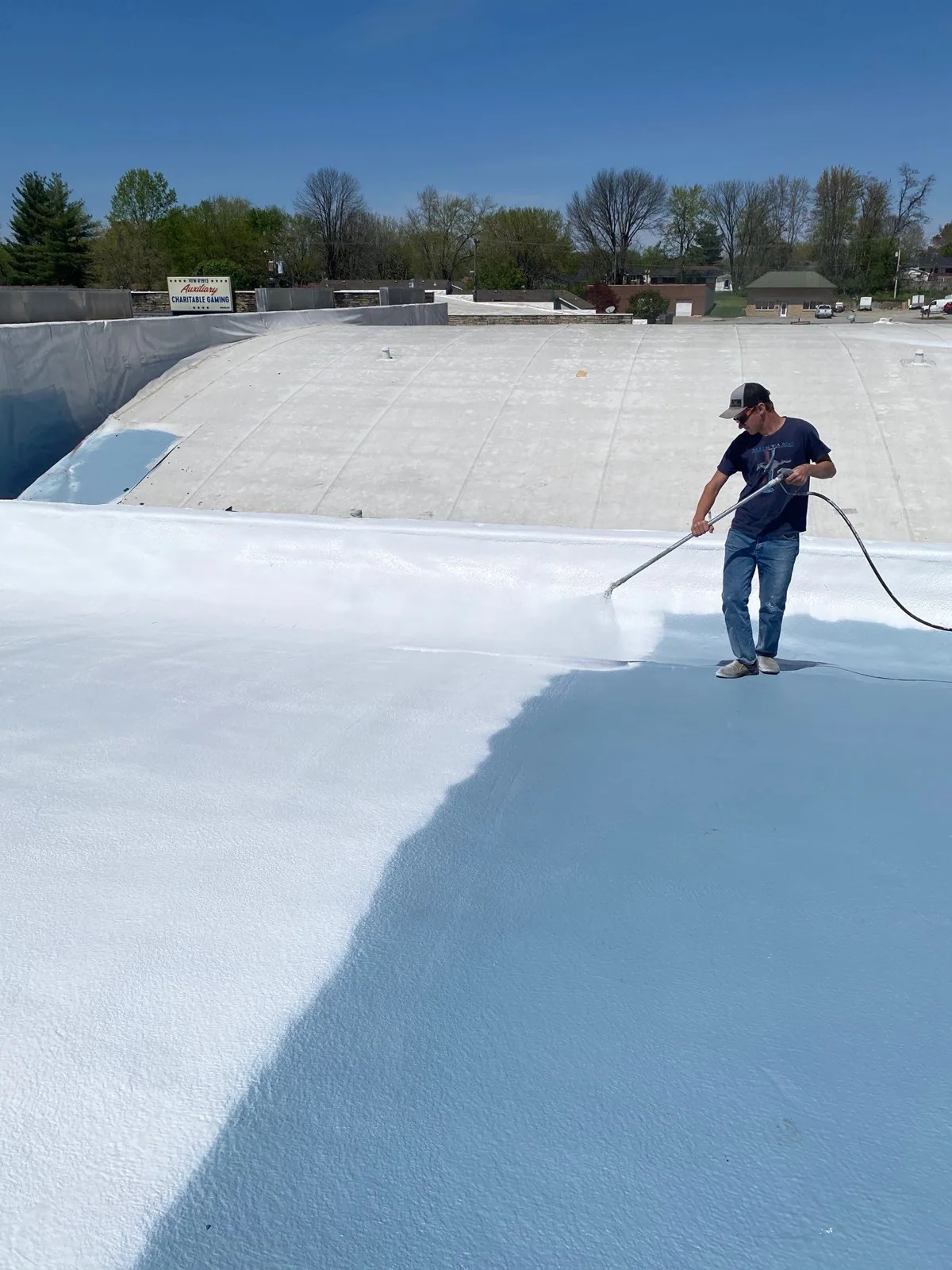
Where the surface is already coated, identify its material and condition before proposing another layer. Manufacturers publish guidance on their coating systems and substrate preparation; those requirements apply to their stated products and conditions, not to every coating on every existing roof. Silicone roof coatings and acrylic roof coatings have different application and substrate considerations. We do not treat one generic “reflective coating” description as a complete specification.
Choose between restoration and replacement after inspection
A coating may be an option when the existing roof and selected coating meet the product’s documented criteria. The inspection should address adhesion, surface preparation, seams, flashings, drainage, wet materials and detail repairs. We record test or repair requirements and the proposed coating system’s required layers. For a broader discussion of those decision points, see commercial roof coating restoration.
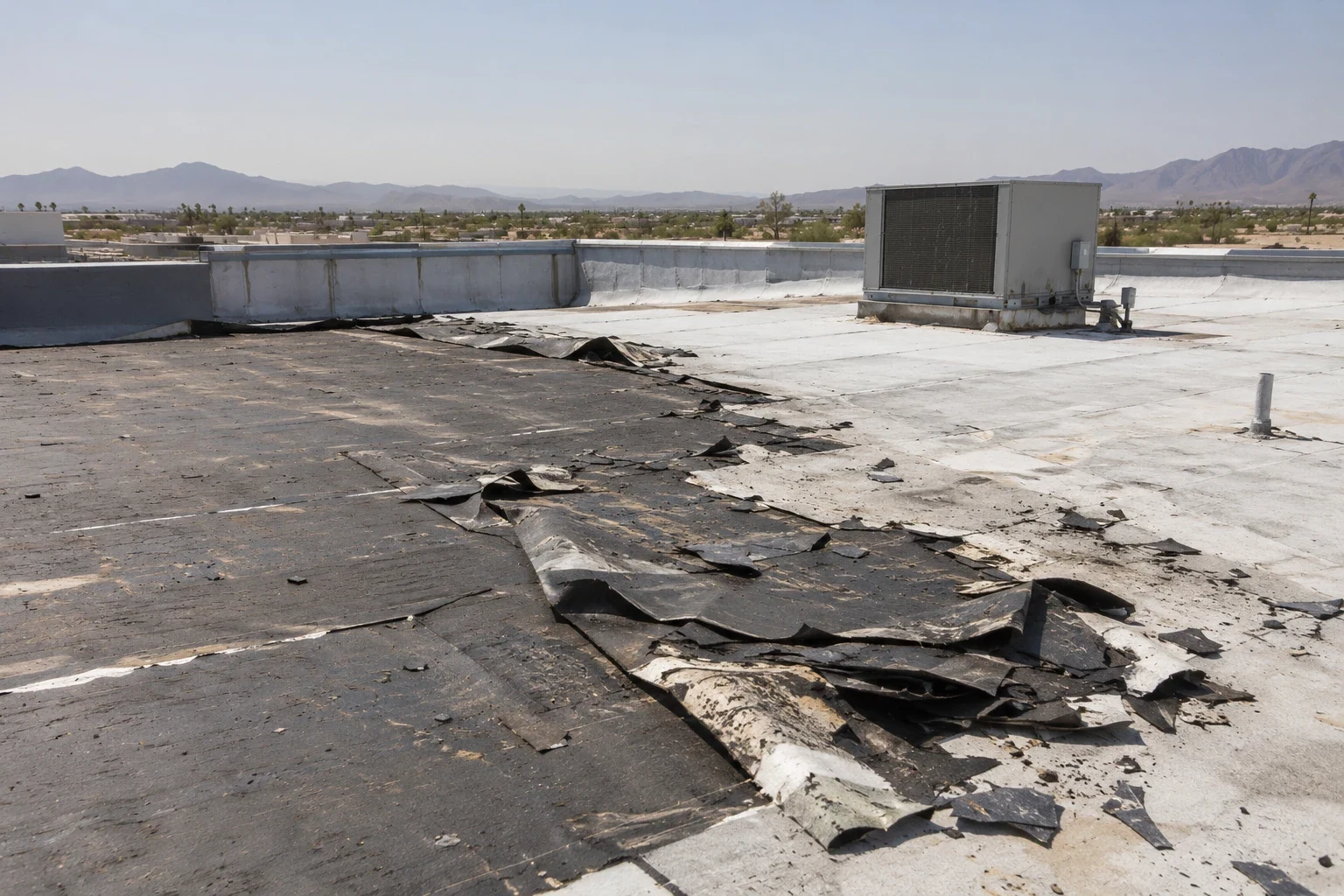
If the roof has unresolved moisture, widespread attachment problems, incompatible existing materials or failed details that cannot be corrected within the selected coating scope, we compare other work. A replacement assessment may be more appropriate after the assembly is documented. A recover or overlay also depends on the existing assembly, code path, edge and curb heights, drainage, load and manufacturer approvals. Reflective appearance alone does not make a roof eligible for a recover.
Where hidden conditions remain uncertain, we explain which survey, test or owner-authorized opening would provide better evidence. If infrared imagery is used, it helps locate areas for further review under suitable conditions; it does not by itself verify moisture or establish coating eligibility. The proposal should distinguish confirmed repairs from allowances and state what happens if the opened roof differs from the survey.
Protect drainage and details during installation
The roof plan should show drains, scuppers, gutters, expansion joints, equipment curbs, penetrations and roof edges. New materials must meet these transitions using the selected system’s details. Coating must not block a drain or cover a condition that needs a separate repair. A membrane project also needs a defined tie-in at edges and penetrations, plus a dry-in sequence that limits exposure of the building during installation.
We confirm substrate preparation, repairs, primer if required, application method, coverage rate, layer sequence and weather conditions against current manufacturer instructions and project documents. For a membrane, the specification should identify the membrane, attachment method, seams, flashings and approved assemblies. For a coating, it should state the product, substrate, preparation and coverage requirements. We do not set a product rate or warranty term without those documents.
Before work starts, the owner should identify access procedures, occupied areas, rooftop equipment shutdowns, material staging and closeout needs. The crew should protect equipment and drains, keep the roof watertight at the end of each shift and document concealed repairs before covering them. After completion, product records and photographs help preserve which exact color and assembly were installed.
A Scottsdale roof is evaluated by its own records
Scottsdale’s employment areas include commercial and industrial properties, but neighborhood identity does not tell us the roof construction or energy criteria for one address. We use site access, plans and inspection evidence to build the recommendation. A roof condition report can organize those observations and open questions. If roof leaks or physical deterioration are present, commercial roof repair may need to be scoped before the reflective finish or membrane is selected.
Send the address, roof drawings, current product or warranty information, records of prior repairs and the objective for the project. We can document the existing roof, identify suitable product paths for design review and prepare a scope that keeps substrate work, reflective material, edge details and unresolved conditions visible.
A product comparison should also account for how the roof will be maintained after installation. Confirm whether access routes, equipment service areas or future penetrations could disturb the reflective surface, and identify who will restore the system after that work. If the project needs a sample or mock-up, review the exact color and assembly proposed rather than relying on a general description. The owner can then compare appearance, preparation, edge work and maintenance obligations alongside the specified rating, with any separate energy analysis handled by the design team.
Commercial Roofing Questions
Does a CRRC directory listing mean a roof product meets every cool-roof rule?
A listing reports measured surface properties. It does not establish that the product meets every code or program rule; check the project’s exact requirement.
Will a reflective roof lower this building’s energy bill by a set amount?
That cannot be promised from product color or ratings alone. Actual building performance depends on the building, climate, roof assembly, HVAC and operating conditions.
Can a reflective coating be applied over any existing roof?
Applicability depends on the existing substrate, roof condition, preparation and the selected coating manufacturer’s requirements.
Do I need a new roof to install a cool roof?
Not always. An approved coating or other restoration may be possible on a suitable roof. Inspection and product criteria determine whether that route is available.
Compare Reflective Roof Options
Share the building address, roof plan, existing roof records and the reason for considering a reflective roof. We can inspect the assembly and identify the product, repair and documentation questions to resolve before pricing.
Call or Email
Helpful to have ready:
The property address and a building contact
Where water or damage shows up inside
The roof type and age, if you know them
Photos and any past roof reports