GAF Commercial Roofing Systems in Scottsdale, AZ
Home / Roofing Manufacturers / GAF
Review GAF commercial roofing systems in Scottsdale by roof condition, product assembly, project details and current qualification requirements.
GAF manufactures commercial roofing products across several system families, including single-ply membranes, asphaltic roofing and liquid-applied coatings. A GAF specification names more than a top sheet: it coordinates the membrane or plies with insulation, cover board, attachment, flashings, accessories and project details. The correct assembly depends on the building and the selected product documentation.
For a property near Scottsdale Airport and Airpark or Old Town Scottsdale, we identify the existing roof, deck, slope, drains, equipment and use of the building before comparing GAF options. A district name does not tell us what roof is installed or which product qualifies. Start with current site evidence and the manufacturer’s data for the exact system.
Compare the GAF commercial product families
GAF’s commercial portfolio includes TPO, PVC and PVC KEE membranes, SBS and APP modified bitumen, built-up roofing and coating systems. Product details differ within those families. For example, the single-ply library includes smooth and fleece-back membranes, multiple thicknesses, system components and attachment choices. Asphaltic systems have their own base and cap products, installation methods and surfacing. A manufacturer’s catalog helps identify options but does not select a system for a specific roof.
Compare the product family with the roof’s slope, existing layers, drainage, equipment use and project performance criteria. Review GAF options alongside TPO roofing and PVC roofing when single-ply systems are under consideration. For asphaltic assemblies, use the details for the named SBS, APP or built-up system. Do not assume that two GAF products share the same accessories, attachment pattern or warranty terms simply because they have the same brand.
Coatings can be considered where the existing roof is suitable to retain and the specific coating system accepts its substrate. Check moisture, attachment, surface condition, drainage and prior coatings before pricing. A restoration product does not convert a wet or failing assembly into a new roof.
Use the product documents for the named assembly
GAF provides commercial product data, technical bulletins, safety information, codes, specifications, installation instructions and system packages through its document library. Use those sources to check the membrane or ply, approved deck, insulation, fasteners, adhesives, flashing, edge details and application conditions. Record the document version in the bid set so the team can match the installed materials to current instructions.
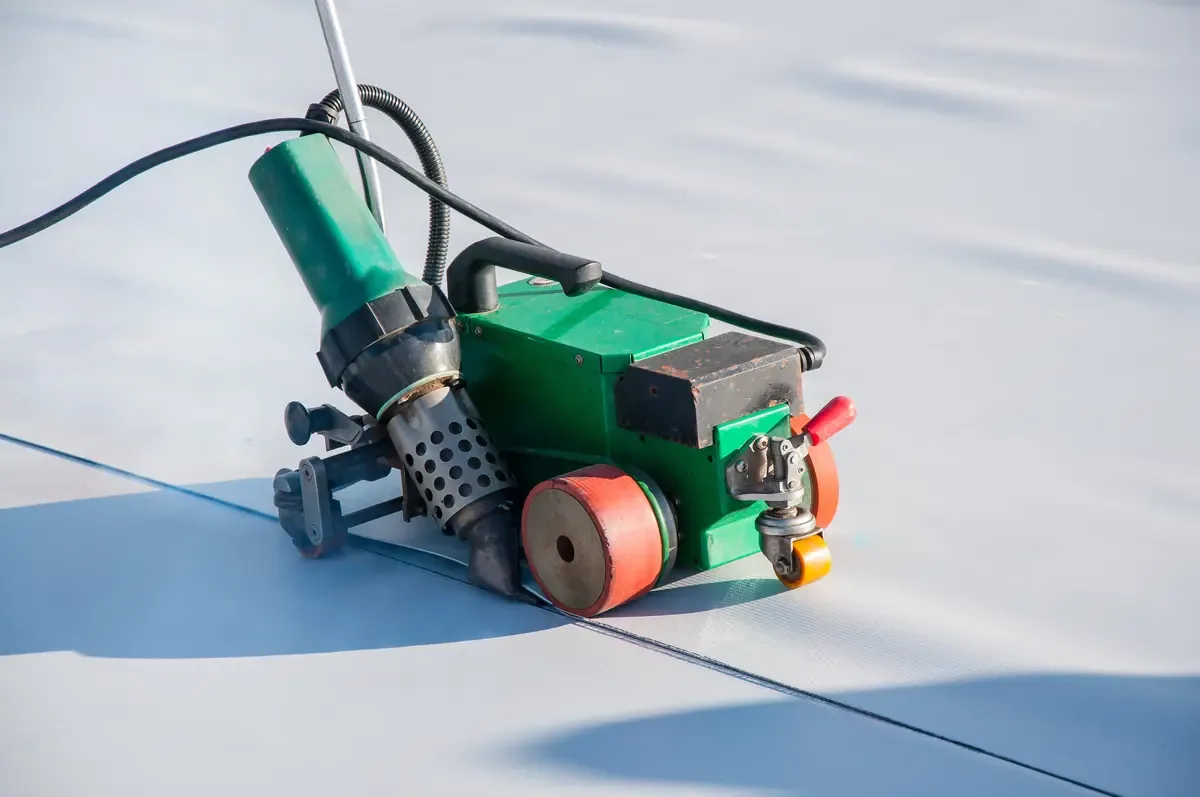
For a GAF single-ply assembly, confirm membrane type, reinforcement or fleece backing, thickness, attachment, seam and flashing details. For a GAF asphaltic system, identify the base, intermediate and cap materials along with the listed application method. For liquid-applied systems, identify the substrate, primer, fabric where specified, coating layers, coverage and dry-film target. Manufacturer details should guide the plan for drains, curbs, roof edges, penetrations and transitions.
Where the existing assembly is uncertain, document test openings, moisture review, substrate checks or adhesion testing in the scope. GAF’s published product pages may list broad substrate categories, but each data sheet can set preparation conditions that still need to be met. A specification should distinguish confirmed building conditions from assumptions that require field verification or design-team approval.
Coordinate the roof design, installation and closeout
Attachment, edge treatment and drainage must align with the building plans and applicable project design. Coordinate insulation heights with drains and equipment curbs. Verify fastener type and pattern for the deck, identify perimeter and corner conditions, and include flashing materials compatible with the selected roof system. Do not copy a detail from a different GAF product family without confirming it applies.
During construction, track approved substitutions and changes to the material schedule. Check field conditions at penetrations, curbs, edges and tie-ins, then retain inspection records, product data, photographs and as-built details. Closeout should identify the manufacturer’s installed system, maintenance requirements, accepted repairs and any unresolved owner decisions.
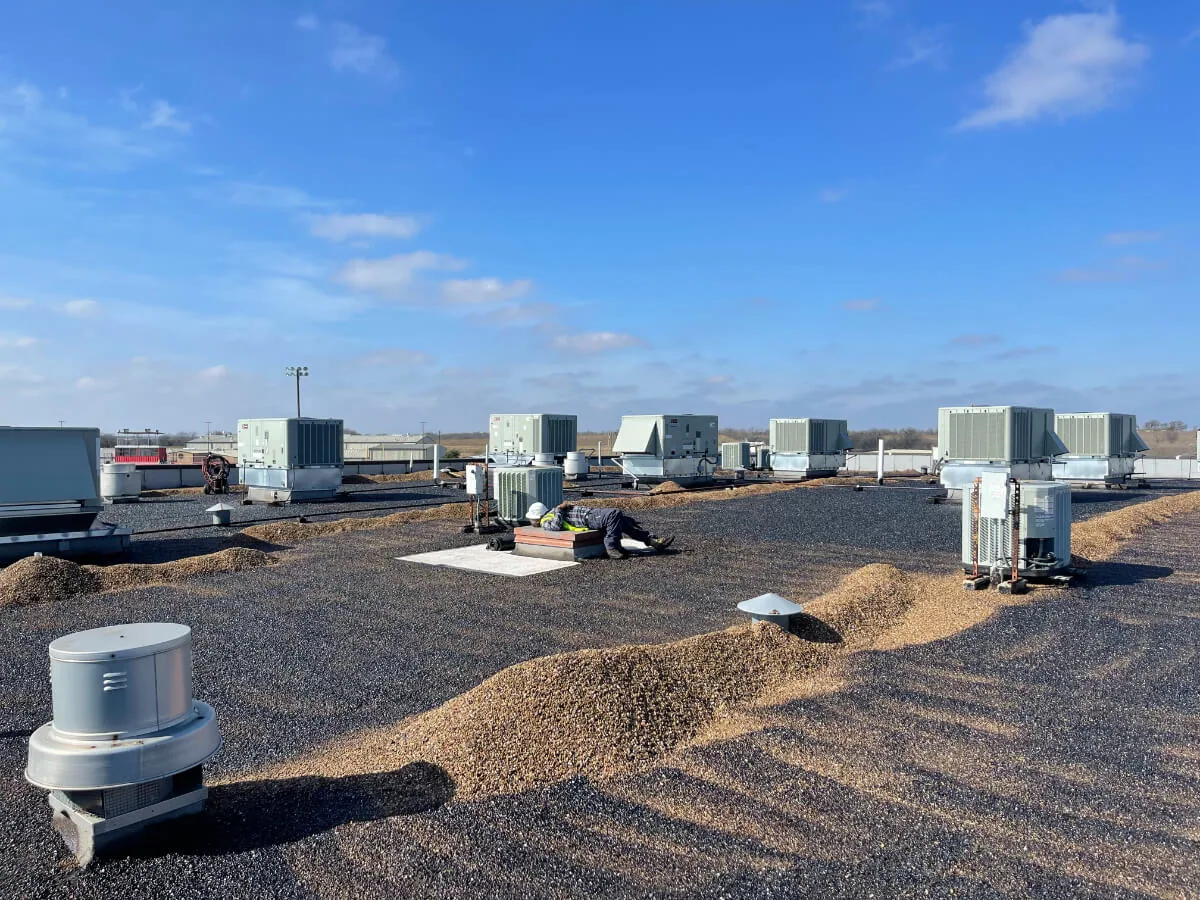
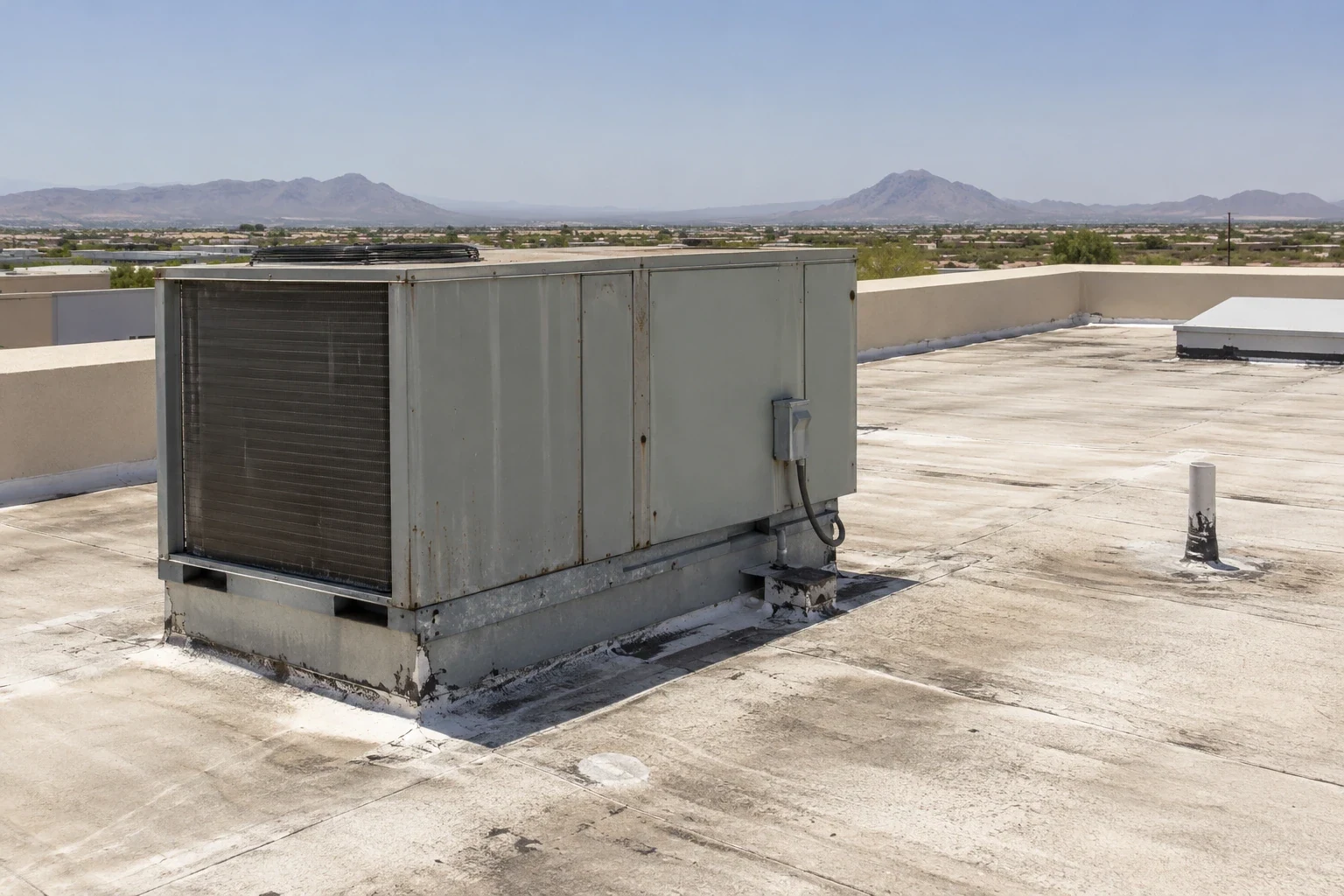
For an active leak or uncertain assembly, arrange a commercial roof inspection before choosing products. A recover assessment should verify existing moisture, substrate, roof height, attachment and compatibility. When replacement is required, use a replacement scope that names each layer and detail rather than a generic brand-level allowance.
Before material is released, compare the approved roof plan with the field takeoff. Check the membrane or ply quantities, insulation taper, cover-board layout, perimeter fastening, corner reinforcement, flashing transitions, and accessories at each penetration. Note how the crew will test seams and document work that becomes concealed. If the project includes more than one GAF system family, keep each assembly schedule separate so a PVC detail is not carried into an asphaltic or coating scope. A written substitution list also helps the approval contact distinguish a product change from a change in the actual roof design.
Tie the approved drawing revision to the crew's daily quality notes; otherwise a field adjustment may not match the schedule the owner accepted.
Verify contractor status and coverage for the project
GAF offers multiple commercial contractor certification levels. Its published program describes annual reviews and different privileges for qualified contractors. A building owner should verify the current contractor status and exact program tier directly with GAF, then confirm that the proposed project and products meet the separate requirements for any requested written coverage.
Do not infer a contractor’s GAF certification from product use, marketing language or an old certificate. Ask for current written confirmation and the precise coverage document before contract award. Coverage terms depend on the system selected, contractor eligibility, installation requirements, inspections and other stated terms. Read the named document for exclusions, maintenance duties, notice periods and covered components.
For a Scottsdale project, request the written product schedule, manufacturer technical documents, contractor credential evidence and proposed coverage terms together. If an owner has a specific GAF coverage term in mind, identify that at bid time and check that the eligible assembly and application path are reflected in the price and schedule.
Build a GAF roof scope around the actual property
Useful starting materials include the property address, roof plan, deck type, known roof history, drain layout, equipment list and project specification. For an Airpark facility, include roof access and occupied-area requirements; for a building in the Airpark district, the neighborhood still does not establish individual roof exposure or support conditions. We record what the inspection shows and list additional testing separately.
A clear proposal identifies the GAF system and products, assembly layers, attachment, flashing, edge metal, drainage work, removal assumptions, access controls, closeout records and any manufacturer review. If a different manufacturer is being considered, compare GAF with a relevant system such as Versico or Carlisle SynTec on the same project requirements, not just brand-level descriptions.
Share the roof plans, product records, leak locations and procurement schedule before ordering. That gives the owner a specific basis for comparing bids and identifies which details, approvals or existing conditions remain to be confirmed.
Commercial Roofing Questions
What commercial roofing systems does GAF make?
GAF lists commercial TPO, PVC, PVC KEE, SBS and APP modified bitumen, built-up roofing and liquid-applied coating systems. Options and specifications vary by product.
Does every GAF commercial system qualify for the same coverage?
No. Available terms and covered components depend on the eligible assembly, contractor program status, installation requirements, inspections and the written document.
How do I confirm a commercial roofer’s GAF certification?
Verify the contractor’s current commercial status and exact tier with GAF, and request the written credential and applicable project coverage documents.
Can GAF roofing be installed over an existing Scottsdale roof?
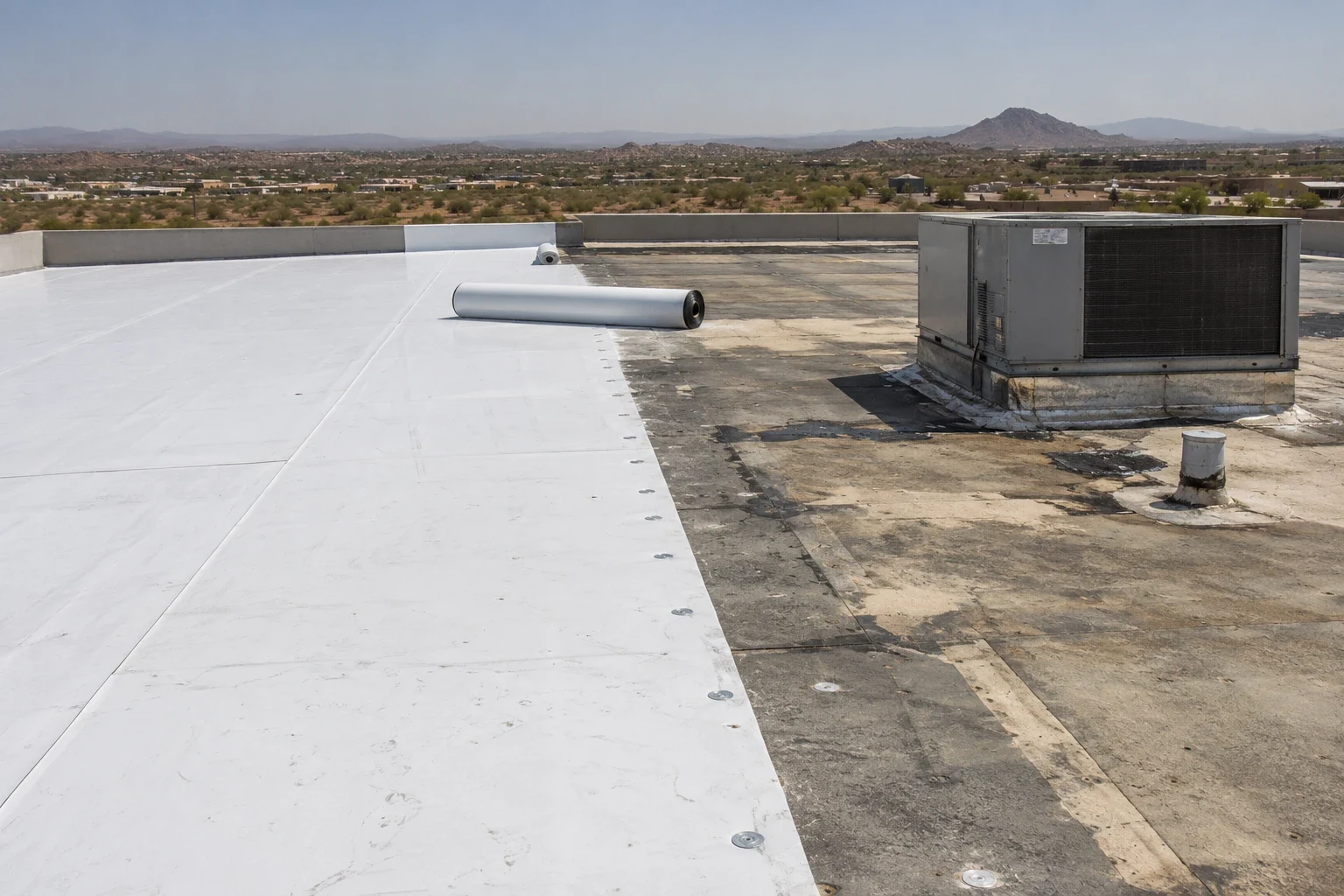
A recover depends on moisture, substrate, existing layers, attachment, height, drainage, compatibility and the approved system. Inspect the roof before selecting that approach.
Request a GAF commercial roof assessment
Send the Scottsdale property address, roof plan, existing product records and project requirements. We can document visible conditions and identify the GAF system details and approvals that need confirmation.
Call or Email
Helpful to have ready:
The property address and a building contact
Where water or damage shows up inside
The roof type and age, if you know them
Photos and any past roof reports